Spanish
 English
 French
 German
 Japanese
 Russian
 Portuguese


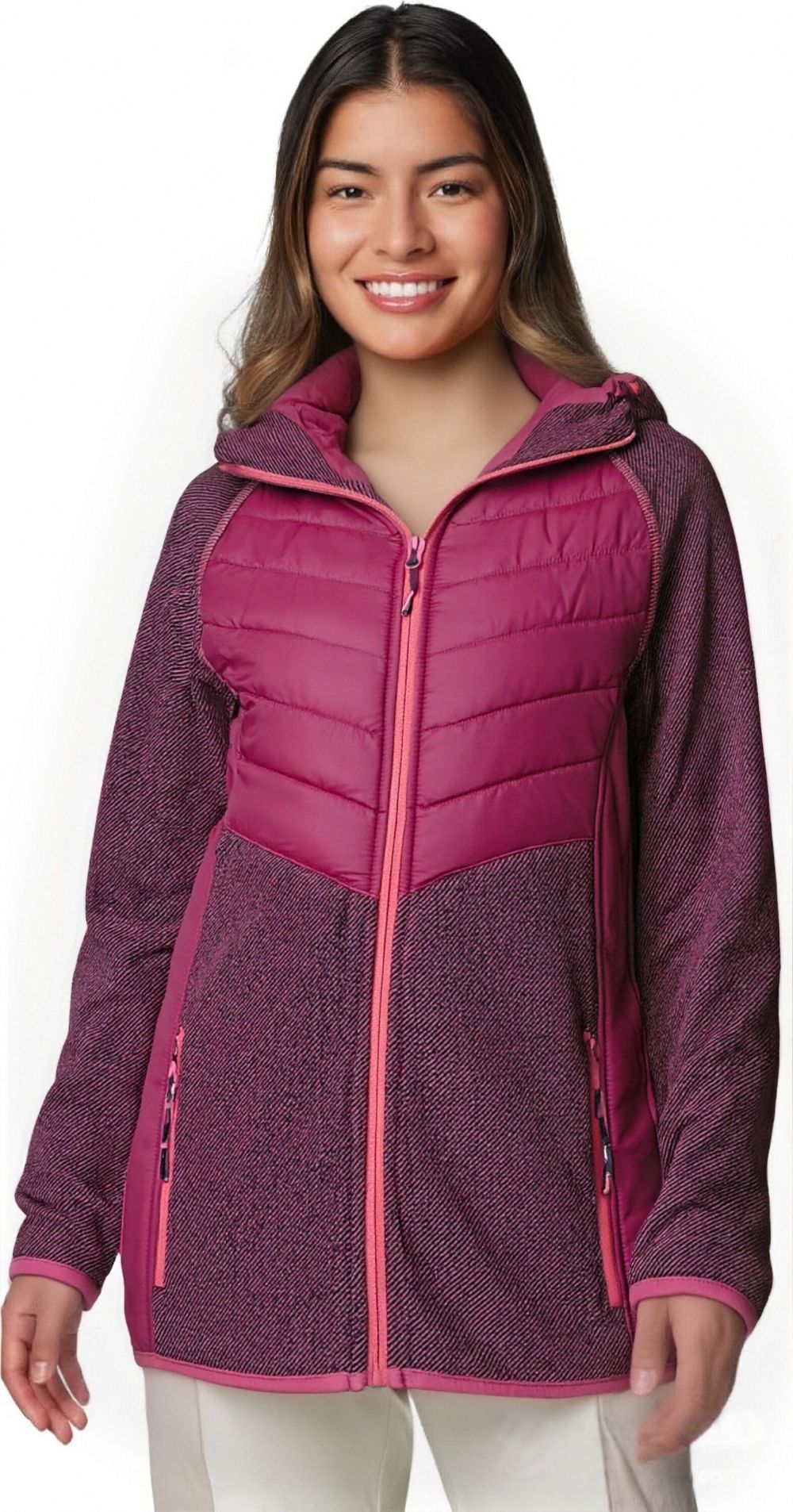
Stepping into freezing temperatures without the right winter outerwear is a chilling mistake.
But what makes a puffer jacket warm? Warmth is not just about thickness.
True warmth comes from materials, engineering, and smart design.
In this post, you will learn about insulation types, fill power, and jacket construction.
The Science of Insulation: How Do Puffer Jackets Work?
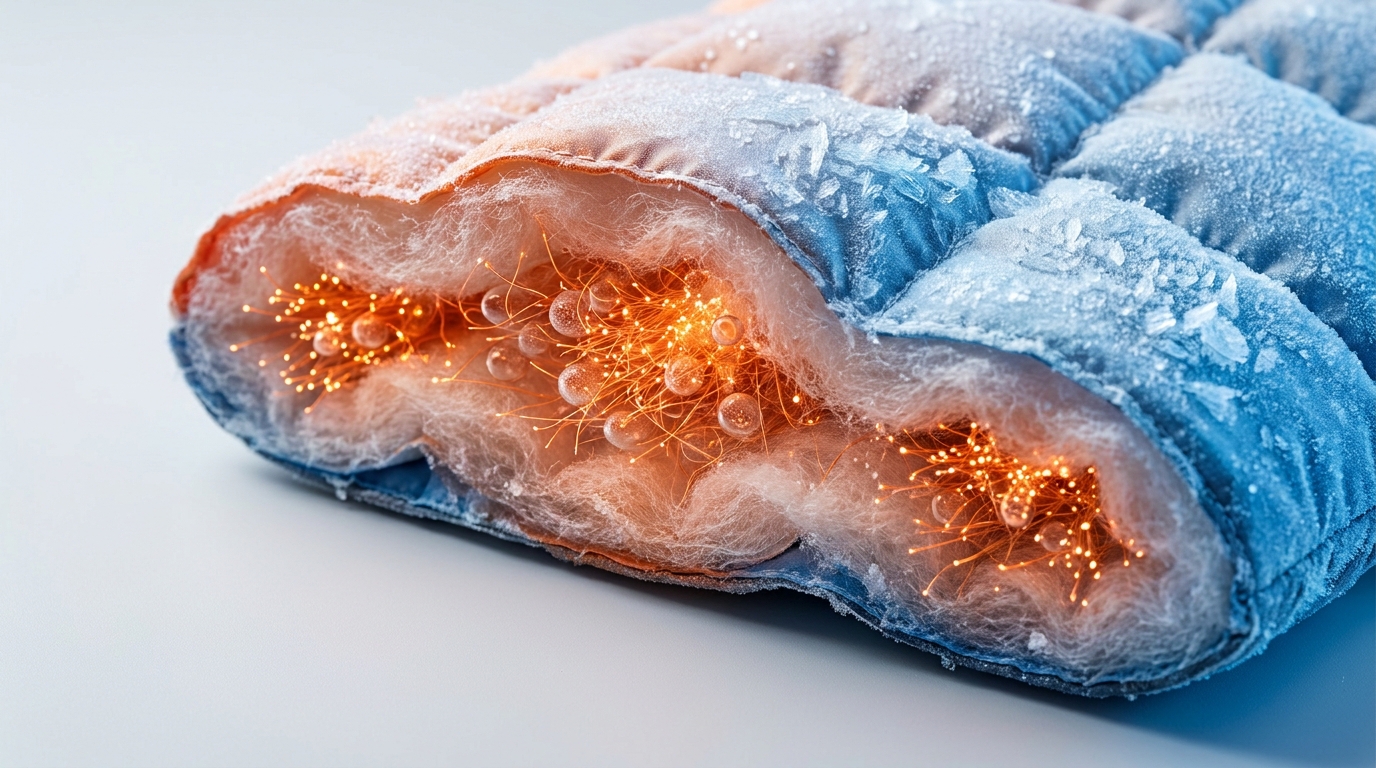
What makes a puffer jacket warm? The answer starts with the basic physics of winter gear. Your body acts as a natural furnace. It constantly generates heat. When you step into freezing weather, cold air steals this heat away. A warm puffer jacket works as a protective shield. It never creates heat on its own. Instead, it captures the warmth you already produce and keeps it close to your skin.
The Power of Dead Air Space
How does the garment capture this heat? The secret lies in “dead air space.” Moving air pulls heat away from you. However, still air is a terrible conductor of heat. If you trap tiny pockets of air and keep them motionless, convective heat loss stops completely.
The insulation stuffed inside the shell creates millions of these microscopic pockets. This trapped dead air forms an invisible thermal barrier. It prevents cold outside air from reaching your skin while keeping your precious body heat locked inside.
Why Loft Matters for Heat Retention
This thermal barrier relies entirely on loft. Loft refers to the thickness or puffiness of the insulation. Higher loft provides more physical space to trap dead air.
- High Loft: The insulation expands fully, trapping maximum air and delivering peak warmth.
- Low Loft: The material sits flat, holding very little air and offering poor insulation.
When a garment fluffs up, it maximizes its thermal performance. If moisture or compression flattens the insulation, you immediately lose warmth. The signature “puffy” look is not just a fashion choice. It directly dictates how well the gear performs in freezing conditions.
Debunking the Weight Myth
Many shoppers believe a heavy coat guarantees winter warmth. This is a persistent myth. Weight does not equal warmth. A dense, heavy fabric might block wind, but it traps air poorly. Premium insulation expands massively to hold air while weighing almost nothing.
An ultralight, high-loft jacket routinely outperforms a bulky, heavy wool coat. A skilled jacket manufacturer engineers these garments carefully. They balance lightweight fabrics and premium fill to maximize loft while cutting unnecessary mass.
| Feature | Heavy Traditional Coat | Lightweight Puffer Jacket |
|---|---|---|
| Primary Insulator | Dense fabric mass | Trapped dead air space |
| Loft Level | Low (flat and dense) | High (thick and fluffy) |
| Warmth-to-Weight Ratio | Poor | Excellent |
Down vs. Synthetic: The Core of a Warm Puffer Jacket
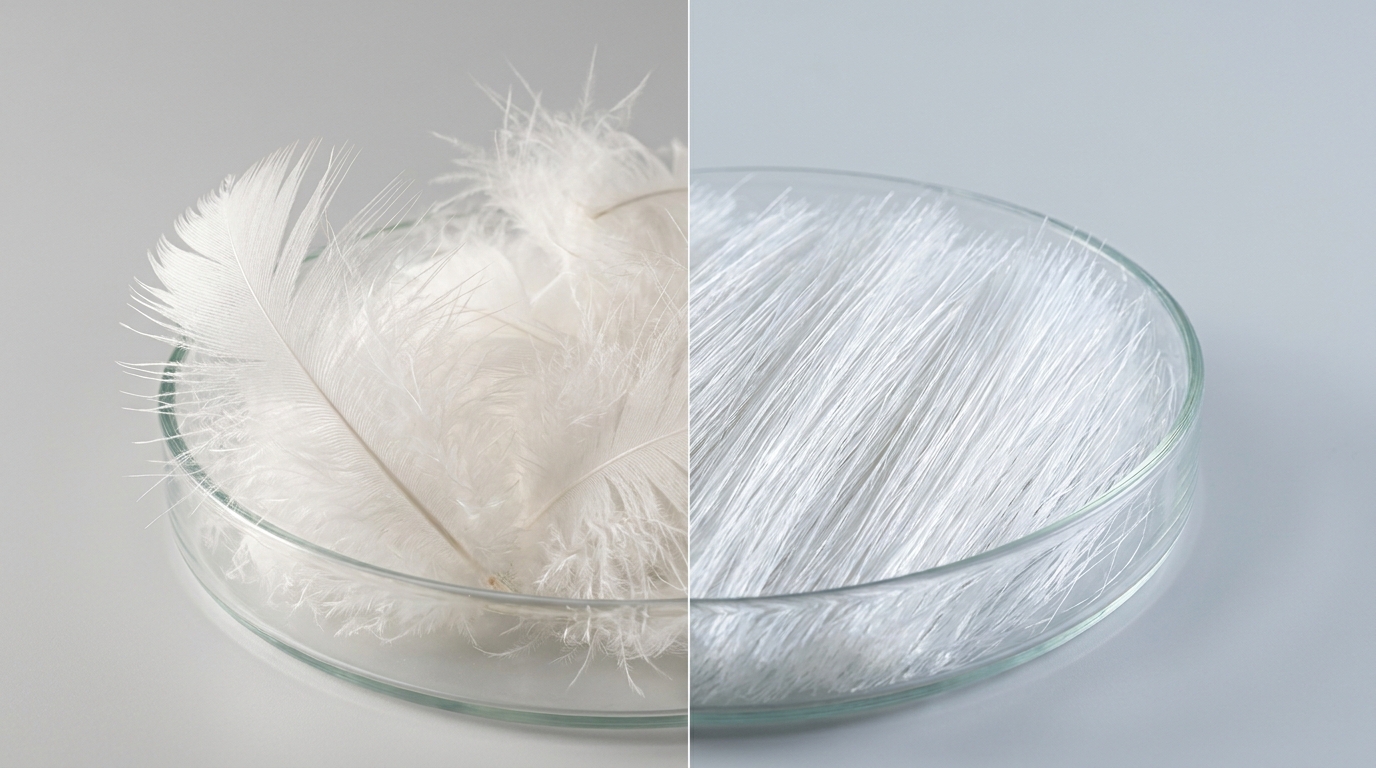
As we covered earlier, loft is the secret to trapping dead air. But what exactly creates that loft? The answer lies in the fill material. The core of a warm puffer jacket depends entirely on what sits inside the shell. Manufacturers generally use natural down, synthetic fibers, or a smart blend of both.
Down Insulation: The Natural Standard
Down comes from the soft, fluffy undercoating of waterfowl. You will typically find either goose down or duck down on the market. Goose down clusters are naturally larger. They trap more air and offer slightly higher loft than duck down. However, both types provide incredible winter performance.
Natural down offers an unbeatable warmth-to-weight ratio. It expands massively to trap heat but compresses down easily for packing. With proper care, these garments can last for decades without losing their thermal efficiency.
But down has a major weakness. It hates moisture. If you get caught in heavy rain, untreated feathers clump together into a sodden mass. They lose their loft entirely. Without loft, you lose your dead air space and your warmth. Down also requires special care. You often need to wash it using specific detergents and dry it using tennis balls to restore its fluffiness.
Synthetic Insulation: The Reliable Alternative
Engineers designed synthetic insulation to mimic natural down clusters. They use fine polyester fibers spun together to create tiny air-trapping pockets.
The biggest advantage of synthetic fill is moisture resistance. If you do the “wet test,” synthetic fibers maintain their structure. They retain roughly 90% of their insulating properties even when soaking wet. This makes synthetic garments ideal for damp, rainy, or highly active winter days. They are also naturally hypoallergenic and generally more affordable.
The trade-off comes in weight and packability. Synthetic materials are heavier than natural down. They do not compress as small. Over time, synthetic fibers can slowly break down. This means the jacket might lose its peak loft faster than a natural down equivalent.
Blended Insulation: The Best of Both Worlds
You do not always have to choose one or the other. Many modern designs combine natural and synthetic materials. This hybrid approach helps answer the question of what makes a puffer jacket warm in unpredictable weather.
Designers often place premium down in the core areas around your chest and back. This maximizes heat retention where you need it most. They then use synthetic fill in areas prone to moisture, like the shoulders, cuffs, and hem. This smart mapping protects the garment from rain and sweat while keeping the overall weight low.
| Feature | Natural Down | Synthetic Fill |
|---|---|---|
| Warmth-to-Weight Ratio | Excellent | Good |
| Wet Weather Performance | Poor (clumps and loses loft) | Excellent (retains 90% warmth) |
| Compressibility | High | Moderate |
| Lifespan | Very Long (proper care required) | Shorter (fibers degrade over time) |
| Price Point | Premium | Affordable |
Understanding Fill Power and Fill Weight
Choosing between natural down and synthetic fibers is only the first step. Once you select your insulation material, you must evaluate its quality and quantity. Shoppers often see technical numbers on winter gear tags and feel confused. Decoding these numbers is crucial when determining what makes a puffer jacket warm.
What is Fill Power?
Fill power measures the quality of down insulation. Specifically, it calculates the volume one ounce of down occupies in cubic inches. As we covered earlier, loft creates the dead air space necessary for heat retention. Fill power directly grades this fluffiness.
A higher number means the down clusters are larger. They expand fully to create a thicker thermal barrier. Manufacturers categorize these ratings to help you choose the right gear for your climate.
- 500 to 600 Fill Power: This is standard quality. It works perfectly for casual daily wear and mild winter days.
- 700 to 800 Fill Power: This range offers high quality. It provides an excellent warmth-to-weight ratio. You will often see it used for active winter sports like hiking or climbing.
- 900+ Fill Power: This represents premium, ultralight insulation. It delivers maximum warmth while keeping weight and bulk to an absolute minimum. Extreme cold weather expeditions rely heavily on this rating.
What is Fill Weight?
While fill power measures quality, fill weight measures quantity. It tells you the actual physical mass of the insulation stuffed into the garment. Brands usually list this metric in ounces or grams.
Many buyers ignore this number. They assume a high fill power automatically guarantees extreme heat. This is a massive mistake. If you only put a tiny amount of premium down into a shell, the garment will not keep you warm. You need enough physical material to build a proper thermal barrier.
The Balance for Maximum Warmth
Understanding what makes a puffer jacket warm requires balancing both metrics. You cannot look at one number in isolation. A jacket using 900-fill down sounds incredibly warm. However, if it only contains 50 grams of insulation, it serves as a lightweight spring layer.
Conversely, a 600-fill jacket stuffed with 250 grams of down will feel much warmer. It uses lower-quality down but makes up for it in sheer volume. The heavy fill weight creates a thick, robust barrier against freezing temperatures.
You must match these two factors to your specific needs. If you need a highly packable layer for backcountry skiing, prioritize high fill power. You get great warmth without the bulk. If you just need a heavy coat for freezing city commutes, prioritize a higher fill weight. A lower fill power will save you money while still delivering excellent heat.
| Scenario | Fill Power Focus | Fill Weight Focus | Resulting Garment Type |
|---|---|---|---|
| Active Alpine Sports | High (800+) | Low to Medium | Ultralight, highly packable, very warm |
| Casual Urban Winter | Medium (600) | High | Heavier, bulkier, highly insulated |
| Extreme Arctic Conditions | High (800+) | High | Maximum loft, thick barrier, premium cost |
Baffle Construction: Keeping the Heat Trapped
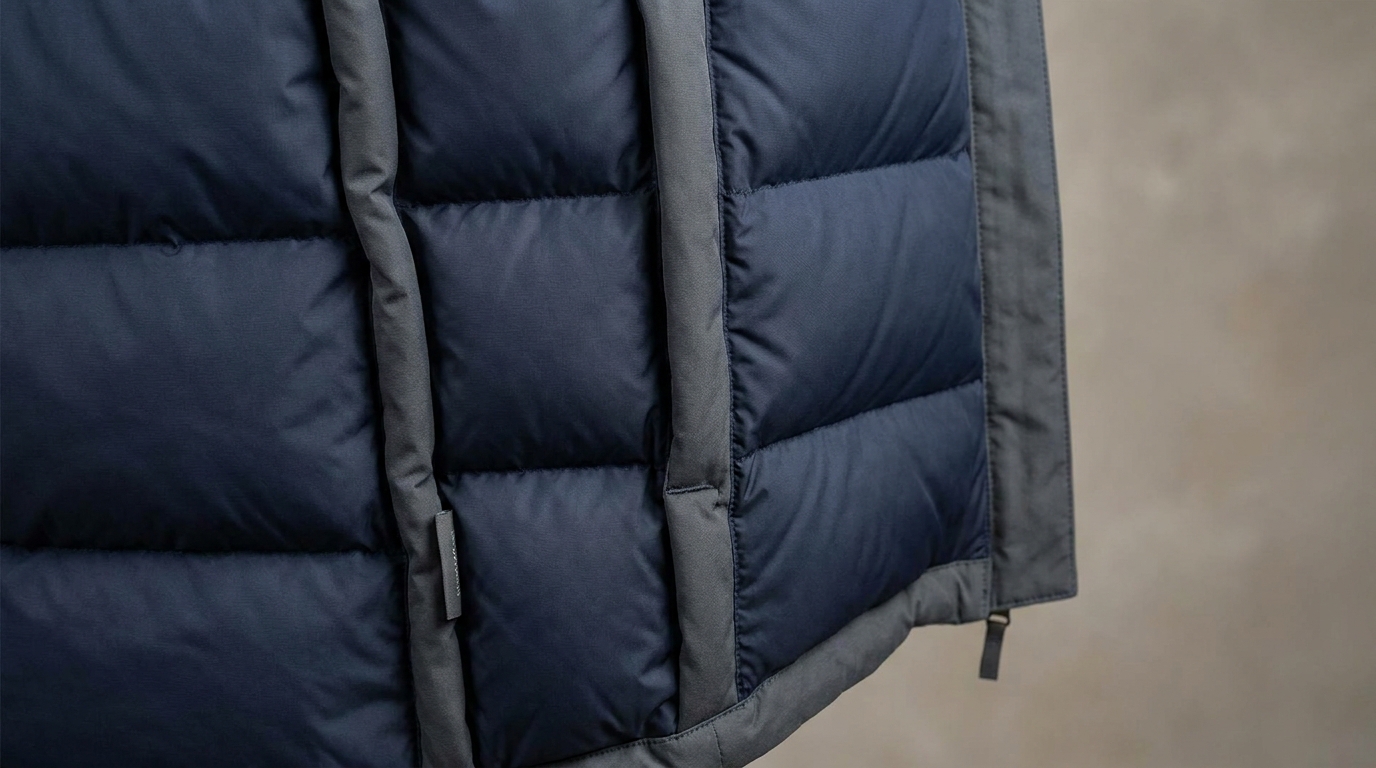
You now know how fill power and fill weight determine insulation quality and quantity. But stuffing premium down into a shell is not enough. The fill must stay in place. This brings us to baffle construction. It plays a massive role in what makes a puffer jacket warm.
What Are Baffles?
Baffles are the stitched compartments visible on the outside of the coat. They often look like horizontal tubes or quilted squares. These pockets distribute the insulation evenly across your body.
Without them, gravity pulls all the feathers or fibers down to the hem. You would end up freezing on top and bulky at the bottom. Baffles lock the material in place. They keep your thermal barrier intact and functioning properly.
Sewn-Through Construction: The Lightweight Standard
Most everyday winter coats use sewn-through construction. The manufacturing process is very straightforward. A machine stitches the outer shell directly to the inner lining. This creates individual pockets for the down or synthetic fill.
It uses minimal fabric and reduces labor costs. This keeps the garment lightweight, affordable, and easy to pack. But this popular method has a distinct flaw.
The stitching pinches the inner and outer fabrics tightly together. Insulation cannot expand at these pinched seams. The loft drops to zero. These flat lines create “cold spots.” Body heat escapes through these uninsulated gaps. Freezing air can also seep in. For mild winter days, sewn-through designs work perfectly. For extreme cold, they fall short.
Box-Wall Construction: The Premium Heat Trap
When you face extreme freezing temperatures, you need box-wall construction. Designers do not pinch the shell and lining together here. Instead, they insert a vertical strip of fabric between the layers. This creates a three-dimensional, brick-like chamber.
The insulation can fully expand from edge to edge inside this box. It maintains consistent, high loft across the entire garment. This smart engineering completely eliminates cold spots at the seams.
Box-wall designs maximize the dead air space we discussed earlier. They trap heat significantly better than sewn-through alternatives. The trade-off is weight and price. They require more material and highly complex manufacturing.
Matching Construction to the Climate
An experienced jacket manufacturer never guesses which method to use. They engineer the baffle design based on specific temperature ratings and intended activities. They must balance warmth, weight, and retail cost perfectly for the end user.
| Feature | Sewn-Through Construction | Box-Wall Construction |
|---|---|---|
| Construction Style | Shell stitched directly to lining | Fabric walls separate inner and outer layers |
| Loft Consistency | Pinched at seams (zero loft) | Even loft across the entire chamber |
| Cold Spots | Yes (at the stitching lines) | No (completely eliminated) |
| Weight and Bulk | Lightweight and highly packable | Heavier and bulkier |
| Best Use Case | Mild winters, active sports, travel | Extreme cold, alpine expeditions |
Outer Shell Materials and Weather Resistance
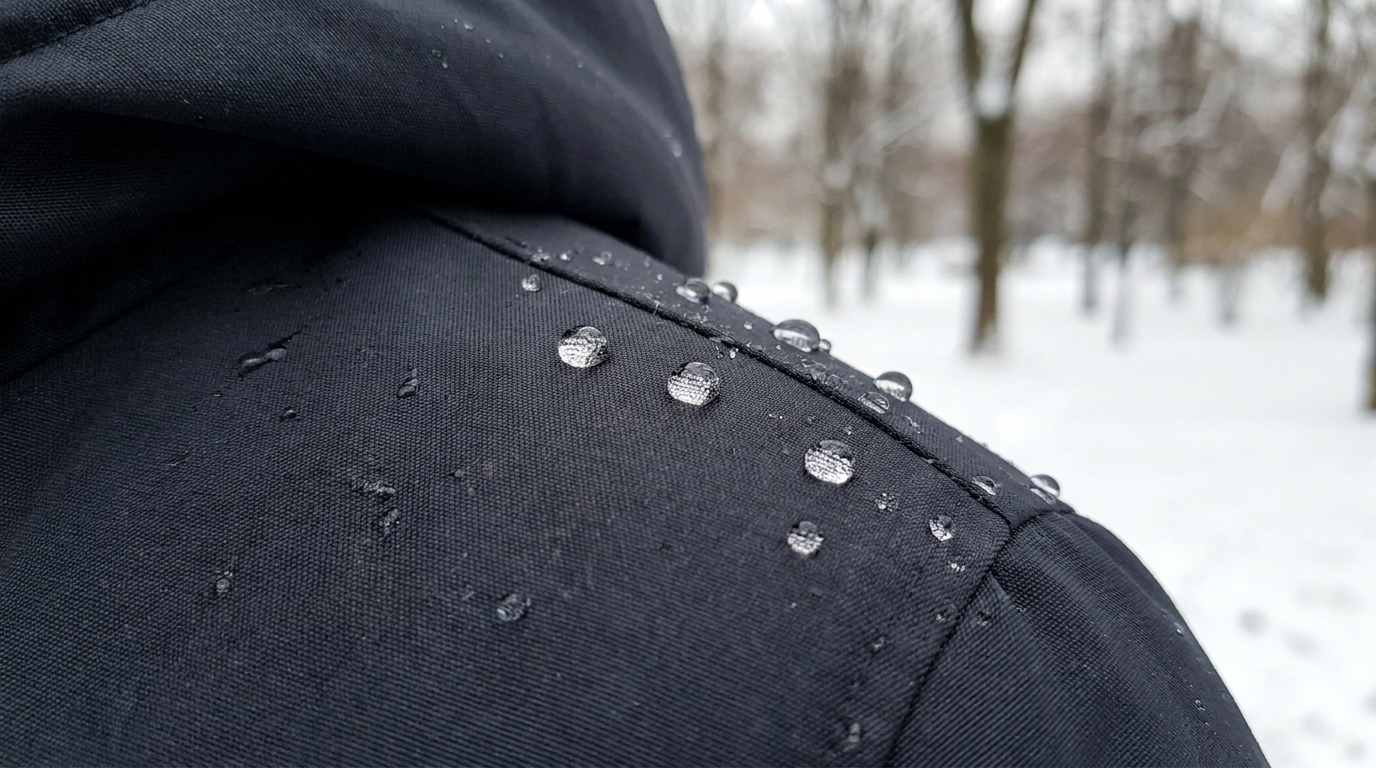
You can choose premium down and engineer perfect box-wall baffles. But none of that matters if freezing wind rips through the fabric. The outer shell serves as your first line of defense. It protects the delicate microclimate you just built inside.
Guarding the Microclimate
As we covered earlier, insulation works by trapping dead air. This creates a thermal barrier. If cold wind penetrates your coat, it aggressively strips that trapped heat away. This ruins the garment’s thermal efficiency.
A windproof exterior prevents this convective heat loss. It locks the warm air tightly against your body. When figuring out what makes a puffer jacket warm, the shell fabric is just as crucial as the fill inside. It acts as a physical shield for your body heat.
Common Shell Fabrics
Manufacturers rely on specific synthetic fabrics to build these protective shields. They need materials that block wind while remaining lightweight. They also must weave the fabric tightly enough to prevent feathers from leaking out through the pores.
- High-Density Nylon: This is the industry standard. It feels incredibly soft and packs down small. It naturally blocks wind very well.
- Polyester: This material is slightly heavier than nylon. It resists UV damage better and often costs less.
- Ripstop Fabrics: You will often see a subtle grid pattern on premium outerwear. Designers weave thicker reinforcement threads into the base material. If a stray branch snags your coat, the grid stops the tear from spreading.
Brands measure shell durability using Denier (D). A 10D or 20D shell feels ultralight but tears easily. A 40D or higher rating provides rugged abrasion resistance for harsh environments.
DWR Coatings and Moisture Defense
Wind is only half the battle. Moisture is the ultimate enemy of winter warmth. As we discussed, natural down clumps into a flat mass when wet. It loses all loft and insulation value immediately.
To prevent this, brands treat the exterior fabric with a Durable Water Repellent (DWR) coating. This invisible chemical finish changes how water interacts with the surface.
When rain or melting snow hits a DWR-treated shell, it does not soak in. Instead, the moisture beads up into tiny spheres and rolls harmlessly off the fabric. This keeps the internal insulation bone dry. By protecting the loft, DWR ensures the garment retains its heat-trapping capabilities even during light storms.
| Fabric Feature | Primary Function | Impact on Warmth |
|---|---|---|
| High-Density Weave | Blocks wind and stops feather leaks | Prevents cold air from stealing trapped body heat |
| Ripstop Grid | Stops tears and fabric damage | Keeps the internal insulation safely contained |
| DWR Coating | Forces water to bead up and roll off | Keeps fill dry to maintain maximum loft |
Essential Design Features That Boost Warmth
A windproof shell and DWR coating protect your internal microclimate perfectly. But you still need to seal this microclimate shut. If cold air sneaks in through the edges, your high-loft insulation cannot save you. What makes a puffer jacket warm goes beyond just the fabric and fill. It includes smart design features built to lock the heat strictly inside.
The Impact of Jacket Length
Your core generates most of your body heat. Exposing your lower half drains this warmth very quickly. Jacket length directly changes your overall body temperature. A waist-length coat offers great mobility. It works perfectly for active sports like skiing. However, it leaves your hips entirely exposed to freezing wind.
Mid-thigh options provide a much better balance for daily winter wear. They cover your waistline completely and block cold updrafts. Full-length parkas deliver absolute maximum heat retention. They wrap your entire torso and upper legs in a thick thermal barrier.
Hoods and Collars for Head Protection
You lose a massive amount of heat through your head and neck. Leaving them exposed ruins your carefully built dead air space. A fully insulated hood acts like a thick winter hat attached directly to your coat. It traps rising body heat before it escapes into the freezing air.
Collars matter just as much. A high collar blocks harsh winds from chilling your bare neck. Many premium designs feature soft fleece-lined collars. This material adds instant comfort against your skin. It also stops icy drafts from sliding down your back.
Sealing the Edges Using Cuffs and Hems
Cold air constantly tries to sneak inside your winter gear. The wrists and waist serve as the most vulnerable entry points. You must seal these gaps tightly. Elastic cuffs grip your wrists automatically. They stop icy wind from blowing up your arms.
Velcro closures offer even better control. You can tighten them securely over thick winter gloves. The bottom hem requires similar protection. An adjustable hem drawstring lets you cinch the waist tight. This simple cord traps your body heat. It prevents warm air from dropping out the bottom.
Blocking Wind at the Zipper
The main front zipper creates a massive weak point. Tiny gaps between the zipper teeth let freezing wind slice right through the shell. Designers fix this problem using storm flaps. A draft tube is an insulated flap running directly behind the zipper. It physically blocks wind from entering.
Some heavy coats also use external storm flaps. These snap shut over the outside of the zipper for double protection. For longer mid-thigh coats, two-way zippers are absolutely essential. They let you unzip the bottom edge slightly. You gain instant mobility for walking or sitting without exposing your chest to the cold.
| Design Feature | Primary Function | Impact on Warmth |
|---|---|---|
| Extended Length | Covers hips and thighs | Prevents lower body heat loss |
| Insulated Hood | Protects head and neck | Traps rising body heat |
| Adjustable Hems | Seals the waistline | Stops updrafts and locks in dead air |
| Draft Tubes | Covers the zipper gaps | Blocks wind from slicing through the front |
Conclusión
A warm puffer jacket relies on insulation, fill power, fill weight, baffles, and shell fabric.
Your perfect coat balances these elements with your local climate and daily activity level.
- Read garment labels to verify the fill power.
- Prioritize water-repellent shells for rainy winter weather.
- Inspect baffle stitching to ensure high construction quality.
Frequently Asked Questions About Puffer Jackets
Is a higher fill power always warmer?
Higher fill power does not always mean more warmth. Fill power simply measures how fluffy the down is. Fill weight tracks the actual amount of down inside. A jacket with 900-fill power might have very little down. This thin jacket could leave you feeling quite cold. Meanwhile, a 600-fill jacket with more down provides better warmth. You need both good loft and enough fill weight.
Can you wear a puffer jacket in the rain?
Regular down loses its fluffiness when it gets wet. Wet down clumps together and stops trapping warm air. If you expect heavy rain, choose synthetic insulation instead. Synthetic fibers retain most of their warmth when wet. You can also look for a water-repellent outer shell. This special coating helps the fabric resist light moisture.
Why is my puffer jacket leaking feathers?
Feathers often poke through the fabric or the seams. This usually happens when the outer shell is thin. Jackets use a denier rating to measure fabric thickness. Lower numbers mean the shell is light and fragile. Sharp feather quills easily slip through these tiny pores. To prevent this issue, pick a thicker outer shell.
How can I fix a flat puffer jacket?
You can easily restore the loft of your jacket. Wash it using a gentle cycle and special soap. Then, put the jacket in your dryer on low heat. Add a few clean tennis balls to the dryer. The tennis balls will bounce around and break clumps. Never store your jacket stuffed tightly in a bag. Long-term compression permanently damages the delicate insulation inside it.
Puffer jackets keep you warm by trapping dead air. The fluffy insulation creates tiny pockets that block cold. Both fill power and fill weight determine overall warmth. Synthetic jackets handle rain better than regular down jackets. A durable shell and good construction prevent cold spots.
- Check the fill weight before buying a new jacket.
- Buy synthetic insulation if you live in rainy climates.
- Store your puffer jacket loosely on a sturdy hanger.
- Wash your coat with tennis balls to restore fluffiness.