Spanish
  English
  French
  German
  Japanese
  Russian
  Portuguese
Have you ever bought a puffer jacket, only to freeze? People often confuse puffers with down jackets.
“Puffer” simply describes the quilted construction. “Down” refers to the warm feather insulation inside.
In this post, you’ll learn the exact difference. We will help you choose the right winter gear.
What is a Puffer Jacket?
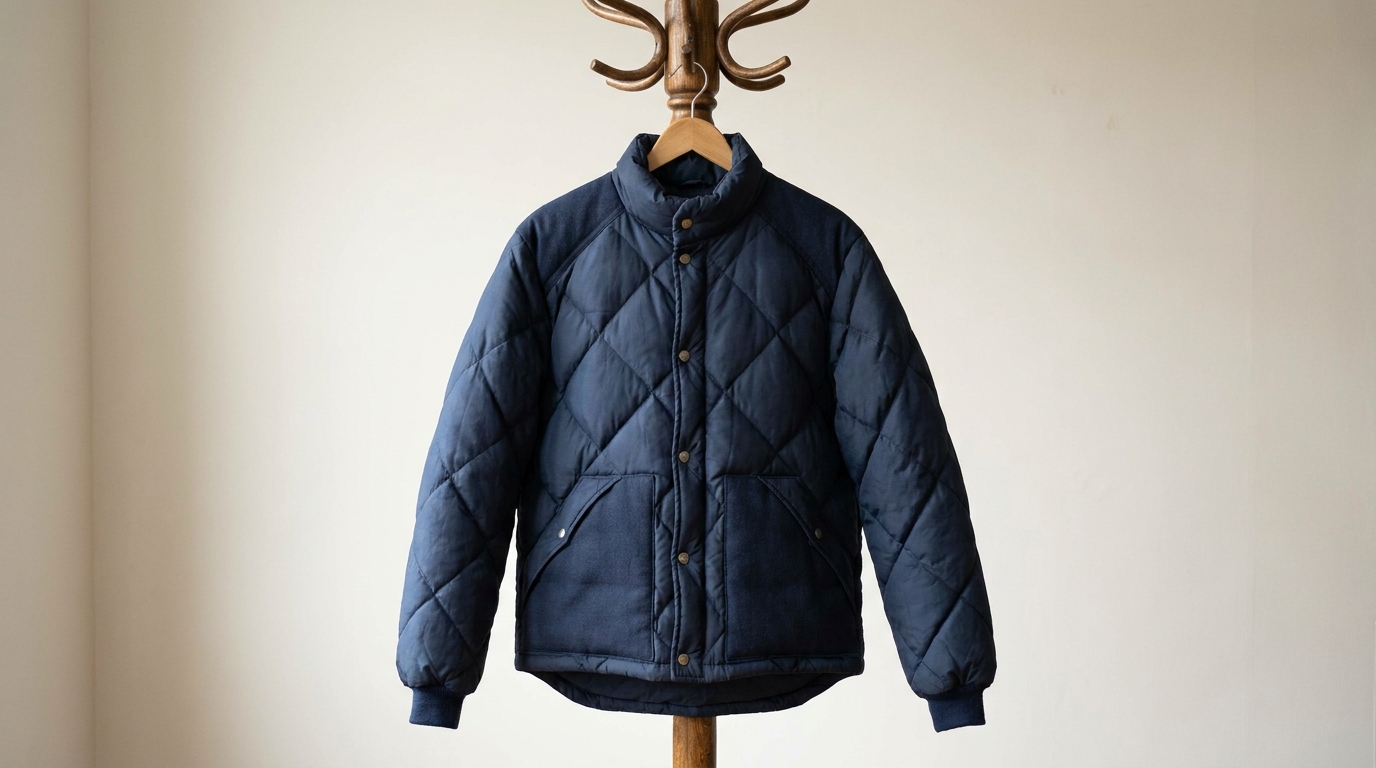
We mentioned earlier how easy it is to confuse these two terms. Let’s break down the puffer jacket first. The word “puffer” does not describe what is inside the coat. Instead, it describes how the garment is built.
A puffer features a specific quilted construction. Manufacturers sew the outer shell to create lofted chambers or stitched panels. These panels are often called baffles. They trap the insulation in small pockets. This sewing method stops the filling from sinking to the bottom hem. It also creates that signature “puff” silhouette. You get a classic rounded, segmented look.
What is Inside a Puffer?
Here is where the biggest confusion happens. A puffer can hold almost any type of insulation. The name comes entirely from the shape and sewing method. It might contain natural goose feathers, making it a down jacket as well. But it could also use synthetic fibers.
Brands typically use one of three fill types inside those quilted panels:
- Natural Feathers: Goose or duck clusters provide maximum warmth.
- Synthetic Fibers: Polyester fiberfill mimics natural clusters and dries quickly.
- Hybrid Blends: They place feathers in the core and synthetic fill in high-moisture areas.
You cannot tell how warm a coat is just by looking at the quilted outside. Always check the internal spec label. This tag tells you exactly what material provides the puff.
What is a Down Jacket?
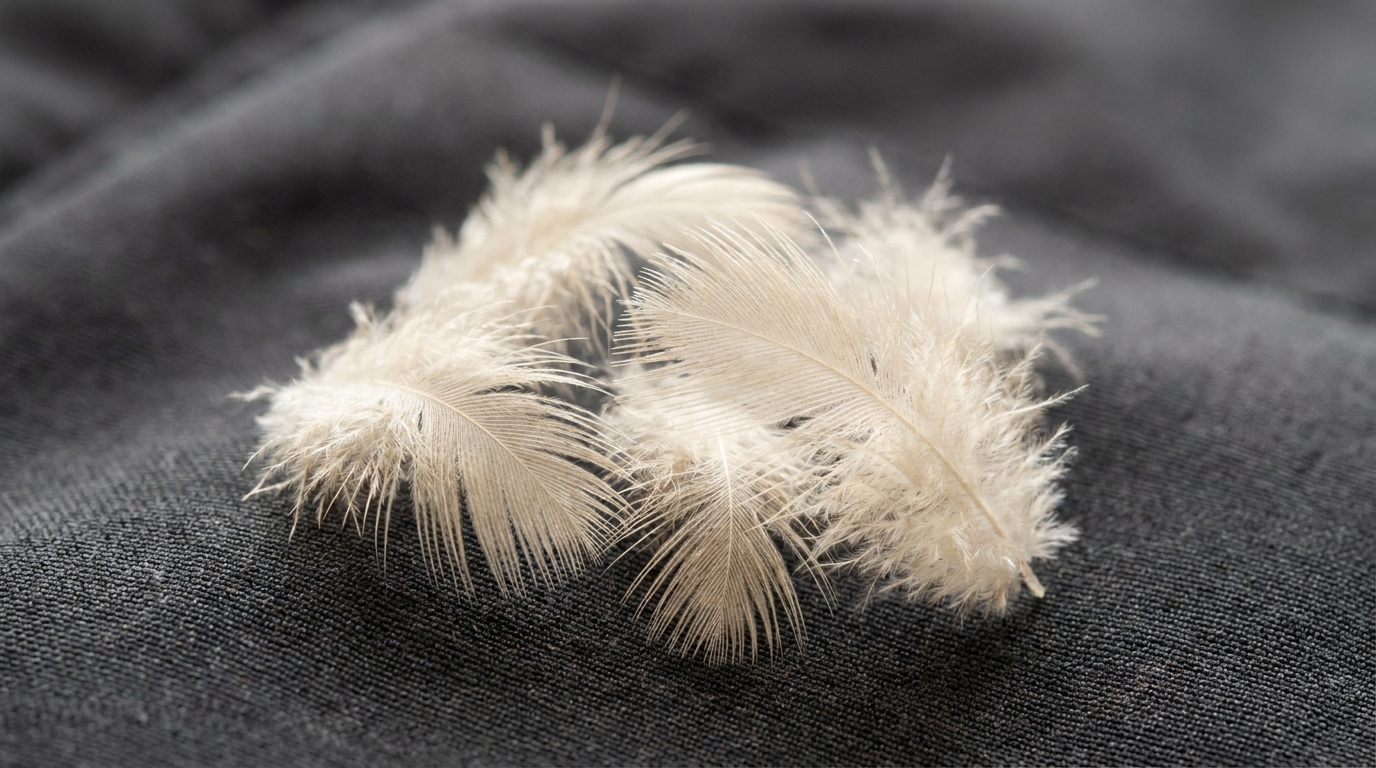
You just checked the internal spec label. It says “goose down.” What exactly does this mean? While a puffer describes the outside shape, a down jacket refers strictly to the interior filling.
This outerwear uses fine, fluffy clusters. You find these clusters beneath the tough outer feathers of ducks or geese. They do not have stiff quills. Instead, they look like tiny natural sponges. These clusters trap your body heat efficiently. They create thousands of microscopic air pockets. This natural design stops cold air from reaching your core.
The Gold Standard of Insulation
Down remains the premium choice for winter gear. It offers an exceptional warmth-to-weight ratio. No synthetic alternative traps more heat per gram. The material feels incredibly lightweight on your shoulders.
It is also highly compressible. You can squeeze a thick winter coat into a tiny packing pouch. The clusters bounce right back to full size when unpacked. Brands measure this quality using fill power. Standard industry tiers include 600, 700, and 800 fill power. Higher numbers indicate better compressibility and warmth.
Breaking the Myth: Are All Down Jackets Puffers?
Many people assume every down coat looks like a marshmallow. This is a common myth. Remember our earlier definition of a puffer? It requires stitched panels. However, a coat can use natural insulation. It does not need those visible baffles.
Manufacturers often place this premium fill inside sleek parkas. You will find it in smooth technical outerwear or heavy workwear. The outside might look completely flat. The inside hides a single continuous chamber of warm feathers. Therefore, a garment can feature down insulation. It does not have to be a puffer.
Understanding the puffer jacket vs down jacket difference comes down to construction versus filling. Here is a quick breakdown to help you spot the variations:
| Jacket Style | Exterior Look | Interior Fill |
|---|---|---|
| Classic Down Puffer | Quilted panels or baffles | Natural goose or duck clusters |
| Synthetic Puffer | Quilted panels or baffles | Polyester fiberfill |
| Smooth Down Parka | Flat, seamless shell | Natural goose or duck clusters |
Puffer Jacket vs Down Jacket: Key Differences Explained
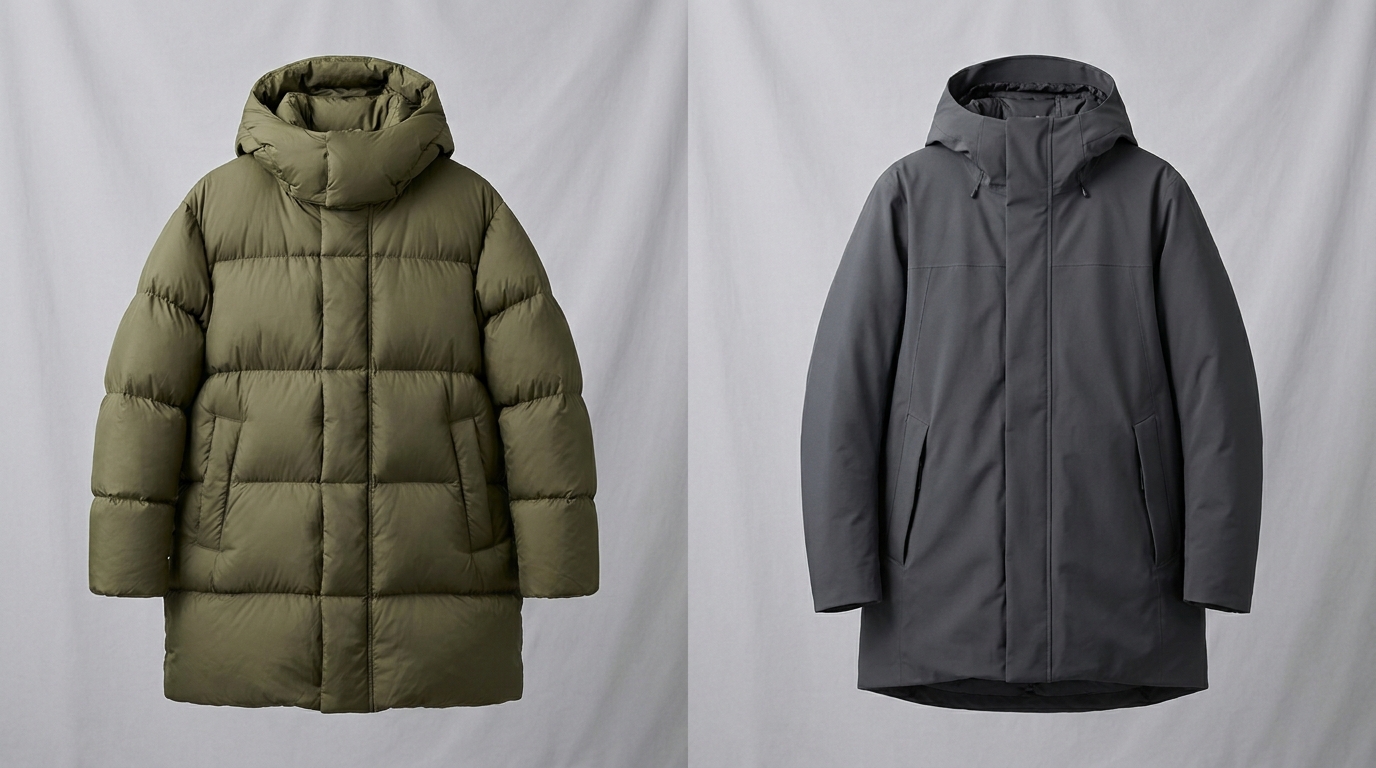
You saw the breakdown of styles in the table above. Now, let’s look closer at the puffer jacket vs down jacket debate. The real difference comes down to two simple words: how and what.
Construction vs. Material
As we covered earlier, a puffer is how the garment is made. It refers entirely to the sewing method. Manufacturers stitch the outer shell into baffled chambers. This traps the warm insulation safely inside.
Down is what the coat is filled with. It refers strictly to the actual natural material. Geese and ducks provide these incredibly warm clusters. You can think of it like baking a pie. The puffer is the crust’s shape. The down is the fruit filling inside. They perform two completely different jobs.
Visual Characteristics
You can easily spot a puffer on the street. It always features those signature quilted lines. The exterior looks bumpy, segmented, and distinctly rounded.
A down jacket does not always look like that. It might have a completely smooth outer shell. Many technical parkas hide the natural insulation behind a flat, weather-resistant layer. You only feel the premium fluffiness when you put the coat on.
The Overlap: Can They Be Both?
Yes, these two categories frequently overlap. A single coat can easily be both things at once. If you buy a quilted coat filled with goose feathers, you own a down-filled puffer.
However, they can also exist completely separately. You might own a synthetic puffer. This coat has the classic quilted look but uses polyester fiberfill. Or, you might own a smooth parka. This coat uses premium natural clusters but lacks the quilted exterior.
| Feature | Chaqueta Puffer | Down Jacket |
|---|---|---|
| Primary Focus | Garment construction and shape | Interior insulation material |
| Visual Identifier | Quilted panels or stitched baffles | Hidden internal specification label |
| Required Material | Any (Natural feathers or Synthetic fibers) | Natural goose or duck clusters |
| Exterior Look | Always segmented and bulky | Can be quilted or completely smooth |
Down vs Synthetic Insulation in Puffer Jackets
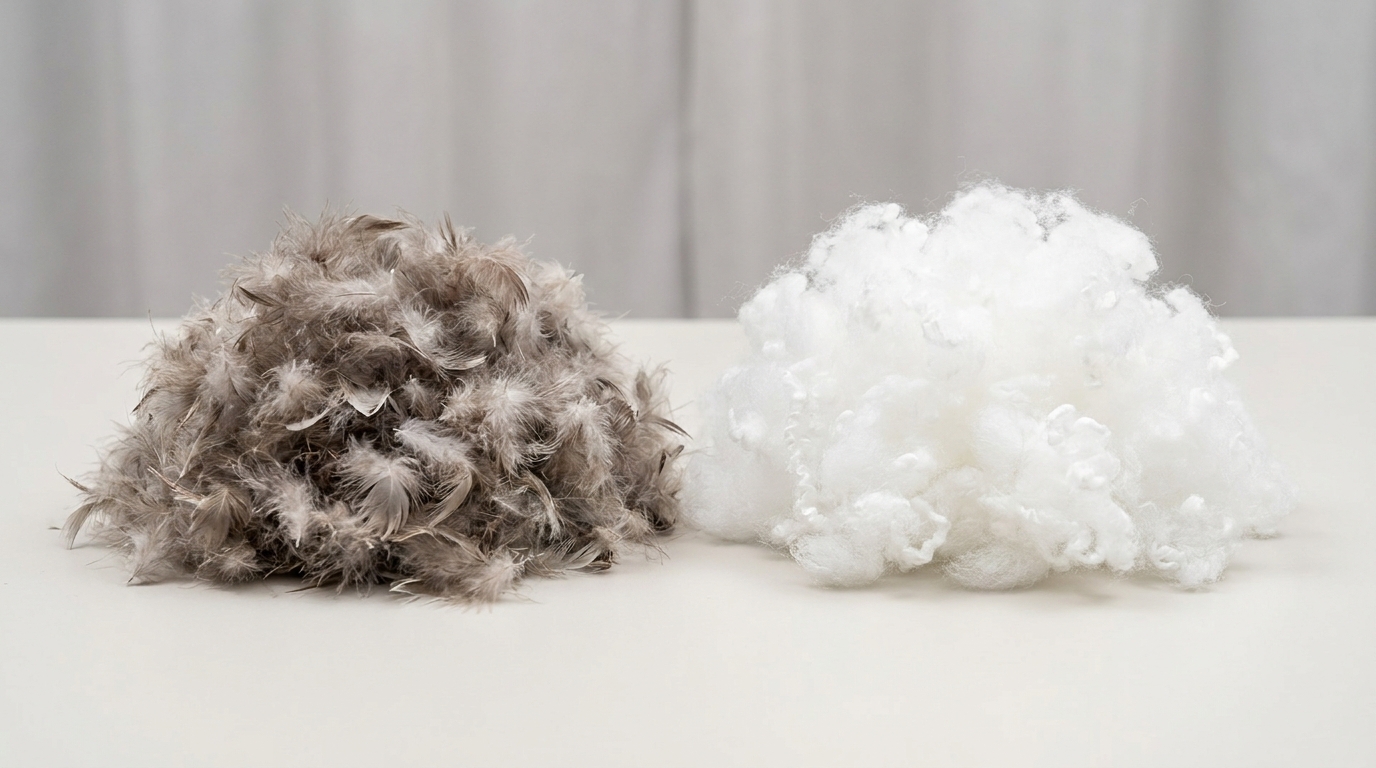
We just established how a coat can be both a puffer and a down jacket. Now, let’s look inside those stitched panels. Manufacturers must choose the right filling when building these garments. They typically decide between natural feathers and synthetic fibers. This choice changes everything about how the outerwear performs.
The Pros and Cons of Down Insulation
Natural goose and duck clusters offer unmatched performance in cold, dry weather. As we covered earlier, this premium material traps heat incredibly well. Brands measure this quality using fill power tiers like 600, 700, and 800. Higher numbers mean better performance.
Pros:
- Unmatched Warmth: It provides the best warmth-to-weight ratio available.
- High Compressibility: You can pack it down into tiny spaces.
- Lightweight Feel: The coat feels incredibly light on your shoulders.
Cons:
- Higher Price Point: Natural clusters cost significantly more to source.
- Poor Wet Performance: The material loses loft immediately when damp. It stops insulating entirely.
- High Maintenance: You must use specialized washing methods to prevent clumping.
The Pros and Cons of Synthetic Insulation
Engineers design synthetic fibers to mimic natural clusters. They usually use polyester fiberfill for this job. Brands often choose this material to solve the exact problems natural feathers create. It serves as the perfect alternative for wet or variable climates.
Pros:
- Wet Weather Warmth: It retains its structure and keeps you warm even when soaked.
- Quick Drying: The polyester fibers dry significantly faster than natural feathers.
- Cost-Effective: This fill generally costs less per unit of warmth.
- Easy Care: You can usually treat it as a simple wash-and-wear garment.
Cons:
- Heavier Weight: It requires more material to achieve the same warmth level.
- Lower Compressibility: The jacket remains bulkier and takes up more packing space.
Here is a quick comparison to help you choose the right filling for your needs:
| Performance Feature | Natural Down | Synthetic Fill |
|---|---|---|
| Warmth-to-Weight Ratio | Excellent | Moderate |
| Wet Weather Performance | Poor (Loses loft instantly) | Excellent (Retains warmth) |
| Compressibility | High | Low to Moderate |
| Care and Maintenance | Requires special washing | Easy machine wash |
| Price Point | Premium / Higher cost | Affordable / Budget-friendly |
Which Jacket Should You Choose?

You just compared the performance features in the table above. Now it is time to make a decision. When answering the ultimate question of puffer jacket vs down jacket: what’s the difference in real-world use, you must look at your daily routine. You need to match the filling and construction to your specific lifestyle.
Match the Coat to Your Climate
Your local weather dictates this choice. Do you live in a freezing, dry environment? A classic down jacket serves you best here. Those natural clusters thrive in crisp, cold air. They trap maximum heat effortlessly.
Coastal climates demand a different approach. If you face freezing rain or wet snow, skip the natural feathers. You want a synthetic puffer instead. As we covered earlier, polyester fibers keep insulating when soaked. They handle unpredictable, wet weather perfectly. Some brands even offer hybrid builds. They place natural feathers in the core and synthetic fill around the shoulders.
Consider Your Activity Level
How you move matters just as much as the weather. Backpackers, hikers, and travelers usually prefer natural down. You can compress these coats into tiny backpack corners. They weigh almost nothing during long treks. Technical climbers rely on them heavily to stay warm while stationary.
Everyday commuters need something different. If you wear your coat for daily chores or heavy workwear, a synthetic puffer makes more sense. You do not need extreme compressibility for a quick car ride. Synthetic options handle daily abuse without worry. They retain their shape well through constant use.
Factor in Budget and Maintenance
Finally, look at the price tag and care label. Natural goose fill requires a larger upfront investment. Premium brands charge more for this material. You also spend more time on maintenance. You must wash them carefully to prevent clumping. Ruining an expensive coat in the laundry is a common fear.
Synthetic alternatives offer fantastic cost efficiency. They fit easily into budget-friendly price points. They also provide a simple wash-and-wear experience. You can toss most synthetic coats straight into your home washing machine. They dry quickly and require very little fuss.
Use this quick checklist to find your perfect match based on your daily needs:
| Your Primary Use Case | Best Jacket Choice | Why It Works |
|---|---|---|
| Freezing, dry winter climates | Down Jacket | Traps maximum body heat without adding weight. |
| Wet, coastal, or variable weather | Synthetic Puffer | Maintains insulation structure even when soaking wet. |
| Backpacking and travel | Down Jacket | Compresses into a fraction of its size for easy packing. |
| Daily commutes and workwear | Synthetic Puffer | Highly durable and easy to wash at home. |
You just learned how to pick the right outerwear for your daily routine. But how do manufacturers make these choices before the coats reach the store? When exploring puffer jacket vs down jacket: what’s the difference behind the scenes, we must look at brand strategy. Companies evaluate several key factors before designing a new winter collection.
How Outdoor Brands Decide Between Puffer and Down Designs
When companies design a new winter line, they look closely at product positioning. Premium and luxury outdoor brands frequently choose natural clusters. They want to tell a premium quality story. As we covered earlier, this material offers an exceptional warmth-to-weight ratio. This premium performance easily justifies a higher retail price.
Mid-market and workwear lines take a different route. They usually utilize synthetic fills. This choice gives them better price flexibility. It also provides the rugged reliability everyday workers demand. A construction worker needs a durable coat. They do not want to worry about ruining expensive goose feathers on the job site.
Matching Target Audience Expectations
Brands must match garment specifications to consumer values. Technical climbing companies know their buyers need extreme packability. They usually build gear using high-tier fill power. This ensures the coat fits into a tight space. Performance outdoor lines focus heavily on these technical metrics.
Other brands target urban consumers or ethical shoppers. Many modern buyers specifically request vegan-friendly materials. A synthetic design serves as the perfect solution here. It delivers the classic bulky silhouette without using animal products. Designers carefully weigh these exact customer expectations during the planning phase.
Balancing Manufacturing Considerations
Building winter outerwear involves a complex balancing act. Designers calculate production costs while maintaining high performance. They juggle several crucial manufacturing variables.
First, they select the shell fabric. A smooth parka needs a tough, weather-resistant outer layer. This protects the hidden natural insulation inside. A highly segmented design might use lighter fabrics for its stitched panels.
Next, they map out the quilting patterns. The size of the lofted chambers matters greatly. Larger baffles require more insulation to prevent cold spots. Smaller chambers keep the filling locked tightly in place.
Finally, they balance fill power against overall production costs. Companies must decide if buyers will pay for premium goose feathers. If not, they might use a 600-fill duck blend. They could also switch entirely to affordable continuous synthetic fibers.
| Brand Strategy Focus | Preferred Design | Primary Reason |
|---|---|---|
| Luxury & Premium Outdoor | Natural Down | Tells a premium quality story and justifies higher retail prices. |
| Technical Climbing | High Fill-Power Down | Delivers maximum packability and extreme warmth-to-weight ratios. |
| Workwear & Mid-Market | Synthetic Puffer | Provides rugged reliability, easy maintenance, and price flexibility. |
| Eco-Conscious & Vegan | Synthetic Puffer | Offers the classic quilted look without using animal products. |
Conclusión
Understanding puffer and down jackets is quite simple.
Puffer simply refers to the quilted outer construction.
Down describes the natural feather insulation hidden inside.
This knowledge helps you make smarter buying decisions.
Take these steps to find your perfect fit:
- Check the specification sheet for fill materials.
- Match the insulation type to your climate.
- Compare jacket weights for your daily activities.
Frequently Asked Questions About Puffer and Down Jackets
Is every puffer jacket filled with down?
No, not every puffer jacket uses down insulation. The word puffer describes the jacket’s quilted exterior. This design features stitched panels that create a puffy look. Inside, these coats can contain either natural down or synthetic polyester fibers. Brands often use synthetic fill to keep costs low. You must read the product label to know the exact filling.
Are down jackets always waterproof?
Natural down jackets are rarely waterproof on their own. Down clusters lose their shape and warmth when they get wet. If you live in a rainy climate, untreated down is a poor choice. However, some brands apply water-resistant coatings to the outer shell. Synthetic insulation is much better for wet weather. It traps heat even when completely soaked.
Why are down jackets more expensive than synthetic puffers?
Goose and duck down are natural materials that cost more to source. They provide an unmatched warmth-to-weight ratio. This means they keep you incredibly warm without feeling heavy. Down is also highly compressible for easy packing. Synthetic materials are cheaper to produce in factories. Therefore, jackets with premium down fill always command a higher retail price.
How can I tell if a jacket has down or synthetic fill?
You cannot tell the fill type just by looking at the outside. Both types can have the exact same quilted puffer silhouette. The only reliable method is checking the internal care label. This tag lists the exact materials used inside the jacket. It will also mention the fill power if it uses natural down. Always read this label before buying.
Which type of jacket is easier to wash at home?
Synthetic puffer jackets are much easier to wash and maintain. You can usually wash and dry them like regular clothing. Down jackets require specialized care to prevent the feathers from clumping. You must use specific detergents and dry them with tennis balls. This slow drying process restores the loft of the down clusters. Synthetic insulation saves you time and effort.
- Check the internal care label on your current winter coat.
- Evaluate your local climate to decide between synthetic or down.
- Compare fill power ratings when shopping for a natural down parka.
- Buy specialized down detergent before washing your jacket at home.
Knowing these jacket differences helps you choose the right winter gear. A puffer refers entirely to the quilted outer design. Meanwhile, down describes the natural feather insulation hidden inside. Down offers superior lightweight warmth for dry, freezing conditions. Synthetic puffers provide affordable, reliable heat in wet weather. Always check the garment label before making your final purchase.