Spanish
  English
  French
  German
  Japanese
  Russian
  Portuguese
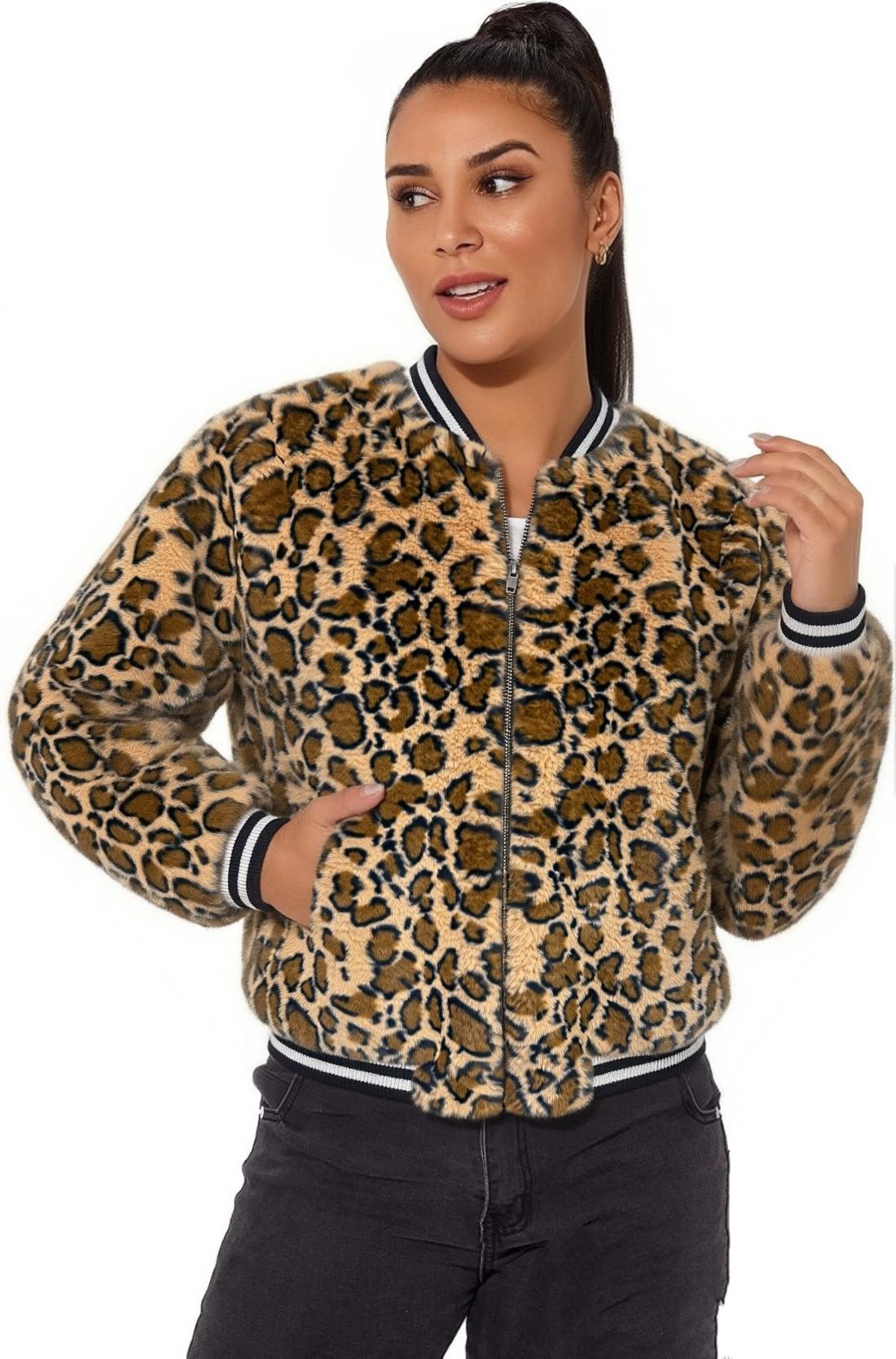
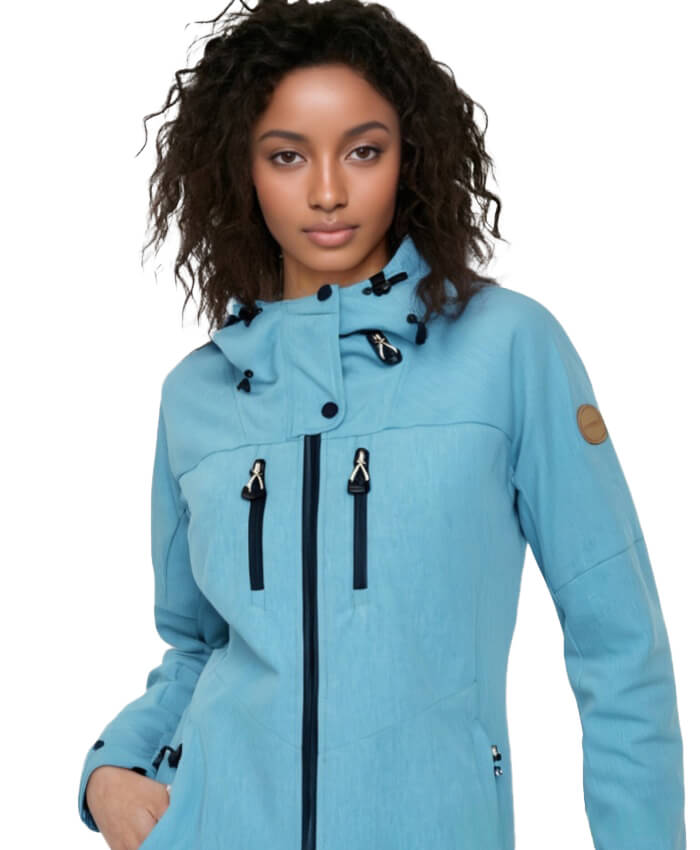
Investing in high-quality outerwear is more than a style choice—it’s a decision that impacts comfort, durability, and value for years to come. A well-made jacket or coat will protect you from the elements, maintain its shape and functionality, and even improve with age, while a cheaply constructed piece will fade, fray, or fail after just one season. But with so many options on the market—each claiming to be “premium” or “high-quality”—how do you separate the best from the rest?
Evaluating outerwear quality isn’t about brand names or price tags; it’s about examining the core components that define performance and longevity. From the fabric and insulation to stitching, hardware, and finishing details, every element plays a role in determining whether a piece is worth your investment. In this guide, we break down the essential factors to evaluate when shopping for outerwear, so you can make informed decisions and choose pieces that stand the test of time—whether you’re buying a winter parka, a lightweight windbreaker, or a timeless leather jacket.
1. Fabric Quality: The Foundation of Durability & Performance
The fabric is the first and most critical factor in evaluating outerwear quality. It dictates everything from weather resistance and breathability to durability and comfort. A high-quality fabric will withstand wear and tear, repel the elements, and feel comfortable against your skin or base layers—while a low-quality one will quickly show signs of damage and fail to protect you properly.
Fabric Type & Composition
Outerwear fabrics fall into two main categories: natural and synthetic, each with unique benefits. The best quality outerwear uses fabrics that align with its intended use:
-
Natural Fabrics: Wool, leather, linen, and cotton are popular for their breathability, comfort, and natural durability. Wool (especially merino or cashmere blends) offers exceptional warmth and moisture-wicking properties, making it ideal for cold-weather coats. Leather (full-grain or top-grain) ages beautifully, develops a unique patina, and provides excellent wind resistance. However, natural fabrics often require more care—wool needs dry cleaning, and leather needs conditioning to maintain its quality.
-
Synthetic Fabrics: Nylon, polyester, and their blends (like Gore-Tex or Primaloft) dominate technical outerwear for their weather resistance and low maintenance. Nylon is lightweight and water-resistant, while polyester is durable and quick-drying. High-performance synthetics, such as 2-layer, 2.5-layer, or 3-layer laminates, combine a waterproof membrane with a face fabric for superior protection against rain and wind. 3-layer fabrics are the most durable, as they bond the face fabric, membrane, and liner into one piece, eliminating the need for a separate lining and reducing bulk.
Key indicators of fabric quality: A high-quality fabric feels substantial (not thin or flimsy), has a tight weave (no loose threads or gaps), and resists wrinkling or creasing when folded. For technical outerwear, check for fabric performance ratings, such as waterproofness (measured in millimeters) and breathability (measured in grams per square meter per 24 hours).
Fabric Treatments & Finishes
Even the best fabric needs proper treatments to perform well. High-quality outerwear features finishes that enhance durability and functionality:
-
DWR Coating: A Durable Water Repellent (DWR) coating repels light rain and snow, preventing the fabric from soaking through and maintaining its breathability. This coating should be evenly applied—test it by sprinkling water on the fabric; water should bead up and roll off, not soak in.
-
Wind-Resistant Treatments: Wind-resistant fabrics have a tight weave or special coating that blocks cold air from penetrating, which is critical for maintaining warmth. For extreme cold, look for fabrics with a low thermal conductivity, as they slow heat transfer more effectively.
-
Anti-Odor & Moisture-Wicking Finishes: Technical outerwear often includes these finishes to keep you dry and comfortable during activity. Fabrics infused with silver ions or other anti-odor treatments fight bacteria, while moisture-wicking fabrics draw sweat away from the skin to prevent dampness and chills.
2. Insulation: Warmth Without Bulk
For cold-weather outerwear, insulation is just as important as fabric. The quality of insulation determines how warm the jacket is, how lightweight it feels, and how well it retains warmth in wet conditions. Not all insulation is created equal—high-quality insulation balances warmth, weight, and breathability, while cheap insulation clumps, loses loft, and fails to keep you warm.
Insulation Type
The two most common types of insulation for outerwear are down and synthetic, each with distinct advantages:
-
Down Insulation: The gold standard for warmth-to-weight ratio, down is made from the soft underfeathers of ducks or geese. High-quality down is measured by fill power (the volume one ounce of down occupies in cubic inches)—600+ fill power is suitable for mild winters, while 800+ fill power is ideal for extreme cold. Look for RDS (Responsible Down Standard) certification to ensure ethical sourcing. Down’s biggest weakness is moisture—it clumps when wet and loses its insulating properties, so it’s best for dry, cold climates.
-
Synthetic Insulation: Materials like Primaloft, Thinsulate, or polyester batting are more practical for wet or humid conditions, as they retain warmth even when damp. Synthetic insulation is also hypoallergenic and easier to care for (machine washable). High-quality synthetic insulation (80g/m² or more) provides excellent warmth without the bulk of down, making it ideal for active lifestyles or rainy winters. Its performance is often measured by RCT (thermal resistance), with higher values indicating better insulation.
Insulation Distribution
Even the best insulation will underperform if it’s poorly distributed. High-quality outerwear uses baffle construction (stitched compartments) to keep insulation evenly spread, preventing cold spots. Tighter baffle patterns (smaller compartments) minimize air movement and keep insulation in place, while larger baffles offer more loft and warmth. Avoid outerwear with loose, unstitched insulation—this will clump over time, reducing warmth and comfort.
3. Stitching & Construction: The Backbone of Longevity
Stitching is a telltale sign of craftsmanship—sloppy, loose stitching means the jacket will fall apart at the seams, while tight, consistent stitching ensures it withstands years of wear. High-quality outerwear prioritizes precision and reinforcement in every stitch, especially in high-stress areas.
Stitch Quality & Consistency
When evaluating stitching, look for these key details:
-
Even Spacing: Stitches should be evenly spaced (8–16 stitches per inch, depending on fabric weight)—more stitches per inch indicate stronger construction. Avoid jackets with skipped stitches, loose threads, or uneven lines, as these are signs of rushed assembly. For example, premium outerwear brands like Arc’teryx maintain 14–16 stitches per inch, well above the industry standard of 8–10.
-
Thread Quality: High-end outerwear uses heavy-duty polyester or nylon thread, which is fade-resistant, stretch-resistant, and far stronger than cotton thread (which breaks down over time). The thread color should match the fabric perfectly for a polished finish, and the thread weight should be compatible with the fabric type.
-
Reinforced Seams: Stress points—shoulders, armholes, pocket edges, and zipper seams—should feature double or triple stitching. This extra layer prevents tearing and ensures the jacket holds its shape through countless wears. For waterproof outerwear, seams should be sealed with tape (fully taped or critically taped) to prevent water from seeping through stitch holes.
Seam Construction
In addition to stitching, the type of seam construction matters. High-quality outerwear uses flat-felled seams (where fabric edges are folded and stitched down) or welded seams (heat-sealed for a smooth, waterproof finish). Flat-felled seams are durable and prevent fraying, while welded seams are lightweight and ideal for technical outerwear, as they create no holes for water to enter. Avoid jackets with raw, unfinished seams—these will fray and weaken over time.
4. Hardware: Small Details, Big Impact
Hardware—zippers, snaps, buttons, buckles, and drawstrings—may seem like minor details, but they can make or break the quality of outerwear. Cheap hardware jams, breaks, or rusts, while high-quality hardware is durable, functional, and complements the jacket’s design.
Zippers
Zippers are one of the most used components of outerwear, so their quality is critical. Look for zippers from reputable brands like YKK, Riri, or Lampo—industry leaders known for smooth operation and durability. High-quality zippers glide effortlessly without catching or sticking, have a sturdy metal pull tab (plastic pulls break easily), and feature a zipper garage at the neck to prevent skin irritation. For waterproof outerwear, zippers should be waterproof (with a rubberized coating or storm flap) to keep water out. The zipper tape should be thick and securely stitched to the fabric.
Snaps, Buttons, & Buckles
Premium hardware is made from solid metal (brass, nickel, or antique steel), not hollow or plastic pieces. Snaps should fasten with a firm, secure click and not pop open under gentle pressure. Buttons should be attached with sturdy shanks or multiple stitches to prevent pulling through the fabric, and their size should be appropriate for the fabric type. Buckles should be welded (not folded) and fixed tightly with reinforced stitching, with no wobble or looseness. Avoid plastic hardware—it breaks easily and looks cheap, detracting from the jacket’s overall quality.
Drawstrings & Elastic
Drawstrings should be made from thick, durable cord (nylon or cotton) and feature metal or plastic toggles that stay in place. Elastic (used in cuffs, waistbands, or hoods) should be pre-shrunk, non-rolling, and retain its stretch over time. Exposed elastic should be dyed to match the fabric, while internal elastic should be white for light fabrics and black for dark fabrics. Avoid elastic that feels flimsy or loses its stretch when pulled—this will compromise the jacket’s fit and functionality.
5. Lining & Finishing Details: The Mark of Craftsmanship
High-quality outerwear doesn’t cut corners on the inside—linings and finishing details are a sign of careful craftsmanship, enhancing comfort, durability, and aesthetics.
Lining Quality
A premium jacket’s lining is smooth, durable, and well-fitted. High-end linings are made from silk, cupro, or soft polyester satin—materials that glide smoothly over clothing, prevent friction, and protect the outer fabric from sweat. The lining should be tightly stitched to the jacket with no loose threads, gaps, or bunching, especially at the armholes and neck. Lined pockets (often fleece-lined for warmth) are an added sign of careful design, as they protect your hands from the cold and prevent items from falling through. For technical outerwear, the lining may be breathable or moisture-wicking to enhance comfort during activity.
Edge Finishing & Details
Raw, frayed edges are a red flag for low quality. High-quality outerwear has finished edges—either bound with matching fabric, burnished to a smooth shine, or painted with flexible, color-matched edge paint. This prevents fraying, cracking, and unraveling, ensuring the jacket looks polished for years. Other finishing details to look for: reinforced pocket edges, cleanly stitched cuffs and hems, and properly aligned patterns (for printed fabrics). Embroidery, if present, should have a reinforced backing to prevent fraying, with minimal leftover backing visible on the inside of the jacket.
6. Fit & Functionality: Quality That Works for You
Even the best-made outerwear is useless if it doesn’t fit well or meet your needs. High-quality outerwear is designed with functionality in mind, with a fit that balances comfort, mobility, and protection.
Fit
A well-fitted jacket should be snug but roomy enough to layer a base layer or sweater underneath. Shoulder seams should align perfectly with the edge of your shoulders; sleeves should hit the base of your wrist with room to move; and the torso should fit without pulling or gaping. Avoid oversized jackets—they allow cold air to circulate inside, reducing warmth. Avoid jackets that are too tight—they restrict movement and make layering impossible. For active outerwear, look for articulated sleeves and ergonomic shaping to enhance mobility.
Functionality
High-quality outerwear is designed for its intended use. For example:
-
Winter Parkas: Should have a hood (preferably fur-lined or adjustable), a drawstring waist to block cold air, and multiple pockets for storage.
-
Windbreakers: Should be lightweight, packable, and wind-resistant, with a storm flap to cover the zipper.
-
Technical Outerwear: Should have venting (underarm zippers or mesh panels) to prevent overheating, adjustable cuffs to keep cold air out, and a hem drawstring for a customized fit.
Functionality also includes ease of care—high-quality outerwear should come with clear care instructions, and most synthetic or blended fabrics should be machine washable (avoid dry-clean-only pieces unless necessary).
Final Thoughts: How to Apply These Factors When Shopping
Evaluating outerwear quality doesn’t have to be complicated—once you know what to look for, you can quickly separate premium pieces from cheap imitations. Start by feeling the fabric (substantial, tight weave), checking the stitching (even, reinforced), testing the hardware (smooth, sturdy), and assessing the fit (comfortable, functional). Don’t be fooled by brand names or price tags—some affordable brands use high-quality materials and craftsmanship, while some luxury brands cut corners.
Remember: High-quality outerwear is an investment. A well-made jacket will last 5–10+ years, while a cheap one will need to be replaced every season. By focusing on the essential factors outlined in this guide, you can choose outerwear that protects you from the elements, looks great, and provides value for years to come.
Whether you’re shopping for a winter coat, a spring windbreaker, or a timeless leather jacket, these factors will help you make an informed decision. After all, the best outerwear isn’t just about style—it’s about quality that stands the test of time.