German
  English
  French
  Japanese
  Russian
  Spanish
  Portuguese

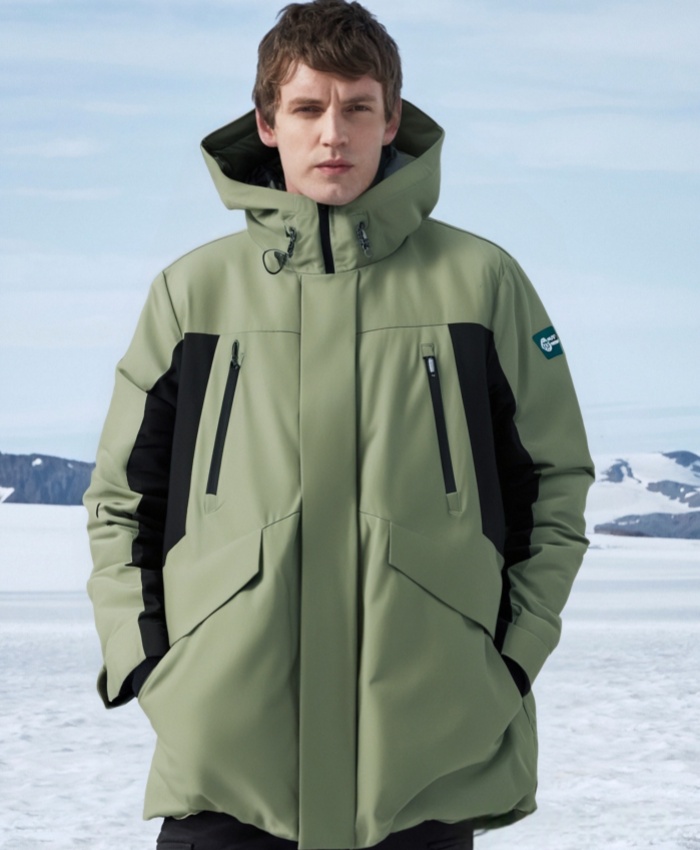
When winter’s icy grip tightens, the quest for reliable warmth becomes paramount. Among the most luxurious and effective cold-weather options, down jackets and fur jackets stand out as top contenders. Both have earned reputations for exceptional insulation, but they achieve their warming effects through different means and excel in varying conditions. In this blog post, we’ll explore the science behind each, compare their warmth-retaining properties, and help you determine which might be the better choice for your winter needs.
Understanding Insulation: How Warmth Works
Before diving into specific jacket types, it’s essential to understand how insulation works. The key principle is trapping air close to the body—air acts as a natural insulator, slowing heat transfer from your body to the colder environment. The effectiveness of any insulating material depends on its ability to create and maintain these air pockets while minimizing heat loss through conduction, convection, or radiation.
Both down and fur excel at this fundamental function but through different structural approaches. Down creates tiny, uniform air pockets through its fluffy nature, while fur uses a combination of dense underfur and longer guard hairs to trap air and repel elements.
What is Down? The Science Behind Down Jackets
Down refers to the soft, fluffy clusters found beneath the feathers of ducks and geese. These clusters have a unique three-dimensional structure with thousands of tiny filaments that interlock to create millions of micro air pockets—nature’s perfect insulation system.
How Down Jackets Provide Warmth
-
Fill Power: The quality of down is measured by fill power, which ranges from 300 to 900+. This number represents how many cubic inches one ounce of down occupies. Higher fill power means larger, more resilient clusters that trap more air and provide better insulation relative to their weight.
-
Loft: The ability of down clusters to expand (loft) directly correlates with warmth. A well-lofted down jacket creates an effective barrier against cold air while retaining body heat.
-
Construction: Down jackets use baffles—stitched compartments that prevent down from clumping or shifting. This ensures consistent insulation across the entire garment.
-
Weight-to-Warmth Ratio: Down offers exceptional warmth without excessive weight, making down jackets popular for activities where mobility matters.
Environmental Performance of Down Jackets
Down performs best in dry, cold conditions. Its insulation properties diminish when wet, as moisture collapses the air pockets. However, modern down jackets often feature water-resistant treatments (like DownTek) and waterproof outer shells to mitigate this issue, allowing them to maintain warmth even in light precipitation.
What is Fur? The Science Behind Fur Jackets
Fur is a natural insulator that has protected animals (and humans) from cold for millennia. Genuine fur jackets use animal pelts consisting of two layers: dense, soft underfur and longer, coarser guard hairs.
How Fur Jackets Provide Warmth
-
Dual-Layer System: The thick underfur creates a dense layer of trapped air close to the body, while the longer guard hairs repel wind, snow, and moisture, protecting the insulating underlayer.
-
Natural Breathability: Fur regulates temperature by allowing excess heat and moisture to escape while retaining sufficient warmth—a quality known as “breathability” that prevents overheating during activity.
-
Wind Resistance: The outer guard hairs create a barrier that significantly reduces wind chill, a critical factor in perceived cold.
-
Moisture Management: Quality fur repels water naturally, with guard hairs wicking moisture away from the underfur to maintain insulation even in damp conditions.
Types of Fur and Their Warmth
Not all furs offer equal warmth. Arctic and cold-climate furs like fox, coyote, beaver, and mink are particularly prized for their insulation properties, with thicker underfur adapted to extreme temperatures. Lighter furs like rabbit, while warm for their weight, provide less protection in severe cold.
Direct Comparison: Down vs. Fur Jackets
When evaluating which provides more warmth, several factors come into play:
Warmth-to-Weight Ratio
Down jackets have a clear advantage here. A high-fill-power down jacket can provide exceptional warmth at a fraction of the weight of a fur jacket. This makes down ideal for activities where mobility and reduced bulk are important, such as hiking, skiing, or urban commuting where heavy layers might be cumbersome.
Fur jackets, while incredibly warm, tend to be heavier due to the nature of the material. This added weight can be a drawback for active use but contributes to their luxurious drape and presence.
Performance in Wet Conditions
Traditional down loses much of its insulating ability when wet, though modern treatments have improved water resistance. Fur, on the other hand, naturally repels moisture better than untreated down. The guard hairs shed light rain and snow, while the underfur remains dry and insulating. In consistently damp environments, fur often maintains warmth better than untreated down.
However, advanced down jackets with waterproof shells and treated down can now rival fur’s performance in wet conditions, closing this historical gap.
Wind Resistance
Fur jackets typically excel in windy conditions. The dense outer layer of guard hairs creates a natural windbreak that reduces heat loss caused by wind chill. Down jackets rely on their outer shell fabric for wind resistance—high-quality shells with tight weaves or windproof coatings can match fur’s wind resistance, but lower-quality down jackets may allow wind penetration that reduces effectiveness.
Temperature Range
In extremely cold, dry conditions (below -20°C/-4°F), both high-quality down and heavy fur jackets provide excellent protection. However, fur’s natural wind resistance gives it a slight edge in windy, sub-zero environments. For most winter conditions (-10°C to 5°C/14°F to 41°F), both options offer more than sufficient warmth, with the choice often coming down to style and activity.
Compressibility and Versatility
Down jackets are highly compressible, making them easy to pack for travel or store when not in use. Fur jackets, being stiffer and less malleable, require more storage space and careful handling to maintain their shape and quality. This makes down a more versatile choice for those with limited storage or who need a jacket that can adapt to varying conditions.
Ethical and Environmental Considerations
Modern consumers must also weigh ethical and environmental factors when choosing between down and fur:
-
Fur Ethics: The fur industry faces significant ethical concerns regarding animal welfare. While some brands use ethically sourced fur from regulated farms or sustainable trapping practices, many consumers opt for faux fur as a cruelty-free alternative (though faux fur typically doesn’t match genuine fur’s warmth).
-
Down Sourcing: Down can also raise ethical issues, particularly regarding live-plucking. Look for jackets certified by the Responsible Down Standard (RDS), which ensures down comes from birds treated humanely.
-
Nachhaltigkeit: Both natural materials have environmental impacts. Fur is a natural, biodegradable product, while down jackets often use synthetic outer shells. However, high-quality down and fur jackets can last for decades with proper care, potentially offsetting their initial environmental footprint through longevity.
Choosing the Right Jacket for Your Needs
The “warmer” option ultimately depends on your specific circumstances:
Choose a Down Jacket If:
- You prioritize lightweight warmth and mobility
- You need a packable option for travel or layering
- You’ll primarily use it in dry to moderately wet conditions
- You prefer a more minimalist, sporty, or versatile style
- You need warmth for active pursuits like hiking or skiing
Choose a Fur Jacket If:
- You face extremely cold, windy conditions regularly
- You value a luxurious, timeless aesthetic
- You need better natural water resistance without relying on synthetic coatings
- You prioritize a jacket that makes a bold style statement
- You’re looking for heirloom-quality outerwear that can last generations with proper care
Schlussfolgerung
Both down jackets and fur jackets offer exceptional warmth, but they achieve it through different mechanisms and excel in varying conditions. Down provides superior warmth-to-weight ratio and versatility, making it ideal for active use and most winter climates. Fur offers natural wind resistance and moisture management that gives it an edge in extreme, windy cold and damp conditions, along with a luxurious aesthetic that many find appealing.
The “warmer” choice depends on your environment, activities, and personal preferences. For dry, cold climates and active lifestyles, a high-fill-power down jacket is hard to beat. For windy, extremely cold conditions where style matters as much as function, a quality fur jacket delivers exceptional warmth with timeless elegance.
Ultimately, both are excellent investments in winter comfort, with the best choice being the one that aligns with your specific needs, ethical considerations, and personal style. Whichever you choose, proper care will ensure your jacket provides reliable warmth for many winters to come.