English
  French
  German
  Japanese
  Russian
  Spanish
  Portuguese
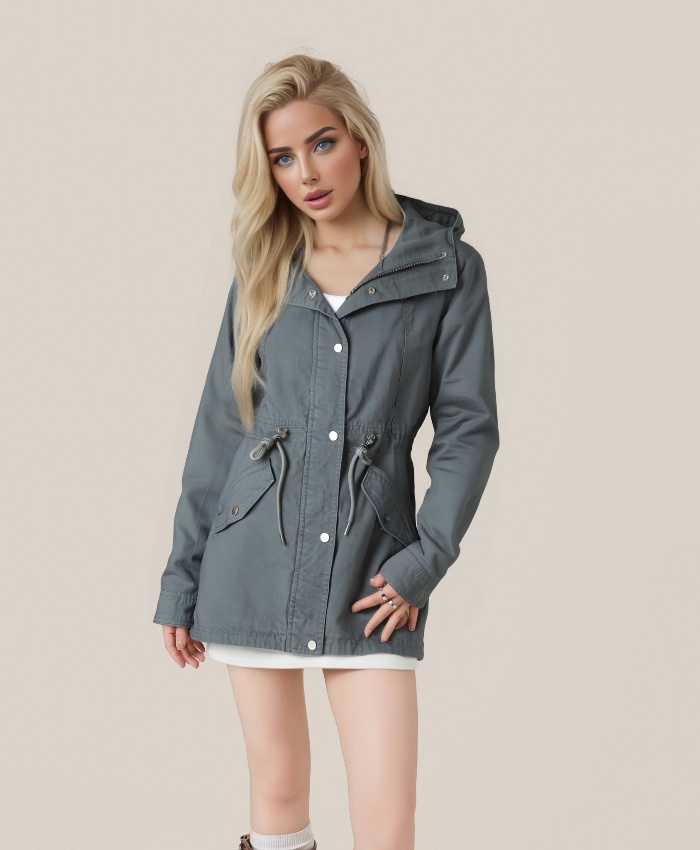
A leather jacket is more than just a piece of outerwear—it’s a timeless symbol of style, rebellion, and durability that transcends borders and cultures. But while this iconic garment has a global fan base, demand for leather jackets varies dramatically by country, shaped by climate, fashion culture, consumer purchasing power, and lifestyle. So, which country is a leather jacket in high demand? The answer isn’t a single nation, but a handful of key markets that lead the world in leather jacket consumption, each with unique drivers fueling their appetite for this wardrobe staple.
In this blog, we’ll dive into the top countries (and regions) where leather jackets are in high demand, exploring what makes each market unique, the trends shaping consumer behavior, and the opportunities they present for brands and shoppers alike. Backed by latest market data and industry insights, we’ll break down why these countries stand out as global hotspots for leather jacket demand—and what this means for anyone looking to invest in or sell this classic piece.
The Global Leather Jacket Market: An Overview
Before focusing on specific countries, it’s important to understand the broader global landscape. The global leather jacket market is valued at approximately $37.23 billion in 2025, projected to grow to $46.28 billion by 2030 with a steady 4.45% CAGR. This growth is driven by strong demand for premium outerwear, the versatile appeal of leather jackets as both functional and fashionable attire, and rising interest in sustainable and vegan alternatives.
Geographically, the market is dominated by three key regions: North America, Europe, and Asia-Pacific. North America leads with 32.46% of global market share in 2024, followed by Europe with 28%, and Asia-Pacific with 26%—though Asia-Pacific is the fastest-growing region, set to register a 9.60% CAGR through 2030. Within these regions, specific countries stand out as high-demand markets, each with distinct characteristics that drive their love for leather jackets.
Top Countries with High Demand for Leather Jackets
While demand exists worldwide, the following countries are the primary drivers of global leather jacket consumption, combining large consumer bases, strong fashion cultures, and favorable market conditions.
1. United States: The Largest Global Market for Leather Jackets
The United States is the undisputed leader in leather jacket demand, accounting for 32.46% of the global market share in 2024 and selling approximately 41.3 billion units of leather clothing (with leather jackets making up over 45% of this volume). Several factors contribute to the U.S.’s position as the top market:
-
Fashion Culture & Lifestyle: Leather jackets are deeply ingrained in American culture, from the rebellious moto styles popularized by Hollywood icons like Marlon Brando to the casual, versatile designs favored by everyday consumers. The U.S. fashion scene values individuality and versatility, and leather jackets fit perfectly—transitioning seamlessly from streetwear to casual office attire, and from fall layering to winter warmth. Celebrities and influencers further fuel demand, with stars like安吉丽娜·朱莉 (Angelina Jolie) and Brad Pitt often spotted in leather jackets, setting trends for the masses.
-
Climate & Practicality: The U.S. has diverse climates, with cool winters in most regions (particularly the Northeast, Midwest, and West Coast) creating year-round demand for leather jackets. Lightweight leather bombers are popular in spring and fall, while thicker cowhide moto jackets are essential for cold winters. This versatility ensures consistent demand across seasons.
-
Purchasing Power & Market Diversity: The U.S. has a large middle class with strong disposable income, supporting both mass-market and premium leather jacket sales. Consumers range from budget shoppers opting for synthetic/vegan leather jackets to luxury buyers investing in full-grain leather pieces from brands like Schott NYC, Coach, and Levi’s. Online sales dominate, with 62% of leather clothing sales occurring through e-commerce platforms, and 181 verified U.S. buyers importing leather jackets from Turkey alone between July 2024 and June 2025.
Key trend: The U.S. market is seeing a rise in demand for sustainable and vegan leather jackets, with 41% of consumers preferring sustainable leather options and vegan materials growing at a 9.20% CAGR through 2030. Additionally, custom-fit and designer leather jackets are gaining popularity, particularly among younger consumers.
2. United Kingdom: Europe’s Leather Jacket Hotspot
The United Kingdom is Europe’s leading market for leather jackets, driven by a rich fashion heritage, unpredictable weather, and a love for edgy, timeless style. As part of the European region (which holds 28% of global market share), the UK stands out for its high per capita leather jacket consumption and fashion-forward consumer base.
-
Edgy Fashion Culture: The UK has a long history of embracing counterculture fashion, from punk to mod, and leather jackets have been a staple of these movements for decades. Today, British consumers blend classic and modern styles—opting for sleek leather blazers for work, moto jackets for weekends, and oversized leather coats for winter. Brands like AllSaints (founded in London) have built global reputations by catering to the UK’s love for high-quality, stylish leather jackets.
-
Climate-Driven Demand: The UK’s cool, rainy climate makes leather jackets a practical choice year-round. Waterproof and wind-resistant leather jackets are particularly popular, as they offer warmth and protection without the bulk of a heavy parka. Lightweight leather jackets are worn as layering pieces in spring and fall, while lined styles are essential for winter.
-
Premium Market Focus: UK consumers prioritize quality over quantity, with a strong demand for premium and luxury leather jackets. Full-grain and top-grain leather options are favored, and brands like Burberry and Alexander McQueen have capitalized on this by offering high-end leather jackets with unique designs. The premium segment in the UK is growing at a 7.10% CAGR, outpacing the mass market.
Key trend: Vintage leather jackets are booming in the UK, with consumers seeking pre-loved pieces that offer unique patina and sustainability. Thrift stores and online vintage marketplaces have seen a surge in leather jacket sales, reflecting a growing focus on circular fashion.
3. China: The Fastest-Growing Market in Asia-Pacific
China is the largest market for leather jackets in Asia-Pacific (the fastest-growing global region) and the second-largest consumer market worldwide, with a 22.3% share of the global真皮皮衣 (genuine leather jacket) market. Demand in China has exploded in recent years, driven by rising disposable income, Western fashion influences, and a growing middle class.
-
Rising Affluence & Aspirational Shopping: China’s growing middle class (projected to reach 800 million by 2030) has increased spending on premium fashion, including leather jackets. Consumers view leather jackets as a status symbol, representing quality and international style. Luxury brands like Gucci, Prada, and Saint Laurent have seen strong growth in China, with their leather jackets becoming popular among wealthy consumers and influencers.
-
Western Fashion Influence: Young Chinese consumers (Gen Z and millennials) are heavily influenced by Western fashion trends, thanks to social media (TikTok, Instagram) and celebrity culture. Leather jackets, particularly moto and bomber styles, have become a staple in streetwear and casual fashion, with brands adapting designs to suit Chinese tastes (e.g., slimmer fits, lighter colors).
-
Market Growth & Local Production: China’s leather jacket market is growing at a 12.3% CAGR,高于 (higher than) the global average, with domestic brands like Bosideng and Hongdou expanding rapidly through性价比 (cost-performance) strategies. The country is also a major producer of leather jackets, with 8.9 billion USD in exports in 2023, primarily to the U.S. and EU. This local production has made leather jackets more accessible to Chinese consumers, driving demand further.
Key trend: Vegan leather jackets are gaining traction in China, particularly among younger consumers who prioritize sustainability. Brands like Stella McCartney and local Chinese labels are launching vegan leather lines to cater to this growing demand, with synthetic materials growing at a faster rate than genuine leather in the market.
4. Italy: The Luxury Leather Jacket Capital
Italy is synonymous with high-quality leather goods, and it’s no surprise that it’s a top market for luxury leather jackets. While Italy’s market size is smaller than the U.S. or China, it leads in premium and luxury leather jacket demand, with a focus on craftsmanship and timeless design.
-
Craftsmanship Heritage: Italy has a centuries-old tradition of leatherworking, with regions like Tuscany and Lombardy known for producing the finest full-grain leather. Italian leather jackets are prized for their attention to detail, superior stitching, and high-quality materials—making them a favorite among luxury consumers worldwide. Brands like Armani, Gucci, and Prada originate from Italy, and their leather jackets are considered investment pieces.
-
Luxury Consumer Base: Italian consumers have a strong appreciation for luxury fashion, with a high willingness to pay for premium leather jackets. The country’s fashion capital, Milan, is a global hub for leather jacket trends, with designers showcasing innovative styles each season. Italian consumers prefer classic, timeless designs that last for decades, rather than fast-fashion pieces.
-
Export-Driven Demand: Italy is a major exporter of leather jackets, with its luxury pieces in high demand across Europe, North America, and Asia. However, domestic demand remains strong, with Italian consumers valuing locally made, artisanal leather jackets. The country’s luxury leather jacket segment is growing at a steady rate, supported by both domestic and international demand.
Key trend: Sustainable and ethical leather is a growing focus in Italy, with brands adopting eco-friendly tanning processes and traceable sourcing. Consumers are increasingly seeking leather jackets made from responsibly sourced hides, aligning with global sustainability trends.
5. India: The Emerging Giant in Asia-Pacific
India is another fast-growing market for leather jackets in Asia-Pacific, with a 7.982% CAGR—one of the highest in the world. Demand is driven by a young population, rising disposable income, and a growing fashion consciousness.
-
Young Demographic: India has a large youth population (over 60% of the population is under 35), which is fashion-forward and eager to adopt global trends. Leather jackets, particularly affordable moto and bomber styles, are popular among young Indians, who wear them as a symbol of style and rebellion.
-
Growing Affluence: India’s middle class is expanding rapidly, with rising disposable income enabling more consumers to purchase leather jackets. While mass-market synthetic leather jackets are popular, there’s also a growing demand for premium genuine leather options from both international and domestic brands.
-
Weather & Lifestyle: India’s northern regions (e.g., Delhi, Punjab) have cool winters, creating demand for leather jackets as winter outerwear. Additionally, the country’s growing urbanization has led to a shift toward Western-style casual fashion, with leather jackets becoming a staple in urban wardrobes.
Key trend: Online shopping is driving growth in India’s leather jacket market, with e-commerce platforms accounting for a growing share of sales. Brands are leveraging social media to market leather jackets to young consumers, with influencer collaborations and targeted ads boosting demand.
Other Markets to Watch
While the above countries lead in leather jacket demand, several other markets are emerging as significant consumers:
-
Canada: Similar to the U.S., Canada’s cold climate drives strong demand for leather jackets, particularly thick, insulated styles. The market is growing steadily, with a focus on practicality and quality.
-
Germany: A key European market, Germany has a strong demand for premium leather jackets, with consumers prioritizing durability and sustainability. Brands like Hugo Boss are popular among German shoppers.
-
Australia: While Australia’s climate is warm, leather jackets are popular as layering pieces in cooler regions (e.g., Melbourne, Sydney in winter) and as fashion statements year-round. Lightweight leather bombers and blazers are particularly in demand.
-
Middle East: The Middle East has a growing demand for luxury leather jackets, with consumers favoring high-end brands and bold designs. Dubai, in particular, is a hub for luxury fashion, with leather jackets being a popular choice for both men and women.
What Drives High Demand for Leather Jackets Across These Countries?
While each country has unique factors driving demand, several common themes emerge across all high-demand markets:
-
Timeless Versatility: Leather jackets are versatile, transitioning from casual to semi-formal wear and across seasons—making them a valuable addition to any wardrobe. This versatility ensures consistent demand, regardless of fashion trends.
-
Durability & Investment Value: High-quality leather jackets last for decades, developing a unique patina over time. Consumers view them as investment pieces, rather than disposable fashion—justifying higher price points and driving demand for premium options.
-
Fashion & Cultural Significance: Leather jackets are associated with rebellion, individuality, and style across cultures. From Hollywood icons to streetwear influencers, they remain a symbol of self-expression, fueling demand among consumers of all ages.
-
Sustainability & Ethics: The growing focus on sustainability is driving demand for eco-friendly leather jackets, including vegan leather and responsibly sourced genuine leather. Consumers in high-demand markets are increasingly prioritizing brands that align with their ethical values.
Conclusion: The Global Appeal of Leather Jackets
So, which country is a leather jacket in high demand? The answer is clear: the United States leads as the largest market, followed by the United Kingdom, China, Italy, and India as key growth drivers. Each of these countries offers a unique market dynamic, shaped by fashion culture, climate, purchasing power, and consumer preferences.
What unites these markets is a shared love for the leather jacket’s timeless appeal—its durability, versatility, and ability to make a style statement. As the global market grows (projected to reach $46.28 billion by 2030), demand for leather jackets will continue to rise, particularly in emerging markets like China and India, and in segments focused on sustainability and premium quality.
For brands, these high-demand countries present significant opportunities to tap into diverse consumer bases—whether catering to the U.S.’s love for versatile styles, China’s growing luxury market, or Italy’s appreciation for craftsmanship. For shoppers, understanding these markets can help you find the perfect leather jacket, whether you’re investing in a premium Italian piece or a budget-friendly option from a fast-growing Asian brand.
At the end of the day, the leather jacket’s global demand is a testament to its enduring appeal. It’s a garment that transcends borders, cultures, and trends—proving that some pieces truly are timeless. Whether you’re in New York, London, Beijing, or Milan, a well-made leather jacket is more than just outerwear—it’s a statement of style that lasts a lifetime.