Russian
 English
 French
 German
 Japanese
 Spanish
 Portuguese

Common Lightweight Jacket Fabric Types
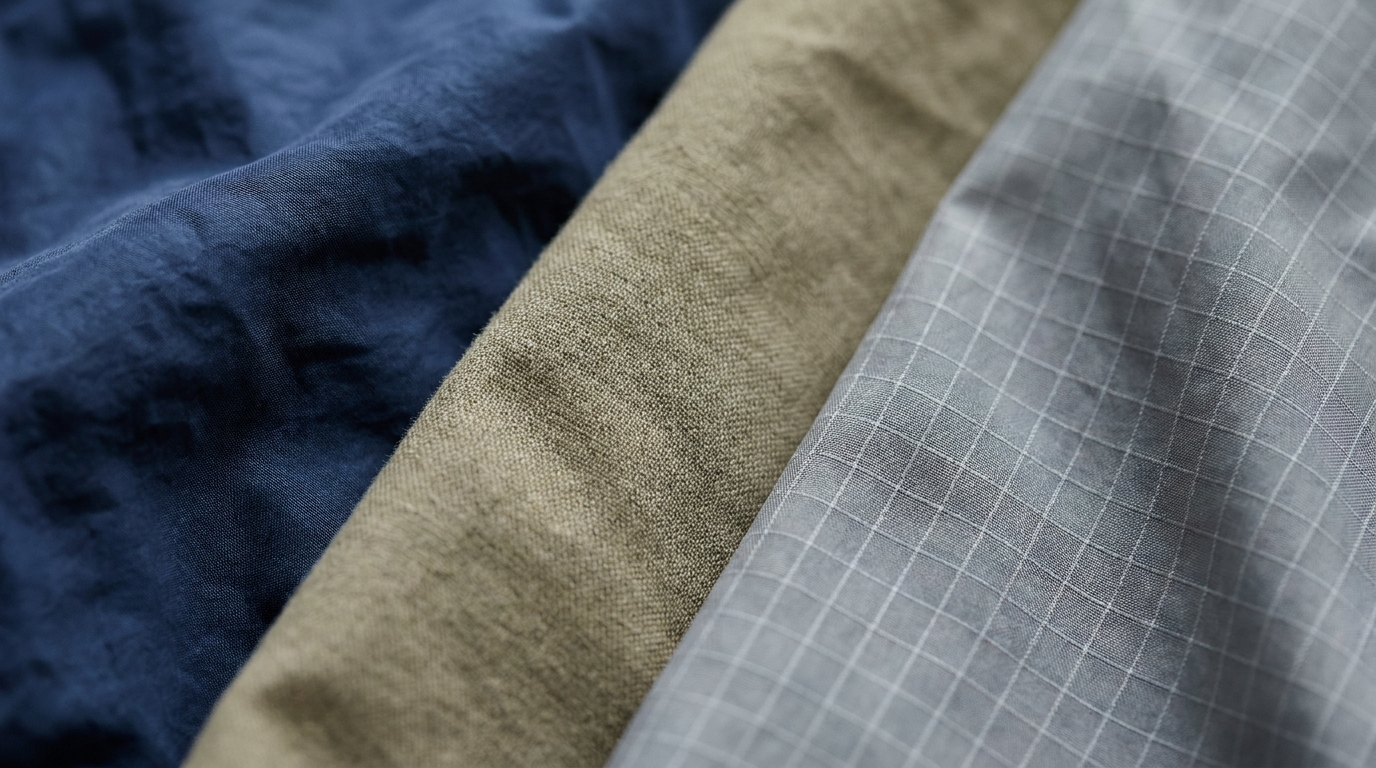
Manufacturers rely on several core materials to build effective outerwear. Each fabric offers distinct advantages for specific weather conditions and daily activities.
Polyester
Polyester is a highly popular choice for lightweight jacket fabric. This synthetic material absorbs very little water, so it dries incredibly fast. Polyester also resists UV damage well, making it ideal for sunny but cool days. Furthermore, the material remains highly affordable and is frequently used in athletic jackets and everyday casual wear.
Nylon
Nylon stands out due to its exceptional strength-to-weight ratio, creating exceptionally light garments that resist daily abrasion. This fabric blocks wind effectively and features a smooth, sleek texture. Many windbreakers and packable jackets rely heavily on nylon. While it repels light moisture, untreated nylon is not completely waterproof.
Cotton and Cotton Blends
Natural cotton provides unmatched softness and comfort, breathing exceptionally well in mild, dry weather. However, pure cotton has clear limitations because it absorbs moisture quickly and dries very slowly. Wearing a wet cotton jacket can make you feel colder. To fix this, manufacturers often create cotton blends by mixing cotton with polyester to improve durability and help the jacket dry faster.
Ripstop Fabrics
Ripstop refers to a specific weaving technique rather than a base fiber. Manufacturers weave thicker reinforcement threads into the main fabric at regular intervals, creating a subtle grid pattern across the garment. Usually made from nylon or polyester, ripstop stops small tears from spreading. This durability makes ripstop jackets perfect for hiking, camping, and rugged outdoor use.
Advanced and Technical Materials
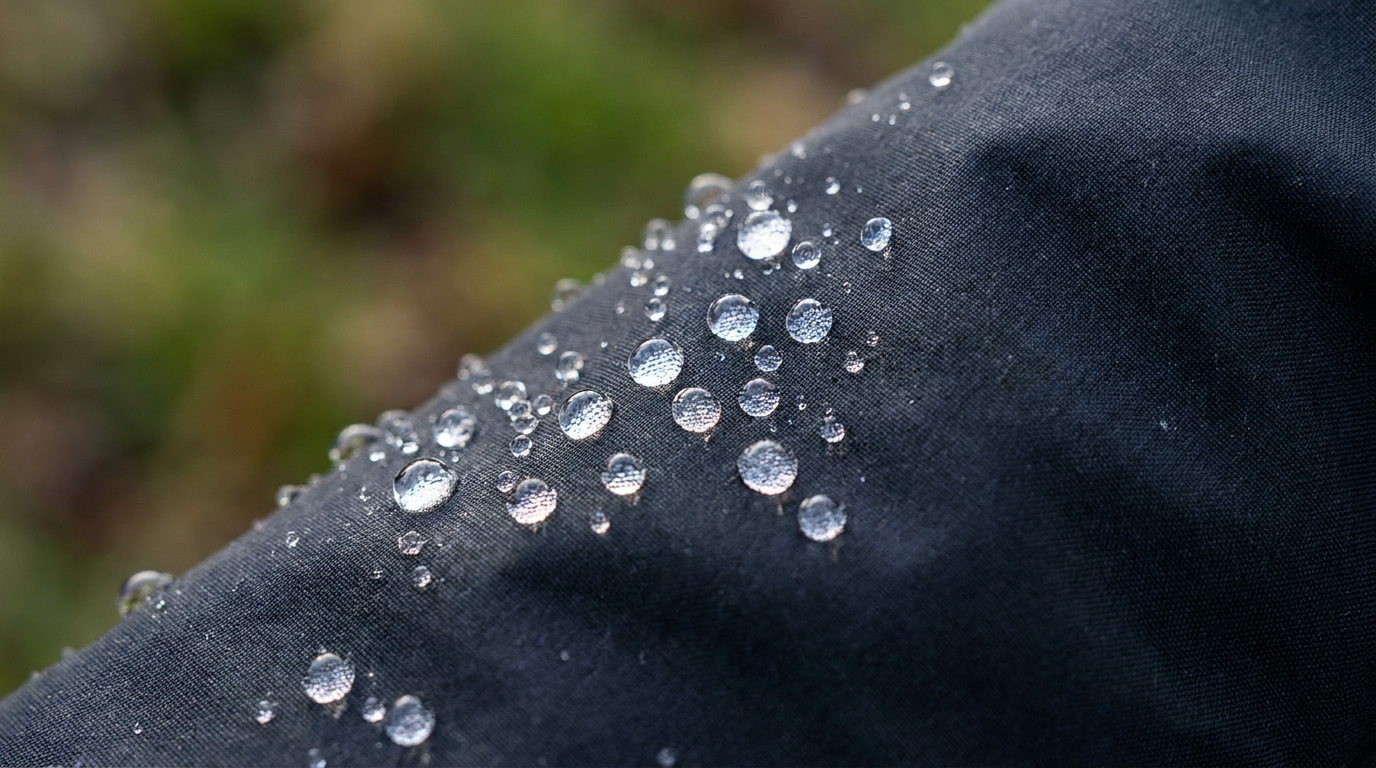
Standard fabrics work well for everyday use, but harsh weather and intense activities require specialized solutions. Advanced textiles provide better weather protection and improved mobility.
Waterproof and Breathable Membranes
High-performance garments often feature a waterproof and breathable membrane containing millions of microscopic pores. These pores are too small for liquid water drops to enter, keeping heavy rain completely out. However, the pores remain large enough for water vapor to escape. When you sweat, the moisture vents easily through the fabric, preventing the clammy feeling common in older raincoats. Manufacturers often laminate these membranes between standard nylon or polyester layers.
Softshell Blends
Softshell materials combine weather protection with excellent physical mobility. Manufacturers blend synthetic fibers with elastane or spandex to create a fabric that stretches easily with your body. Softshell jackets feel warmer and softer than traditional hard rain shells. They block wind effectively and resist light rain well. Because of their flexibility, many custom lightweight jackets use softshell blends for active outdoor sports and athletic wear.
Microfiber
Microfiber consists of extremely fine synthetic threads packed tightly together during the weaving process. The resulting fabric feels incredibly soft against the skin. Despite its soft texture, the dense weave blocks wind very effectively. Microfiber creates a highly packable lightweight jacket that traps body heat well without adding unnecessary bulk or stiffness.
Durable Water Repellent (DWR) Coatings
DWR is a specialized chemical treatment applied to the outside of a garment rather than a standalone fabric. This coating forces water to bead up and roll off the surface. Without DWR, even advanced membranes can become saturated with surface water, a condition commonly known as wetting out. This severely reduces breathability and makes you feel cold. Because DWR coatings naturally wear off over time, you must wash and re-treat the fabric periodically to maintain peak performance.
Comparing Materials: Which is Best for Your Use Case?
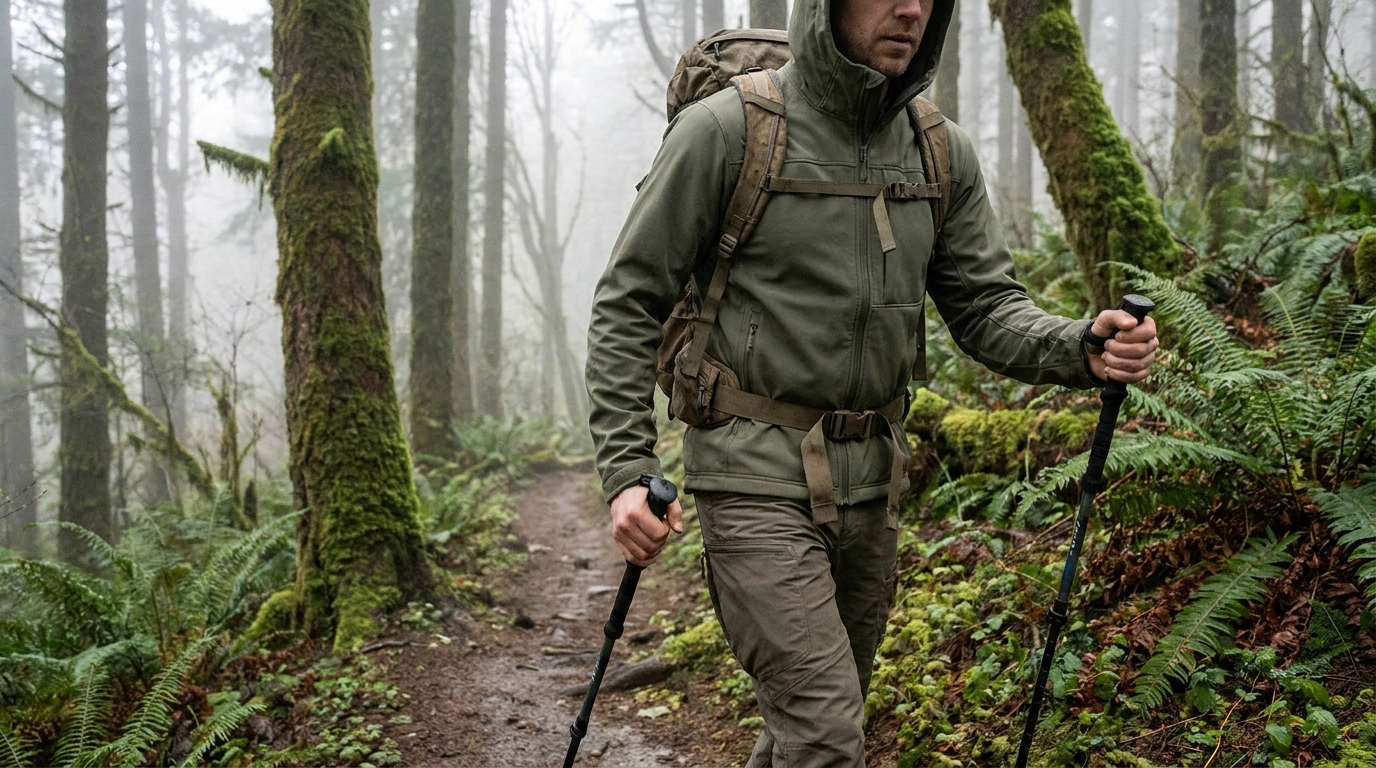
Selecting the right fabric depends entirely on how you plan to use the garment. Matching the material to your specific activity ensures maximum comfort and performance.
| Activity Type | Recommended Materials | Key Fabric Benefits |
|---|---|---|
| High-Intensity Sports (Running, Cycling) | Wicking Synthetics, Mesh-Lined Polyester | Maximum breathability and rapid moisture evaporation. |
| Outdoor Exploration (Hiking, Camping) | Ripstop Nylon, Waterproof Membranes | Tear resistance, weather protection, and low bulk. |
| Casual Everyday Wear | Cotton Blends, Softshell | Superior comfort, natural feel, and daily style. |
| Team and Corporate Apparel | Smooth Polyester, Softshell | Holds embroidery and screen printing cleanly. |
High-Intensity Activities
When you run or cycle, your body generates significant heat, requiring a jacket that moves moisture away quickly. Look for breathable synthetic fabrics with moisture-wicking properties. Unlined polyester or garments with mesh linings work perfectly to prevent sweat buildup while blocking chilly winds. Avoid pure cotton for these activities, as it will trap sweat against your skin.
Outdoor Exploration
Trail environments expose clothing to branches, rocks, and sudden rain, making durability and weather resistance your top priorities. Choose ripstop fabrics to prevent small snags from ruining your gear. If you expect heavy rain, prioritize jackets built with waterproof and breathable membranes. These advanced materials keep you dry without taking up too much space in your backpack.
Casual Everyday Wear
For daily commutes or running errands, extreme technical performance is rarely necessary. Cotton blends offer a soft, natural feel that pairs easily with everyday outfits. If you need slightly more weather protection, softshell fabrics provide an excellent balance, looking sleek while offering enough stretch for comfortable driving or walking.
Team and Corporate Apparel
Businesses and sports teams have unique apparel requirements. When designing custom lightweight jackets, the material must display logos clearly. Smooth polyester provides an excellent canvas for crisp screen printing. Alternatively, softshell fabrics hold heavy embroidery exceptionally well without puckering, ensuring your branding looks professional while keeping the wearer comfortable all day.
Common Mistakes When Selecting Lightweight Jackets
Understanding different fabrics is only the first step. Buyers frequently make critical errors when matching those materials to their actual needs. Avoiding these common pitfalls ensures your garment performs exactly as expected.
Confusing Water-Resistant with Waterproof
Many buyers misunderstand the difference between water-resistant and waterproof fabrics. Water-resistant materials handle light drizzle and brief showers, often relying on DWR coatings. However, they will eventually let water through during a downpour. Waterproof materials, featuring laminated membranes, completely block heavy rain. Choosing a simple water-resistant lightweight jacket for a severe storm guarantees you will get soaked.
Ignoring Breathability for Active Use
Absolute waterproofing is excellent for standing in the rain, but it can ruin high-intensity activities. Highly waterproof fabrics without adequate breathability trap body heat and sweat, creating a humid, uncomfortable environment inside the garment. If you plan to run or hike, prioritize moisture-wicking synthetics or advanced vented membranes to prevent excessive sweating.
Overlooking Durability on the Trail
A soft, ultra-thin jacket feels great for city walking, but taking that same garment into the woods is a frequent mistake. Branches, rocks, and heavy backpacks quickly destroy delicate fabrics. When planning for rugged environments, always choose tough options like ripstop nylon to prevent small snags from becoming large tears.
Forgetting About Packability
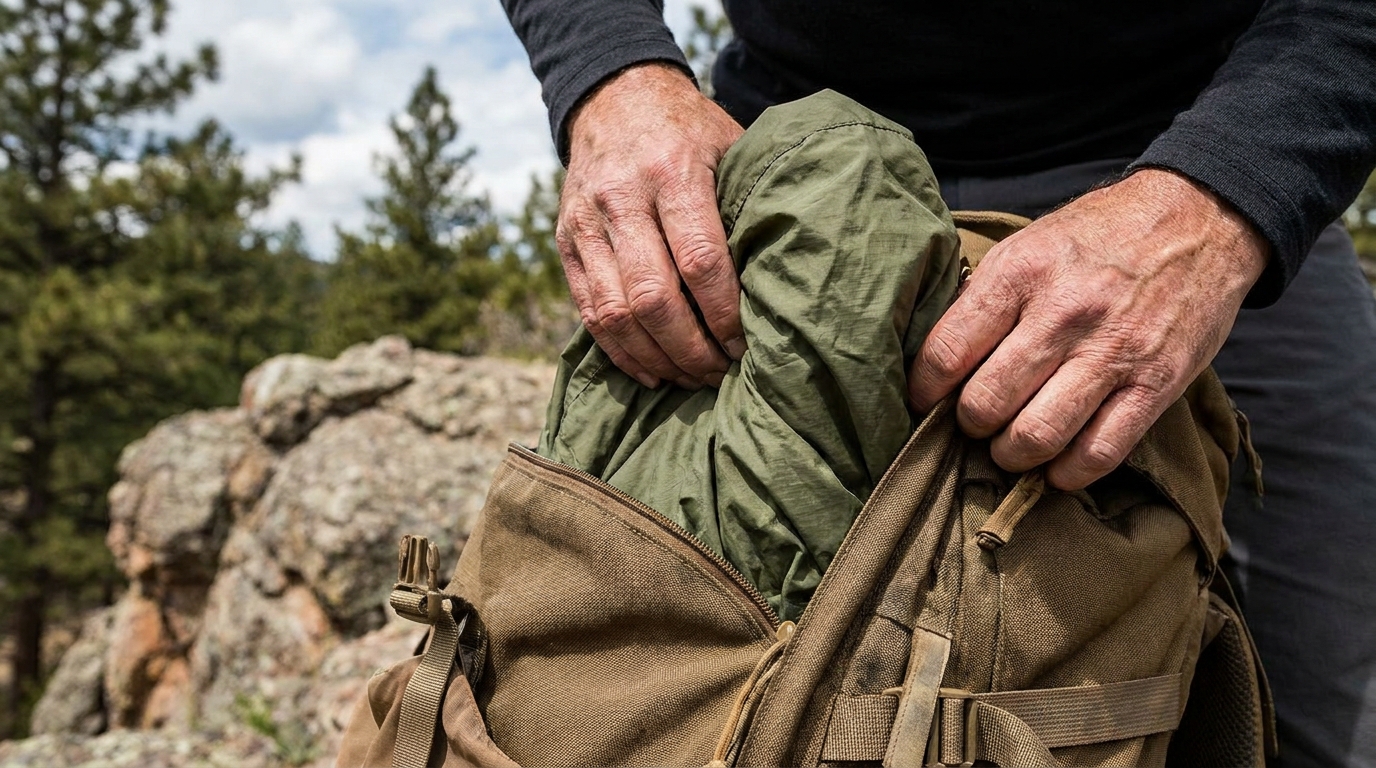
Weather often changes rapidly throughout the day, meaning you will likely need to take your jacket off and store it. A common error is buying a garment that is too stiff or bulky to carry easily. Before selecting custom lightweight jackets for travel or hiking, verify their compressibility. The best materials pack down tightly into a small backpack or even their own pocket.
Frequently Asked Questions About Lightweight Jacket Materials
What is the difference between water-resistant and waterproof jacket materials?
Water-resistant materials are designed to handle light drizzle and brief showers, often using a special chemical coating, but they will eventually let water through during heavy rain. Waterproof materials completely block heavy rain because they feature laminated membranes with microscopic pores that keep liquid water out while letting sweat vapor escape.
How do I keep my lightweight jacket repelling water over time?
Many lightweight jackets use a Durable Water Repellent (DWR) coating to force water to bead up and roll off the fabric. Over time, this coating naturally wears off through regular use and exposure to the elements. To maintain peak weather protection and prevent the fabric from soaking up water, you must periodically wash the garment and re-treat it with a fresh DWR application.
Which jacket fabric is best for running and high-intensity sports?
For high-intensity activities like running or cycling, you need a jacket that quickly moves sweat away from your body. The best choices are highly breathable, moisture-wicking synthetic fabrics, such as unlined polyester or garments with mesh linings. These materials prevent sweat buildup and effectively block chilly winds without causing you to overheat.
What makes ripstop fabric different from standard nylon or polyester?
Ripstop is a specific weaving technique rather than a unique type of fiber. During manufacturing, thicker reinforcement threads are woven into a base fabric, like nylon or polyester, at regular intervals to create a subtle grid pattern. The main benefit of this technique is durability; if the jacket gets snagged on a branch or rock, the reinforced grid stops small tears from spreading further.
Why should I avoid pure cotton jackets for active outdoor use?
While pure cotton is incredibly soft and comfortable for mild, dry weather, it absorbs moisture very quickly and dries extremely slowly. If you sweat heavily or get caught in the rain, a pure cotton jacket will trap that wetness against your skin. Wearing a wet cotton jacket can quickly make you feel cold, making it a poor choice for exercise or severe weather.
Заключение
Nylon, polyester, cotton blends, and technical membranes all offer unique benefits for lightweight jackets. The best choice depends on your specific climate, activity level, and daily needs. Finding the right balance of breathability, durability, and weather protection ensures you stay comfortable.
- Read clothing tags to identify your preferred materials.
- Determine if you need waterproof or water-resistant fabric.
- Choose a material that matches your main outdoor activity.