Russian
  English
  French
  German
  Japanese
  Spanish
  Portuguese
.jpg)
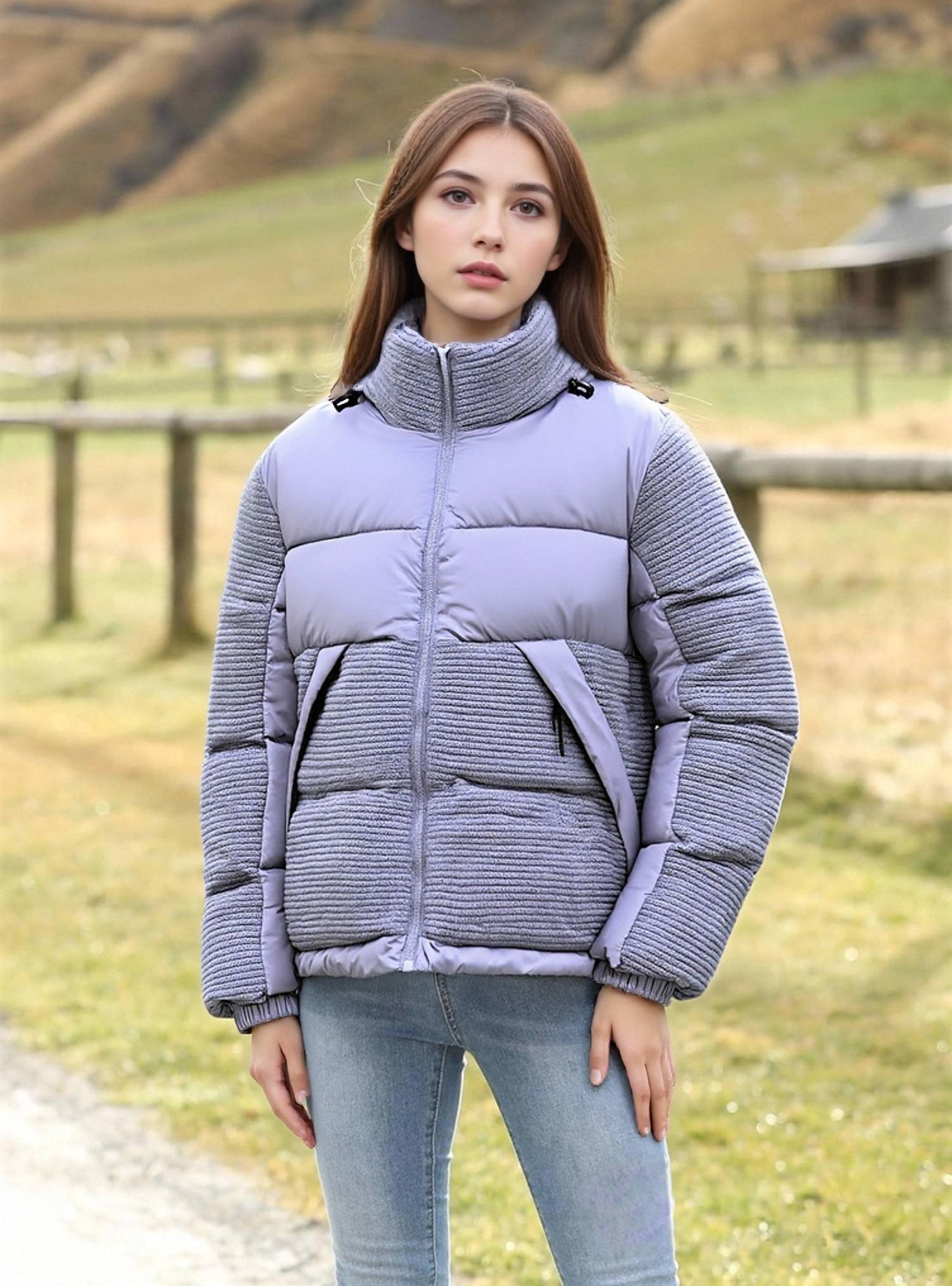
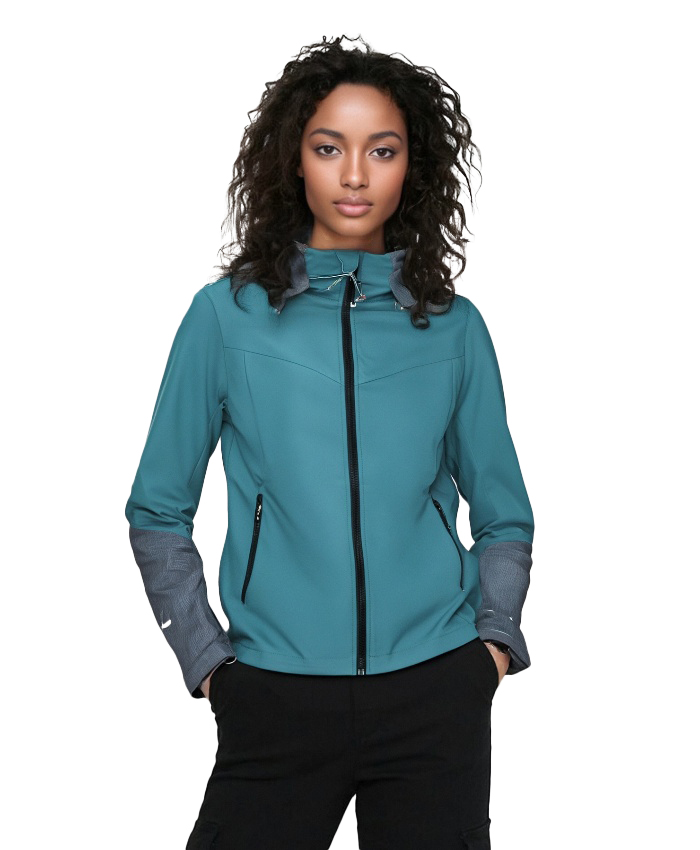
Ever wished you could wear a sleeping bag outside?
The puffer jacket makes this cozy dream a reality.
These quilted coats use fluffy insulation to trap heat, evolving from survival gear into global fashion.
In this post, you’ll learn about jacket anatomy, insulation types, and professional manufacturing secrets.
The Anatomy of a Puffer Jacket: What Makes It “Puff”?
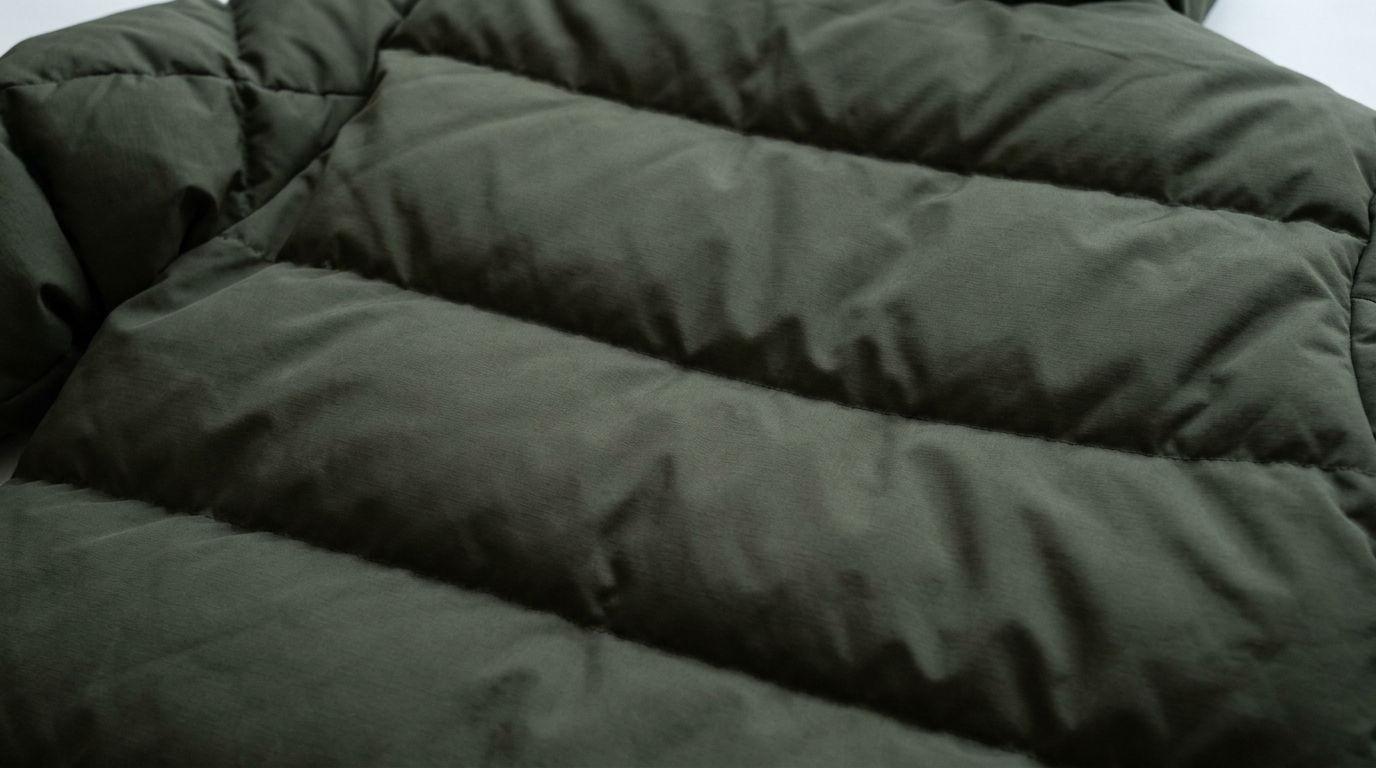
To understand how these jackets trap heat so effectively, we need to look under the hood. The secret lies in their unique construction.
The defining feature of any puffer jacket is its baffles. These are the stitched sections you see on the outside. They act as individual pockets holding the insulation in place. Without them, the fill would just sink to the bottom hem, leaving your shoulders freezing.
Baffles allow the insulation to expand and trap air. This volume of trapped air is called “loft.”
Baffle Construction Methods
Manufacturers use two primary techniques to build these pockets. Each serves a different purpose.
| Construction Type | How It Works | Pros & Cons |
|---|---|---|
| Sewn-Through | Outer shell and inner lining stitch directly together. | Lightweight and cost-effective. Creates minor cold spots at the seams. |
| Box-Wall | Internal fabric walls create individual 3D boxes for the fill. | Eliminates cold spots for maximum warmth. Heavier and more expensive. |
Common Baffle Designs
Baffles do more than just hold feathers. They define the jacket’s style. Horizontal lines remain the most traditional look. You will also see diamond quilting and complex geometric patterns.
As a professional puffer jacket manufacturer, Honry Apparel frequently produces custom quilted jackets alongside standard horizontal puffs. The stitch pattern directly impacts both the aesthetic and how evenly the warmth distributes across your body.
Outer Shell Materials
The outer shell needs to be tough but light. Most brands rely on high-density nylon or polyester. Fabric durability is measured in “denier.” A higher denier means a thicker, more rugged shell. A lower denier creates an ultralight, packable garment.
Sourcing the right material matters immensely. Honry Apparel partners with over 100 certified fabric suppliers to achieve this balance. Consistent material quality ensures the shell fabric remains breathable while resisting tears.
Weather Resistance
A common question is what happens when a puffer gets wet. Standard down loses its loft and warmth when soaked. To prevent this, outer shells receive a Durable Water Repellent (DWR) coating. This treatment forces water to bead up and roll off the fabric.
Construction goes a step further for harsher climates. You might encounter seam-taped jackets. Taping the inner seams blocks wind and moisture from sneaking through the needle holes. This upgrade transforms a standard mid-layer into a highly weather-resistant outer shell.
Down vs. Synthetic Insulation: What Is Inside a Puffer Jacket?
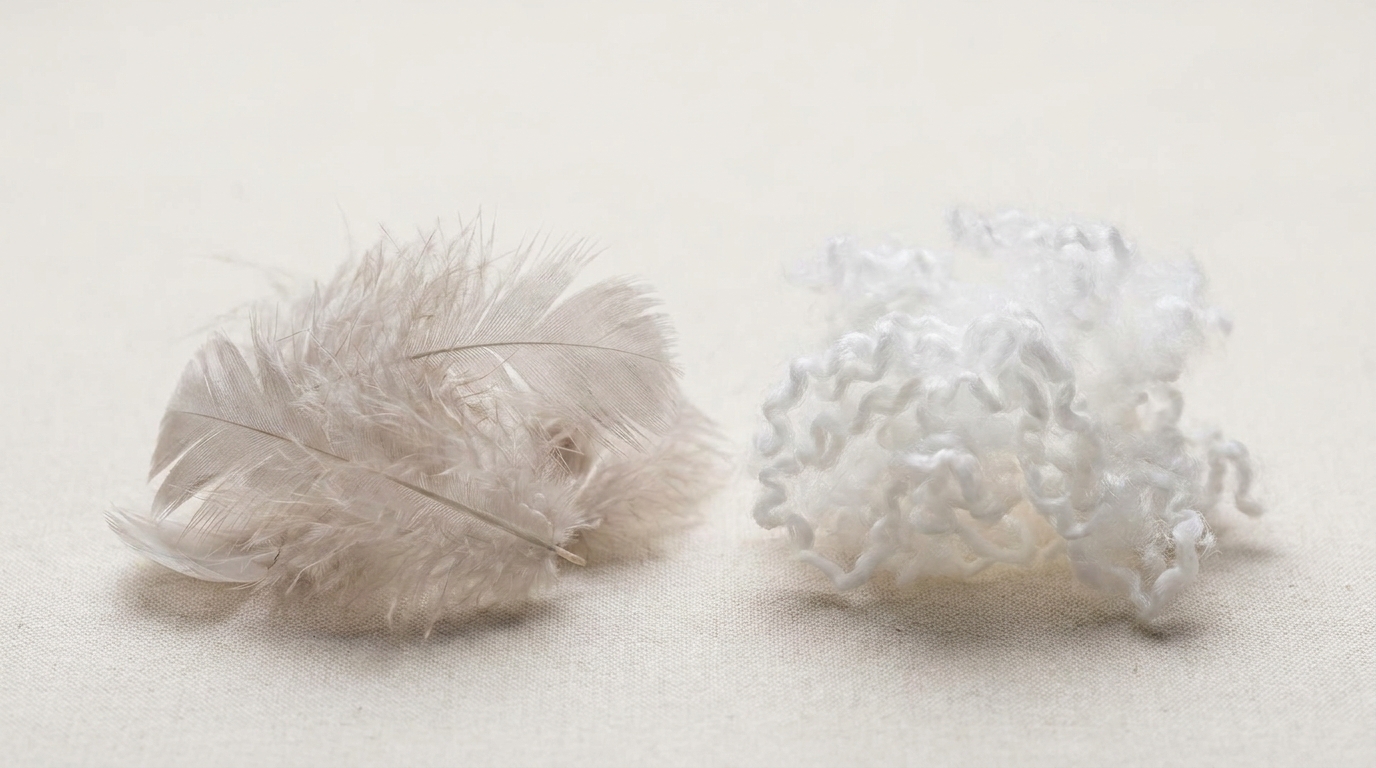
We just explored how durable shells and DWR coatings protect your garment from the elements. But what exactly are they protecting? When people ask, “What is a puffer jacket?”, they are really asking about the insulation hiding inside those baffles. The fill material dictates how warm, heavy, and expensive the coat will be.
Natural Down Insulation
Natural down comes from ducks or geese. It consists of fluffy clusters found beneath the bird’s outer feathers. These clusters trap body heat perfectly.
Down offers an unmatched warmth-to-weight ratio. It feels incredibly light on your shoulders. You can also compress it down to roughly one-quarter of its original size for easy packing. If cared for properly, a high-quality down garment can easily last 10 to 20 years.
However, natural down has a major weakness. It loses its insulating power when wet. The clusters clump together and stop trapping air. Down also requires specialized washing and drying techniques to maintain its loft.
Synthetic Insulation
Synthetic insulation uses spun polyester fibers. Engineers design these fibers to mimic the structure of natural down clusters.
The biggest advantage of synthetic fill is water resistance. It retains heat even when completely soaked. It dries quickly and is naturally hypoallergenic. You will also find synthetic options are generally more affordable.
The trade-off comes down to weight and longevity. Synthetic fills are heavier and less compressible than natural down. They also tend to flatten out over 5 to 7 years, permanently losing some of their warmth.
Want a quick way to tell them apart? Try the “pinch test.” If you pinch the jacket and feel individual feathers or clusters, it uses natural down. If it feels like a continuous, smooth sheet of cotton, it uses synthetic fill.
| Feature | Natural Down | Synthetic Fill |
|---|---|---|
| Warmth-to-Weight | Excellent. Very warm and ultralight. | Moderate. Heavier for the same warmth. |
| Wet Performance | Poor. Clumps and loses heat. | Excellent. Stays warm when wet. |
| Compressibility | High. Packs down very small. | Low. Takes up more space in a bag. |
| Lifespan | 10 to 20 years. | 5 to 7 years. |
Understanding Fill Power and Fill Weight
When shopping for outerwear, you will often see numbers like 600-fill or 800-fill. These numbers refer to Fill Power (FP). Fill power measures the fluffiness or “loft” of the down.
- 400 to 550 FP: Provides standard, entry-level warmth for everyday wear.
- 600 to 700 FP: Offers high quality and great mobility for hiking or general outdoor use.
- 800 to 900+ FP: Delivers premium, ultralight performance with the highest warmth-to-weight ratio.
However, fill power only tells half the story. You must also consider Fill Weight. Fill weight measures the actual physical amount of insulation stuffed inside the jacket, usually in grams or ounces.
A crucial rule of thumb applies here. A 900-fill jacket with a very low fill weight might actually be colder than a 600-fill jacket packed with a massive fill weight. You need both high loft and sufficient volume to survive extreme temperatures.
Balancing these two metrics is a core part of professional garment manufacturing. Honry Apparel leverages a global supply chain to source both ethical natural down and advanced synthetic fills. By partnering with over 100 certified material suppliers, they help international fashion brands customize their insulation strategies. This flexibility ensures optimal warmth whether a brand is developing a highly packable lightweight jacket for spring or a heavy-duty winter parka for sub-zero climates.
We just saw how modern brands balance fill power and fill weight to survive extreme cold. But this advanced outerwear did not start in a high-tech lab. It began as a desperate bid for survival.
The Evolution and History of the Puffer Jacket
To fully understand what a puffer jacket is today, we must look at its origins. The garment transformed radically over the last century. It shifted from life-saving gear to a global fashion icon.
The 1936 Invention: Eddie Bauer’s “Skyliner”
In 1936, outdoorsman Eddie Bauer nearly died of hypothermia during a winter fishing trip. His heavy wool coat became waterlogged and froze solid. He desperately needed a garment offering intense warmth without the dangerous bulk.
He turned to natural down for a solution. As we covered earlier, down requires specific construction to stay in place. Bauer designed a diamond-quilted baffle pattern to trap the feathers evenly across the body. He patented this design in 1940 as the “Skyliner.” This historic jacket officially introduced the world to quilted down outerwear.
From Mountaineering Gear to Everyday Winter Wear
For several decades, quilted jackets remained strictly functional. Mountaineers and alpine explorers relied on these heavily insulated coats to survive harsh expeditions. Manufacturers focused entirely on maximum loft and thermal retention.
By the 1970s and 1980s, outdoor recreation surged in popularity. Skiers and hikers wanted expedition-level warmth for their weekend trips. Brands began using lighter nylon shells and vibrant colors. The jacket slowly transitioned from a niche survival tool into a staple of everyday winter wardrobes.
The Streetwear and Luxury Fashion Boom
The 1990s changed the trajectory of outerwear entirely. Urban youth and hip-hop culture embraced the oversized “bubble jacket.” It offered a bold, voluminous silhouette. The jacket commanded attention on city streets while providing unbeatable winter warmth.
Soon after, luxury fashion houses took notice. They transformed this utilitarian gear into high-end runway pieces. Today, you will find puffers featuring premium fabrics, exaggerated proportions, and intricate stitching patterns.
This rapid style evolution demands highly flexible production. Honry Apparel leverages over 30 years of OEM/ODM garment manufacturing experience to help international fashion labels navigate these trends. Whether a brand needs a classic outdoor parka or a high-fashion streetwear piece, a robust global supply chain ensures the final product meets both aesthetic and performance standards.
| Era | Primary Purpose | Key Development |
|---|---|---|
| 1930s–1940s | Survival | Invention of the quilted down jacket (the “Skyliner”). |
| 1950s–1980s | Outdoor Recreation | Transition to lighter nylon shells and brighter colors for skiers. |
| 1990s | Streetwear | Adoption by hip-hop culture; emergence of the oversized bubble jacket. |
| 2000s–Present | High Fashion & Lifestyle | Integration into luxury collections with premium fabrics and custom silhouettes. |
Types of Puffer Jackets for Different Needs

We just saw how this garment evolved from a desperate survival tool into a global fashion icon. Today, this evolution means you are no longer limited to one bulky silhouette. When someone asks, “What is a puffer jacket?”, they are actually asking about an entire category of outerwear. Brands now engineer specific variations to match distinct climates, activities, and personal styles.
Choosing the right style depends entirely on your environment. Let’s break down the four most common designs.
Lightweight Puffer Jackets
Also known as “down sweaters,” lightweight puffer jackets prioritize mobility and packability. They typically provide comfortable warmth in temperatures ranging from 30°F to 50°F. You will often see these used as a versatile mid-layer.
A slim-fit lightweight jacket fits perfectly underneath a waterproof hardshell. This layering strategy keeps you warm and dry during active outdoor pursuits. Because they use lower fill weights, you can easily compress them into a small backpack pocket. Honry Apparel regularly manufactures custom lightweight jackets for international brands, focusing on ultralight shell fabrics to maximize this packability.
Heavyweight Puffer Parkas
If you face sub-zero temperatures, you need maximum thermal protection. Heavyweight puffer parkas answer this call. These garments feature longer hemlines reaching the thigh or knee. This extended length prevents cold drafts from freezing your lower body.
Parkas often include fur-lined hoods and thick, high-denier outer shells. They rely on massive fill weights to trap as much body heat as possible. While they lack the sleek mobility of a lightweight option, they dominate in extreme winter conditions. Producing a reliable winter parka requires precise baffle construction to support heavy insulation loads without sagging.
Стеганые куртки
Sometimes you need core warmth without looking like a marshmallow. Quilted jackets offer a slimmer, less bulky alternative. They excel during transitional spring or fall weather.
These jackets typically feature complex stitching patterns like diamonds or tight grids. This tight stitching restricts the insulation from lofting too high. It creates a sleek profile perfect for urban commuting. As a strategic focus, Honry Apparel produces premium quilted jackets for fashion labels wanting a refined, everyday aesthetic rather than expedition-level gear.
Puffer Vests
Puffer vests strip away the sleeves entirely. They target warmth exactly where you need it most: your vital organs. By keeping your torso insulated, your body naturally pumps warm blood out to your extremities.
Vests provide unmatched arm mobility. They are the ideal choice for highly active tasks like chopping wood or fast-paced hiking. You get the benefits of trapped heat without overheating your arms or dealing with bulky sleeves.
Quick Comparison Guide
Use this simple breakdown to match a jacket style to your specific needs.
| Jacket Style | Best For | Key Advantage |
|---|---|---|
| Lightweight Puffer | Mild weather, travel, active use. | Highly packable and layers easily under shells. |
| Heavyweight Parka | Extreme cold, static winter activities. | Maximum warmth and extended body coverage. |
| Стеганая куртка | Urban commuting, transitional seasons. | Slim profile with zero bulk. |
| Puffer Vest | High-exertion outdoor tasks. | Core warmth and total arm freedom. |
Key Benefits: Why You Need a Puffer Jacket in Your Wardrobe
We just broke down the different styles available for your specific climate. You might still wonder if buying one is truly worth it. People often ask what makes a puffer jacket better than a heavy wool coat. The answer lies in its unique everyday performance.
Let’s explore the core advantages making this outerwear a closet essential.
Exceptional Warmth Without Excessive Weight
As we covered earlier, the secret to this garment is loft. Trapped air pockets create a powerful thermal barrier. You get exceptional warmth without carrying extra weight. You no longer need to wear three heavy sweaters to survive a winter commute. A high-quality fill does the heavy lifting for you. It feels incredibly light on your shoulders while locking in body heat.
High Packability for Easy Travel
Cold weather travel usually means packing bulky luggage. These coats solve this problem through high compressibility. You can easily squeeze them down to a fraction of their original size. Many modern lightweight designs even stuff directly into their own hand pockets. They transform into a small pouch. You can toss it into a backpack and save valuable space.
Seamless Style Versatility
This outerwear transitions easily between different environments. You can wear a sleek design over your gym clothes for a morning run. Later, you can layer it under an overcoat for a city dinner. The clean lines match both athletic wear and casual urban outfits perfectly. You do not have to choose between looking good and staying warm.
Long-Lasting Durability
High-quality ripstop fabrics ensure your garment survives daily wear. A rugged outer shell prevents snags from turning into massive feather leaks. Professional garment producers prioritize this fabric strength. For example, Honry Apparel leverages over 30 years of manufacturing experience to build durable outerwear. They partner alongside over 100 certified material suppliers. This strict quality control ensures the shell resists tears. It protects the delicate insulation inside for years to come.
| Benefit | How It Works | Real-World Advantage |
|---|---|---|
| Warmth-to-Weight | Traps air using high-loft insulation. | Keeps you warm without feeling heavy or restrictive. |
| Packability | Compresses down to one-quarter of its size. | Fits easily into carry-on bags or hiking daypacks. |
| Versatility | Features clean lines and varied baffle patterns. | Matches sportswear, casual outfits, and urban streetwear. |
| Durability | Uses high-denier ripstop nylon or polyester. | Resists tears and prevents insulation leakage over time. |
How to Choose the Perfect Puffer Jacket
We just explored the exceptional warmth and durability these garments bring to your wardrobe. You already know the daily benefits. But how do you actually pick the right one? Answering “what is a puffer jacket best suited for my lifestyle?” comes down to a few critical choices. Let’s break down exactly what to look for before you buy.
Assess Your Climate
Start by analyzing your local weather. Are you facing dry, freezing cold or damp, cool conditions? As we covered earlier, natural down fails when wet. Choose it for dry, sub-zero climates where you need maximum loft. If you live somewhere rainy or humid, synthetic insulation is your best bet. It stays warm even when completely soaked.
Match the Jacket to Your Activity Level
Think about what you will actually do outside. Highly active pursuits like hiking or skiing generate serious body heat. You want a breathable, lightweight option. A vest or a low-fill down sweater prevents overheating while keeping your core warm.
Static activities change the rules entirely. Standing at a bus stop or watching a winter football game requires intense thermal protection. Look for a heavyweight parka. You need a high fill power and a massive fill weight to trap heat while you sit still.
Master the Fit and Sizing
Fit ruins even the most expensive outerwear if you get it wrong. You need enough room to wear a thick sweater underneath. However, it should not fit like a giant tent. A loose fit allows cold air to draft up the hem. This steals your body heat instantly.
Look for a trim fit around the torso. Make sure the hem sits snugly against your waist or thighs. Try the hug test when trying it on. Cross your arms tightly across your chest. If the shoulders pinch or restrict your movement, size up immediately.
Look for Essential Hardware and Features
Small details separate a good coat from a great one. These hardware choices dictate your daily comfort.
- Two-way zippers: Allow you to unzip the bottom hem while sitting. This prevents the coat from bunching up around your waist.
- Fleece-lined pockets: Instantly warm up cold hands without needing gloves.
- Adjustable hoods: Let you cinch the fabric tight around your face to block icy wind.
- Storm flaps: Fabric strips covering the front zipper. They stop cold drafts from sneaking through the tiny zipper teeth.
Professional garment producers understand these details matter immensely. Honry Apparel routinely integrates premium hardware like two-way zippers and specialized storm flaps for international fashion brands. Their end-to-end manufacturing solutions ensure these functional features align perfectly with the overall design. They source high-quality trims to guarantee the zippers and cords survive years of heavy winter use.
| Buying Criteria | What to Look For | Why It Matters |
|---|---|---|
| Climate | Down for dry cold; Synthetic for wet cold. | Ensures your insulation actually works in your local weather. |
| Activity Level | Lightweight for moving; Heavyweight for sitting. | Prevents dangerous overheating or freezing during outdoor tasks. |
| Fit | Snug hem with room for one thick mid-layer. | Stops cold drafts while allowing comfortable movement. |
| Features | Storm flaps, adjustable hoods, and lined pockets. | Maximizes daily comfort and blocks wind effectively. |
Behind the Seams: The Role of a Professional Puffer Jacket Manufacturer
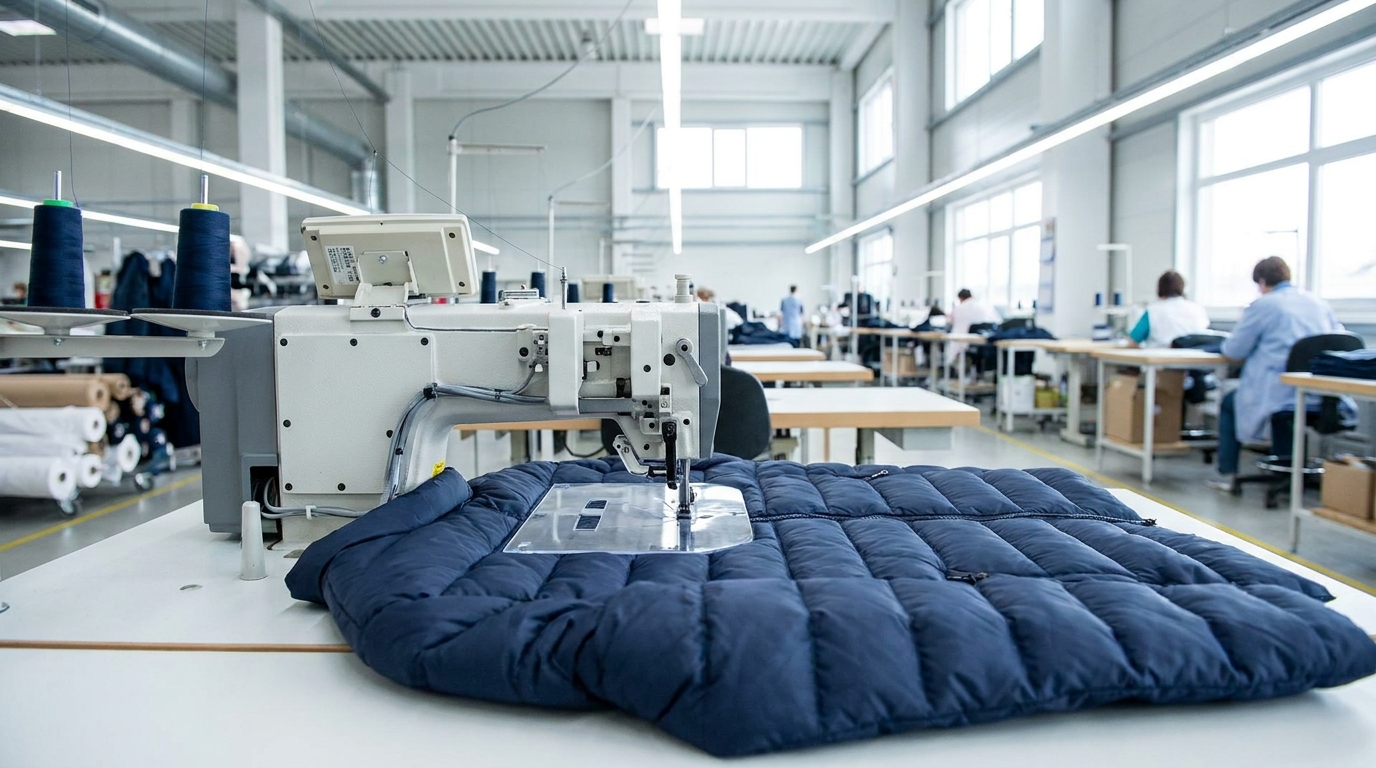
We just looked at how small details like storm flaps and two-way zippers define a great coat. Building these features requires serious expertise. When you ask what a puffer jacket is, you are actually looking at a highly technical piece of engineering. Turning raw feathers and nylon into premium outerwear involves a complex production process.
The Complexity of Outerwear Production
Manufacturing a high-quality puffer jacket demands extreme precision. You cannot simply stuff feathers into a nylon shell. As we covered earlier, baffles keep the insulation in place. Creating these pockets requires flawless stitching. A single loose thread allows down to migrate. Feathers will poke through the fabric and ruin the garment.
Professional producers use specialized machinery to lock every seam tight. They must carefully balance the fill weight inside every individual baffle. This exact distribution prevents cold spots from forming across your chest or shoulders.
Sourcing Premium Materials and Trims
A coat is only as good as its raw components. A reliable producer builds strong relationships alongside material vendors. For example, Honry Apparel works alongside over 100 certified fabric and trim suppliers. This vast network ensures stable sourcing and consistent material quality.
Finding the right insulation matters immensely. Factories must source ethical natural down. This often requires Responsible Down Standard (RDS) certification. They also secure advanced synthetic fills for wet-weather designs. High-quality ripstop shells and durable zippers complete the package.
End-to-End OEM/ODM Solutions
International fashion brands rarely own their own factories. They rely on OEM and ODM partners to bring their designs to life. This partnership covers the entire product lifecycle.
The process begins at product development and sampling. Engineers test different baffle patterns and shell fabrics. Once the brand approves the sample, mass production begins. The factory handles precision cutting, sewing, and filling. Finally, they manage strict quality control, branding, and global logistics. They deliver retail-ready garments directly to warehouses.
| Production Phase | Key Activities | Brand Benefit |
|---|---|---|
| Development & Sampling | Pattern making, material selection, and prototype creation. | Tests the design and fit before spending money on bulk orders. |
| Mass Production | Precision cutting, baffle stitching, and insulation filling. | Ensures consistent quality across thousands of garments. |
| Quality Control | Checking for down leakage and testing zipper durability. | Protects the brand reputation from defective products. |
| Logistics | Packaging, custom branding, and global shipping. | Delivers retail-ready jackets directly to store shelves. |
The Advantage of Deep Manufacturing Experience
Experience dictates the final quality of any garment. Honry Apparel leverages over 30 years of experience in garment manufacturing. They built a global supply chain merging Chinese manufacturing expertise and overseas production resources.
This extensive background helps private label businesses achieve competitive pricing while maintaining high quality. Brands gain access to flexible production strategies. They can easily switch between producing lightweight down sweaters for spring and heavy parkas for winter. A long-term manufacturing partner provides the stability needed to launch successful outerwear collections year after year.
How to Wash and Care for Your Puffer Jacket
Professional manufacturers put immense effort into crafting durable outerwear. As we covered earlier, premium shells and quality down can easily last 10 to 20 years. However, this impressive lifespan depends entirely on how you treat the garment at home. When people ask what a puffer jacket is, they often picture a delicate fashion piece. They worry washing it will permanently ruin the fluffiness. Fortunately, maintaining your gear is simpler than you might think.
Routine Maintenance: Spot Cleaning and Airing Out
You do not need to wash your coat after every single use. In fact, washing it too often strips away the DWR coating we discussed earlier. Frequent washing also stresses the delicate internal insulation.
For minor stains, rely on simple spot cleaning. Use a damp cloth and mild soap to gently wipe dirt off the outer shell. If the garment smells stale after a long hike, simply air it out. Hang it outside in a dry, shaded area for a few hours. Fresh air removes odors easily. This method avoids subjecting the baffles to a harsh washing machine cycle.
Machine Washing Tips for Down and Synthetic Fills
Eventually, your coat will need a deep clean. Sweat and body oils slowly degrade the insulation over time. When you finally decide to wash it, follow these strict rules.
First, never use a top-loading washing machine featuring a center agitator. The agitator can easily rip the delicate ripstop fabric. It might also tear the internal baffles. Always use a front-loading machine. Choose a gentle or delicate cycle using cold or warm water.
Second, skip the regular laundry detergent entirely. Standard soaps leave heavy residues behind. These residues cause natural down clusters to stick together. This ruins the loft instantly. Instead, buy a specialized down wash. These gentle cleaners wash away grime while protecting the natural oils found in goose or duck feathers.
The Tennis Ball Trick: Drying and Restoring Loft
Pulling your freshly washed coat out of the machine can look terrifying. The once-fluffy jacket will likely look completely flat. The wet feathers clump together into tiny, hard balls. Do not panic. This reaction is completely normal.
You restore the volume during the drying process. You must tumble dry the garment on a low heat setting. High heat can easily melt synthetic outer shells. Now, employ the famous tennis ball trick.
Toss two or three clean tennis balls into the dryer alongside your wet coat. You can also use wool dryer balls. As the drum spins, the balls bounce around and repeatedly strike the baffles. This gentle beating breaks up the wet clumps. It forces air back into the insulation. The process takes time. Expect to run the dryer for a few hours until the moisture disappears completely.
Proper Storage Advice
How you store your outerwear during the summer matters immensely. As we noted earlier, packability is a major benefit of these coats. You can compress them into tiny pouches for easy travel. However, you should never store them compressed long-term.
Leaving the garment stuffed tightly in a compression sack crushes the insulation. Over several months, the feathers or synthetic fibers lose their natural elasticity. They will permanently flatten out. They will stop trapping heat effectively. Always store your coat hanging loosely in a cool, dry closet. Give it plenty of space to breathe. This simple habit ensures maximum warmth when winter returns.
| Care Category | Best Practice | What to Avoid |
|---|---|---|
| Routine Care | Spot clean stains and air out odors outside. | Washing the jacket after every single use. |
| Washing | Use a front-loading machine and down-specific detergent. | Using a top-loading agitator or regular laundry soap. |
| Drying | Tumble dry on low heat alongside clean tennis balls. | Air drying or using high heat settings. |
| Storage | Hang loosely in a dry, cool closet. | Leaving it compressed in a stuff sack for months. |
Заключение
Puffer jackets remain timeless outerwear essentials for cold weather.
You must balance style, insulation type, and climate needs perfectly.
Brands should partner with an experienced manufacturer like Honry Apparel.
This ensures consumers always receive premium, high-quality garments.
- Assess your local weather conditions before buying.
- Compare down and synthetic fills for daily activities.
- Contact Honry Apparel for reliable custom jacket production.
Frequently Asked Questions About Puffer Jackets
How do you wash a puffer jacket safely?
You can wash your jacket without ruining its fluffiness. Use a gentle cycle with cold water. Avoid harsh detergents that strip natural oils. Dry the jacket on low heat. Add two or three clean tennis balls to the dryer. These balls break up clumps in the insulation. This restores the loft of your coat. Never store your jacket compressed for a long time. Hang it up in a cool and dry space.
Why are feathers poking out of my jacket?
This common issue is known as down migration. Sharp feathers can slip through the outer fabric. This happens easily at the stitched seams. Do not pull the feather out. Pulling it will create a larger hole. It also pulls more feathers out with it. Instead, pinch the feather from the inside. Pull it gently back into the jacket. You can use a gear patch for small fabric tears. Avoid sewing tears to prevent further leakage.
Is down or synthetic insulation better for jackets?
Both options offer unique benefits for different climates. Natural down is very light and highly compressible. It lasts up to twenty years with proper care. However, down loses its warmth when it gets wet. Synthetic insulation is cheaper and retains heat when damp. It usually loses its loft over five to seven years. Your choice depends on your local weather and budget. Honry Apparel manufactures both high-quality down and synthetic options. We help brands choose the best materials.
What happens if my down puffer gets wet?
Natural down loses its loft when soaked in water. The trapped air pockets collapse completely. This destroys the thermal barrier that keeps you warm. Synthetic fills perform much better in wet weather. They continue to insulate even when damp. Many modern jackets feature a durable water repellent coating. This DWR coating helps the outer shell shed light rain. You should choose synthetic insulation for heavy rain conditions. It will keep you much safer and warmer.
Can I manufacture custom puffer jackets for my brand?
Yes, you can easily produce custom outerwear today. Honry Apparel is a professional clothing manufacturer in China. We specialize in custom apparel production for international fashion brands. With over thirty years of experience, we provide end-to-end solutions. Our team handles product development, sampling, and mass production. We partner with certified fabric suppliers for consistent quality. We help businesses achieve competitive pricing and flexible production. You can create unique quilted jackets, parkas, and puffers.
- Check your local climate to decide between down or synthetic.
- Inspect the fill power rating before buying a new coat.
- Buy some tennis balls for safe and effective machine drying.
- Contact Honry Apparel to design custom outerwear for your brand.