Russian
  English
  French
  German
  Japanese
  Spanish
  Portuguese
Do fleece jackets actually keep you warm?
Yes, they easily lock in your body heat.
This lightweight synthetic wool alternative is highly versatile.
It transitions from casual wear to intense mountain hiking.
In this post, you will learn how fleece works.
Discover how to layer and choose a jacket.
The Science of Insulation: How Do Fleece Jackets Keep You Warm?
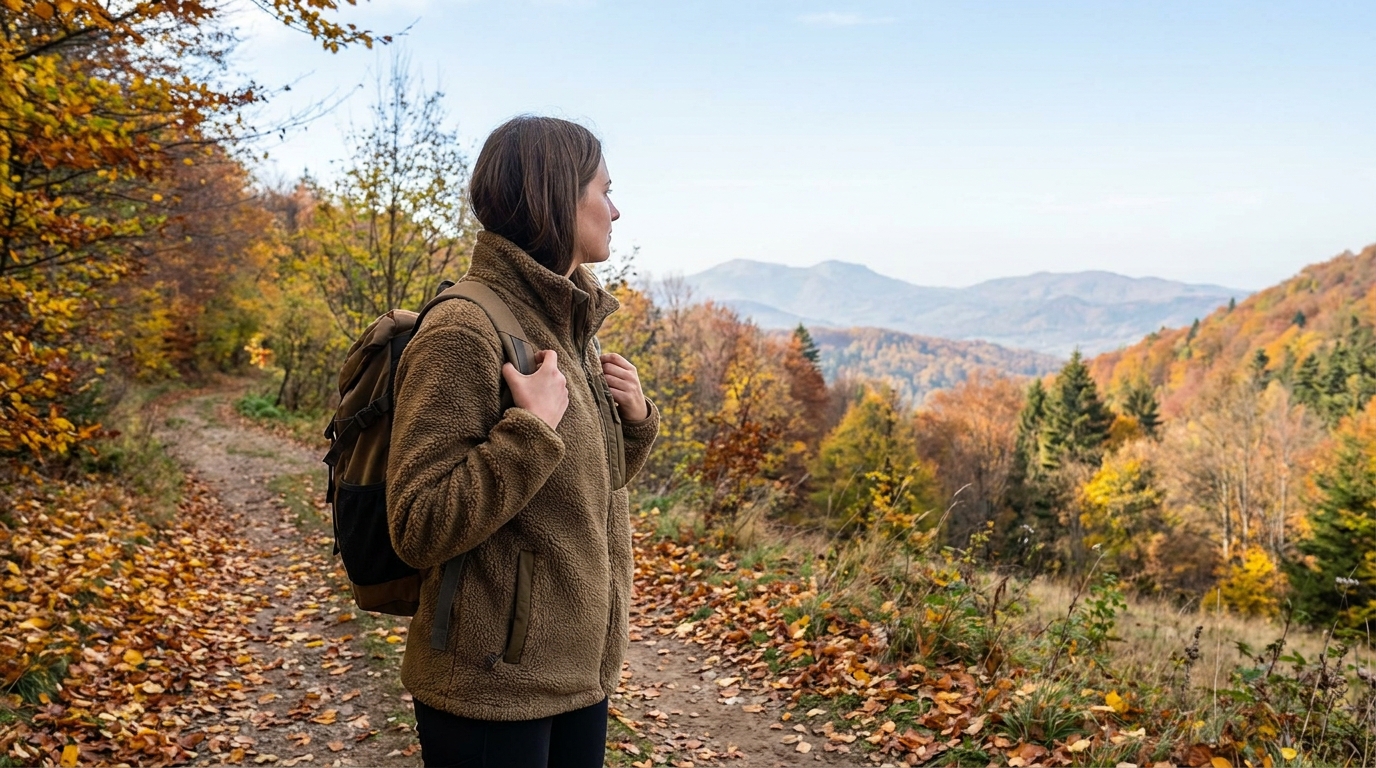
We mentioned earlier how these garments easily lock in your body heat. To understand why, you need to look at the fabric itself. Most fleece consists of 100% polyester synthetic fibers. Manufacturers knit these yarns tightly together.
Next, they brush the fabric surface. This brushing process creates a fuzzy, textured pile. The raised fibers form thousands of microscopic air pockets. Your body naturally radiates heat. These tiny pockets trap the radiant heat right against your skin. This “dead air” space is exactly how a fleece jacket keeps you warm in chilly weather.
However, thermal insulation is only half the equation. You also must stay dry to stay warm. If you sweat during a hike, trapped moisture will rapidly cool your core. Fortunately, the knit structure makes fleece highly breathable. Moisture vapor easily escapes through the fabric.
The synthetic fibers also provide excellent moisture-wicking properties. They pull sweat away from your skin. In fact, polyester fibers hold less than 1% of their weight in water. This hydrophobic nature helps the jacket dry quickly. It even retains its insulating ability when slightly damp.
Does Fleece Weight Impact Warmth?
Yes, fabric density directly controls how much heat you retain. The industry measures this density in grams per square meter (GSM). Higher numbers mean thicker fabric and more trapped air.
You will generally find three main weight classifications:
- Lightweight (Microfleece): Under 150 g/m². It breathes exceptionally well. Use it for high-exertion activities or as a simple base layer.
- Midweight: Between 200 and 250 g/m². This is your standard mid-layer. It balances warmth and breathability perfectly for everyday use.
- Heavyweight: Over 300 g/m². It provides maximum warmth but sacrifices some breathability.
| Fleece Weight | GSM Range | Best Use Case | Warmth Level |
|---|---|---|---|
| Microfleece | < 150 g/m² | Running, climbing, base layers | Low |
| Midweight | 200 – 250 g/m² | Standard hiking, everyday wear | Medium |
| Heavyweight | 300+ g/m² | Stationary activities, extreme cold | High |
Your activity level should dictate your choice. If you plan to sit around a campsite in freezing temperatures, lightweight options will fail you. You need maximum loft. A heavyweight winter fleece jacket offers the highest level of thermal insulation for sedentary conditions.
Essential Features to Look for in a Warm Fleece Jacket
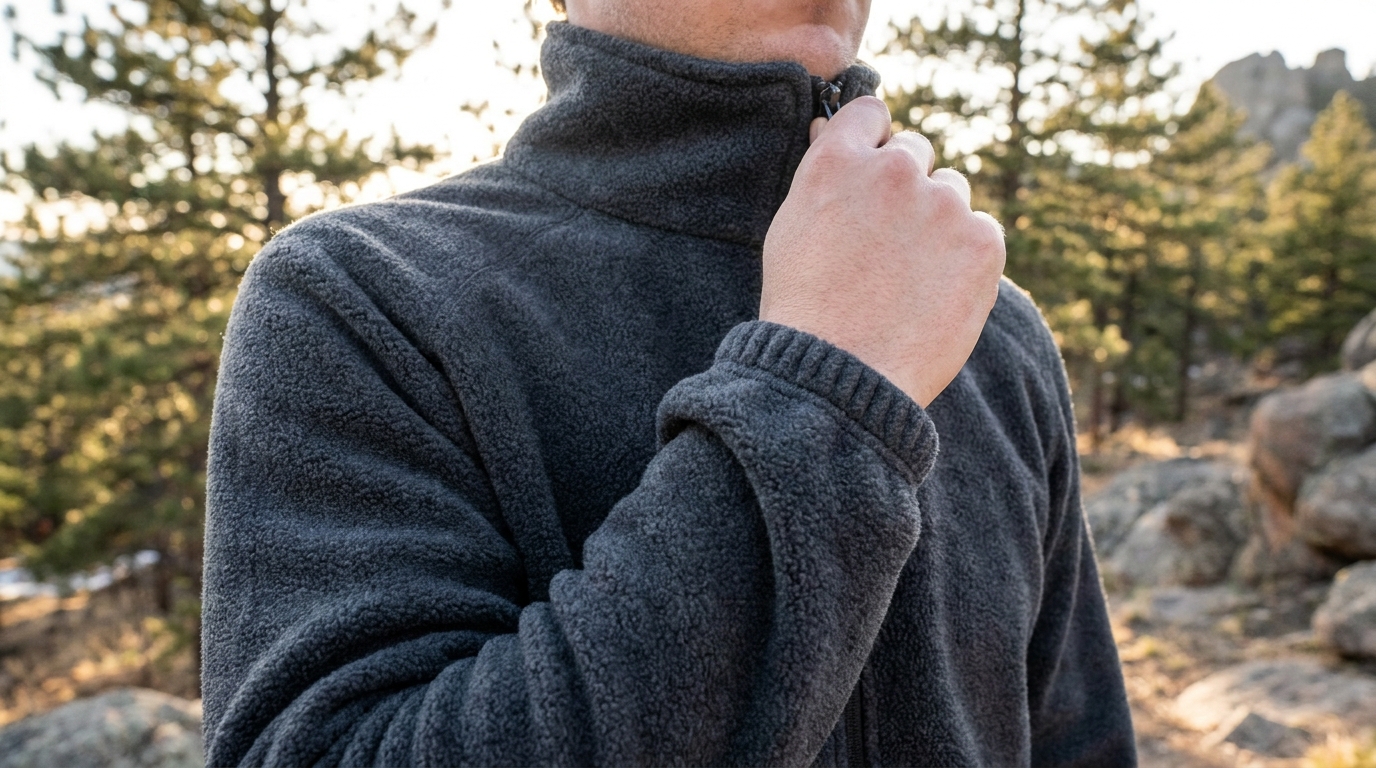
You just learned how fabric weight dictates thermal insulation. But do fleece jackets keep you warm if they fit poorly? No, even the thickest fabric fails if cold air easily slips inside. You need specific design elements to maximize heat retention. Let us explore the essential features you should look for in a warm fleece jacket.
The Importance of a Proper Fit
Fit plays a massive role in temperature control. A proper fit should feel snug but remain comfortable. If you wear an oversized garment, large gaps form around your body. Cold drafts will enter through these gaps. They quickly strip away the dead air we discussed earlier.
Conversely, an overly tight fit compresses the synthetic fibers. This compression destroys the microscopic air pockets. You lose the very loft keeping you cozy. You should always aim for a tailored fit. It must allow room for a light base layer underneath.
Design Elements to Lock in Heat
You want to seal all potential exit points for heat. Look closely at the extremities of the garment. Elastic cuffs wrap tightly around your wrists. They block icy winds from shooting up your arms.
Next, you should inspect the bottom hem area. An adjustable drawcord hem is absolutely crucial. You can pull it tight against your waist. This simple action traps rising body heat inside your core. Finally, a high collar protects your exposed neck. Your neck contains major blood vessels close to the skin surface. Covering this area drastically improves your overall perceived warmth.
Zipper Styles: Full-Zip vs. Pullovers
Zipper length directly impacts how you regulate body temperature. You will typically choose between full-zip and pullover styles.
| Zipper Style | Thermal Benefit | Best Use Case |
|---|---|---|
| Full-Zip | Maximum ventilation. Easy to dump heat quickly. | Changing weather, everyday wear |
| Quarter-Zip / Half-Zip | Fewer gaps for wind. Traps core heat better. | Layering under a shell, active sports |
| Pullover (No Zip) | Ultimate heat retention. Lightest weight. | Extreme cold, sleeping outdoors |
A full-zip design offers the best mechanical ventilation. If you start sweating on a steep trail, you simply unzip it. This action dumps excess heat almost instantly. However, full-length zippers create a weak point where wind penetrates.
Quarter-zip or half-zip styles solve this specific issue. They feature a much shorter zipper track. This design minimizes cold spots across your stomach and chest. Many outdoor enthusiasts prefer this style for a hiking fleece. It layers perfectly under a hardshell without bulky zipper overlap. Pullovers offer ultimate heat retention but limit your venting options.
Weather Resistance: Wind and Rain Protection
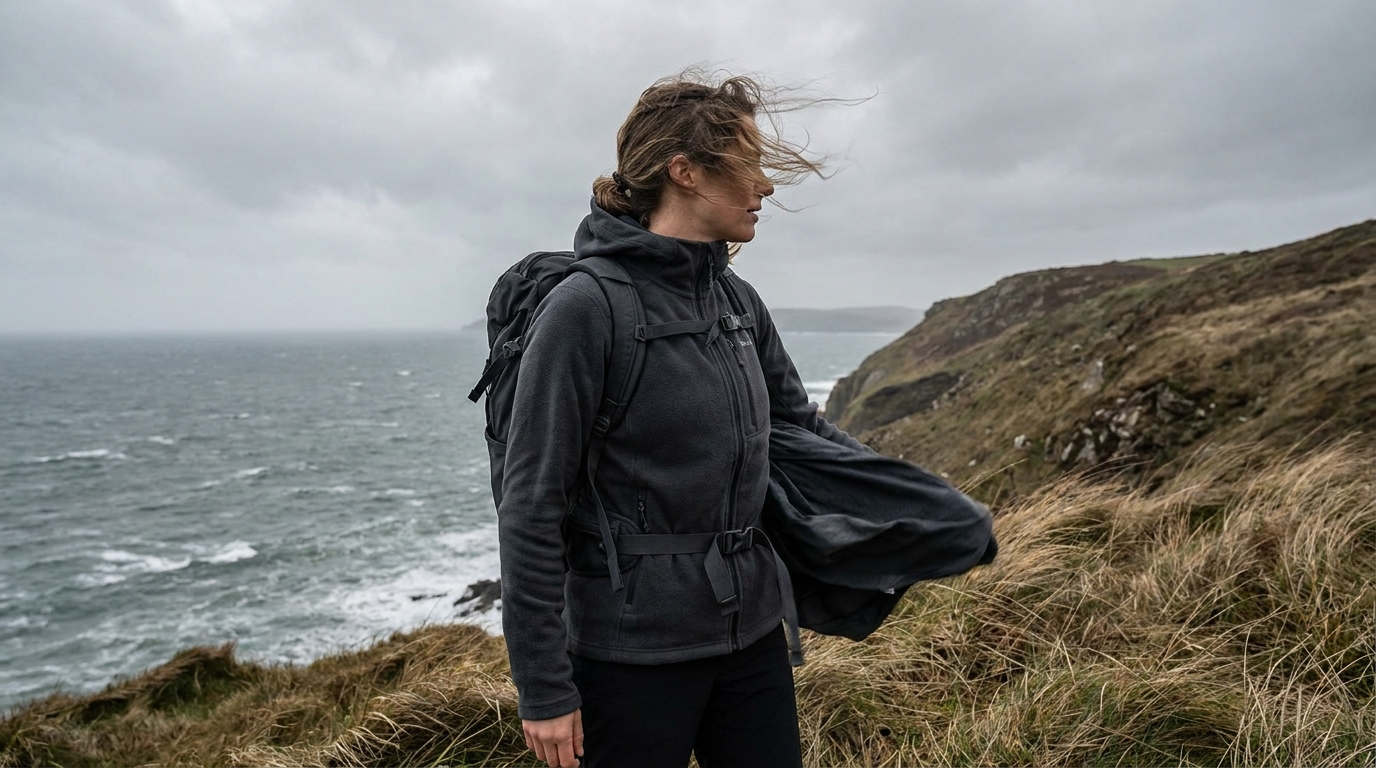
We just explored how quarter-zip styles layer perfectly under a hardshell. But why do you often need that outer shell? Do fleece jackets keep you warm when the weather turns nasty? The answer depends entirely on wind and rain exposure. Standard knit designs excel in calm, dry cold. However, active weather introduces new challenges. Let us look at how these garments handle harsh elements.
Do Fleece Jackets Keep You Warm in the Wind?
As we covered earlier, standard fleece is highly breathable. This open knit structure easily vents sweat during intense activity. Unfortunately, it also allows strong, icy gusts to penetrate the fabric. A brisk 15 mph wind can quickly strip away your trapped body heat. You will feel cold almost instantly.
You can test this yourself using a simple breath test. Hold the fabric up to your mouth and blow through it. If you feel your breath on the other side, wind will easily get through.
To solve this problem, you need a solid barrier. You can wear a separate hardshell over your mid-layer. Alternatively, you can invest in a windproof fleece jacket. These specialized garments feature a hidden internal membrane. Manufacturers bond this thin, wind-blocking layer right between two pieces of soft fleece. It stops wind chill completely while retaining a quiet, textured exterior.
Can You Wear a Fleece in the Rain?
Rain poses another major threat to your core temperature. We know synthetic polyester fibers are naturally hydrophobic. They absorb virtually no water. A standard jacket easily shakes off light mist or dry snow. It also dries incredibly fast compared to cotton or wool.
However, traditional fleece is not inherently waterproof. Heavy rain will eventually soak through the knit structure. Water quickly replaces the microscopic air pockets. When this happens, you lose your thermal insulation.
For wet winter conditions, you have more advanced options. Look for a waterproof fleece jacket. Brands often treat these heavy-duty layers with a Durable Water Repellent (DWR) coating. This chemical treatment forces water to bead up and roll off the surface. Some models even integrate bonded waterproof layers for maximum protection.
| Jacket Type | Wind Resistance | Rain Resistance | Best Weather Conditions |
|---|---|---|---|
| Standard Fleece | Near zero | Light mist / dry snow | Calm, cold days |
| Windproof Fleece | 100% blocked | Light rain | Windy, dry conditions |
| Waterproof Fleece | 100% blocked | Heavy rain / wet snow | Harsh, wet winter weather |
Layering Strategies: Maximizing Your Winter Fleece Jacket
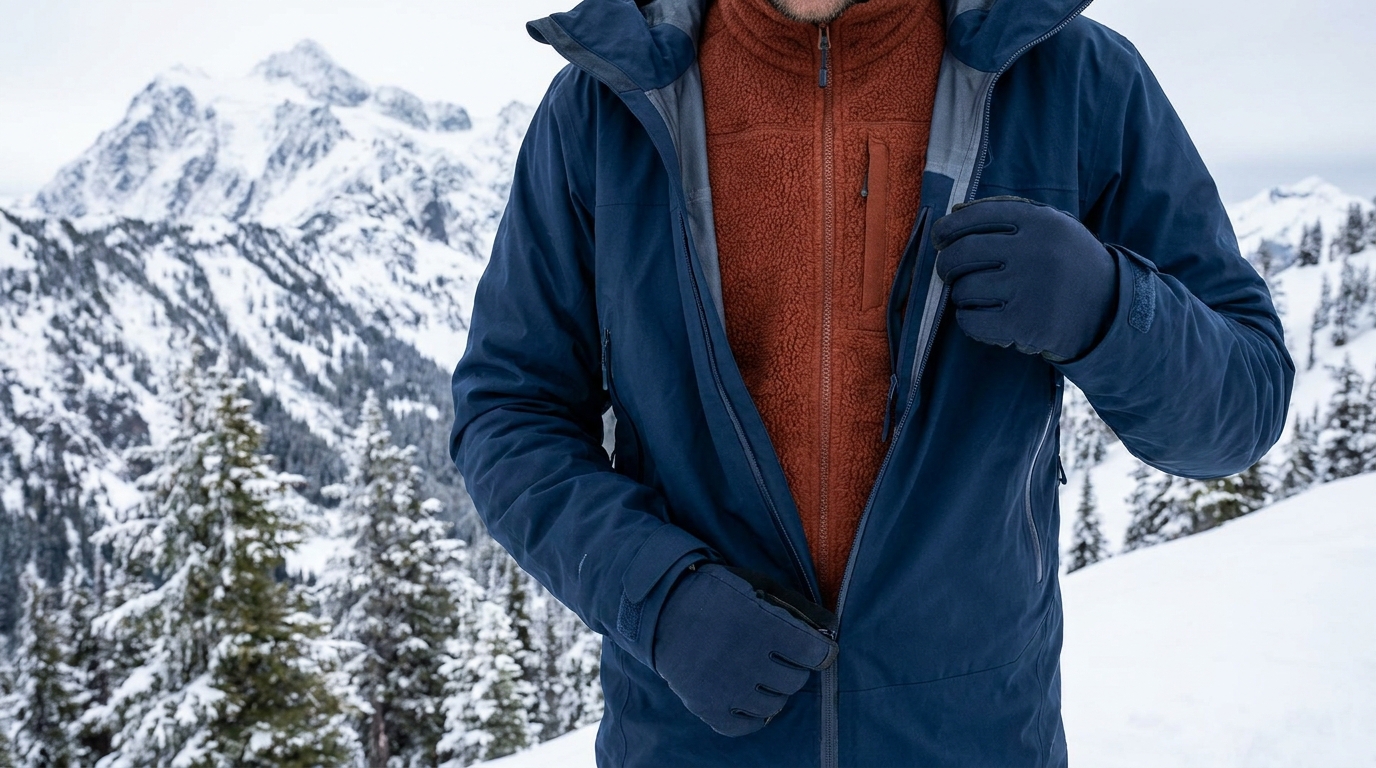
We just saw how standard knit designs need extra protection in heavy rain or biting wind. This brings us to the most effective way to wear these garments. Do fleece jackets keep you warm on their own? Yes, they excel in calm conditions. However, they perform best as part of a complete winter clothing system. Outdoor professionals universally consider them the ultimate mid-layer. Let us break down how to build this three-part system.
The Base Layer: Managing Moisture
You must start right against your skin. A warm fleece jacket cannot do its job if you feel soaking wet from sweat. You should always pair it with moisture-wicking thermal underwear. Choose active materials like merino wool or lightweight synthetics. They actively pull sweat away from your body. This action keeps your skin completely dry. The base layer then passes this moisture directly to the next level.
The Mid-Layer: Trapping Core Heat
This middle section is where your primary insulation sits. As we covered earlier, brushed polyester fibers trap dead air perfectly. A winter fleece jacket fits into this system flawlessly. It retains the vital core heat generated by your body. It also accepts the sweat vapor passing through your base layer. The highly breathable knit structure pushes this moisture outward. Any reputable jacket manufacturer designs these garments specifically for this rapid moisture transfer. You stay incredibly warm without ever feeling clammy.
The Outer Shell: Blocking the Elements
The final piece protects everything underneath. We know a standard hiking fleece lacks a solid protective membrane. Extreme or unpredictable weather demands a tough outer barrier. You should wear a waterproof or windproof hardshell over your insulation. This shell completely stops icy gusts and heavy downpours. It prevents harsh elements from stripping away your trapped body heat.
| Layer Type | Primary Function | Recommended Material |
|---|---|---|
| Base Layer | Moisture management and skin dryness | Merino wool, lightweight synthetics |
| Mid-Layer | Thermal insulation and breathability | Midweight to heavyweight fleece |
| Outer Shell | Weather protection (wind and rain) | Waterproof/breathable hardshell |
Fleece vs. Other Materials: Which Keeps You Warmer?
We just discussed how a complete layering system protects your trapped body heat. You might wonder if natural fibers perform better. Do fleece jackets keep you warm compared to traditional materials? Let us compare these popular insulation options.
Fleece vs. Wool: The Comfort Factor
Traditional wool offers exceptional warmth for its weight. The natural fibers also resist bad odors perfectly. However, wool garments often feel very heavy. Many people also find them incredibly itchy. Fleece solves these specific comfort problems. Manufacturers originally designed it to mimic wool. Yet it remains incredibly soft against your skin. It also dries much faster than natural wool. This rapid drying makes it ideal for damp conditions. You get similar thermal insulation without the heavy, scratchy feel.
Fleece vs. Down: Managing Moisture in the Cold
Goose and duck down provide the ultimate warmth-to-weight ratio. A puffy down jacket feels incredibly light. It excels in dry, freezing temperatures. You should choose down for stationary winter activities. However, down has one massive weakness. Moisture completely destroys its insulating power. When down feathers get wet, they clump together. You instantly lose the trapped dead air. This is exactly where synthetic fibers win. As we covered earlier, polyester holds almost no water. A fleece jacket retains warmth even when damp. It handles active, sweaty pursuits much better than down.
Fleece vs. Cotton: The Danger of Cold Sweat
You should never wear cotton in freezing weather. Outdoor experts repeat this safety rule constantly. Cotton acts exactly like a giant sponge. It absorbs your sweat and holds it there. This trapped moisture cools rapidly in winter air. It quickly pulls vital heat away from your core. You will feel cold and clammy almost immediately. Synthetic materials handle sweat completely differently. A hiking fleece actively pushes moisture outward. It keeps your skin completely dry during intense activity. This moisture management makes it the superior choice. You stay safe and warm during active outdoor pursuits.
| Material | Warmth-to-Weight | Moisture Management | Best Winter Use Case |
|---|---|---|---|
| Fleece (Polyester) | High | Excellent (dries fast, retains heat when damp) | Active pursuits, damp conditions, mid-layering |
| Wool | High | Good (absorbs some moisture but stays warm) | Static activities, odor resistance |
| Down (Feathers) | Highest | Poor (loses all insulation when wet) | Dry cold, standing still, camping |
| Хлопок | Low | Dangerous (traps cold sweat against skin) | Avoid completely in cold weather |
Заключение
Fleece jackets effectively keep you warm by trapping natural body heat. Choose the right weight and fit for your climate. Look for windproof or waterproof fleece jacket options. Invest in a high-quality winter fleece jacket to stay cozy outside.
- Check winter forecasts to pick the best fleece weight.
- Wear a moisture-wicking base layer underneath your jacket.
- Wash your fleece gently to protect its fluffy insulation.
Frequently Asked Questions About Fleece Jackets
Is a fleece jacket warmer than wool?
Wool is often warmer for its weight. It also resists bad odors naturally. However, fleece dries much faster than wool. Fleece is usually cheaper to buy, too. Both materials trap heat very well. You should choose fleece for active sports. Pick wool for very cold, stationary days.
Can I wear a fleece jacket in the rain?
Fleece jackets are not completely waterproof. However, they hold very little water. The synthetic fibers absorb less than one percent of their weight. This means fleece stays warm even when damp. It will dry out very quickly after a rainstorm. For heavy rain, always wear a waterproof shell over it.
Why do I feel cold in my fleece when it is windy?
Standard fleece has almost zero wind resistance. The wind blows right through the knit structure. Gusts quickly strip away your trapped body heat. You can test this by blowing through the fabric. If you feel your breath, the wind will get in. Always wear a windshell over your fleece outside.
Does a fleece jacket lose its warmth over time?
Yes, fleece can lose some warmth as it ages. The fabric traps heat using thick, fluffy fibers. Repeated washing and heavy friction cause these fibers to pill. Pilling creates small fiber balls on the surface. This ruins the loft and reduces heat retention. Proper care helps your jacket last longer.
How should I wash my fleece to keep it warm?
Always turn your fleece inside out before washing. Use cold water on a delicate machine cycle. This gentle process prevents the fibers from pilling. Never use liquid fabric softeners on your fleece. Softeners coat the fibers and ruin their moisture-wicking ability. Air dry your jacket to protect the synthetic loft.
- Check your local weather forecast before choosing your daily layers.
- Test your current jacket’s wind resistance using the breath test.
- Buy a lightweight windshell to wear over your favorite fleece.
- Wash your synthetic jackets in cold water to prevent pilling.
Fleece jackets provide excellent warmth by trapping your body heat. These lightweight garments work best as a breathable mid-layer. They handle moisture well but offer little wind protection. You must pair them with a solid outer shell in harsh weather. Proper washing keeps the synthetic fibers fluffy and effective. Choose the right fabric weight to match your outdoor activity level.