Portuguese
  English
  French
  German
  Japanese
  Russian
  Spanish
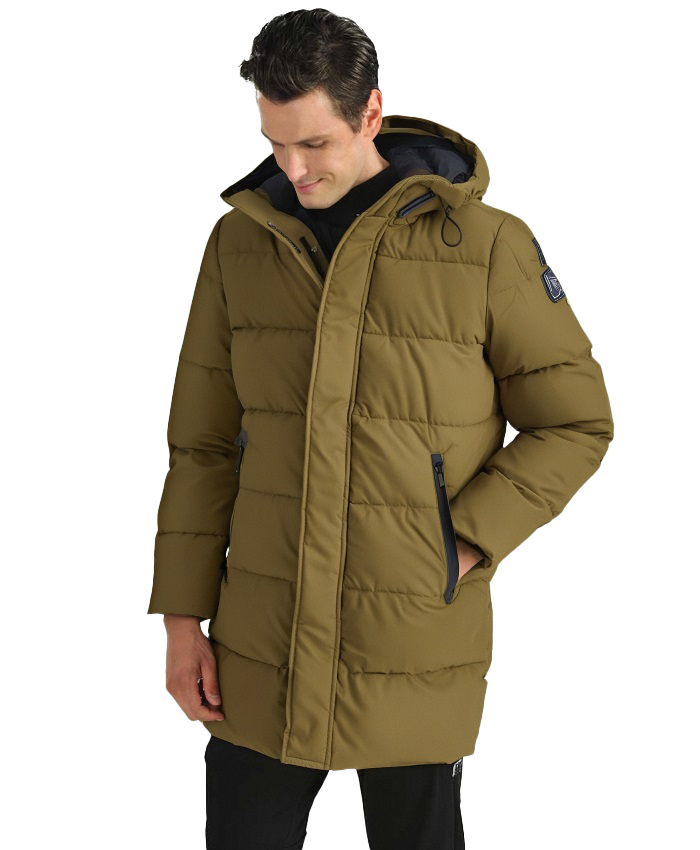
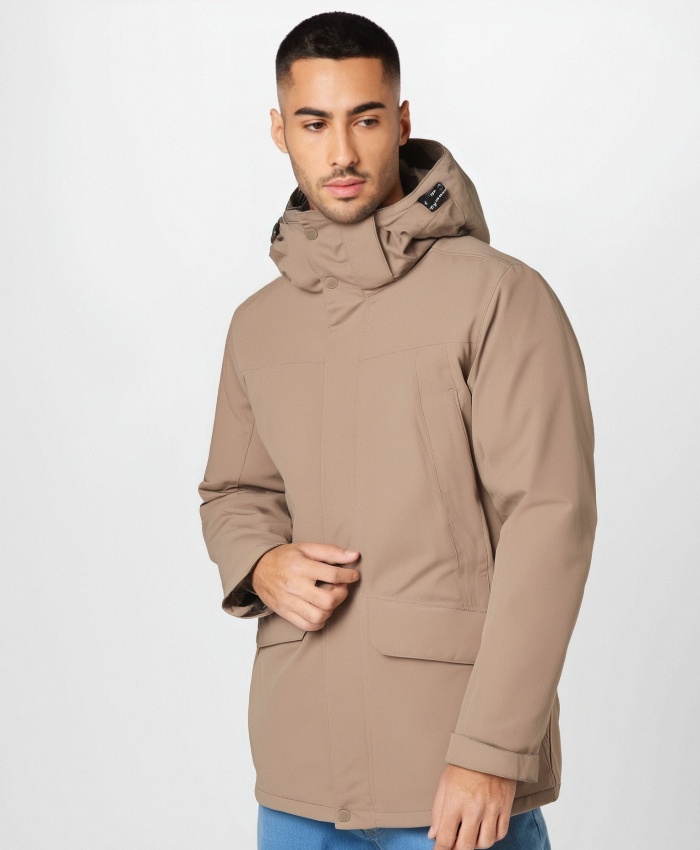
Braving sub-zero temperatures demands highly reliable winter gear. But what makes a parka warm?
Born in the Arctic, a true winter parka jacket doesn’t rely on magic.
In this post, insulation, fabric, and construction are explained. You will learn how they perfectly trap body heat.
The Core of Heat Retention: Parka Insulation Explained
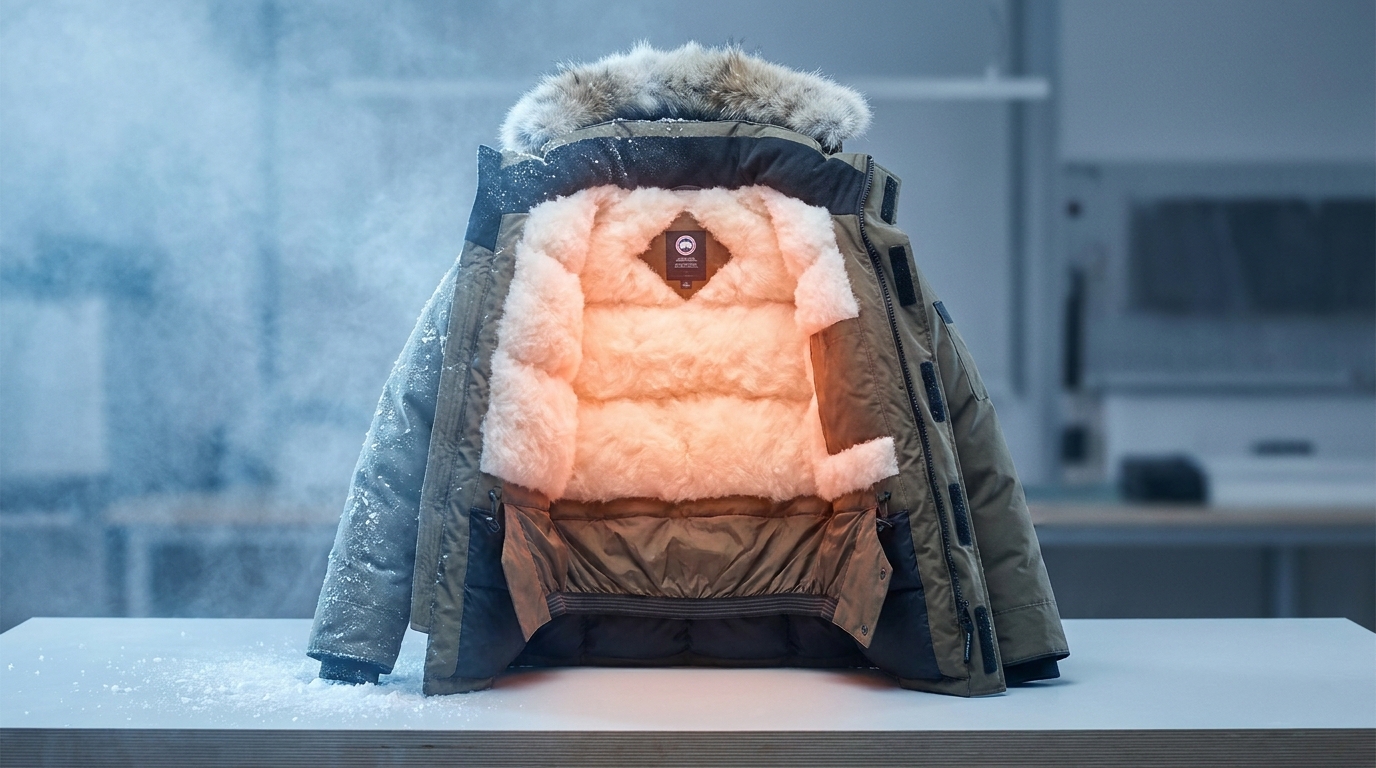
As introduced earlier, garments do not magically create warmth. Your own body acts as the internal furnace. An insulated parka simply captures the heat you naturally produce. It builds a barrier by trapping a thick layer of dead air. This still air prevents the freezing outside environment from stealing your body heat. The thicker this thermal barrier remains, the warmer you will feel.
Down Insulation in a Winter Parka Jacket
Goose and duck down remain the gold standard for dry, freezing climates. When evaluating a winter parka jacket, you will frequently see a Fill Power (FP) rating. This number measures the loft and quality of the down clusters. A 550 FP rating represents entry-level warmth. Ratings between 650 and 750 FP indicate high-quality insulation. Premium expedition parkas utilize 800 to 900+ FP down. Higher fill power means the material traps more air per ounce. This provides an exceptional warmth-to-weight ratio.
However, fill power only tells half the story. Fill weight measures the actual mass of the insulation in grams. The physical amount of down matters just as much as its quality. A 900 FP jacket containing only 50 grams of down will feel cold. A 600 FP jacket packed with 200 grams of down will keep you much warmer. You need both high loft and sufficient volume for extreme cold.
Down offers superior warmth and extreme compressibility. It also lasts for decades under proper care. The main drawback involves moisture. Standard down clumps together and loses its insulating properties when wet.
Synthetic Insulation
If you face damp, sleety conditions, synthetic insulation offers a distinct advantage. Engineers design polyester fibers to mimic the structure of natural down. Brands like PrimaLoft and Thinsulate create these advanced synthetic clusters. High-end synthetic materials achieve a warmth level roughly equivalent to 500 or 550 FP down.
Synthetic insulation retains its warmth even when exposed to moisture. The synthetic fibers absorb very little water. They will not collapse under heavy snow, freezing rain, or intense sweat. This makes them highly reliable for active use in unpredictable weather.
Hybrid Insulation Systems
You no longer need to choose just one type of insulation. Modern parkas frequently combine down and synthetic materials for optimal performance. Designers place premium down around your core torso areas. This strategy maximizes heat retention where your vital organs need it most.
They then map synthetic insulation into moisture-prone zones. You will typically find synthetic fill in the shoulders, cuffs, and collar. These areas frequently encounter rain, melting snow, and body sweat. This hybrid approach delivers maximum warmth without sacrificing weather resistance.
| Insulation Feature | Natural Down | Synthetic Fill |
|---|---|---|
| Warmth-to-Weight Ratio | Excellent (High loft, very lightweight) | Moderate (Slightly heavier for equal warmth) |
| Wet Weather Performance | Poor (Clumps and loses heat unless treated) | Excellent (Retains loft and warmth when wet) |
| Compressibility | High (Packs down very small) | Low to Moderate (Bulkier to pack) |
Shielding the Elements: Outer Fabric and Weather Resistance
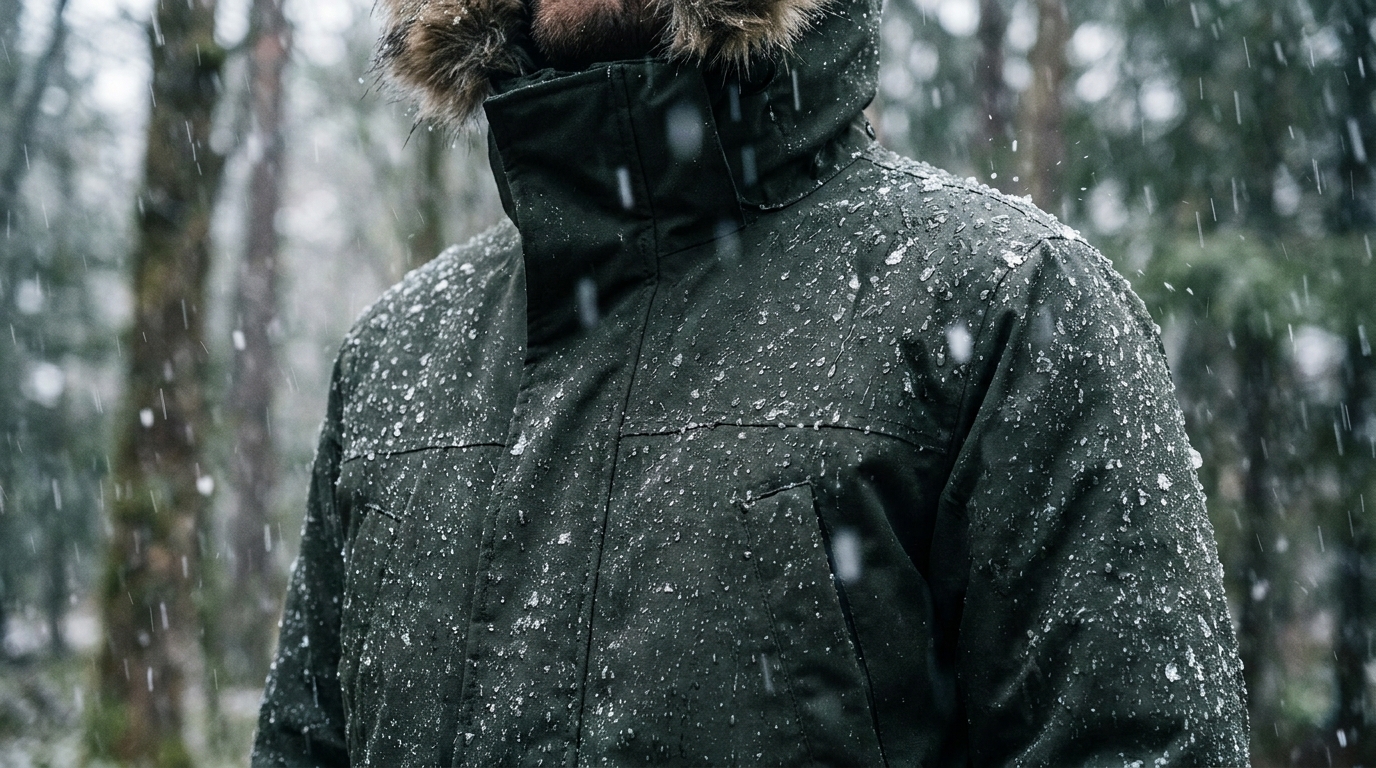
You just learned how natural down and synthetic fill trap your body heat. But the thickest insulation becomes useless if the outer shell fails. Cold winds will quickly strip that trapped heat away. Rain and heavy snow will soak the fill, collapsing its loft. To truly understand what makes a parka warm, we must examine the outer fabric. It acts as your primary shield against harsh winter elements.
Windproof Capabilities
A biting wind can cut right through cheap materials. This causes rapid heat loss known as the wind chill effect. To prevent this, premium parkas use tightly woven synthetic fabrics. Heavy-duty nylon and polyester block icy gusts from reaching your core.
Manufacturers measure this fabric thickness and durability using Denier (D). A standard winter shell typically uses 40D to 80D fabric. However, industrial or expedition-grade garments step up to 150D or higher. This thicker material completely seals out the wind. It also provides rugged durability against tears and abrasions.
Waterproof vs. Water-Resistant Fabrics
Blocking wind represents only half the battle. You must also keep the internal insulation completely dry. If water penetrates the shell, natural down clumps together. It instantly loses its heat-trapping loft. Brands achieve weather resistance using two primary methods.
Water-resistant shells often rely on a Durable Water Repellent (DWR) coating. This chemical treatment forces water to bead up and roll off the surface. It works perfectly in light, dry snow. However, a simple DWR coating struggles in heavy, freezing rain.
For extreme, wet conditions, you need a fully waterproof membrane. Technologies like Gore-Tex or Pertex sit directly beneath the outer fabric. They feature microscopic pores that block liquid water entirely. Choosing a 2-layer or 3-layer waterproof laminate ensures your insulation stays dry. Keeping that fill dry remains critical to what makes a parka warm in unpredictable climates.
The Importance of Breathability
You might think a completely sealed rubber raincoat would make the warmest shell. That assumption ignores a critical factor: your own sweat. Even in freezing temperatures, walking or working generates body heat and perspiration.
A high-quality parka must allow this sweat vapor to escape. Industry experts measure this using the Moisture Vapor Transmission Rate (MVTR). If a shell lacks breathability, moisture gets trapped inside the jacket. This internal dampness will eventually freeze. It rapidly cools your body, completely defeating the purpose of your insulation. A breathable membrane balances windproofing with moisture management. It keeps you dry from both the inside and the outside.
| Fabric Technology | Moisture Protection | Breathability (MVTR) | Best Use Case |
|---|---|---|---|
| DWR Coating (Water-Resistant) | Sheds light snow and drizzle | Very High | Dry, freezing climates with light snow |
| 2-Layer Membrane (Waterproof) | Blocks heavy rain and wet snow | Moderate | Everyday winter wear in mixed weather |
| 3-Layer Laminate (Waterproof) | Maximum protection against all moisture | High | Extreme alpine or expedition conditions |
The Blueprint of Heat: Parka Construction Explained
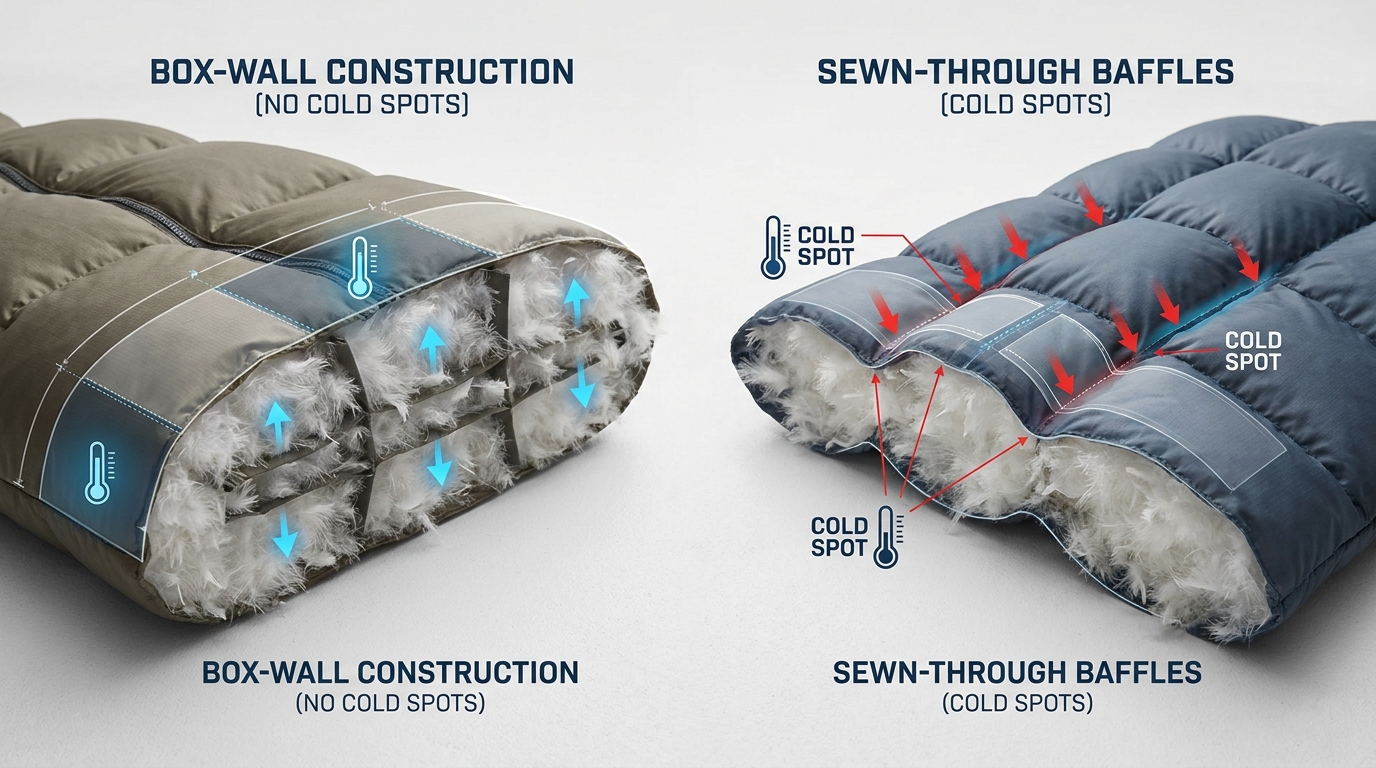
You now know how insulation traps heat and outer fabrics block the weather. But throwing premium materials together does not automatically create a warm jacket. The physical assembly of an insulated parka directly impacts its thermal efficiency. If designers stitch it together poorly, cold air will easily find a way inside. Let’s explore how smart construction techniques lock in your body heat.
Baffle Construction Techniques
The way a brand holds insulation in place makes a massive difference. Manufacturers use baffles to create individual interior chambers. These hold down or synthetic clusters evenly across the garment.
Sewn-through baffles represent the most common construction method. The outer fabric stitches directly to the inner lining. This pinches the inner and outer materials tightly together. It creates a lightweight and affordable garment. However, these pinched seams contain absolutely no insulation. They act as thermal bridges where body heat escapes. We commonly refer to these vulnerable areas as cold spots.
For extreme freezing temperatures, box-wall construction proves highly superior. Designers build three-dimensional square chambers inside the jacket. The shell fabric never pinches against the interior lining. This allows the insulation to reach its maximum loft. It completely eliminates cold spots at the seams. This premium method also prevents icy winds from penetrating the garment.
| Construction Type | Design Structure | Thermal Efficiency |
|---|---|---|
| Sewn-Through | Fabric pinched and stitched directly | Moderate (prone to cold spots) |
| Box-Wall | 3D internal fabric chambers | Maximum (eliminates cold spots entirely) |
Seam Sealing
Every time a needle pierces fabric, it creates a tiny hole. Thousands of these micro-holes exist across a winter parka jacket. Left untreated, icy drafts and freezing water will leak right through them.
To prevent this, manufacturers apply waterproof tape over the interior seams. You will typically see two distinct levels of protection. Critically taped seams only cover the most exposed areas. These usually include the shoulders, neck, and chest. This works fine for mild winter days and light flurries.
Fully taped seams cover every single stitch inside the garment. This seals the entire shell completely. It guarantees absolute protection against harsh winds and heavy moisture.
Length and Coverage
A standard winter jacket usually stops right at your waist. A true parka must extend much lower. It typically reaches mid-thigh or drops all the way down to your knees.
This extra length provides crucial thermal benefits. It covers your vital core completely. It also protects the major blood vessels in your legs, like the femoral artery. Shielding these arteries prevents cold blood from circulating back up to your heart. Every inch of added length can increase your perceived warmth by up to ten percent. It seals off lower drafts and traps heat exactly where you need it most.
Crucial Design Features That Maximize an Insulated Parka’s Warmth
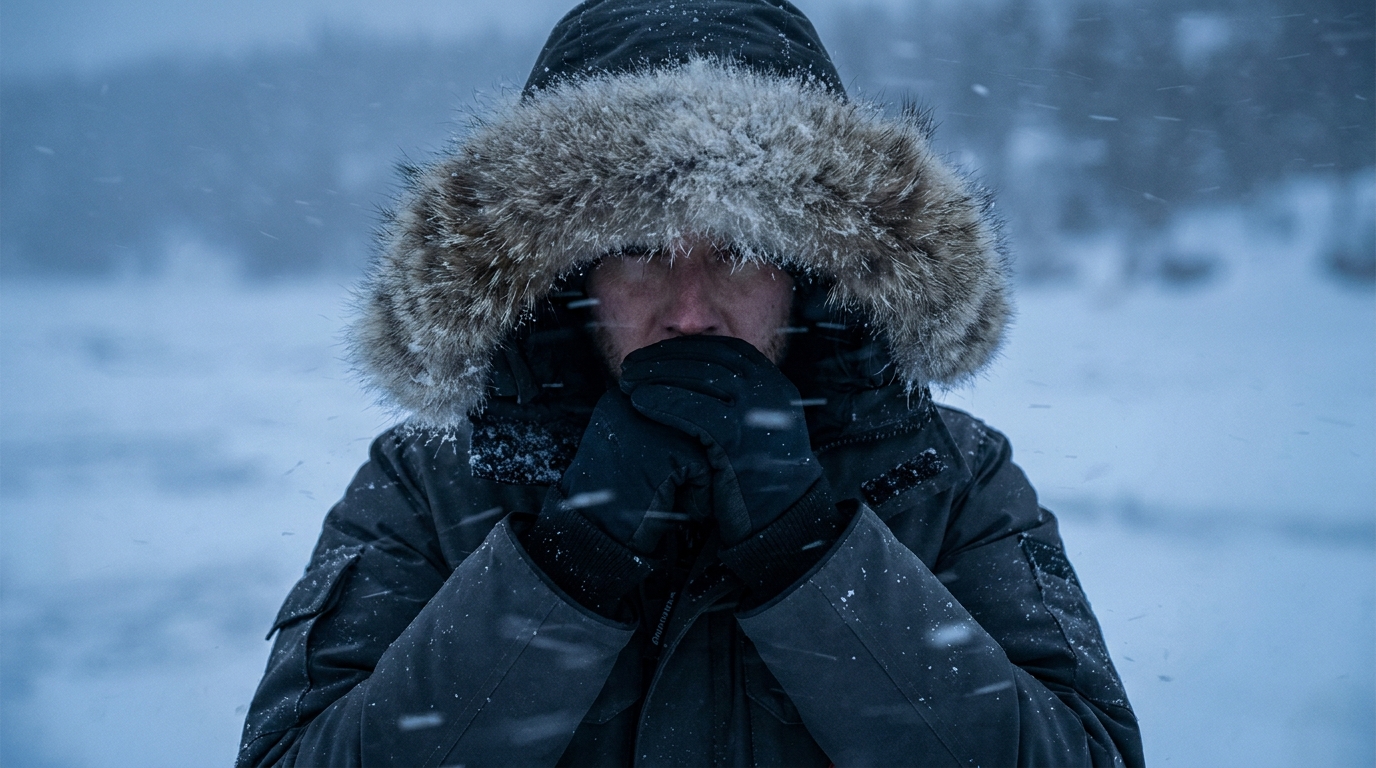
Just as extra length seals off lower drafts, you must secure every other opening. Even the best box-wall baffles fail if cold air rushes down your neck. What makes a parka warm ultimately comes down to these crucial finishing touches. Let us look at how smart design features lock down your personal micro-climate.
Advanced Hood Design
You lose a significant amount of heat through an exposed head. A deep, insulated collar acts exactly like a thick scarf. It seals the top of the garment to prevent the chimney effect. This effect happens when trapped warm air rises and escapes past your neck. Above this collar, a snorkel hood offers extreme weather protection. This tunnel-like design extends past your face to block biting crosswinds.
Many premium jackets also feature a fur ruff around the hood edge. Designers do not add this just for aesthetics. Real fur features uneven hair lengths. These hairs disrupt freezing wind flow before it ever hits your skin. They create a small, warm micro-climate right in front of your face. This barrier prevents frostbite on your nose and cheeks during severe blizzards.
You can also find high-quality faux fur alternatives today. Keep in mind, synthetic faux fur can sometimes freeze or clump from your breath. Natural fur sheds this moisture and frost much more effectively.
Cuffs and Closures
Your wrists and chest present major vulnerabilities to freezing winds. Designers combat sleeve drafts using recessed storm cuffs. These internal, rib-knit elastic bands sit hidden inside the sleeve fabric. They hug your wrists tightly to seal out icy drafts completely. This recessed design also integrates perfectly over heavy winter gloves.
Down the front, the main zipper requires serious reinforcement. A heavy-duty, two-way zipper allows you to open the bottom for mobility. You need this flexibility when sitting or climbing over snowbanks. However, standard zippers inherently leak warm air.
To fix this, manufacturers add a snap-closure storm flap. Industry professionals often call this a placket. This wide strip of insulated fabric covers the zipper completely. It blocks frontal wind penetration entirely. Many designs also include an internal draft tube behind the zipper. Think of it exactly like weather-stripping for your front door.
Pocket Placement and Linings
Cold hands will quickly ruin any outdoor winter experience. Proper pocket design goes far beyond simple item storage. High-end winter gear features dedicated handwarmer pockets. Designers strategically place these at the mid-chest or upper waist level. This natural resting position encourages better blood flow to your fingers.
Crucially, these pockets sit behind the primary insulation layer. They do not sit on the outside of the shell. This internal placement allows your hands to share your core body heat. They also feature soft fleece linings. The fleece provides instant warmth and wicks away minor sweat from your palms.
| Design Feature | Location | Primary Thermal Function |
|---|---|---|
| Snorkel Hood & Ruff | Head and Neck | Disrupts wind flow and prevents the chimney effect. |
| Recessed Storm Cuffs | Wrists | Seals sleeves against drafts and integrates gloves. |
| Storm Flap (Placket) | Front Zipper | Blocks frontal wind penetration through zipper teeth. |
| Handwarmer Pockets | Chest or Waist | Utilizes core body heat to protect extremities. |
Conclusão
A reliable winter parka jacket relies on perfect design teamwork.
Quality insulation traps your body heat, while durable outer fabric blocks freezing wind and snow.
Smart construction eliminates cold drafts completely.
Take these actions before purchasing your next insulated parka:
- Read the garment tags to verify the exact fill power.
- Match the shell material to your specific local winter climate.
- Inspect storm cuffs and heavy-duty zippers for a tight seal.
Frequently Asked Questions About Parka Warmth
Why is my expensive parka not keeping me warm?
You might have a jacket with high fill power but low fill weight. This means the down is high quality but there is simply not enough of it. Another reason could be stitch-through construction. This method pinches the fabric at the seams. Heat easily escapes through these thin, uninsulated lines. Wind can also leak through these weak spots. Make sure your parka has enough insulation mass. Look for box-wall baffles to prevent cold spots.
Should I choose down or synthetic insulation for wet weather?
Synthetic insulation is always the better choice for rainy or humid climates. High-end synthetics can mimic the warmth of 550-fill power down. More importantly, synthetic fibers retain their heat-trapping ability when soaking wet. Regular down clusters will clump together in heavy rain. When down loses its loft, it completely stops keeping you warm. You can also look for hydrophobic down. This treated down resists water much longer than standard down.
Does faux fur on a parka hood actually keep you warm?
Real fur ruffs are highly functional for extreme cold. They disrupt harsh winds and prevent frostbite around your face. Faux fur is usually just for aesthetic purposes. Fake fur tends to freeze and clump together when exposed to wet snow. A well-designed snorkel hood can still trap heat without any fur. However, real fur remains the best option for true arctic conditions.
What is the difference between box-wall and stitch-through baffles?
Stitch-through baffles are created by sewing the outer fabric directly to the inner lining. This creates pinched seams where cold air can easily enter. Box-wall construction uses a completely different method. It builds three-dimensional square chambers inside the jacket. This allows the down to reach its maximum loft. It also prevents the insulation from being compressed at the edges. Box-wall parkas are significantly warmer because they eliminate cold spots entirely.
How does the length of a parka affect its overall warmth?
A true parka must extend below your hips. Every extra inch of length adds significant warmth to your body. Longer jackets protect your femoral artery from freezing winds. This helps keep your circulating blood much warmer. Short jackets allow cold air to draft up your back. A longer hem essentially seals the bottom opening. This prevents the dreaded chimney effect from stealing your core body heat.
Next Steps for Choosing Your Parka
- Check the fill weight before buying any winter coat.
- Inspect the hood design for proper wind protection.
- Choose synthetic insulation if you live in rainy areas.
- Verify that hand-warmer pockets sit behind the insulation layer.
A warm parka relies on a careful balance of quality insulation, durable fabrics, and smart construction. High fill weight and box-wall baffles trap your body heat effectively. Weather-resistant outer shells block harsh winds and moisture. Proper length and sealed openings prevent cold drafts from entering. Understanding these technical features helps you choose the perfect winter coat.