Portuguese
  English
  French
  German
  Japanese
  Russian
  Spanish
Leather offers a timeless appeal in fashion and furniture. Yet, confusing labels often trick shoppers.
Are you torn between synthetic PU leather and genuine leather? This common debate frustrates many buyers.
In this guide, you will discover their key differences. We will help you make a smart purchase.
What is PU Leather?

Before comparing these materials, you need to understand their exact composition. PU stands for polyurethane, a completely synthetic material. People frequently call it faux leather, vegan leather, or pleather. It contains absolutely no animal products.
The Manufacturing Process
Creating this synthetic fabric involves a specific chemical process. Manufacturers do not use animal hides. Instead, they start with a flexible base material. They typically choose woven cotton or polyester. Next, they coat this fabric base. They apply a liquid thermoplastic polymer directly onto the cloth.
This plastic coating cures and hardens quickly. After drying, heavy machines press a textured pattern into the surface. This mechanical stamping mimics natural animal pores. The final product has a uniform thickness across the entire roll. It provides a consistent stretch unseen in natural hides.
Common Applications
Brands rely heavily on polyurethane for several practical reasons. It generally costs one-third to one-half the price of real hides. This makes it perfect for budget-friendly furniture and fast fashion.
You can easily find an affordable, trendy PU leather jacket in most retail stores. It offers a sleek look for a fraction of the cost. In contrast, crafting a genuine leather jacket requires expensive raw materials and complex tanning procedures.
Here is a quick breakdown of common polyurethane applications:
- Fast Fashion: Seasonal apparel, belts, and affordable sneakers.
- Upholstery: Budget sofas, dining chairs, and headboards.
- Accessories: Inexpensive handbags, phone cases, and everyday wallets.
- Vegan Alternatives: Cruelty-free products specifically marketed to avoid animal use.
| Feature | PU Leather Characteristic |
|---|---|
| Composition | 100% synthetic (thermoplastic polymer over fabric) |
| Breathability | Zero to very low (retains heat) |
| Water Resistance | Highly waterproof and non-porous |
| Thickness | Completely uniform across the roll |
What is Genuine Leather?
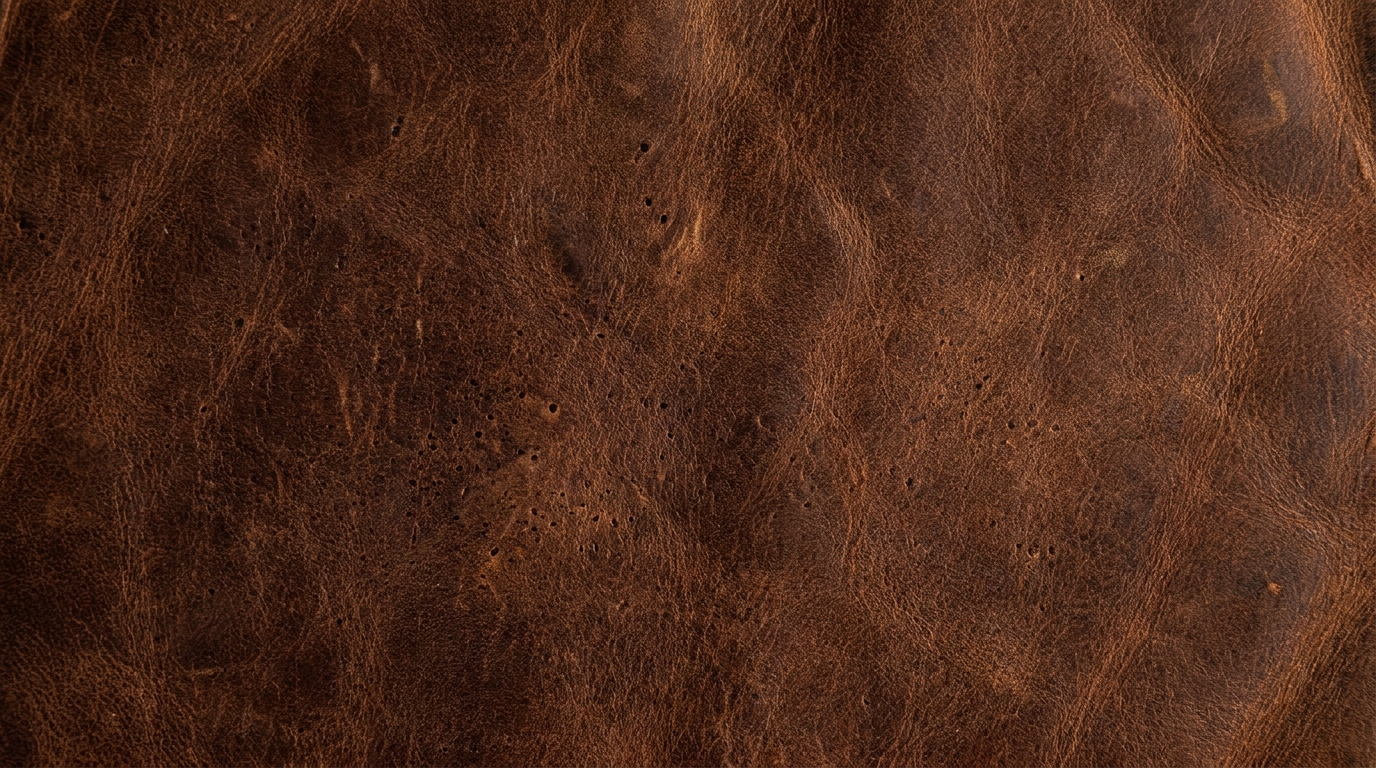
While polyurethane offers a budget-friendly, uniform option for fast fashion, natural hides provide a completely different experience. If you are exploring PU leather vs genuine leather: what’s the difference, you must first understand its natural origins.
Unlike synthetic plastics, genuine leather comes directly from nature. Manufacturers craft it from animal hides. Cowhide remains the most common source. Because it comes from an animal, it features randomly distributed natural pores. This makes the material highly breathable. It naturally absorbs moisture unless treated. It also possesses a natural, limited stretch. The material will give and conform to your body over time.
Understanding Leather Grades
Shoppers often misunderstand the exact terminology. You might think “genuine leather” means the absolute best quality available. In the industry, it actually refers to a specific grade. It sits lower on the quality scale compared to premium cuts.
- Full-Grain Leather: The highest quality available. It includes the entire natural grain. It develops a rich, glossy patina over time.
- Top-Grain Leather: The second-highest tier. Workers sand away surface imperfections. It feels smoother but loses a small amount of durability.
- Genuine Leather: Technically the third or fourth grade. It comes from the lower layers of the hide after splitting. It lacks the original grain surface.
- Bonded Leather: The lowest grade. Manufacturers glue shredded scraps together.
The Traditional Tanning Process
Raw animal skin decomposes quickly. To prevent this, workers must preserve the hide. They use a complex process called tanning. This method alters the protein structure of the skin. It stops decay and turns the raw hide into a highly durable material.
Depending on the technique, tanneries use natural vegetable tannins or chromium salts. This process gives real leather its distinct, earthy scent. You will never smell the harsh chemical odor often found in synthetic alternatives.
Common Applications
Because of its longevity, natural leather serves different purposes than its synthetic counterpart. It easily lasts 10 to 20 years with proper conditioning. People choose this material for high-use, long-lasting items.
A classic genuine leather jacket represents a serious wardrobe investment. It withstands decades of daily wear. It resists punctures far better than synthetic fabrics.
Other common uses include:
- Premium Footwear: Heavy-duty work boots and luxury dress shoes.
- Heirloom Furniture: High-end sofas and durable armchairs.
- Everyday Accessories: High-use wallets and thick belts.
| Feature | Genuine Leather Characteristic |
|---|---|
| Composition | 100% natural animal hide (typically cowhide) |
| Breathability | High (naturally porous and regulates heat) |
| Water Resistance | Absorbs water easily unless chemically treated |
| Lifespan | 10 to 20+ years (requires regular conditioning) |
PU Leather vs Genuine Leather: Key Differences
As we covered earlier, natural hides and synthetic polymers serve very different purposes. Now you understand their origins. Let’s put them head-to-head. When debating PU leather vs genuine leather: what’s the difference, you must look beyond the surface. Their performance in daily life varies drastically.
Durability and Lifespan
Natural hides easily outlast synthetic options. Real leather resists punctures and tearing exceptionally well. If you condition it regularly, it often survives 10 to 20 years. PU leather tells a different story. The plastic coating eventually dries out. You can expect a lifespan of just two to five years. After this short period, the synthetic surface typically begins cracking or peeling.
Look, Feel, and Texture
Manufacturers stamp a mechanical pattern onto polyurethane. Every inch looks completely identical. Genuine hide features natural imperfections. You will notice random pore distribution and unique grain variations across the surface.
You can easily feel this difference. Try pressing your finger firmly into the material. Real hide wrinkles naturally around your finger, much like human skin. Polyurethane simply compresses under pressure. It never radiates natural wrinkles.
Breathability and Comfort
Comfort depends heavily on air circulation. Since it originates from animals, real hide remains highly breathable. It naturally regulates temperature. Polyurethane acts like a solid plastic shield. It offers almost zero breathability.
This synthetic barrier traps your body heat. It often feels sticky and sweaty during hot summers. In winter, the plastic surface feels noticeably colder against your skin.
The Aging Process
Time reveals the starkest contrast between these materials. High-quality natural hide ages beautifully. It absorbs natural oils and develops a rich, glossy sheen called a patina. It grows softer and more comfortable over the years.
Polyurethane cannot develop a patina. The thermoplastic polymer simply degrades. It eventually delaminates from its fabric base. Once this flaking and peeling starts, you cannot repair the damage.
Cost Comparison
Your budget plays a major role in this decision. Synthetic options generally cost one-third to one-half the price of real hides. This makes polyurethane highly attractive for trendy, seasonal purchases.
Natural leather requires a larger upfront investment. High-end cuts can cost five to ten times more than synthetic alternatives. You pay a premium for the complex tanning process and durable raw materials.
| Feature | PU Leather | Genuine Leather |
|---|---|---|
| Average Lifespan | 2 to 5 years | 10 to 20+ years |
| Aging Process | Fades, cracks, and peels | Softens and develops a rich patina |
| Breathability | Traps heat and moisture | Regulates temperature naturally |
| Surface Texture | Uniform, artificial stamped grain | Unique grain with natural imperfections |
| Price Point | Highly affordable | Significant upfront investment |
Pros and Cons of PU Leather
We just explored how these materials compare in price, durability, and texture. When evaluating PU leather vs genuine leather: what’s the difference, you must weigh these specific traits. Let’s break down the exact advantages and drawbacks of choosing the synthetic option. Is polyurethane the right choice for your lifestyle? Here is a clear look at its benefits and flaws.
The Advantages of PU Leather
Polyurethane offers several distinct benefits for modern shoppers. It caters perfectly to specific budgets and ethical preferences.
- Highly Affordable: As we covered earlier, synthetic materials cost significantly less upfront. You can easily update your wardrobe or furnish a room on a tight budget.
- 100% Vegan-Friendly: This material uses absolutely no animal hides. It provides a cruelty-free alternative for ethically conscious buyers.
- Highly Water-Resistant: The solid plastic coating repels liquids instantly. Spills simply bead up on the surface. You can wipe them away effortlessly.
- Lightweight: Synthetic fabrics weigh much less than thick animal hides. This makes faux leather garments incredibly comfortable for casual daily wear.
- Versatile Colors and Styles: Manufacturers can dye polyurethane any color imaginable. You will easily find bright reds, deep blues, and trendy patterns on store shelves.
The Drawbacks of PU Leather
Despite its affordability and vibrant colors, this synthetic material carries a few notable disadvantages. You should consider these long-term issues before buying.
- Shorter Lifespan: Polyurethane simply cannot match the longevity of natural hides. It usually lasts only two to five years before degrading.
- Prone to Peeling and Cracking: Over time, the thermoplastic polymer dries out. It eventually flakes and delaminates from its fabric backing. You cannot repair this structural damage once it begins.
- Lacks Breathability: The solid, non-porous surface traps body heat. It often feels sticky during summer and uncomfortably cold in winter.
- Not Biodegradable: Because it relies on petroleum-based plastics, this material harms the environment. It will sit in landfills for centuries rather than decomposing naturally.
| Pros of PU Leather | Cons of PU Leather |
|---|---|
| Highly affordable | Shorter lifespan (2 to 5 years) |
| 100% vegan-friendly | Prone to peeling and cracking |
| Highly water-resistant | Zero to low breathability |
| Lightweight for daily wear | Not biodegradable |
| Available in bright colors | Traps body heat and moisture |
Pros and Cons of Genuine Leather
We just looked at the benefits and flaws of synthetic polyurethane. It offers a cheap, colorful, and vegan option. But what if you need a longer-lasting material? When comparing PU leather vs genuine leather: what’s the difference in everyday performance? Natural animal hides offer a completely different set of strengths and weaknesses. Let’s explore why many people still prefer traditional materials for their boots and furniture.
The Advantages of Genuine Leather
Unlike synthetic plastics, real animal hides provide unmatched longevity. They offer several unique benefits you simply cannot get from artificial fabrics.
- Exceptional Durability: Natural hides resist punctures and tearing easily. As we covered earlier, a well-cared-for piece easily survives 10 to 20 years.
- Highly Breathable: Real hides feature natural pores. They allow air to circulate freely. This prevents the sticky, sweaty feeling common in synthetic garments.
- Molds to Your Body: Natural materials stretch slightly over time. A thick pair of boots or a heavy jacket eventually conforms to your exact shape.
- Develops a Natural Patina: Instead of peeling, real hides age beautifully. They absorb natural oils and develop a rich, glossy sheen. This patina makes older pieces look even better.
- Easily Repairable: You can fix minor scratches and scuffs. A good conditioner or dye brings old hides back to life. You cannot do this when polyurethane starts flaking.
The Drawbacks of Genuine Leather
While it lasts for decades, natural hide is not perfect for everyone. You must consider a few significant drawbacks before making a purchase.
- Higher Price Point: Quality comes at a cost. You will pay a premium for the complex tanning process. It requires a much larger upfront investment compared to faux alternatives.
- Requires Regular Maintenance: You cannot just wipe it down and forget about it. Real hides dry out over time. You must apply specialized conditioners regularly to prevent cracking.
- Not Suitable for Vegans: Manufacturers craft this material directly from animal skins. It does not fit a cruelty-free or vegan lifestyle.
- Vulnerable to Excessive Moisture: Natural pores absorb water easily. If you soak a real hide without treating it first, it can stain, warp, or grow mold.
| Pros of Genuine Leather | Cons of Genuine Leather |
|---|---|
| Exceptional durability (10 to 20+ years) | Significant upfront price point |
| Highly breathable and comfortable | Requires regular conditioning |
| Molds perfectly to your body shape | Not suitable for vegan lifestyles |
| Develops a rich, beautiful patina | Vulnerable to excessive moisture |
| Easily repairable using dyes and creams | Heavier than synthetic alternatives |
How to Tell the Difference Between PU and Genuine Leather
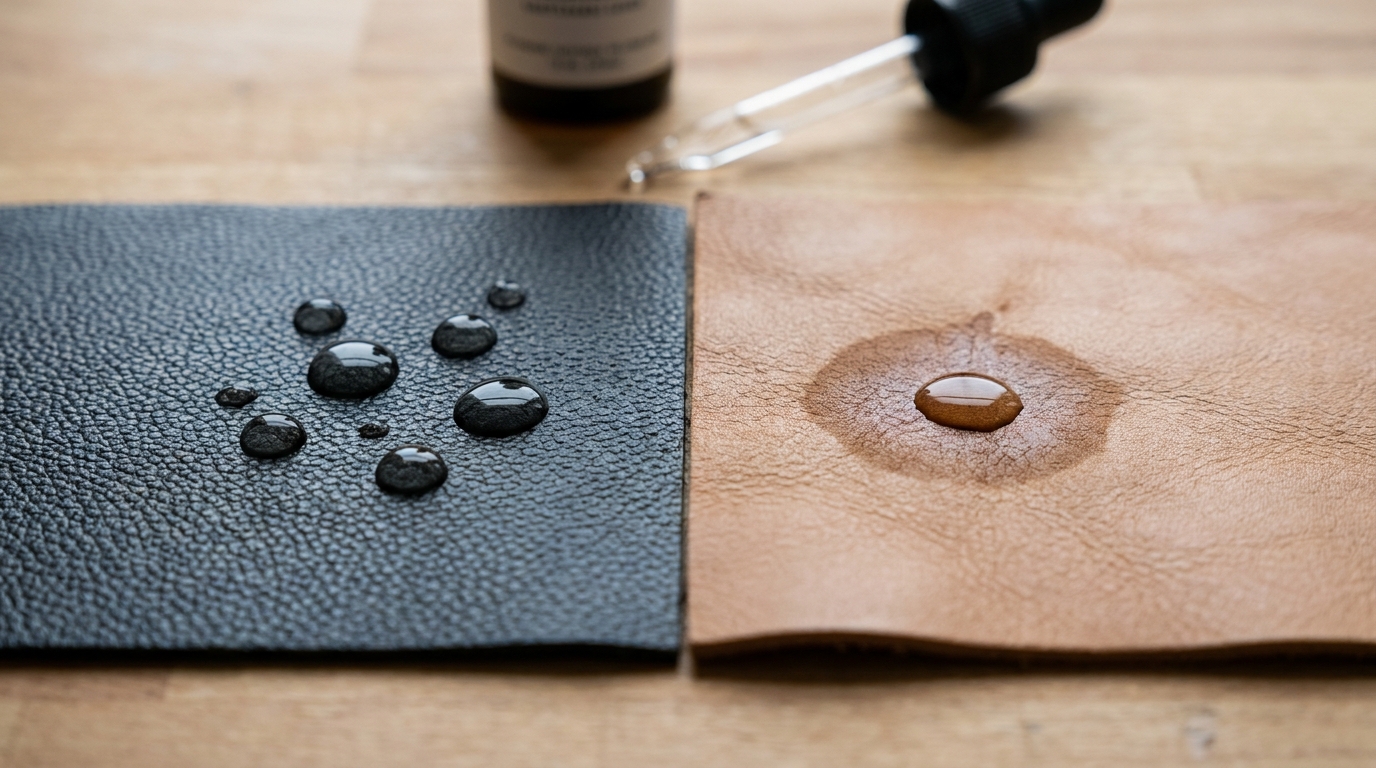
We just weighed the pros and cons of natural hides and synthetic polymers. You know their unique strengths and weaknesses. But how do you identify them in a store? Deceptive labels often trick everyday shoppers. When facing the dilemma of PU leather vs genuine leather: what’s the difference in person, you need practical skills. You do not need a laboratory to test these materials. You can simply use your basic senses. Here are four simple methods to identify what you are buying.
The Smell Test
Your nose offers the fastest way to identify these materials. As we covered earlier, tanneries use natural tannins or chromium salts. This process gives real hide a distinct, earthy scent. Many people describe it as a rich, natural skin aroma. Polyurethane smells entirely different. It relies on chemical polymers and plastics. If an item smells like harsh chemicals, plastic, or spray paint, it is definitely synthetic. This plastic odor often lingers for weeks after purchase.
The Water Test
You can easily test how these materials handle moisture. Place a single drop of water on the surface. Natural hide features millions of tiny pores. It will slowly absorb the water drop. You will see a dark patch form as the moisture sinks in. Polyurethane acts as a solid plastic shield. It completely repels liquids. The water drop will simply bead up and sit on the surface. It will not absorb into the material at all.
The Visual Inspection
Grab a magnifying glass or look closely at the grain. Nature never creates a perfect pattern. Real hide shows natural imperfections. You will spot randomly distributed pores and unique grain variations. Every square inch looks slightly different. Manufacturers stamp an artificial pattern onto polyurethane. They design this mechanical print to mimic natural pores. However, the pattern repeats uniformly across the entire surface. It looks completely flawless. This perfection reveals its synthetic origin. As we covered earlier, you can also press the material. Real hide wrinkles naturally, while synthetic plastics simply compress.
Checking the Edges and Backing
Inspect the hidden parts of the item. Look at the seams or the underside of the material. Natural hide features a rough, fibrous edge. The back side usually feels like soft suede. It consists entirely of animal tissue. Polyurethane requires a flexible base layer. If you check the backing, you will see woven fabric. Manufacturers usually use cotton or polyester thread. The edges of synthetic items also look perfectly smooth and clean. They lack the raw, fibrous texture of natural skin.
| Test Method | PU Leather Result | Genuine Leather Result |
|---|---|---|
| Smell | Chemical, plastic, or spray paint odor | Rich, earthy, natural skin scent |
| Water Drop | Beads up and repels instantly | Absorbs slowly and darkens the surface |
| Visual Grain | Perfect, repeating stamped pattern | Random pores and natural imperfections |
| Edges and Backing | Woven fabric base and clean edges | Suede-like back and fibrous edges |
PU Leather Jacket vs Genuine Leather Jacket: Which Should You Choose?
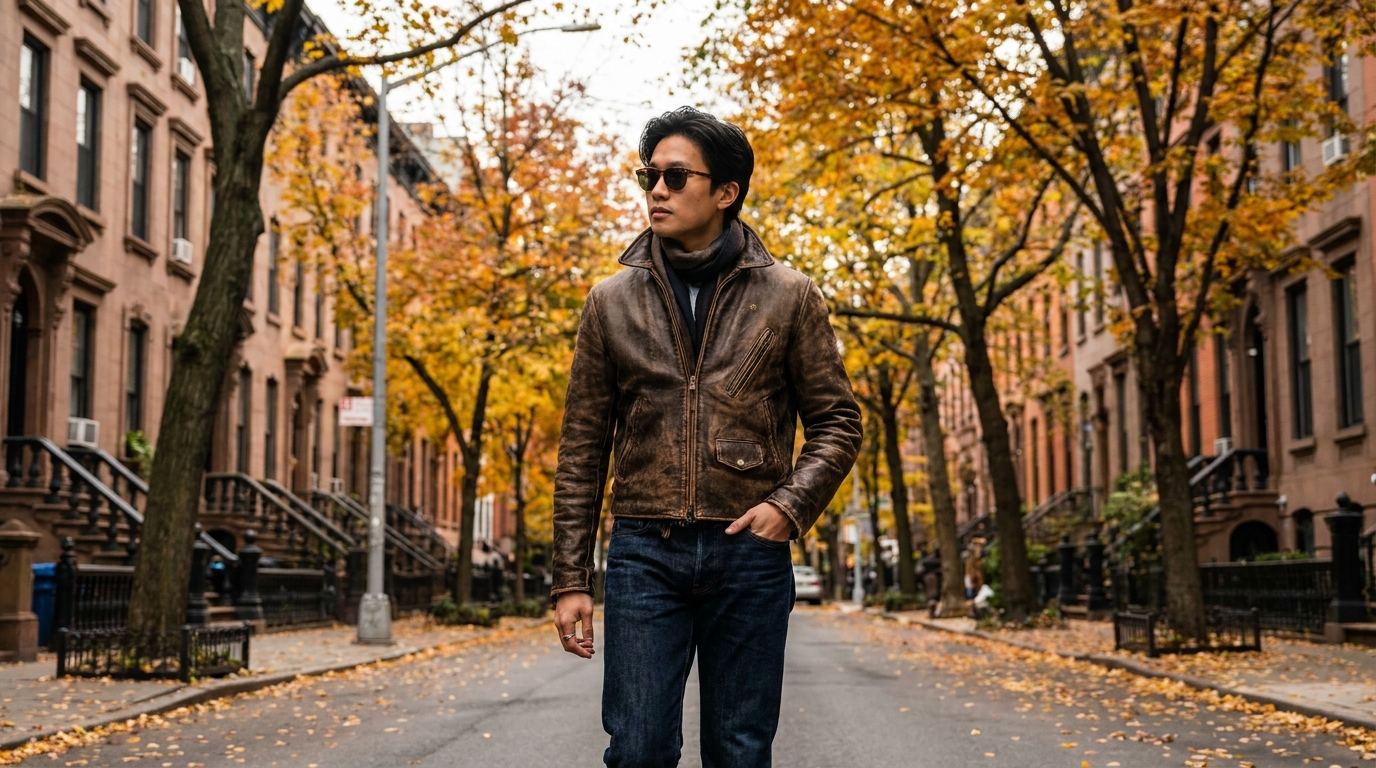
You now know how to test materials using your senses. You can easily spot a synthetic edge in any store. But how does this knowledge help your wardrobe? Consider PU leather vs genuine leather: what’s the difference for your daily style? You must look closely at your personal needs. Let’s apply these facts to a real-world purchase.
When to Choose a PU Leather Jacket
Sometimes, artificial materials fit your life perfectly. You might want to follow a fast-moving fashion trend. A PU leather jacket works beautifully for this goal. It costs significantly less upfront. You can buy a trendy piece and wear it for a few seasons. If the trend fades, you can replace it easily without guilt.
Ethical concerns also drive this specific choice. If you live a vegan lifestyle, you likely want the classic biker look. You want this style without using animal products. Polyurethane delivers this cruelty-free aesthetic perfectly. It also handles sudden rainstorms much better. As we covered earlier, the solid plastic coating repels water instantly.
- Trend-Focused Shoppers: Perfect for testing new styles without a massive investment.
- Strict Budgets: Offers the classic leather look at a fraction of the cost.
- Vegan Lifestyles: Provides a 100% cruelty-free alternative to animal hides.
- Rainy Climates: Acts as a solid plastic shield against unexpected showers.
When to Choose a Genuine Leather Jacket
Other times, you need a serious wardrobe staple. A genuine leather jacket represents a long-term commitment. It requires a larger upfront investment. However, it repays you in extreme durability. Remember how real hide develops a beautiful patina? Your jacket will actually look better in ten years than it does today.
Natural hides also provide superior comfort. They block cold winds while remaining highly breathable. You will never feel trapped in a sweaty plastic shell. If you want a classic, durable piece to wear daily, you must choose real animal hide. It stretches and molds perfectly to your body shape over time.
- Long-Term Staples: Ideal for a signature piece you plan to wear for decades.
- Superior Comfort: Naturally regulates your body heat and prevents excessive sweating.
- High Durability: Resists tearing and punctures far better than synthetic plastics.
- Classic Aging: Softens and develops a rich, personalized sheen over the years.
Matching Your Choice to Your Lifestyle
Your daily habits should guide your final decision. Think carefully about your local climate. Real hides regulate temperature naturally. They keep you comfortable during fluctuating weather. Synthetic jackets work fine in mild climates. However, they trap uncomfortable heat during humid summers.
You must also consider your maintenance habits. Do you enjoy conditioning your boots and jackets? Real hides demand this regular care to survive. If you ignore them, they will dry out. If you prefer zero maintenance, synthetic options win. They easily wipe clean using just a damp cloth.
| Consideration | PU Leather Jacket | Genuine Leather Jacket |
|---|---|---|
| Primary Goal | Following seasonal fashion trends | Building a long-term, classic wardrobe |
| Budget Priority | Keeping upfront costs very low | Investing in decades of durability |
| Climate Comfort | Best for mild, rainy weather | Excellent for cold winds and shifting temperatures |
| Personal Ethics | 100% vegan and cruelty-free | Uses natural animal byproducts |
| Maintenance Effort | Zero effort (wipe and go) | Requires seasonal conditioning creams |
Maintenance and Care Tips for Both Materials
We just discussed how your daily habits should guide your purchase. You must consider the effort required to keep your items looking great. Consider PU leather vs genuine leather: what’s the difference in long-term care? The answer lies in their material makeup. One requires careful nourishment, while the other just needs a quick wipe. Let’s break down the exact steps to maintain both materials.
Caring for PU Leather
Polyurethane requires very little daily effort. You do not need expensive creams or specialized tools. For regular cleaning, simply mix mild dish soap and warm water. Dip a soft cloth into the soapy liquid. Wring it out well before wiping the surface. Wipe the surface gently to remove dirt and sudden spills. The non-porous surface makes this process incredibly fast.
You must avoid harsh chemicals entirely. Never use bleach or alcohol-based household cleaners. They will strip the synthetic coating almost instantly. As we covered earlier, you should never apply natural leather conditioners to polyurethane. These heavy creams break down the plastic layer. They actually accelerate the dreaded peeling process.
Your storage choices will impact the material longevity significantly. You must keep synthetic items away from direct sunlight. UV rays dry out the thermoplastic polymer very quickly. Keep your faux furniture away from bright windows. Store synthetic garments in a dark, cool closet to prevent premature cracking.
Caring for Genuine Leather
Natural hides demand a dedicated care routine. Since it acts much like human skin, it dries out over time. You must replenish its natural oils regularly. Start by wiping away dust using a dry, soft brush. For deeper cleaning, use a dedicated saddle soap or gentle cleaner. You should never soak the natural material heavily during cleaning.
Conditioning represents the most critical maintenance step. Apply a high-quality leather conditioner every three to six months. Massage the cream gently into the natural pores. This simple process restores essential moisture to the hide. It prevents the thick hide from cracking. Regular conditioning also helps develop that beautiful patina we discussed earlier.
Proper storage prevents severe structural damage. Never store natural hides in sealed plastic bags. They need constant air circulation to breathe properly. If you trap moisture inside, mold will grow rapidly. Keep your items in a cool, dry room. Keep them far away from radiators or heating vents. These heat sources will completely dry out the natural fibers.
| Care Requirement | PU Leather | Genuine Leather |
|---|---|---|
| Routine Cleaning | Wipe with mild soap and water | Dust gently and use dedicated cleaners |
| Conditioning | Never use conditioners (damages the coating) | Apply high-quality creams every 3-6 months |
| Sunlight Exposure | Highly vulnerable (dries out and peels) | Fades color but resists immediate cracking |
| Storage Rules | Store in a dark, cool space | Store in a breathable space to prevent mold |
Conclusão
Choosing between PU and genuine leather depends on your priorities. Neither material is ever the wrong choice. PU leather gives you affordable and vegan-friendly style options. Genuine leather provides lasting durability and ages beautifully. Let your budget and personal ethics guide you. Always check tags to find your perfect match.
- Inspect your wardrobe to identify current materials.
- Set a clear budget for future purchases.
- Buy proper conditioner for your natural goods.
Frequently Asked Questions About PU Leather vs Genuine Leather
Is PU leather a completely vegan material?
Yes, PU leather is generally completely vegan. It is a synthetic material made from thermoplastic polymers. No animal hides are used in standard PU leather. However, you should watch out for bicast leather. Bicast leather uses a thin PU layer over a real leather base. Always check the label if you want a fully vegan product.
How long does PU leather usually last?
PU leather typically lasts about two to five years. After this time, it often begins to crack or peel. Genuine leather is much more durable. Real leather can easily last ten to twenty years with proper care. High-quality animal hides develop a beautiful patina over time instead of peeling.
Can you repair PU leather after it peels?
Unfortunately, you usually cannot repair PU leather once it cracks. The synthetic coating permanently separates from its fabric backing. Genuine leather is much easier to restore. You can often condition or dye real leather to fix minor damage. It is usually better to replace a heavily peeling PU item.
Why does PU leather feel sweaty during summer?
PU leather has almost zero breathability. It is a solid plastic layer that traps heat against your body. This makes the material feel very sticky and sweaty in warm weather. Genuine leather is naturally porous and breathable. Real animal hides allow air to circulate much more freely.
Which type of leather is better for pets?
PU leather is much easier to clean if your pet has an accident. However, cat claws and dog nails will puncture it very easily. Genuine leather is much tougher and resists scratches better. Real leather can absorb strong pet odors over time. You must weigh easy cleaning against long-term durability.
PU leather is an affordable, waterproof synthetic material. It works well for fast fashion and budget furniture. Genuine leather offers superior durability and natural breathability. Real hides can last decades with proper conditioning. Your choice depends entirely on your budget, ethics, and long-term needs.
- Check the product label to verify the exact material composition.
- Perform a quick water drop test to check for material porosity.
- Press your finger into the surface to look for natural wrinkles.
- Smell the item to detect either chemical odors or natural scents.