Portuguese
  English
  French
  German
  Japanese
  Russian
  Spanish
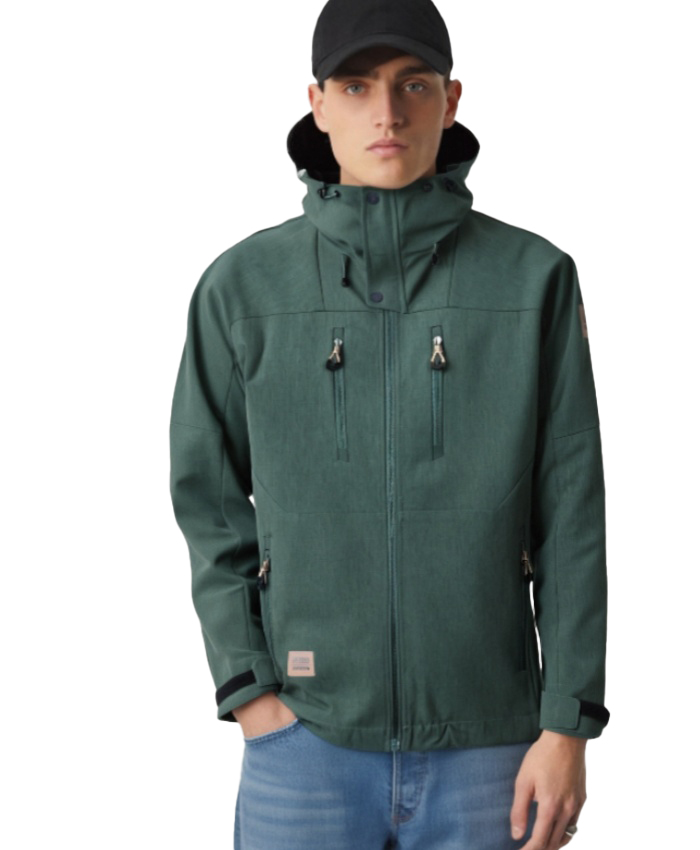
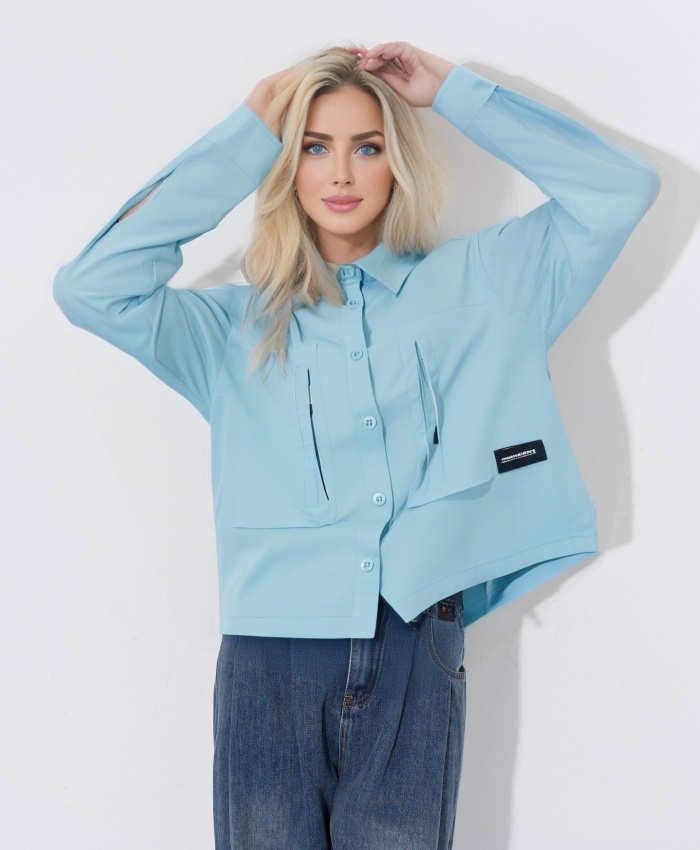
Whether you’re launching a sustainable activewear line, a luxury knitwear brand, or a budget-friendly basics collection, the quality of your clothing hinges on one critical decision: choosing the right manufacturer. A high-quality partner doesn’t just produce well-made garments—they align with your brand values, meet deadlines, and help you avoid costly mistakes like defective products or missed market windows. But with thousands of manufacturers worldwide, from local workshops to global factories, the search can feel overwhelming. In this guide, we’ll break down a step-by-step process to find reliable, high-quality clothing manufacturers that fit your brand’s unique needs.
Step 1: Define Your Needs Clearly—The Foundation of a Successful Search
Before you start scrolling through directories or attending trade shows, you need to articulate exactly what you’re looking for. Manufacturers specialize in different niches, and a factory that excels at producing fast-fashion t-shirts may struggle with intricate wedding dresses or technical outdoor gear. Answering these questions will narrow your search and help you communicate effectively with potential partners:
Niche and Product Type
Be specific about your product category. Are you making organic cotton loungewear, performance sportswear with moisture-wicking fabric, or leather jackets? Each requires specialized equipment and expertise. For example, a manufacturer focused on knitwear will have advanced knitting machines and knowledge of yarn blends, while a technical apparel maker will understand waterproof membranes and seam sealing.
Production Volume and Scalability
Manufacturers often have minimum order quantities (MOQs)—the smallest number of units they’ll produce per style. Small-batch brands (e.g., 50–200 units per style) should target boutique factories or workshops, while large-scale brands (1,000+ units) will need industrial facilities. Additionally, consider scalability: if your brand grows, can the manufacturer increase production without sacrificing quality?
Budget and Pricing Structure
Quality comes at a cost, but “high quality” doesn’t always mean “luxury pricing.” Define your budget per unit, and be transparent about it. Ask manufacturers about their pricing breakdown—including fabric costs, labor, overhead, and shipping—to avoid hidden fees. Remember: a manufacturer with slightly higher prices but consistent quality will save you money in the long run (think fewer returns or rejections).
Brand Values and Compliance
Today’s consumers care about ethics and sustainability. If your brand prioritizes eco-friendly practices, look for manufacturers with certifications like GOTS (Global Organic Textile Standard) or OEKO-TEX (for non-toxic fabrics). For ethical labor, seek partners with Fair Trade or SA8000 certifications. Compliance with local labor laws (e.g., minimum wage, safe working conditions) is non-negotiable—avoid manufacturers with a history of labor violations.
Step 2: Explore Reliable Sourcing Channels—Where to Find Manufacturers
Gone are the days of relying solely on word-of-mouth. Today, there are dozens of channels to connect with high-quality manufacturers, both locally and globally. Here are the most effective options:
1. Trade Shows and Industry Events
Trade shows are one of the best ways to meet manufacturers in person, inspect their work, and build trust. For clothing brands, key events include:
-
Canton Fair (China): The world’s largest trade show for textiles and apparel, with thousands of manufacturers specializing in every product category.
-
Magic Las Vegas (USA): A premier event for fashion and apparel, featuring both domestic and international manufacturers.
-
Première Vision (Paris, New York, Shanghai): Focused on high-end and sustainable fabrics and manufacturers, ideal for luxury or eco-brands.
-
Local Trade Shows: Events like the National Association of Manufacturers (NAM) shows in the U.S. or Pitti Immagine in Italy connect you with regional partners.
Before attending, research exhibitors, book meetings in advance, and bring samples of your designs or fabric swatches to discuss your vision.
2. Online Directories and B2B Platforms
Online platforms make it easy to search for manufacturers worldwide, but you need to filter carefully to avoid low-quality or fraudulent partners. Top platforms include:
-
Alibaba/Alibaba.com: The largest B2B platform, with manufacturers from China and beyond. Use filters for “Gold Supplier” (verified sellers) and “Trade Assurance” (protects your payment if orders are defective).
-
Thomasnet (USA): A directory for U.S.-based manufacturers, ideal for brands looking to source locally (reduces shipping costs and carbon footprint).
-
MFG.com: Connects brands with U.S. and international manufacturers, with a focus on custom production.
-
Sourcify: Specializes in ethical and sustainable manufacturers, with vetting processes to ensure compliance.
When using these platforms, read reviews, check manufacturer profiles for certifications, and avoid partners with vague product descriptions or unresponsive customer service.
3. Referrals and Networking
Word-of-mouth is still a powerful tool in the fashion industry. Reach out to other brand owners, designers, or industry professionals (via LinkedIn, fashion forums, or local meetups) for referrals. Join groups like the Fashion Industry Association or Sustainable Apparel Coalition—members often share trusted manufacturer contacts.
You can also contact brands you admire and ask about their manufacturing partners (be polite and transparent about your intentions). Many small brands are happy to share resources, especially if you’re not a direct competitor.
4. Local Manufacturers and Workshops
Don’t overlook local manufacturers—they offer several advantages: easier communication (no language barriers), faster production times, and the ability to visit the factory in person. To find local partners, search for “clothing manufacturers [your city/region]” online, check local business directories, or visit textile districts (e.g., the Garment District in New York City).
Local manufacturers are often ideal for small-batch or custom orders, and they may be more flexible with MOQs than large global factories.
Step 3: Vet Manufacturers Rigorously—Separate Quality from Quantity
Once you’ve compiled a list of potential manufacturers, it’s time to vet them thoroughly. A single mistake here can lead to defective products, missed deadlines, or reputational damage. Use this checklist to evaluate each partner:
1. Request and Inspect Samples
The most critical step in vetting is requesting a sample of your product (or a similar style). A high-quality manufacturer will be happy to produce a sample—even for a small fee. When you receive the sample, inspect:
-
Craftsmanship: Check stitching (even, tight, no loose threads), seam alignment, and finishing details (buttons, zippers, hems).
-
Fabric Quality: Ensure the fabric matches your specifications (weight, texture, durability). Test for pilling, stretching, or fading (if possible).
-
Fit and Consistency: If you’re producing clothing in multiple sizes, request samples in different sizes to check for consistent fit.
Don’t rush this step—wait for the sample, inspect it carefully, and ask for revisions if needed. A manufacturer that cuts corners on samples will cut corners on bulk production.
2. Verify Certifications and Compliance
Ask manufacturers for copies of their certifications to confirm they meet your quality and ethical standards. Key certifications include:
-
Quality Certifications: ISO 9001 (quality management), OEKO-TEX Standard 100 (non-toxic fabrics), GOTS (organic textiles).
-
Ethical Certifications: Fair Trade, SA8000 (labor standards), WRAP (Worldwide Responsible Accredited Production).
-
Industry-Specific Certifications: For sportswear, look for STANDARD 100 by OEKO-TEX or bluesign® (sustainable production); for leather, look for Leather Working Group (LWG) certification.
You can verify certifications by checking the issuing organization’s database (e.g., GOTS has an online directory of certified facilities).
3. Visit the Factory (In Person or Virtually)
If possible, visit the manufacturer’s factory in person. This lets you see their working conditions, equipment, and production processes firsthand. Look for:
-
Cleanliness and Organization: A well-organized factory is a sign of attention to detail.
-
Modern Equipment: Updated machines (e.g., computerized sewing machines) produce higher-quality work than outdated equipment.
-
Worker Conditions: Ensure workers are in safe, clean environments (this is both ethical and a sign of a reputable manufacturer).
If international travel isn’t feasible, request a virtual tour via video call. A manufacturer that refuses to show you their facility is a red flag.
4. Check References and Reviews
Ask the manufacturer for references from past or current clients. Contact these clients to ask:
-
Did the manufacturer meet deadlines?
-
Was the quality consistent with samples?
-
How did they handle issues (e.g., defective products, delays)?
-
Would you work with them again?
You can also check online reviews on platforms like Alibaba, Google, or Trustpilot. Look for patterns—if multiple clients complain about late shipments or poor quality, avoid that manufacturer.
5. Evaluate Communication and Responsiveness
A high-quality manufacturer should be responsive and transparent. Pay attention to how quickly they reply to your emails or calls, and whether they answer your questions thoroughly. Red flags include:
-
Delayed or vague responses.
-
Avoiding questions about certifications or production processes.
-
Pressuring you to sign a contract before you’re ready.
Good communication is critical for resolving issues down the line—if a manufacturer is unresponsive during the vetting process, they’ll be even less responsive during production.
Step 4: Negotiate Terms and Sign a Clear Contract
Once you’ve found a manufacturer that meets your standards, it’s time to negotiate terms and formalize the partnership with a contract. A clear contract protects both you and the manufacturer and avoids misunderstandings. Key terms to include:
-
Production Details: Product specifications (style, size, fabric), quantity, and quality standards (reference the sample you approved).
-
Pricing: Unit cost, total cost, payment schedule (e.g., 30% deposit, 70% upon delivery), and any additional fees (shipping, samples, revisions).
-
Timeline: Production start date, sample approval deadline, and delivery date. Include penalties for late delivery (e.g., a discount on the order).
-
Quality Control: Outline your quality control process (e.g., you’ll inspect a portion of the order before shipment) and how defective products will be handled (e.g., the manufacturer will replace them at no cost).
-
Intellectual Property: Clarify that you own the designs and that the manufacturer won’t use them for other clients.
If you’re working with an international manufacturer, consider hiring a local lawyer to review the contract (to ensure compliance with local laws). Don’t rush this step—take the time to negotiate terms that work for both parties.
Step 5: Build a Long-Term Partnership
Finding a high-quality manufacturer is hard—keeping one is even more valuable. Building a long-term partnership can lead to better pricing, faster production times, and more flexibility. Here’s how to nurture the relationship:
-
Be a Reliable Client: Pay on time, provide clear feedback, and communicate changes early (e.g., if you need to adjust the order quantity).
-
Visit Regularly: If possible, visit the factory annually to check in and strengthen the relationship.
-
Celebrate Successes: Share positive feedback (e.g., if your products sell well) and consider referring other brands to them.
-
Address Issues Constructively: If problems arise (e.g., a batch of defective products), focus on solving the issue rather than blaming the manufacturer. Most quality issues can be resolved with open communication.
Common Mistakes to Avoid
Even with careful planning, it’s easy to make mistakes when sourcing manufacturers. Avoid these pitfalls:
-
Choosing the Cheapest Option: Low prices often mean low quality. A slightly higher cost for a reliable manufacturer will save you money in returns and rejections.
-
Skipping the Sample Step: Never place a bulk order without approving a sample first.
-
Ignoring Ethics and Compliance: A manufacturer with labor violations can damage your brand’s reputation (consumers will hold you accountable).
-
Signing a Vague Contract: Ambiguous terms lead to disputes. Always get everything in writing.
Conclusão
Finding a high-quality clothing manufacturer takes time, research, and careful vetting—but it’s one of the most important investments you’ll make in your brand. By defining your needs clearly, exploring reliable channels, vetting partners rigorously, and building long-term relationships, you’ll find a manufacturer that produces well-made garments, aligns with your values, and helps your brand grow.
Remember: the best manufacturer isn’t just a supplier—they’re a partner in your success. Take the time to find the right fit, and you’ll reap the rewards of consistent quality, happy customers, and a strong brand reputation.