Portuguese
 English
 French
 German
 Japanese
 Russian
 Spanish


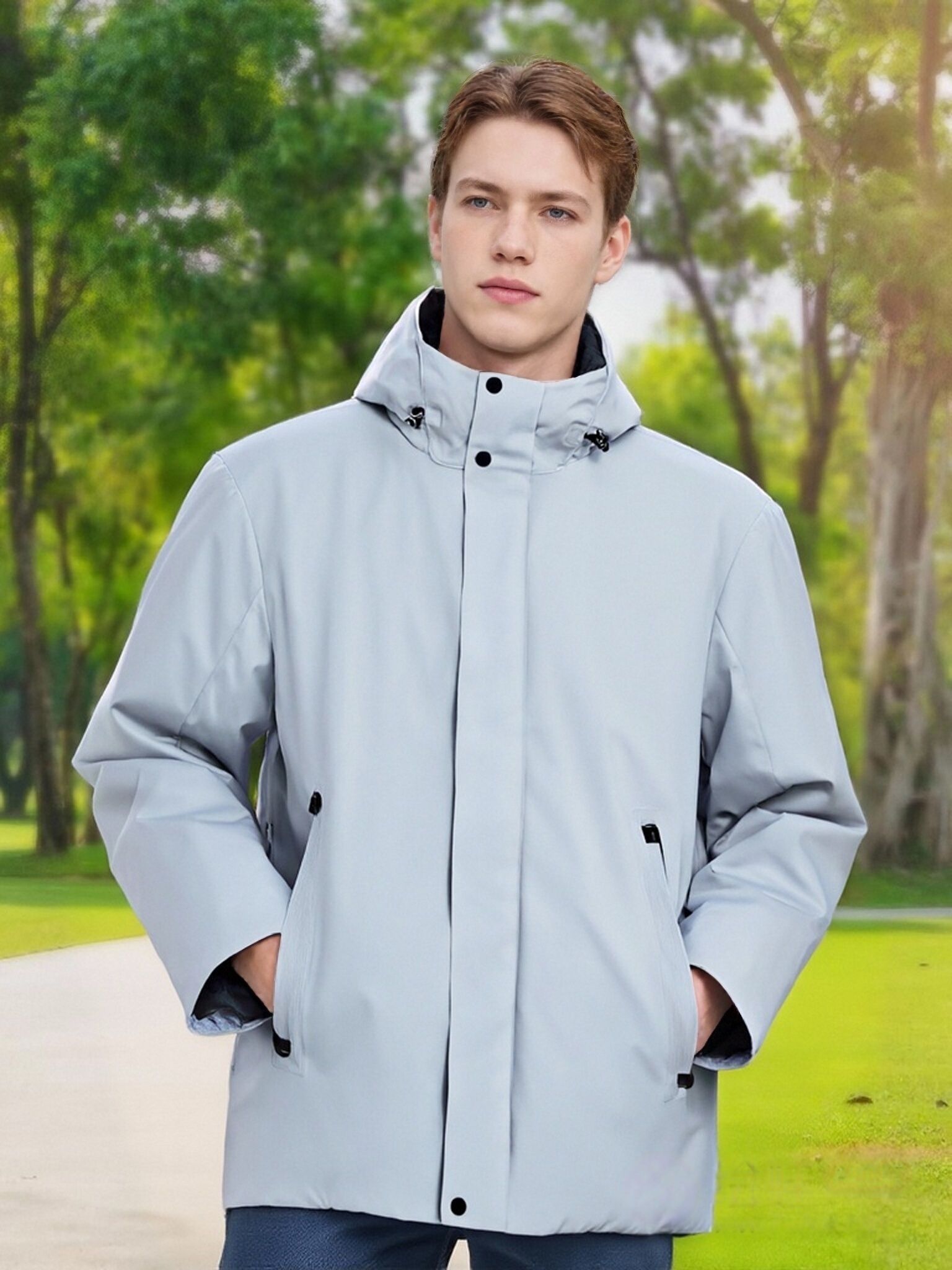

Are you stuck in the ultimate winter gear debate?
Choosing the right coat is vital for extreme weather.
So, down vs synthetic insulation: which is better for puffer jackets?
In this post, you’ll discover their definitions, performance differences, and pros to choose wisely.
Understanding the Down Puffer Jacket: What is Down Insulation?
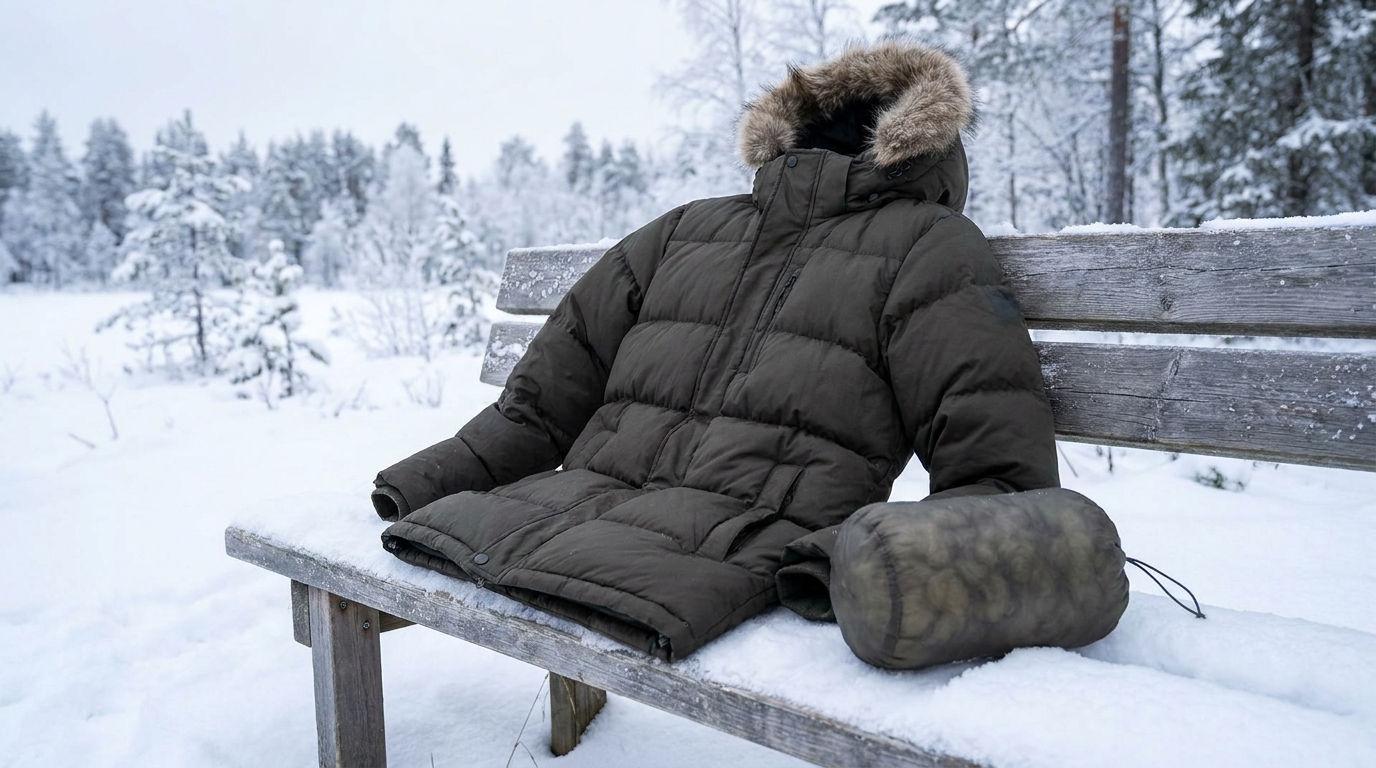
To make a smart choice, we first need to look inside the coat. Down insulation comes from the soft, fluffy undercoat of ducks and geese. It consists of wispy clusters rather than stiff, quilled outer feathers.
How does it keep you warm? These clusters expand to create high-loft structures. They trap warm air right next to your body. This natural design makes a down puffer jacket incredibly efficient in freezing temperatures.
When shopping, you will notice two key metrics: Fill Power and Fill Weight.
Fill Power vs. Fill Weight
Fill Power measures the quality and loft of the down. It calculates how many cubic inches one ounce of down occupies. Ratings typically range from 650 for budget options to over 1,000 for premium gear. A higher number means better loft. You get maximum warmth at a much lower weight.
However, Fill Weight is equally important. This metric tells you the actual amount of down inside the garment. A jacket using heavy 650-fill down can sometimes out-perform a thin 800-fill option. Quality matters, but quantity dictates the overall warmth.
Primary Benefits of Down Insulation
Before comparing this natural efficiency against a synthetic puffer jacket, you should understand its primary advantages. Natural down offers distinct benefits for winter gear.
- Unmatched Warmth-to-Weight Ratio: It provides intense heat without feeling heavy or bulky.
- Extreme Compressibility: You can pack these coats down into tiny stuff sacks. They easily fit into backpacks for climbing or hiking.
- Long Lifespan: Down retains its structural loft for 10 to 20 years. You just need to clean and store it properly.
| Metric | What It Measures | Why It Matters |
|---|---|---|
| Fill Power (FP) | Volume of 1 oz of down (loft) | Higher FP means lighter weight and better compression. |
| Fill Weight | Total ounces of down in the jacket | Determines the raw, overall warmth of the coat. |
Understanding the Synthetic Puffer Jacket: What is Synthetic Fill?
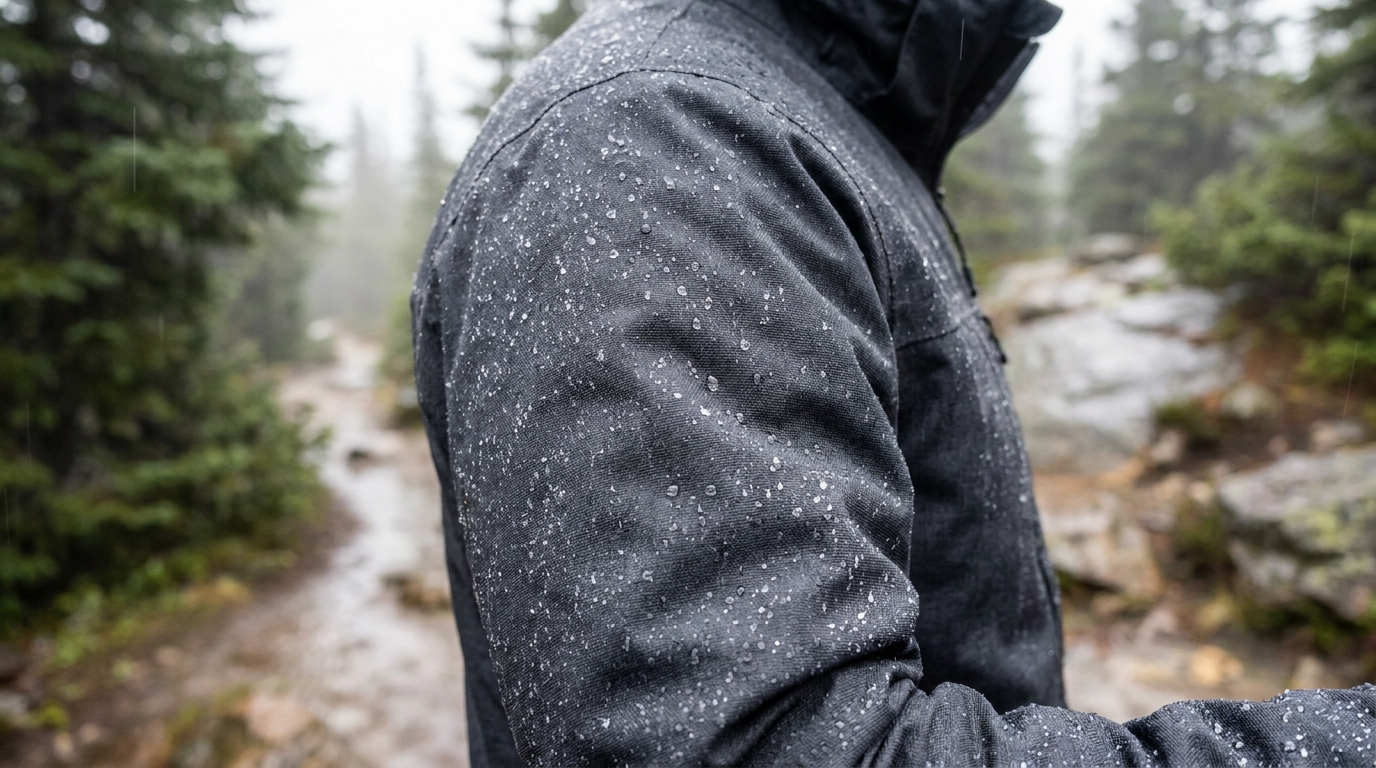
While natural down offers incredible warmth and longevity, it is not your only option. You might need a jacket that handles moisture better. When comparing down vs synthetic insulation, you must understand how man-made materials work.
So, what exactly is synthetic fill? Unlike the natural plumage of ducks or geese, synthetic insulation is an engineered, man-made material. Manufacturers typically spin raw polyester into ultrafine fibers. They design these structures to mimic the heat-trapping clusters of natural down. Some synthetic fills come in continuous sheets. Others use loose clusters to replicate a traditional puffy feel.
Popular Brands and Technologies
You will rarely just see “polyester” on a product tag. Instead, outdoor brands use proprietary names for their insulation technologies. PrimaLoft is one of the most famous options available. Arc’teryx uses Coreloft, while Patagonia developed PlumaFill. The North Face often relies on its ThermoBall technology. Each specific design aims to balance warmth, weight, and active breathability.
How We Measure Synthetic Insulation
As we covered earlier, down uses Fill Power and Fill Weight. Synthetic fill uses a completely different metric. It is measured in grams per square meter (GSM). This number tells you the density and thickness of the insulation layer.
Standard jacket weights range from 40g up to 133g. A 60g rating serves as the industry standard for versatile mid-layers. A 133g jacket acts more like a heavy winter parka.
Primary Benefits of Synthetic Fill
Why choose man-made fibers over natural down clusters? Synthetic insulation provides several distinct advantages in unpredictable weather.
- Wet-Weather Performance: Synthetic fibers do not absorb water easily. They retain almost all their warmth even when soaking wet.
- Better Breathability: These jackets manage sweat very efficiently. They excel during high-output activities like skiing or intense hiking.
- Lower Price Point: Engineered materials cost less to produce. This makes synthetic coats much more affordable than premium down alternatives.
| GSM Weight Range | Jacket Profile | Best Intended Use |
|---|---|---|
| 40g – 60g | Lightweight / Mid-layer | High-output activities, mild weather, fast hiking. |
| 80g – 100g | Midweight | Cold weather active use, moderate static stops. |
| 100g – 133g+ | Heavyweight / Parka | Extreme cold, static activities like belaying or camp. |
Hybrid Insulation: The Best of Both Worlds?
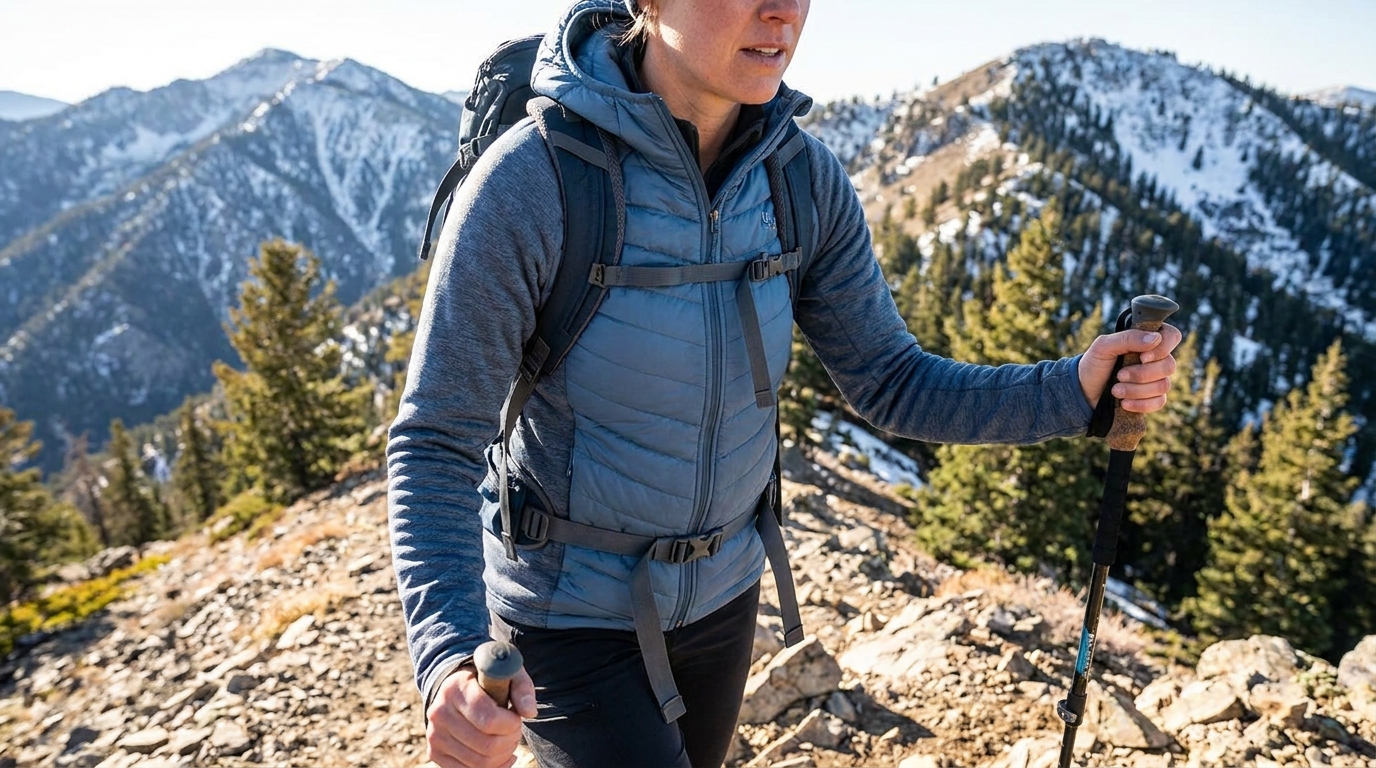
We just looked at how man-made fibers handle sweat and rain. We also know natural clusters offer unbeatable warmth. What if you need both features in one coat? You do not always have to pick a side in the down vs synthetic insulation debate.
Many modern outdoor brands combine both fills into a single garment. We call this a hybrid insulated jacket. It uses composite mapping to maximize the strengths of each material.
Strategic Placement of Materials
How does this composite design actually work? Manufacturers place different materials in highly specific zones. They put premium natural clusters right around your core. This traps maximum heat exactly where your body needs it most.
Then, they map man-made fibers into moisture-prone areas. You will typically find synthetic insulation in these specific zones:
- Armpits and Collar: These areas collect heavy sweat and breath moisture during high-output activities.
- Cuffs: Wrist openings frequently touch snow, ice, and wet surfaces.
- Shoulders: Heavy backpack straps compress shoulder fabric constantly. Synthetic fibers resist this mechanical compression much better than natural plumage.
Why Choose a Hybrid Design?
This smart zoning offers incredible versatility for unpredictable weather. You get the premium warmth and packability of a traditional puffy coat. At the same time, you gain better breathability and water resistance for active movement.
Hybrid jackets truly give you the best of both worlds. They keep you cozy at static camp stops. They also manage sweat efficiently when you hike hard up a steep trail.
| Insulation Zone | Material Used | Primary Purpose |
|---|---|---|
| Core (Chest and Back) | Natural Down | Maximizes overall warmth while keeping the coat incredibly light. |
| Shoulders | Synthetic Fill | Resists heavy compression and structural damage from backpack straps. |
| Armpits, Collar, Cuffs | Synthetic Fill | Maintains core insulation when exposed to heavy sweat or rain. |
Down vs Synthetic Insulation: Key Performance Differences
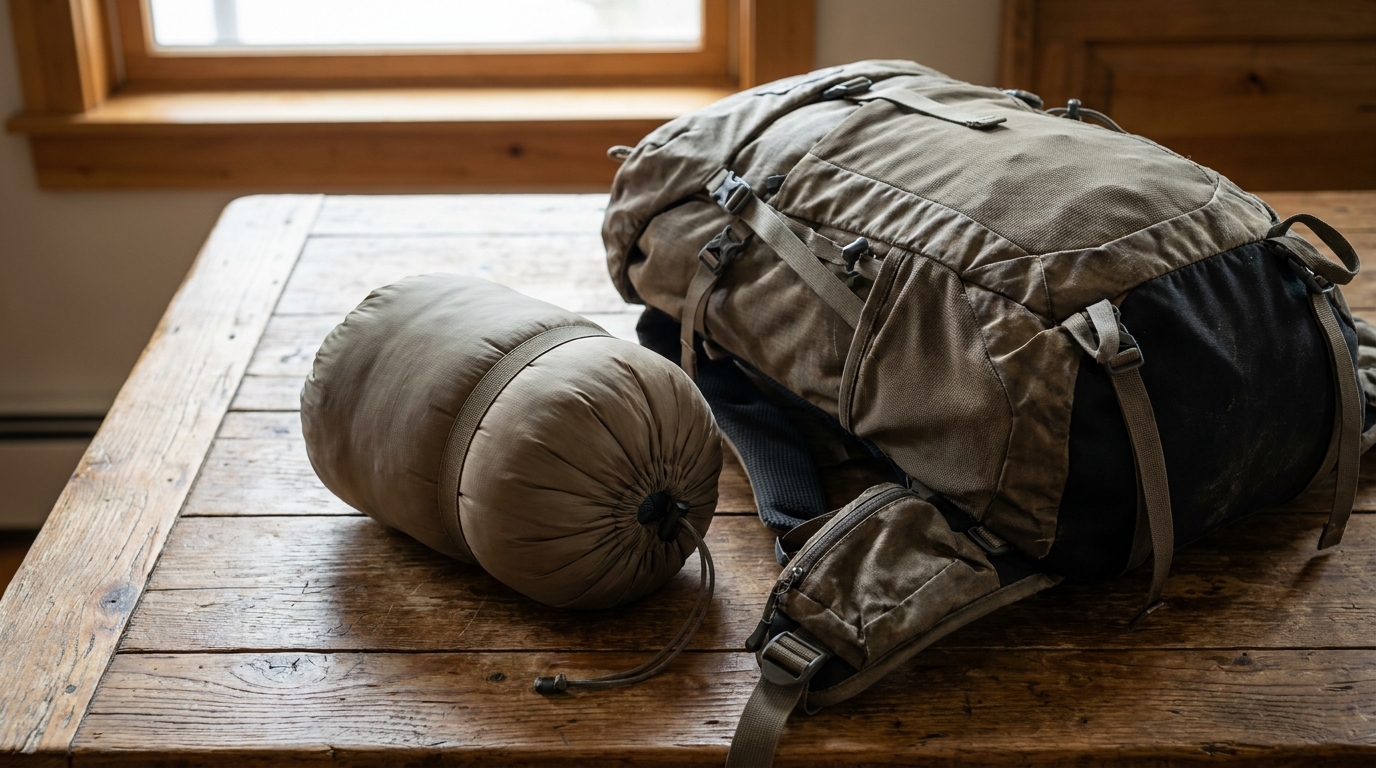
We just explored how hybrid designs blend natural and man-made materials. But what if you need a dedicated coat? To finally answer the ultimate question—down vs synthetic insulation: which is better for puffer jackets?—we must compare them head-to-head. Let’s break down their key performance differences.
Warmth-to-Weight Ratio
Down is the undisputed champion of warmth for its weight. Natural clusters trap heat incredibly well. A lightweight premium down coat often outperforms a much heavier synthetic alternative in sub-zero temperatures. For example, a 10.8-ounce premium down coat will keep you significantly warmer than a high-end 10.5-ounce synthetic option. If raw, static warmth is your main goal, natural plumage always wins.
Packability and Compressibility
Space matters when you pack a backpack. High-fill-power down compresses beautifully. You can often stuff these coats into a tiny stuff sack or their own pocket. Synthetic fibers are inherently bulkier. They take up much more room in your bag. If you need to save space on a climbing or backpacking trip, go with natural loft.
Water Resistance and Wet Weather Performance
Here is where man-made fibers take the lead. Synthetic insulation does not absorb water. It continues to trap heat even when completely soaked. This remains its biggest advantage in unpredictable climates.
Down has a massive weakness. When it gets wet, it clumps together. It loses its loft and ends up looking like a “wet cat.” Once saturated, it loses almost 100% of its insulating power.
What about hydrophobic down? Manufacturers treat these natural clusters with a Durable Water Repellent (DWR) finish. This helps the coat resist light moisture. However, treated clusters still cannot beat synthetics in heavy, sustained rain.
Breathability for Active Use
Think about your activity level. Are you hiking, climbing, or skiing? Sweaty activities demand good airflow. Synthetic insulation breathes much better. It allows moisture vapor to escape efficiently. As we covered earlier, this makes it perfect for high-output movement. Natural clusters trap heat too well. You will overheat quickly during intense exercise if you wear a traditional puffy.
Durability and Lifespan
A good winter coat is a long-term investment. Natural down offers incredible longevity. With proper care, these clusters retain their structural loft for 10 to 20 years. Synthetic fibers simply do not last as long. They tend to pack down over time. After two to five years of heavy compression, synthetic fill loses its “spring” and original warmth.
Price and Affordability
Budget often dictates your final choice. Down coats cost more upfront. High-fill-power options are premium investments due to material scarcity and processing costs. Synthetic jackets are typically much more budget-friendly. They offer excellent value if you need reliable warmth without breaking the bank.
| Performance Metric | Down Insulation | Synthetic Insulation |
|---|---|---|
| Warmth-to-Weight | Excellent (Best warmth for the lowest weight) | Moderate (Heavier for the same warmth) |
| Packability | High (Compresses into tiny spaces) | Low (Bulkier and harder to pack) |
| Wet Performance | Poor (Clumps and loses heat when wet) | Excellent (Retains warmth when soaked) |
| Breathability | Low (Traps heat, causes sweating) | High (Allows moisture vapor to escape) |
| Lifespan | 10 to 20+ years (With proper care) | 2 to 5 years (Fibers break down over time) |
| Price | Premium / Expensive | Budget-Friendly / Affordable |
How to Choose: Which Is Better for Your Needs?
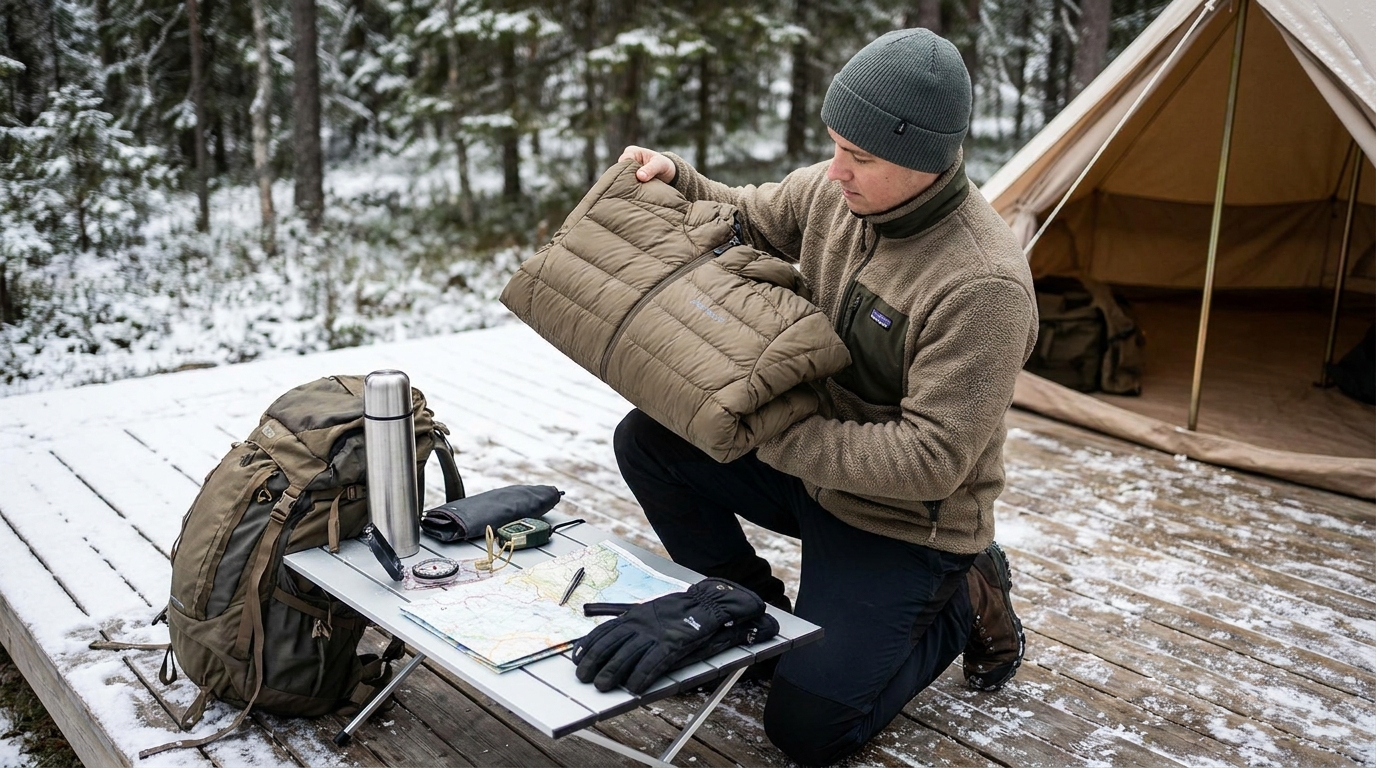
We just broke down the raw performance differences between natural clusters and engineered fibers. You know how they handle water, space, and sweat. Now, let’s apply these facts to your actual life. How do you finally decide which is better for your needs in the down vs synthetic insulation debate? It all comes down to your local climate and daily activity level.
When to Choose a Down Puffer Jacket
If you face freezing temperatures, natural plumage is your best friend. You should choose a down puffer jacket when you need maximum heat retention without carrying extra bulk. It serves a very specific, highly efficient purpose in your winter wardrobe.
- Cold, Dry Climates: As we covered earlier, moisture destroys natural loft. If you live in areas with dry, biting cold, natural clusters will keep you much warmer than engineered fibers.
- Low-Intensity Activities: Are you belaying a climbing partner, sitting around a winter camp, or casually walking through the city? Down excels at static warmth. It traps heat perfectly when you are not moving fast enough to sweat.
- Ultralight Travel: Backpackers and travelers count every ounce. A premium down coat compresses into a tiny ball. It takes up almost no room in your luggage or hiking pack.
When to Choose a Synthetic Puffer Jacket
Sometimes you need gear to work hard in ugly conditions. Man-made fibers shine when the weather turns unpredictable or your heart rate spikes. A synthetic puffer jacket acts as a reliable, worry-free tool for intense outdoor days.
- Wet and Damp Climates: Do you hike in regions like the Pacific Northwest? If rain or heavy, wet snow is in the forecast, you need engineered fill. It stays warm even when completely soaked.
- High-Output Activities: Trail running, cross-country skiing, and steep alpine ascents make you sweat. Synthetic insulation breathes efficiently. It pushes moisture vapor out so you do not overheat during intense movement.
- Budget and Ethics: Engineered materials cost significantly less upfront. They offer fantastic value for buyers on a strict budget. Furthermore, synthetic fills are completely vegan-friendly. You avoid any animal welfare concerns regarding plumage sourcing.
| Your Primary Need or Scenario | The Best Choice | Why It Wins |
|---|---|---|
| Freezing temperatures but dry air | Down Insulation | Provides maximum static heat for the lowest possible weight. |
| Heavy rain, sleet, or wet snow | Synthetic Insulation | Fibers do not absorb water and retain heat when soaked. |
| Intense sweating (skiing, running) | Synthetic Insulation | Allows moisture vapor to escape, preventing rapid overheating. |
| Strict weight limits for backpacking | Down Insulation | Compresses down to a fraction of the size of man-made fills. |
| Cruiser budget or vegan preference | Synthetic Insulation | Costs less to manufacture and uses zero animal products. |
Conclusão
Down jackets provide incredible warmth and superior packability. Synthetic fill easily conquers wet weather and highly active pursuits. There is no absolute best choice. The perfect winner depends completely on your climate and budget. Assess your unique outdoor needs before making a final investment.
- Check local weather patterns for average winter rainfall.
- Define your primary activity level before shopping.
- Browse our new jacket collections online today.
- Comment below with your favorite type of winter insulation!
Frequently Asked Questions About Down vs Synthetic Insulation
Is 800-fill down always warmer than 600-fill down?
Warmth depends on both fill power and fill weight. Fill power measures the overall quality of the down. Fill weight measures the actual amount stuffed inside the jacket. A 650-fill jacket with heavy down can feel very warm. An 800-fill jacket with very little down might run cold. You must check both numbers to understand the true warmth.
What happens to puffer jackets when it rains?
Natural down loses its structure and clumps up when wet. It looks like a wet cat and loses all warmth. Synthetic insulation performs much better in heavy rain. Man-made fibers do not absorb water easily. This means a synthetic jacket keeps you warm even when soaked. You can also buy down treated with water-resistant coatings for light rain.
Can you wash an insulated puffer jacket?
Yes, but you must follow specific care instructions carefully. Down jackets require specialized soap and fresh tennis balls. The tennis balls bounce in the dryer to restore loft. Synthetic jackets are generally much easier to wash at home. However, both types are highly sensitive to extreme heat. Always check the care tag before tossing them in the machine.
Why is a down jacket usually more expensive?
Down comes from the soft undercoat of ducks or geese. This natural material is scarce and harder to collect. It offers an incredible warmth-to-weight ratio that synthetics cannot match. Down can also last up to twenty years with proper care. Synthetic fibers usually break down after just a few years. You pay more upfront for exceptional longevity and extreme lightness.
Which insulation is better for hiking or skiing?
Synthetic insulation is the clear winner for active outdoor sports. It breathes well and handles your sweat without losing warmth. Down is much better for static activities like winter camping. You should wear down when sitting still or resting outside. Some hybrid jackets use both materials for the perfect balance. They place synthetic fill in sweaty areas like the armpits.
Choosing between down and synthetic insulation depends on your specific needs. Down offers unbeatable warmth, light weight, and long-lasting loft for static cold. Synthetic fill provides reliable warmth in wet conditions and handles sweat perfectly. Consider your local climate and activity level before making a final choice. Both options offer great benefits for your next outdoor adventure.
- Check the weather forecast for your next camping trip.
- Buy a specialized technical wash for your winter gear.
- Hang your jackets in a closet to maintain their loft.
- Look for the Responsible Down Standard tag when shopping.
- Try on a hybrid jacket to test the breathability.