Japanese
  English
  French
  German
  Russian
  Spanish
  Portuguese
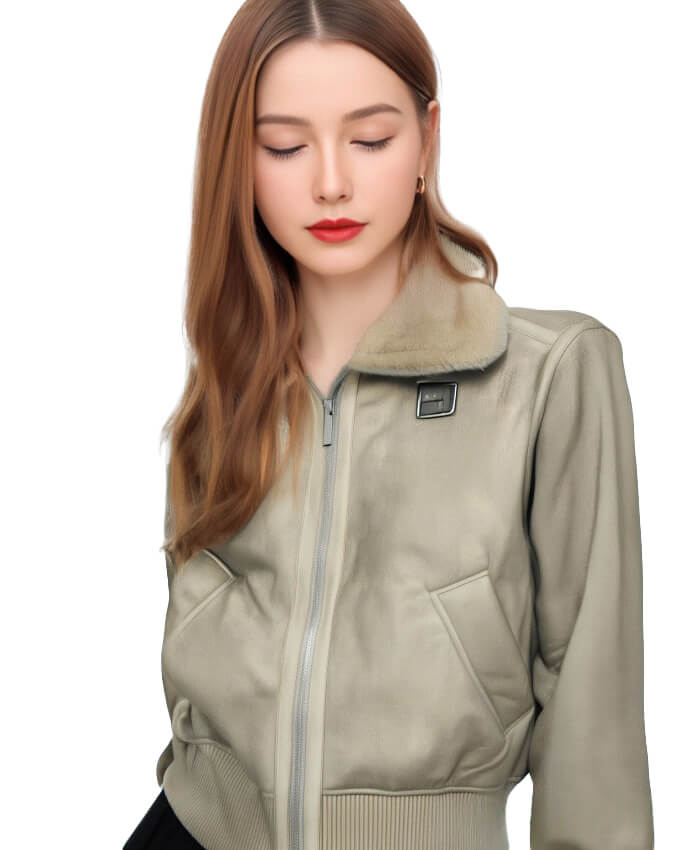
A high-quality leather jacket isn’t just an item in your wardrobe—it’s a legacy piece. It’s the jacket that accompanies you through decades of winters, develops a unique patina that tells your story, and remains stylish even as trends come and go. But what separates a $200 fast-fashion leather jacket from a $1,500 investment piece? The answer lies in a combination of intentional choices: premium materials, meticulous craftsmanship, thoughtful design, and durable components that work in harmony. In this guide, we’ll break down the non-negotiable traits that define a truly high-quality leather jacket.
The Leather: Quality Starts with the Hide
At the heart of every great leather jacket is the leather itself. Inferior leather will crack, fade, and lose shape within a year, while top-tier leather only improves with time. The quality of the leather depends on two key factors: the grade of the hide and the animal source.
1. Full-Grain Leather: The Uncompromising Standard
Full-grain leather is the gold standard for high-quality jackets—and for good reason. It’s made from the top layer of the animal hide, which retains the natural grain, pores, and even minor imperfections (like small scars or wrinkles). This layer is the strongest and most durable part of the hide, as it hasn’t been sanded or stripped of its natural protective properties.
What makes full-grain exceptional is its ability to develop a patina—a rich, worn-in luster that forms as the leather absorbs oils from your skin and reacts to the elements. Over time, a full-grain jacket won’t look old; it will look yours, with unique variations that can’t be replicated. You’ll know full-grain by its uneven texture, natural markings, and slight stiffness at first wear (it softens gradually without losing structure).
2. Top-Grain Leather: The Balanced Alternative
While full-grain is the pinnacle, top-grain leather is a high-quality alternative for those who prefer a smoother, more uniform look. It’s made by sanding off the outermost layer of the hide to remove blemishes, then treating it with a protective finish. This process makes the leather more resistant to staining and easier to care for, though it’s slightly less durable than full-grain (the sanding weakens the hide marginally).
Top-grain still develops a subtle patina and offers excellent longevity—often 5-10 years with proper care. It’s a popular choice for sleek, modern jacket styles like leather blazers or fitted bombers, where a polished appearance is key. Look for a smooth surface with a natural sheen (not a plastic-like gloss) to identify quality top-grain.
3. Animal Hide: Strength, Softness, and Character
The animal the leather comes from dictates its feel, durability, and purpose. High-quality jackets rely on hides selected for specific traits:
-
Cowhide: The most durable common leather, with a thick, rugged grain. It’s ideal for moto jackets, field coats, and any style meant for heavy use. Full-grain cowhide can last 20+ years, making it the top choice for investment pieces.
-
Lambskin/Sheepskin: Soft, lightweight, and supple, with a fine, smooth grain. It’s perfect for luxury bombers, cropped jackets, and tailored styles where comfort and drape matter. While less scratch-resistant than cowhide, high-quality lambskin (full-grain) still offers 5-8 years of wear.
-
Goatskin: A hidden gem—stronger than lambskin and softer than cowhide. It has a distinctive pebbled grain and natural water resistance, making it great for everyday jackets that balance durability and comfort.
-
Horsehide: Rare and premium, with a dense, smooth grain that’s extremely resistant to wear. It’s used in high-end moto jackets (like Schott NYC’s iconic styles) and can last a lifetime with proper care.
Avoid jackets made from “genuine leather” (a misleading term for corrected-grain or bonded leather). Corrected-grain leather is sanded, embossed with a fake grain, and coated in plastic— it cracks and peels within 2-3 years. Bonded leather, made from glued-together scraps, is even worse, often falling apart in months.
Craftsmanship: The Details That Hold It All Together
Even the best leather can’t save a poorly made jacket. High-quality leather jackets are constructed with the kind of precision that stands up to years of wear. These are the craftsmanship details to inspect:
1. Stitching: Tight, Reinforced, and Built to Last
Stitching is the backbone of a jacket’s durability. Look for:
-
Double or triple stitching at stress points: Shoulders, cuffs, hems, and pocket edges bear the most tension—quality jackets reinforce these areas with extra rows of stitching to prevent splitting.
-
Consistent, tight stitches: Stitches should be evenly spaced (2-3 per centimeter) with no skipped loops or loose threads. A uneven stitch line is a sign of rushed work.
-
Heavy-duty thread: The thread should be thick, synthetic (polyester or nylon), and color-matched to the leather. Cotton thread breaks down over time, causing seams to unravel.
-
Clean interior seams: The inside of the jacket should have finished, trimmed seams—no raw edges or fraying. Some premium brands even bind interior seams with leather or fabric for extra durability.
2. Hardware: Built to Outlast the Leather
Cheap hardware is the downfall of many “affordable” leather jackets. Zippers, buttons, and snaps should be as durable as the leather itself:
-
Zippers: Look for trusted brands like YKK, Riri, or Talon. These zippers glide smoothly, resist rust, and won’t jam or break. Test the zipper repeatedly— it should move effortlessly, even when the jacket is zipped all the way up. A “zipper garage” (a small fabric flap at the neck) is a premium touch that prevents the zipper from rubbing against your skin.
-
Buttons and snaps: Solid metal (not hollow or plastic) with a weighty feel. They should fasten securely without popping open, and the finish (brushed, polished, or antiqued) should be even and free of scratches. Avoid plastic hardware—it cracks and fades within months.
-
Buckles and D-rings: These should be welded (not just bent) and attached with reinforced stitching. Wiggle them—they shouldn’t move or feel loose.
3. Linings: Soft, Durable, and Protective
A high-quality lining does more than feel good against your skin—it protects the leather from sweat, friction, and wear. Look for:
-
Premium materials: Silk, cupro, or high-grade polyester satin are ideal. They’re soft, breathable, and resistant to tearing. Avoid thin, scratchy linings—they’ll wear out quickly and damage the leather from the inside.
-
Secure attachment: The lining should be stitched tightly to the leather, with no gaps or loose edges. Check the armholes and neckline— the lining should fit smoothly, without bunching when you move your arms.
-
Functional details: Interior pockets (with zippers or snaps) for valuables, and sometimes a removable lining (great for transitional weather) are signs of thoughtful design.
4. Edge Finishing: No Raw, Ragged Edges
The way a manufacturer finishes the raw edges of the leather reveals their attention to detail. High-quality jackets will:
-
Bind edges: Cuffs, hems, and necklines are often bound with leather or matching fabric to prevent fraying.
-
Edge paint or burnish: Exposed edges may be painted with a flexible, color-matched paint or burnished (rubbed to a smooth finish) to seal them.
-
Avoid glue: Raw edges held together with glue (not stitching) will separate over time—this is a major red flag.
Fit and Design: Timelessness Over Trends
A high-quality leather jacket should not only be durable but also wearable—and that means a fit and design that stands the test of time.
1. The Fit: Snug but Flexible
Leather doesn’t stretch much (full-grain softens but retains structure), so the fit should be right from the start. A well-fitted leather jacket:
-
Aligns at the shoulders: The shoulder seams should hit the edge of your shoulders—too wide, and it looks boxy; too narrow, and it restricts movement.
-
Has sleeves that hit the wrist: Sleeves should end at the base of your thumb, with enough room to wear a thin sweater underneath. When you raise your arms, they shouldn’t ride up past your elbows.
-
Follows your shape without being tight: It should skim your torso, with no pulling at the buttons or zippers. You should be able to button it comfortably while wearing a t-shirt or light sweater.
-
Has roomy armholes: Tight armholes make it impossible to move your arms freely— a common flaw in cheap jackets.
2. Timeless Design: Trends Fade, Classics Endure
High-quality leather jackets prioritize classic silhouettes over fleeting trends. These styles never go out of fashion:
-
Moto Jacket: Asymmetrical zipper, snap-down lapels, and multiple pockets— a rugged style that works with jeans, dresses, and everything in between.
-
Bomber Jacket: Ribbed collar, cuffs, and hem— soft and versatile, perfect for casual or semi-dressy looks.
-
Field Jacket: Structured, with a collar, waist belt, and flap pockets— ideal for colder weather and outdoor use.
-
Leather Blazer: Tailored with a single or double breast— bridges the gap between casual and formal, pairing with slacks or jeans.
Avoid jackets with excessive hardware, bold prints, or trendy cuts— they’ll feel outdated in a year, undermining the value of your investment.
The Intangibles: Smell, Feel, and Brand Trust
Sometimes, the signs of quality are sensory. A high-quality leather jacket engages your senses in ways a cheap one never will:
1. The Smell: Natural and Earthy
Genuine, high-quality leather has a distinct, natural aroma— warm, earthy, and slightly musky. If a jacket smells like plastic, chemicals, or glue, it’s made from synthetic materials or low-grade leather. The smell of good leather will linger gently, fading slightly over time but never disappearing entirely.
2. The Feel: Substantial but Supple
Pick up the jacket— it should feel substantial, with a weight that reflects the quality of the hide. Full-grain cowhide will feel sturdy but not stiff; lambskin will be soft and lightweight but not flimsy. When you flex the sleeve, the leather should give slightly, without creaking or cracking. Cheap leather feels thin, rigid, or overly plastic.
3. Brand Reputation: Trust the Experts
Brands that specialize in leather goods (not fast fashion) have a reputation to uphold, and they invest in quality materials and craftsmanship. Some trusted names include:
-
Schott NYC: Heritage brand making full-grain cowhide moto jackets since 1913— their jackets are worn by musicians and fashion icons alike.
-
AllSaints: Known for modern, sleek designs in top-grain leather— perfect for those who want a contemporary take on classics.
-
Coach: Luxury brand using full-grain lambskin and cowhide, with meticulous stitching and hardware.
-
Ralph Lauren: Timeless styles in premium leather— their field jackets and bombers are investment pieces that hold value.
Conclusion: Why Quality Matters
A high-quality leather jacket is an investment— one that pays off in longevity, style, and character. It’s the difference between a jacket you wear for a season and one that becomes a part of your story: the one you wear to concerts, job interviews, and weekend adventures, watching as it softens and darkens to match your life.
When you’re shopping, remember: quality reveals itself in the details. Inspect the leather (full-grain or top-grain only), check the stitching and hardware, and ensure the fit is timeless. Don’t be swayed by low prices— a $300 “leather” jacket will cost you more in the long run, as you’ll replace it every few years. A $1,000 full-grain cowhide jacket, by contrast, will last decades, becoming more valuable (and stylish) with time.
At the end of the day, a high-quality leather jacket isn’t just clothing. It’s a statement of intentionality— choosing durability over disposability, and craftsmanship over convenience. And that’s a choice that never goes out of style.