Japanese
  English
  French
  German
  Russian
  Spanish
  Portuguese
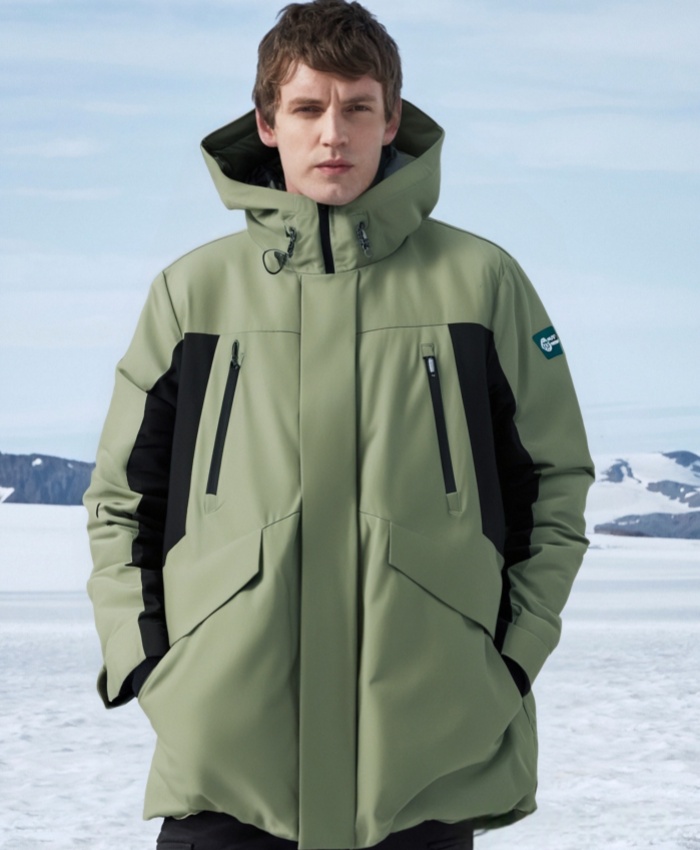
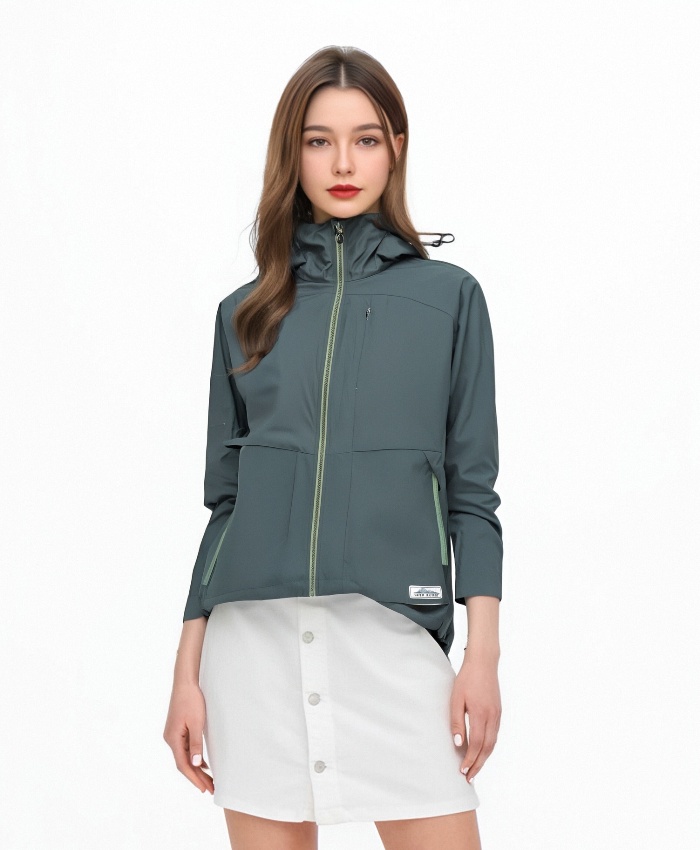
Advanced waterproof fabrics will easily fail if garment construction overlooks the seams.
Sewing creates tiny holes that let water sneak inside.
Fully taped vs critically taped seams: what’s the difference?
In this post, you will learn exactly how these methods compare.
We also explore manufacturing choices for outerwear brands.
Why Do Seams Matter in a Seam Taped Jacket?
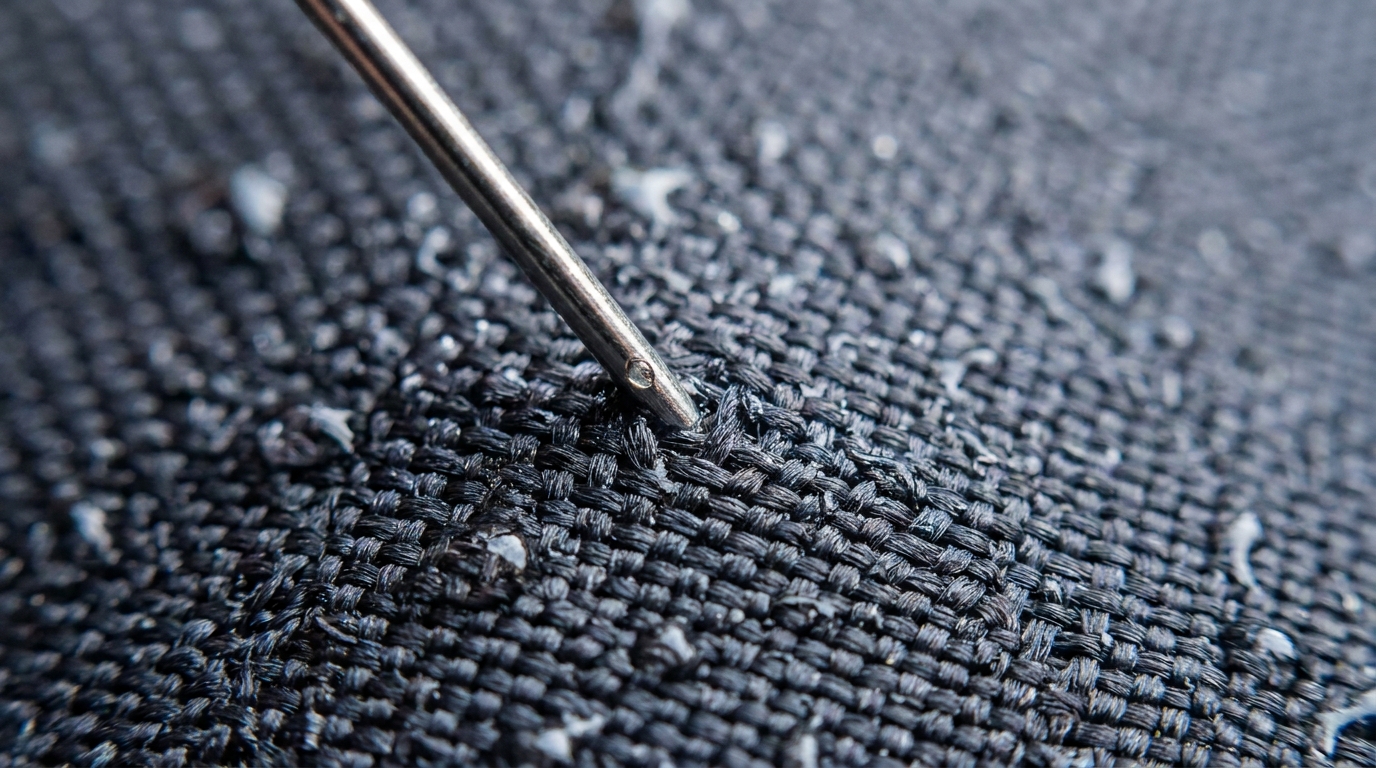
When brands design technical outerwear, fabric choice is only half the battle. Sewing garment panels together requires needles. Every stitch punches a tiny hole through that expensive waterproof fabric. A standard shell has thousands of these punctures along its structural seams and panel joins.
Under dry conditions, these microscopic holes do nothing. But add moisture and pressure, and they become highways for water. Heavy rain or wet coastal snow forces moisture directly through the stitch lines. Even the pressure of wearing a heavy backpack pushes water inside. If you sit on a wet chairlift, your body weight forces water into any untaped seams.
The Heat-Sealed Solution
This is exactly where seam tape comes in. It is a specialized waterproof strip. Manufacturers bond it directly over the interior stitching. They use specialized machines applying precise heat and pressure. This melts the adhesive backing, sealing the needle punctures completely.
With over 30 years of experience manufacturing custom waterproof jackets, we know tape application requires highly calibrated equipment. Factory technicians must ensure the strip stays bonded permanently. They must do this without melting or damaging the surrounding fabric.
Differentiating the Waterproofing Tech
People often confuse the different parts of a waterproof system. Effective weather protection actually relies on three separate components. They must work together to keep you completely dry.
| Component | Primary Function | Location on Garment |
|---|---|---|
| DWR Finish | Causes surface water to bead up and roll off. | Coated on the outer face fabric. |
| Waterproof Membrane | Blocks liquid water while letting sweat vapor escape. | Laminated inside the fabric (2L or 3L). |
| Seam Tape | Seals the physical needle holes created during sewing. | Bonded over interior stitch lines. |
Fabric layer terminology like “2-layer” or “3-layer” describes the laminate itself. It does not guarantee the level of seam taping. A high-quality seam taped jacket relies on the tape as the final barrier. If the outer DWR fails, the membrane blocks the moisture. If water reaches the stitch lines, the tape stops it from soaking your inner layers.
What Are Fully Taped Seams?
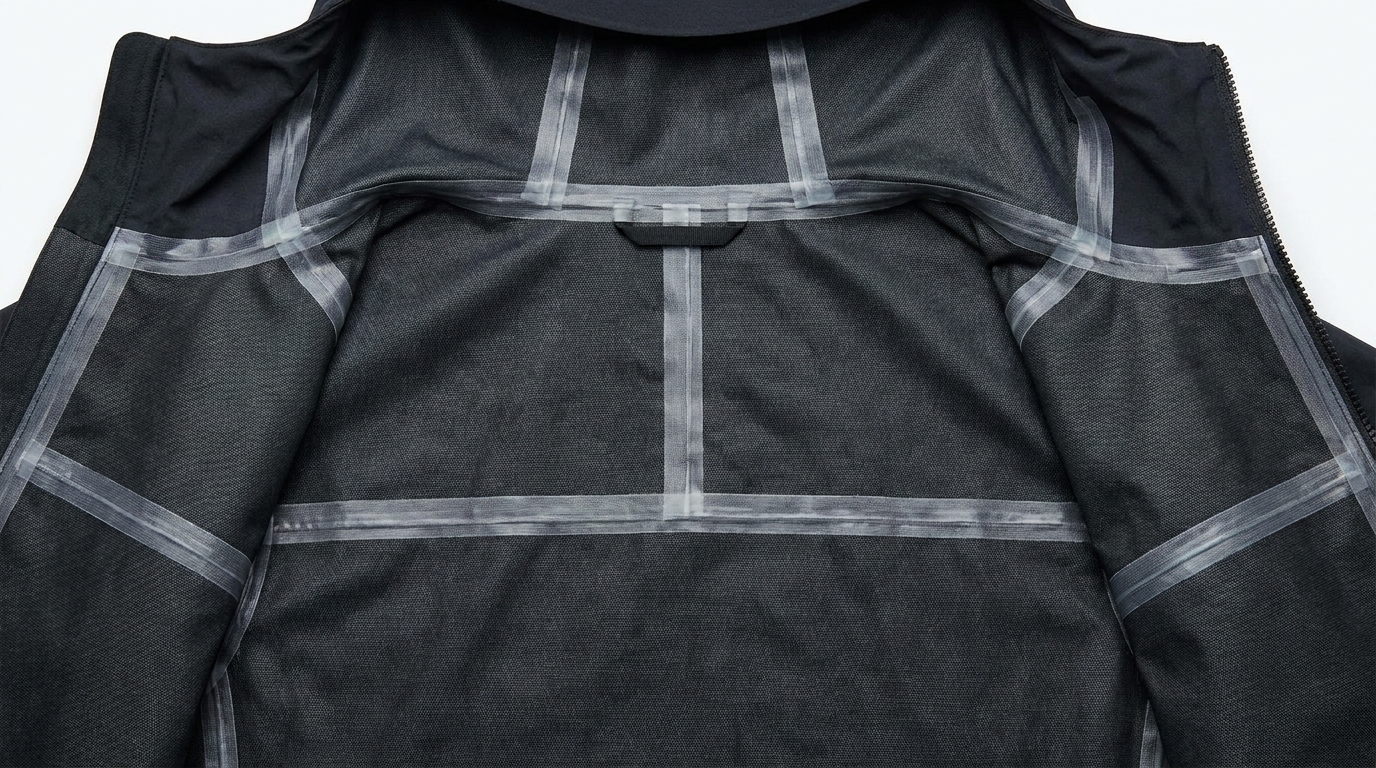
As we covered earlier, tape serves as your final defense against moisture. In a fully taped garment, technicians apply waterproof tape to every single structural seam. They seal 100% of the panel joins, sleeves, and pockets. Even hidden stitches around zippers, cuffs, and hoods receive this heat-sealed treatment.
If you are wondering about fully taped vs critically taped seams: what’s the difference? The answer starts with uncompromising protection. Full coverage leaves absolutely no backdoor for water to enter. It creates a complete, impenetrable barrier against the elements. If you wear a fully taped jacket, moisture cannot sneak through lower hems or pocket corners.
Modern technical shells use narrow tape to maintain flexibility. They reduce garment bulk while delivering maximum weather protection. At Honry Apparel, we leverage our network of over 100 certified material suppliers. This ensures our OEM outerwear remains completely sealed but never feels stiff or heavy.
When Do You Need Full Coverage?
Complete seam sealing shines during prolonged exposure to harsh environments. It becomes mandatory equipment when you cannot easily head inside to change clothes.
| Activity / Environment | Why Full Taping is Necessary |
|---|---|
| Wet Coastal Snow | Heavy, moisture-rich snow melts quickly on contact and easily penetrates untaped lower panels. |
| Backcountry Skiing | Carrying heavy backpacks forces water through shoulder and back seams under high pressure. |
| All-Day Resort Riding | Riders sit on wet chairlifts, pushing standing water directly into seat and hip seams. |
| Prolonged Heavy Rain | Continuous precipitation eventually overwhelms DWR finishes, relying entirely on taped seams to block ingress. |
You should always consider the classic chairlift test. Snowboarders and skiers frequently sit on wet chairlifts. They also kneel in melting snow. Your body weight forces water directly against the fabric. Without complete tape coverage, moisture eventually pushes through those lower structural seams. Fully taped construction prevents this uncomfortable scenario entirely.
What Are Critically Taped Seams?
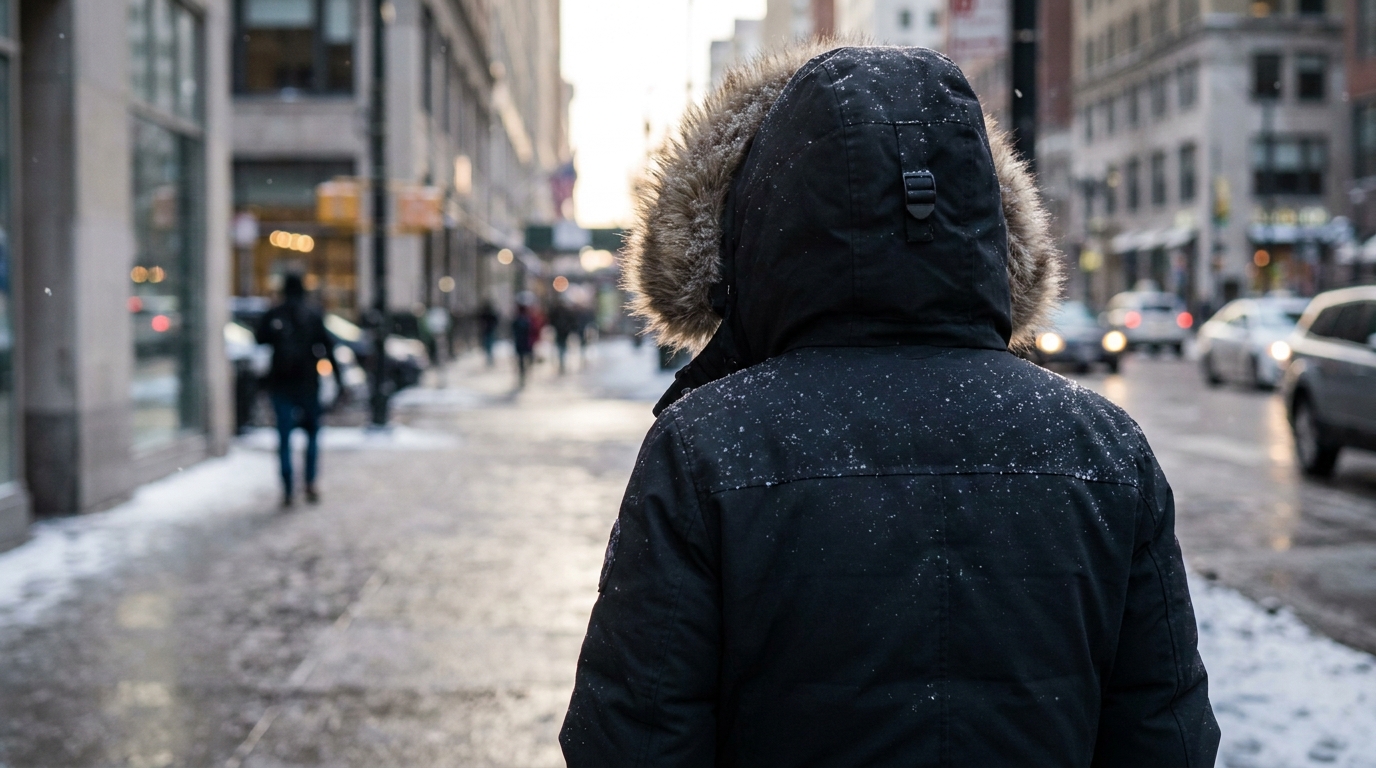
Full coverage prevents water from soaking your lower panels on a wet chairlift. However, not every jacket needs that level of armor. This brings us to the other side of the fully taped vs critically taped seams debate.
What exactly does “critically taped” mean? It is a strategic construction method. Manufacturers apply waterproof tape only to high-exposure areas. These critical zones typically include the hood, neck, and shoulders. Rain and snow hit these upper areas first. Lower panels, pocket joins, and underarm seams remain completely untaped.
Why Brands Choose Strategic Taping
Brands choose this partial taping method for several practical reasons. Skipping tape on lower seams reduces overall garment weight. It also slightly increases breathability in those non-critical zones. Tape adds bulk and blocks air transfer.
Most importantly, it offers a more cost-effective price point. Applying tape requires specialized machinery and skilled labor. Taping fewer seams lowers production costs. As an experienced OEM manufacturer, Honry Apparel often helps brands balance these material costs. We produce high-quality outerwear meeting specific budget targets without sacrificing core performance.
Understanding the Vulnerabilities
This strategic approach does create obvious vulnerabilities. Those untaped lower seams act as weak points during sustained wet weather. If you hike in heavy rain, water will eventually find those exposed needle holes. Moisture can leak into your pockets or soak your mid-layers around the hem.
Marketing language sometimes makes this confusing. Brands often leave the exact definition of “critical” vague. If you inspect a jacket, always check the lower torso and pocket joins closely. These areas usually lack tape on critically sealed garments.
Ideal Use Cases for Partial Coverage
You do not always need a waterproof fortress. Critically taped gear works perfectly in specific environments. It excels in dry and cold climates where snow remains light and powdery.
| Environment / Activity | Why Critically Taped Works Well |
|---|---|
| Dry and Cold Climates | Powder snow does not melt on contact. It easily brushes off before penetrating needle holes. |
| Fair-Weather Skiing | Short sessions in clear weather rarely expose seams to enough sustained moisture to cause leaks. |
| Everyday Urban Wear | Quick commutes and city walking do not generate the high pressure needed to force water through seams. |
| Light Snow or Drizzle | The DWR finish handles light surface moisture long enough for short outdoor excursions. |
Fully Taped vs Critically Taped Seams: Key Differences Explained
We just explored how strategic coverage handles dry powder while complete sealing tackles wet coastal snow. Understanding fully taped vs critically taped seams ultimately comes down to matching your specific needs. You must weigh weather demands against comfort and budget. Let us put these two manufacturing methods head-to-head.
Weather Protection and Coverage
The most obvious contrast lies in storm readiness. A fully taped garment seals 100% of the shell’s structural joins. This method delivers maximum weather protection. You get a complete barrier against wind-driven rain and melting snow. Critical taping only secures priority zones like the hood and shoulders. This strategic approach leaves other areas vulnerable. If you spend hours in heavy rain, moisture will eventually find those untaped lower panels. Water can easily seep into your pockets or dampen your mid-layers.
Comfort, Bulk, and Flexibility
Adding a waterproof strip over every stitch line changes how a fabric behaves. The sealing tape inherently adds physical structure. Because of this, a fully taped jacket can sometimes feel slightly stiffer. It might lack the natural drape of an unsealed piece. Critically taped garments often provide slightly more flexibility. The untaped lower zones move more freely alongside your body.
However, manufacturing technology has improved significantly over recent years. At Honry Apparel, we utilize modern narrow taping techniques. This minimizes bulk across all our custom outerwear production. Our factory technicians apply precise heat sealing to ensure garments remain highly flexible. You get maximum storm defense without feeling like you are wearing cardboard.
Cost and Material Investment
Production complexity directly impacts retail pricing. Full taping requires significantly more specialized material. It also demands extensive machinery time and highly skilled labor. Factory workers must meticulously heat-seal every hidden stitch around cuffs and zippers. This intensive process naturally leads to a higher retail price. Critical taping offers a highly budget-friendly alternative. It requires less material and faster overall production times. This method provides essential protection for casual users without the premium price tag. As an experienced OEM manufacturer, we regularly help brands navigate these exact choices. We balance material costs and production strategies to hit specific target markets.
| Feature | Fully Taped Seams | Critically Taped Seams |
|---|---|---|
| Coverage | 100% of all structural joins and pockets. | Only high-exposure zones like hoods and shoulders. |
| Weather Protection | Maximum defense against heavy rain and wet snow. | Moderate defense suited for dry snow or light drizzle. |
| Flexibility | Can feel slightly stiffer due to extra material. | More natural drape in the untaped lower sections. |
| Cost | Higher retail price due to intensive labor and material. | More budget-friendly and cost-effective for everyday use. |
How Does Seam Taping Relate to 2-Layer and 3-Layer Fabrics?
We just compared how production costs and weather demands dictate your choice between full and critical coverage. However, another technical detail often confuses buyers. You will frequently see terms like “2-layer” or “3-layer” alongside taping specs. This creates a very common misconception.
Many people assume a higher layer count automatically guarantees complete seam sealing. In reality, the fabric laminate and the seam construction remain two entirely different things. Layer terminology only describes the material itself. It tells you how the manufacturer built the waterproof membrane. The taping method determines how they sealed the physical needle holes after sewing.
2-Layer Fabrics (2L) and Taping Options
A 2-layer fabric features a waterproof membrane bonded directly to the outer face fabric. The inside of this membrane remains exposed and fragile. Because of this, these garments require a separate hanging mesh or fabric lining for protection.
Factory technicians apply the waterproof tape directly to the membrane before sewing in that loose lining. Because 2L jackets serve many purposes, they utilize both taping methods. Brands frequently pair 2-layer fabrics with critically taped seams. This strategy keeps retail prices down for casual winter coats or entry-level ski gear. However, you can also easily find fully taped 2L jackets built for heavier storms.
3-Layer Fabrics (3L) and Maximum Defense
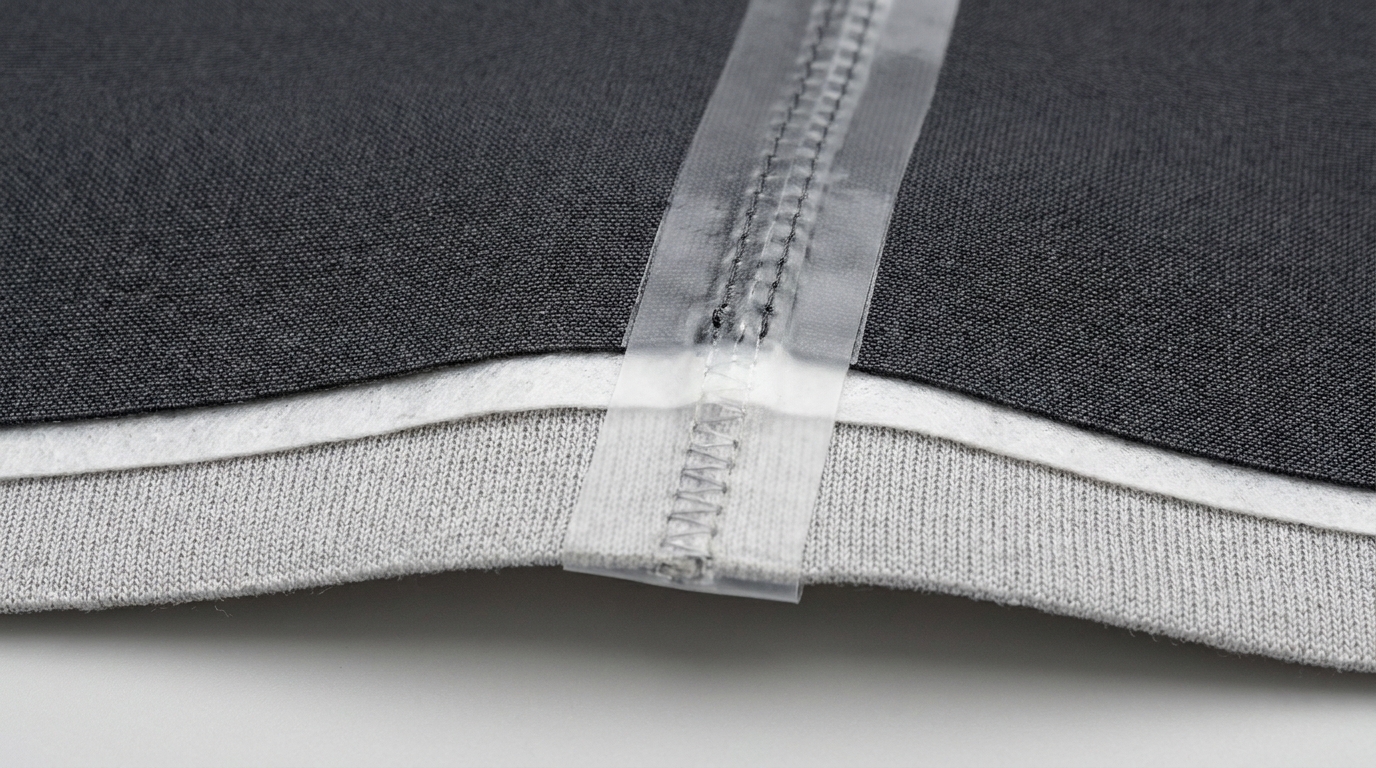
A 3-layer fabric takes a much more advanced approach. The face fabric, the waterproof membrane, and a protective inner backer are all laminated together. They form one single, unified piece of material. You will not find any loose hanging lining inside these technical shells.
When you look inside a 3L jacket, you see the seam tape clearly. Because 3-layer fabrics represent the pinnacle of technical outerwear, they almost exclusively feature fully taped seams. It makes zero sense to invest in an expensive 3L laminate only to leave lower panels vulnerable to water ingress.
As an experienced OEM manufacturer, Honry Apparel handles both fabric constructions daily. We source premium 2L and 3L laminates from our network of over 100 certified material suppliers. Our factory applies precise heat-sealing to match the technical grade of the fabric. This ensures every custom waterproof jacket delivers reliable protection in its intended environment.
| Fabric Type | Laminate Construction | Typical Seam Taping Method |
|---|---|---|
| 2-Layer (2L) | Membrane bonded to face fabric, protected by a separate loose inner lining. | Can be either critically taped or fully taped, depending on the target price point and intended use. |
| 3-Layer (3L) | Face fabric, membrane, and inner backer laminated into one single piece of material. | Almost exclusively fully taped to ensure maximum technical performance in harsh conditions. |
Sourcing and Manufacturing Custom Waterproof Jackets
As we just saw, matching the right fabric laminate to the correct seam construction dictates garment performance. For fashion brands, retailers, and private label businesses, understanding fully taped vs critically taped seams is vital. It directly impacts your production budget and retail positioning. You must align these manufacturing choices with your target audience’s specific needs.
The Role of an Experienced OEM/ODM Partner
Designing a technical shell looks easy on paper. Executing that design on the factory floor requires serious expertise. Applying waterproof tape demands advanced seam-sealing machinery. Technicians must calibrate heat and pressure precisely. If they get it wrong, the tape will peel or leak over time. Strict quality control prevents these costly failures.
Honry Apparel utilizes over 30 years of garment manufacturing experience to solve these exact challenges. We operate as a professional OEM/ODM partner based in China. We produce high-quality custom outerwear for international fashion brands and wholesalers. Our factory handles everything from initial product development to mass production and global logistics.
We offer brands complete flexibility in their production strategies. You can easily choose between fully taped or critically taped designs. We help you balance these options based on your target market and price point. An entry-level winter coat requires a very different manufacturing approach than an expedition-grade shell.
Consistent material quality makes or breaks technical outerwear. When planning your custom apparel lines, we help you navigate these crucial production decisions:
- Target Market Alignment: We match seam construction directly to your specific consumer needs and climate demands.
- Budget Optimization: We balance material costs between strategic critical coverage and complete full taping options.
- Stable Sourcing: We leverage partnerships with over 100 certified fabric and trim suppliers to guarantee consistent quality.
- Scalable Production: We provide end-to-end solutions from early prototyping to reliable mass production runs.
This extensive global supply chain ensures stable sourcing for your brand. It enables us to offer competitive pricing without sacrificing premium quality. We position ourselves as your long-term manufacturing partner, not just a temporary garment supplier.
結論
Understanding fully taped versus critically taped seams is vital. Choose fully taped jackets for extreme, wet outdoor activities. Opt for critically taped seams for casual, dry winter wear. Brands should partner with a reliable manufacturer like Honry Apparel. Our thirty years of experience ensures your outerwear meets high standards.
- Assess your target market’s specific weather conditions.
- Define your outerwear budget and retail price points.
- Contact Honry Apparel for custom jacket manufacturing solutions.
Frequently Asked Questions About Fully Taped vs Critically Taped Seams
Why does my waterproof jacket leak in heavy rain?
Even with a high waterproof rating, jackets can leak through tiny needle holes. Every stitched seam creates punctures in the fabric. If these structural seams lack waterproof tape, water enters under pressure. This often happens on shoulders or when sitting on wet surfaces. Fully taped seams seal every puncture to block moisture ingress. Honry Apparel ensures precise seam sealing during custom jacket manufacturing to prevent this exact issue.
Are critically taped seams good enough for skiing?
Critically taped seams work well for dry snow and short resort sessions. They protect high-exposure zones like the hood and shoulders. However, they might fail the chairlift test if you sit on wet seats. Pressure forces meltwater through untaped lower panels. If you ski in wet coastal snow, you need fully taped seams. Budget-conscious skiers in cold, dry climates often choose critically taped jackets.
Does a 3-layer fabric guarantee fully taped seams?
No, fabric layers and seam construction are completely different features. A 3-layer fabric laminates the face fabric, membrane, and backer together. This layer count describes the material itself, not the seam taping level. A manufacturer can use premium 3-layer fabric but only apply critical taping. Always check the product description for fully taped seams before buying.
Which parts of a jacket have critically taped seams?
Brands usually apply tape to the most exposed areas of the garment. This typically includes the hood, neck, and shoulder seams. Lower torso panels and pocket joins often remain untaped to save costs. Because definitions vary, check the inside of the jacket if possible. You can easily spot the waterproof strips bonded over the interior stitching.
Do fully taped seams make a jacket stiff or heavy?
Older sealing methods sometimes made garments feel bulky and rigid. Today, modern technical shells use very narrow tape. This advanced construction maintains fabric flexibility and reduces overall weight. You get complete weather protection without sacrificing comfort or mobility. Experienced manufacturers like Honry Apparel use specialized taping equipment. This ensures custom outerwear remains lightweight, breathable, and fully waterproof.
- Inspect your current jacket’s interior to see if the lower seams have visible tape.
- Evaluate your typical winter climate to determine your exact weather protection needs.
- Read product descriptions carefully to verify the specific level of seam sealing.
- Contact an experienced OEM manufacturer like Honry Apparel for reliable custom outerwear production.
Choosing between fully and critically taped seams depends on your specific weather conditions. Fully taped garments seal every needle hole for ultimate wet-weather protection. Critically taped options save money but only protect major exposure zones. Understanding this difference helps you select the right gear for your climate. For brands, partnering with experts like Honry Apparel guarantees high-quality seam construction.