Japanese
 English
 French
 German
 Russian
 Spanish
 Portuguese

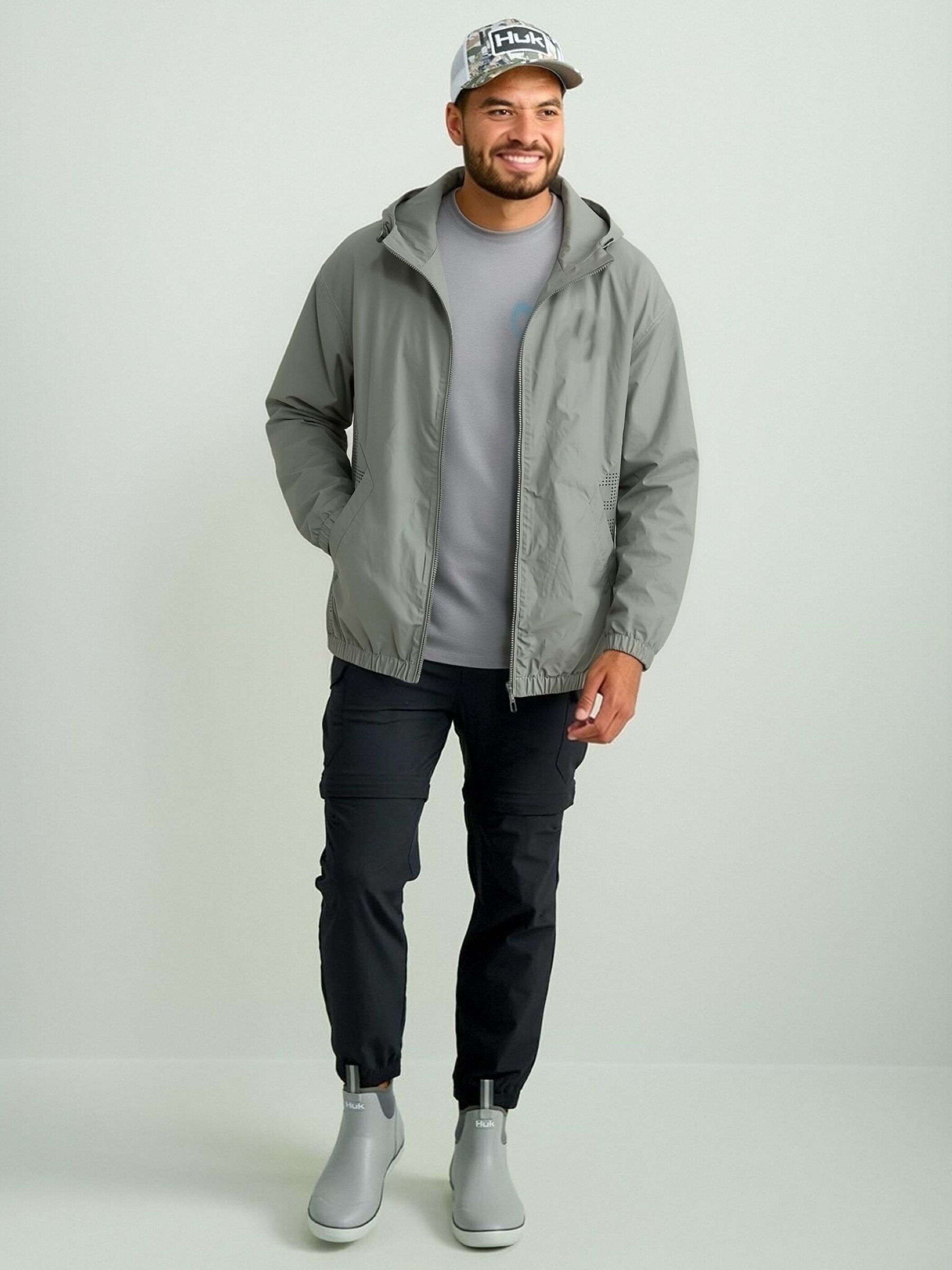
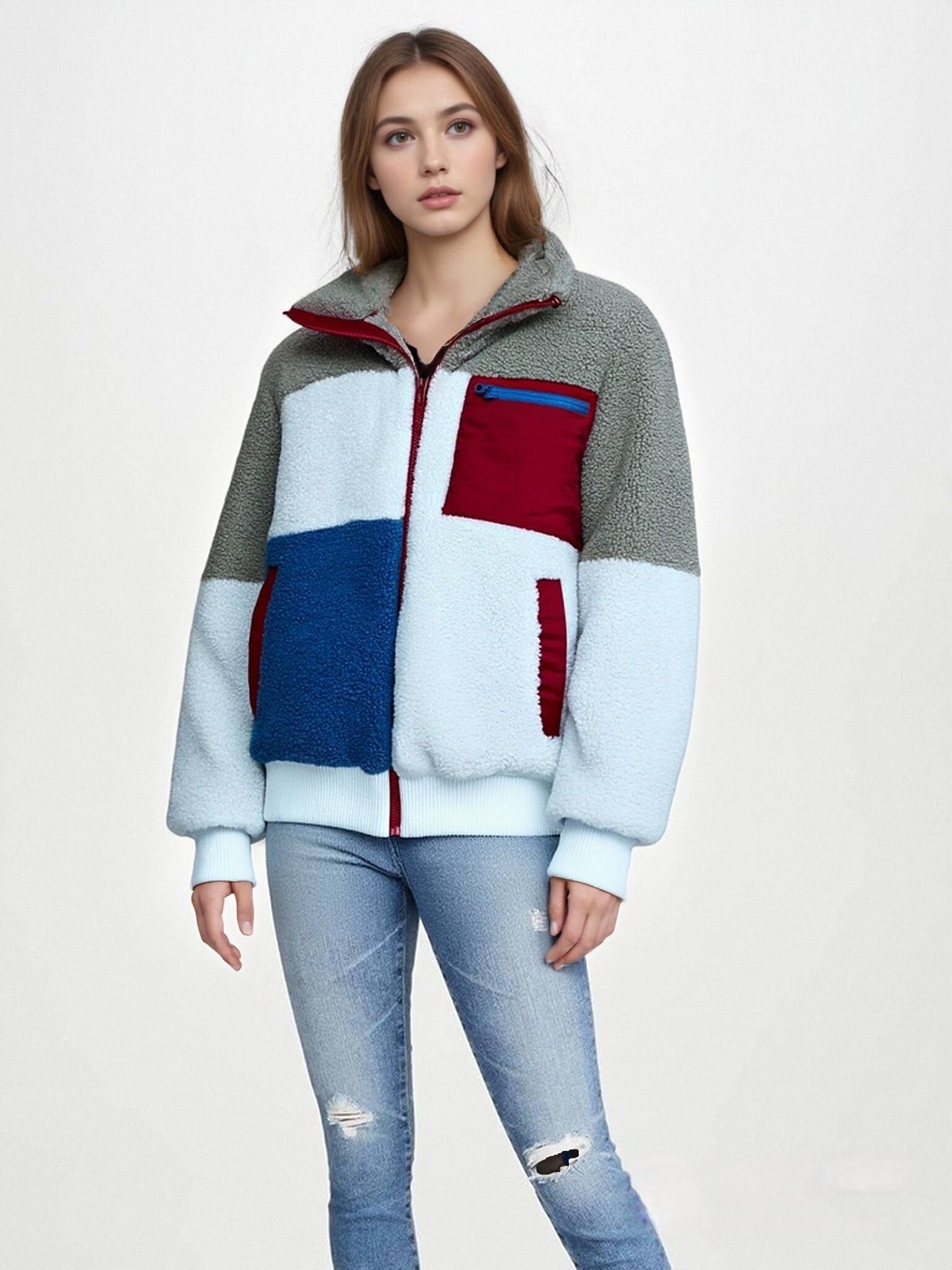
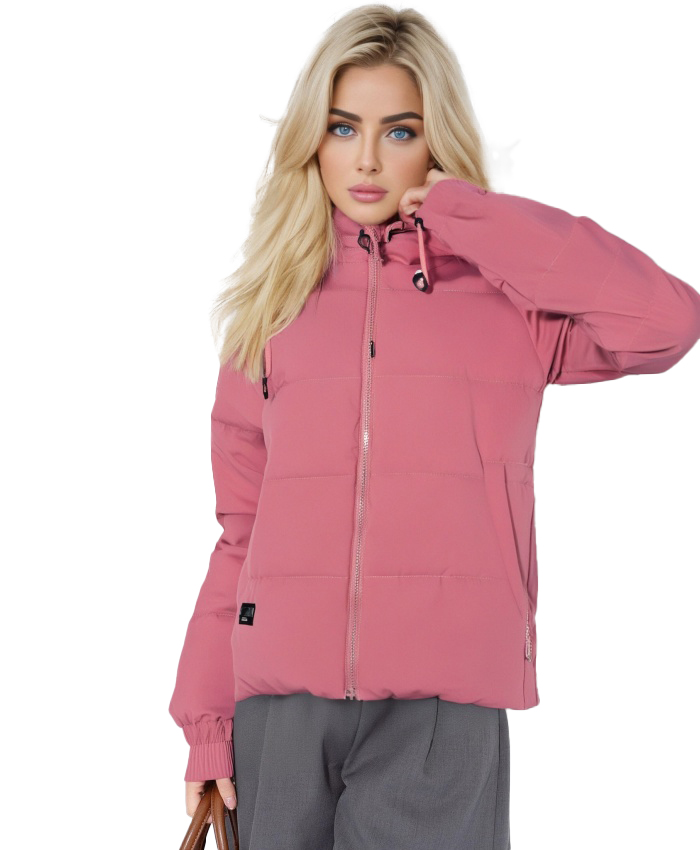
Essential Characteristics of Transitional Outerwear
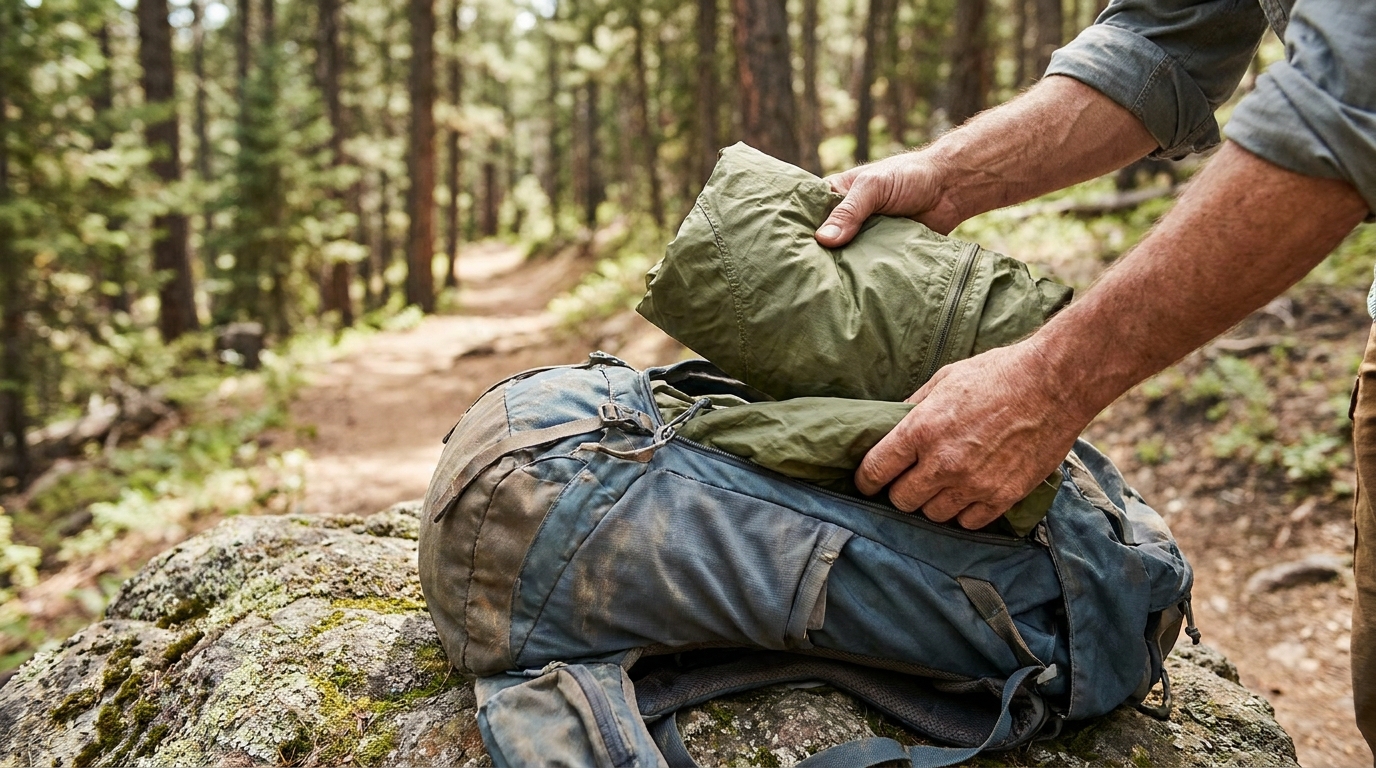
A quality lightweight jacket offers specific features that heavier coats lack. These garments prioritize mobility, convenience, and adaptable warmth.
Packability for On-the-Go Use
Transitional outerwear is designed to be highly compressible. These jackets remain thin enough to fold or roll easily into a gym bag or backpack, making them ideal for unpredictable weather and travel.
Versatility in Layering
These garments function beautifully across different seasonal conditions. During early autumn or late spring, they serve as standalone outer shells. When temperatures drop below freezing, they transition into cozy mid-layers worn over a base layer and underneath a heavy winter parka.
Advanced Fabric Technology
Modern transitional jackets utilize specialized materials to enhance comfort. Manufacturers include several key fabric features to improve performance:
- Four-way stretch fabric: Provides complete freedom of movement during physical activity.
- Moisture-wicking construction: Pulls sweat away from the skin to keep you dry.
- Double-fabric designs: Offer improved durability and targeted weather resistance.
Effective Temperature Regulation
Managing body heat is a primary function of these garments. They provide just enough insulation for cool mornings and breezy evenings, while breathable materials prevent overheating during active outdoor pursuits.
Exploring the Different Types of Lightweight Jackets
With an understanding of essential fabric technologies and layering principles, you can choose the right outerwear for your needs. Different styles prioritize specific features, from weather resistance to maximum stretch.
Windbreakers
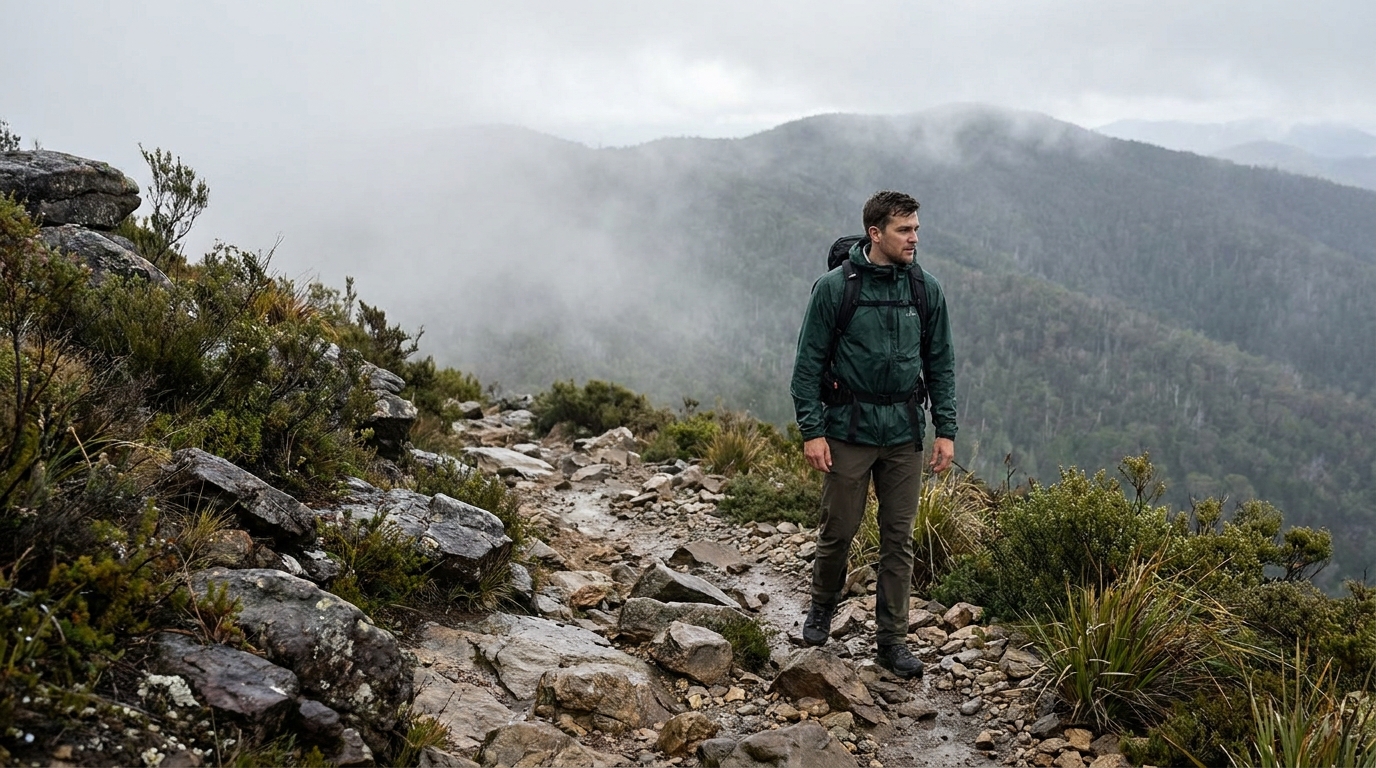
Windbreakers function as technical outer shells that block wind and repel light rain. This makes them ideal for hiking or unexpected summer showers. Unlike thicker coats, they pack down easily and pair well with moisture-wicking base layers during outdoor exercise.
Lightweight Puffer Jackets
A lightweight puffer jacket provides excellent warmth without the bulk of a heavy winter coat. These highly compressible garments trap body heat effectively, working as a standalone jacket in autumn or a mid-layer during extreme cold.
Sports and Track Jackets
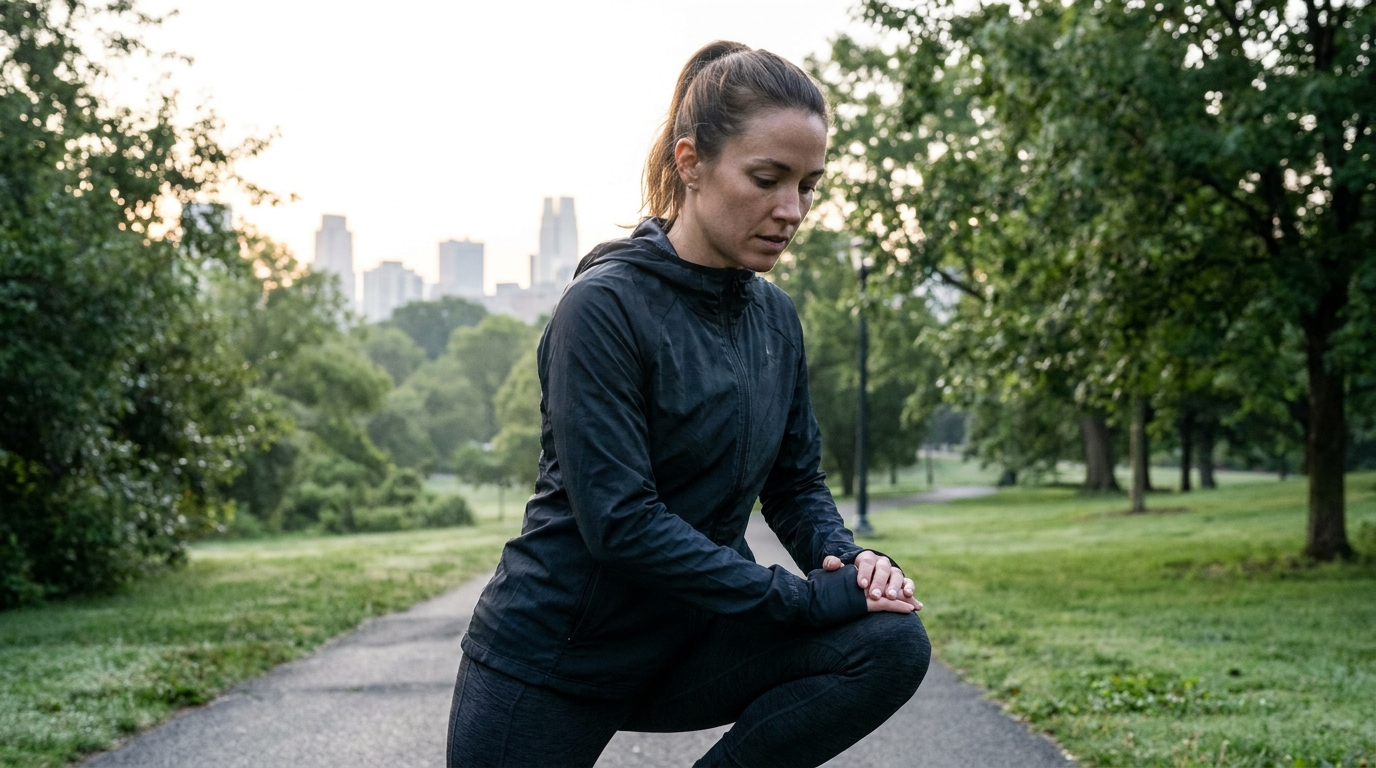
Sports and track jackets focus on athletic performance, sacrificing some weather protection to maximize breathability. These zip-up jackets often feature four-way stretch fabric to ensure complete freedom of movement and temperature regulation at the gym.
Bomber Jackets
Bomber jackets offer a classic silhouette for casual wardrobes. They act as highly versatile layering pieces across multiple seasons. You can throw one over a t-shirt for breezy summer evenings or pair it with a thin jumper in the autumn.
Fleece-Lined Hoodie Jackets
For maximum lightweight warmth, choose a fleece-lined hoodie jacket. These garments provide soft insulation, often featuring a cozy lambswool-effect lining. Their longer, relaxed fit pairs perfectly with fitted bottoms like leggings, joggers, or casual jeans.
| Jacket Type | Primary Function | Best Use Case |
|---|---|---|
| Windbreaker | Wind and water resistance | Hiking and unpredictable weather |
| Lightweight Puffer | Compressible insulation | Cold weather layering |
| Sports Jacket | Breathability and stretch | Active workouts and running |
| Bomber Jacket | Versatile styling | Casual daily wear |
| Fleece-Lined Hoodie | Maximum soft warmth | Relaxed comfort in cool weather |
Practical Comparisons and Decision Factors
Selecting the right outerwear requires comparing how different styles perform under specific conditions. Understanding these trade-offs ensures you choose the most effective garment for your routine.
Sports Jackets vs. Windbreakers
When preparing for physical activity, you must choose between breathability and weather protection. Sports jackets prioritize active mobility, using stretch fabrics to keep you cool during indoor workouts. In contrast, windbreakers act as protective shells that excel at blocking harsh winds and repelling light rain on outdoor trails.
Fleece-Lined Hoodies vs. Bomber Jackets
If your primary goal is casual comfort, consider how you plan to wear the garment. Fleece-lined hoodies provide plush warmth ideal for relaxed, cool-weather lounging. Bomber jackets offer sleek styling and multi-season versatility, transitioning smoothly from day to night rather than providing heavy insulation.
Weather Protection Risks
Shoppers often confuse the terms water-resistant and waterproof. Most transitional outerwear, including standard windbreakers, is only water-resistant. They repel light moisture but eventually allow water penetration under heavy rain. For absolute waterproofing in severe weather, always check the garment’s specific hydrostatic head rating.
Aligning Outerwear with Your Daily Activities
To find the most practical jacket, match the garment’s features directly to your lifestyle:
- Assess your primary environment: Determine if you spend more time indoors, on city streets, or on woodland trails.
- Identify your activity level: Dedicated outdoor pursuits require moisture-wicking materials and reliable weather shields.
- Evaluate styling needs: Seamless gym-to-street transitions benefit from sleek track jackets or versatile bombers.
- Plan your layering strategy: Ensure your new lightweight jacket fits comfortably under your existing heavy winter coats.
Expert Layering and Styling Strategies
Once you select the right transitional outerwear, knowing how to wear it maximizes its utility. Proper layering and styling techniques help you adapt to changing weather conditions and social settings.
Cold Weather Layering
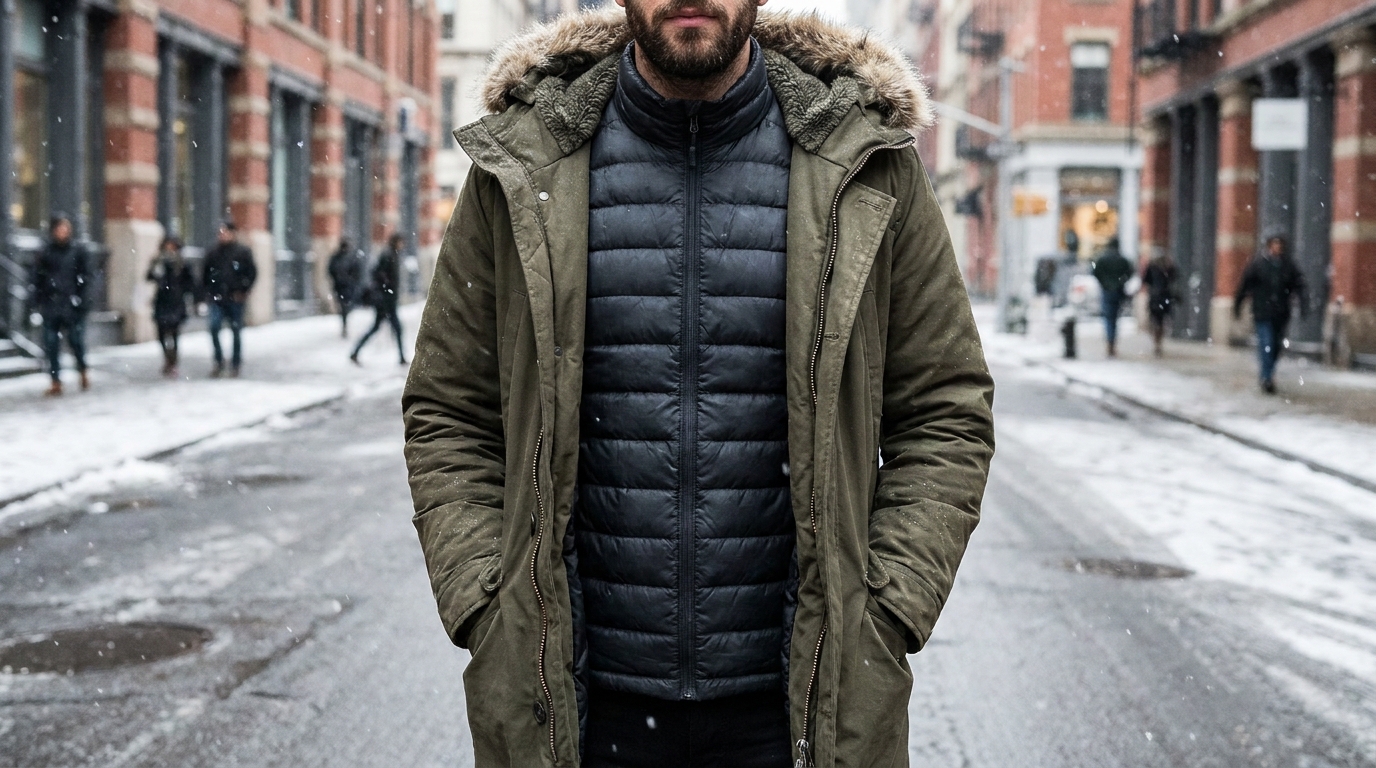
When temperatures drop significantly, you can convert a lightweight puffer or fleece into a highly effective mid-layer. Follow this simple sequence for extreme cold:
- Base Layer: Start with a moisture-wicking shirt directly against your skin to manage sweat.
- Mid-Layer: Add your lightweight jacket to trap body heat without adding unnecessary bulk.
- Outer Shell: Wear a heavy winter parka over the top to block wind and snow.
This three-step strategy provides maximum warmth while allowing you to remove the heavy outer coat indoors.
Active Outdoor Layering
Outdoor workouts require careful temperature management. Always wear a moisture-wicking shirt underneath your outerwear to pull sweat away from your body. If you expect rain or harsh gusts, add a windbreaker over your base layer to seal out the external elements.
Casual Styling Tips
Beyond technical performance, transitional jackets offer excellent casual styling options. To create a balanced silhouette with oversized or relaxed-fit fleece hoodies, pair them with fitted bottoms. Excellent options include:
- Athletic leggings for a sporty, comfortable look.
- Slim joggers that taper closely at the ankle.
- Tailored casual jeans to contrast the loose drape of the jacket.
Evening Transitions
Finding outerwear that transitions seamlessly from day to night is highly valuable. Bomber jackets excel at these rapid wardrobe shifts. Their sleek profile easily accommodates light knitwear, keeping you comfortable and stylish as seasonal temperatures fluctuate.
Frequently Asked Questions About Lightweight Jackets
How do I choose between a windbreaker and a sports jacket for exercise?
Your choice depends on the weather and your activity. Sports jackets feature four-way stretch fabrics that prioritize breathability and freedom of movement, making them perfect for intense gym sessions. Windbreakers act as a protective outer shell against harsh winds and light rain, making them the better option for outdoor hikes.
Are lightweight windbreakers completely waterproof?
No, most standard windbreakers are only water-resistant. They repel light moisture and brief summer showers but will eventually soak through during heavy rain. If you need absolute waterproof protection, look for a high hydrostatic head rating rather than relying on a standard lightweight shell.
Can I wear a lightweight jacket in freezing winter weather?
Yes, but not as your only outer layer. In extreme cold, a lightweight puffer or fleece works perfectly as a cozy mid-layer. Start with a moisture-wicking base layer, add the lightweight jacket to trap body heat, and finish with a heavy winter parka over the top.
What is the best way to style a fleece-lined hoodie jacket?
Because fleece-lined hoodie jackets usually feature a longer, relaxed fit, they look best when paired with fitted bottoms. Athletic leggings, slim joggers, or tailored casual jeans help create a balanced and stylish silhouette.
How do lightweight jackets prevent overheating during activities?
Modern transitional jackets use breathable materials and moisture-wicking construction to pull sweat away from your skin. This allows excess heat to escape, providing just enough warmth for cool weather without the bulky, overheating effect of a winter coat.
結論
Lightweight jackets are essential for staying comfortable during unpredictable weather. The perfect choice balances breathability, insulation, and weather resistance to match your daily routine. By adding versatile layers like a windbreaker or a puffer to your wardrobe, you can easily adapt to any season.
- Evaluate your local climate and daily activities.
- Check labels for water-resistant or waterproof features.
- Try layering a thin puffer under a heavy coat.