Japanese
 English
 French
 German
 Russian
 Spanish
 Portuguese



What Defines a Lightweight Jacket?
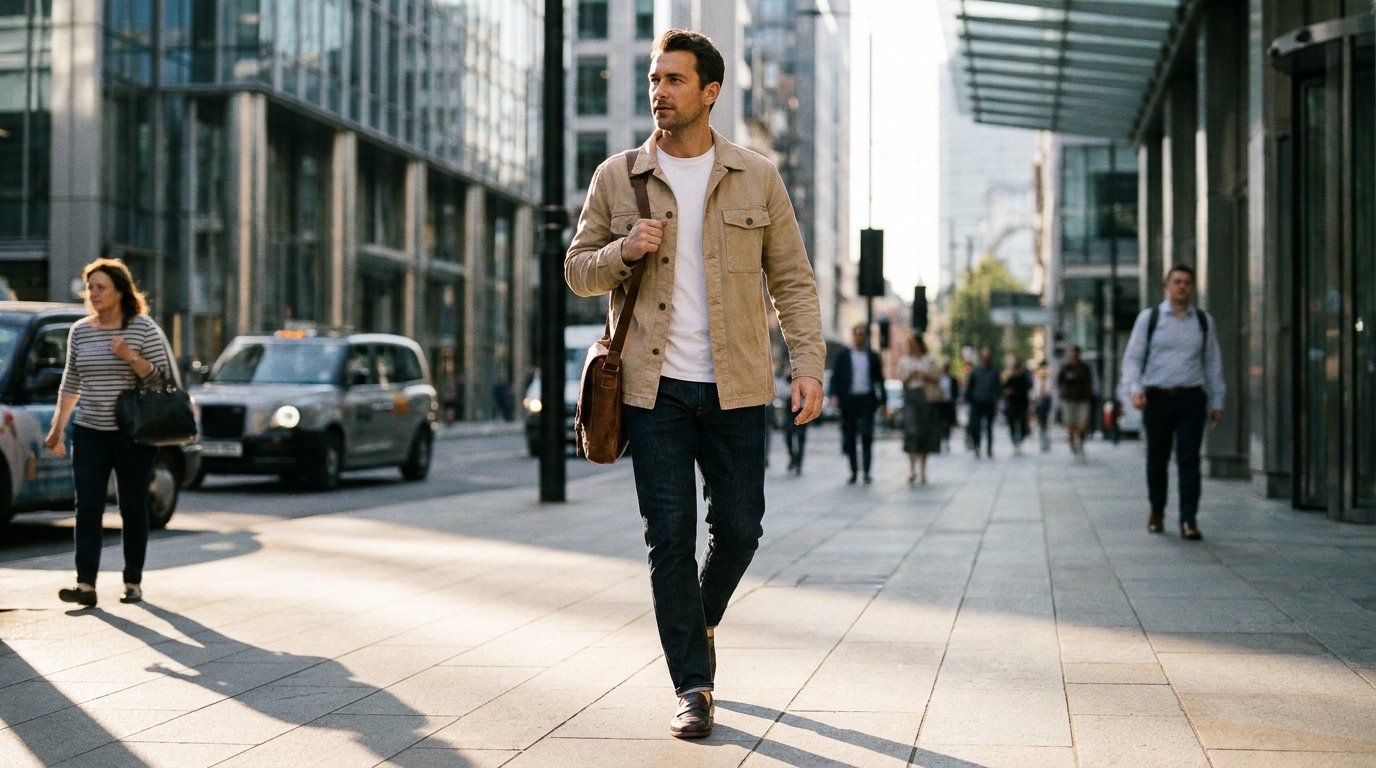
A lightweight jacket represents a broad category of summer outerwear. It provides mild temperature regulation without the heavy bulk of insulated winter coats. These garments focus heavily on style, layering versatility, and everyday comfort.
This broad category includes many distinct silhouettes. Popular styles include:
- Overshirts: These offer more structure than a standard shirt but remain highly adaptable.
- Kimono-inspired jackets: Known for a relaxed silhouette and a fluid drape.
- Overlay coats: These provide an elongated, structured look using less bulky materials.
- Bomber jackets: A classic, sporty shape suitable for transitional weather.
As an experienced jacket manufacturer, Honry Apparel produces these varied styles using diverse materials. Common fabric choices include cotton, linen blends, synthetic fabrics, and open-construction mesh.
Functional Benefits in Daily Wear
These pieces help manage sudden temperature drops. Moving from extreme outdoor heat into an air-conditioned office or airport can be uncomfortable, and a lightweight outer layer provides just enough coverage.
Additionally, these jackets elevate basic outfits. Throwing an overshirt or bomber over a simple T-shirt and trousers instantly creates a structured, smart-casual look, making them essential for a travel-friendly capsule wardrobe.
The Breathability Misconception
Buyers often assume that thin fabrics are inherently cooling. However, the label “lightweight” does not automatically guarantee breathability. True airflow depends heavily on the garment’s construction.
Key factors that dictate breathability include:
- Fabric weave: Tightly woven synthetics block air, while open-construction mesh allows heat to escape.
- Yarn type: Natural fibers like linen manage moisture better than standard polyester.
- Lining: A heavy or non-porous lining will trap body heat, regardless of the outer shell.
When selecting or designing summer outerwear, evaluate these construction details closely. Do not rely on weight alone to determine a garment’s cooling capabilities.
What is a Windbreaker?

Unlike broad summer outerwear, a windbreaker is a purpose-built garment. Its primary job is to block wind chill and handle light precipitation, serving as a protective outer layer rather than just a styling piece.
Fabric and Material Composition
To achieve weather resistance, windbreakers rely on tightly woven synthetic fabrics like nylon or polyester. These dense weaves physically block cold air from reaching your body. Additionally, the outer shell often features a water-resistant finish to shed light rain.
Key Construction Features
Beyond the fabric, specific construction details maximize weather protection. Common features designed to seal out the elements include:
- Elastic cuffs: These gather tightly at the wrist to prevent wind from traveling up the sleeves.
- Drawcord hems: Adjustable cords allow you to cinch the jacket tight around your waist.
- Zippered fronts: Full-length zippers, often paired with a storm flap, provide a secure closure against drafts.
- Fitted hoods: Many designs include lightweight hoods to protect the head during sudden weather changes.
Primary Use Cases
Because of its functional design, this garment leans heavily toward activewear. It is the go-to choice for outdoor sports, hiking, and running, and is highly practical for unpredictable transitional weather.
While a standard lightweight jacket might be worn indoors to combat air conditioning, a windbreaker is strictly an outdoor tool. It prioritizes active movement and elemental protection over smart-casual aesthetics.
Head-to-Head Comparison: Lightweight Jacket vs. Windbreaker
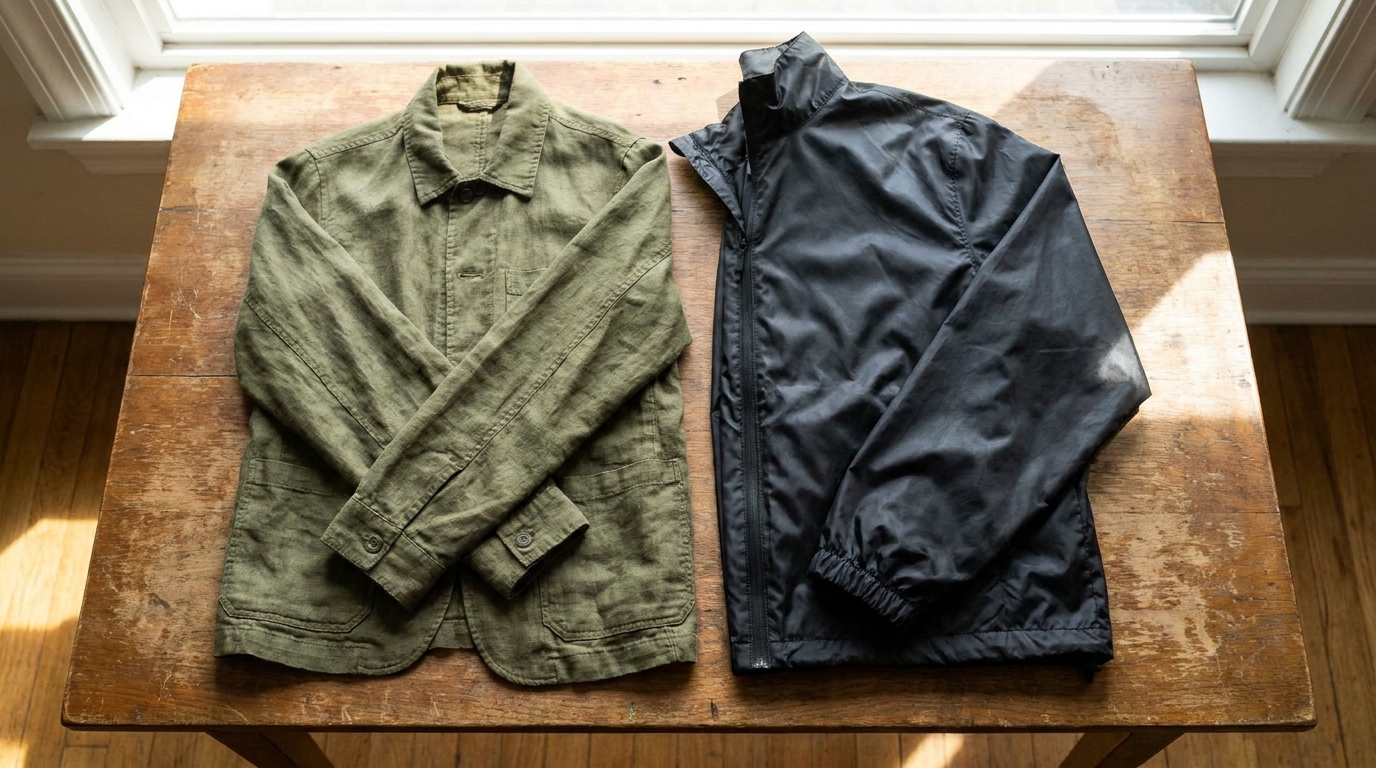
Understanding the distinct strengths of each garment helps you make better wardrobe choices. While both serve as practical outer layers, their construction dictates how and when you should wear them.
| Feature | 軽量ジャケット | Windbreaker |
|---|---|---|
| Primary Function | Basic coverage and style | Weather protection |
| Airflow | High (depending on weave) | Low (traps body heat) |
| Style Profile | Structured, smart-casual | Sporty, utilitarian |
| Travel Benefit | Versatile outfit combinations | Ultra-compact packing |
Weather Resistance
A windbreaker’s dense synthetic shell excels at blocking cold gusts, and its water-resistant finish easily handles light precipitation. A lightweight jacket prioritizes basic coverage over elemental protection. It provides an excellent barrier against harsh sunlight or aggressive indoor air conditioning, but its softer fabrics and open weaves will not keep you dry in a rainstorm.
Breathability and Airflow
If you need to stay cool in extreme heat, fabric construction matters most. Open-construction garments, like sheer mesh jackets, offer superior ventilation. They allow body heat to escape rapidly while providing physical coverage. Windbreakers function differently. Because their tightly woven fabrics block outside air from entering, they naturally prevent warm air from leaving. This heat-retaining nature makes them uncomfortable in hot, humid climates.
Aesthetic and Silhouette
A lightweight jacket offers a deliberate, structured drape, making it an ideal anchor piece for a smart-casual capsule wardrobe. Whether you choose a relaxed kimono-inspired fit or a tailored overshirt, these garments elevate everyday clothing. Windbreakers present a strictly utilitarian aesthetic. Their functional hardware and synthetic sheen create a sporty, relaxed look suited for activewear setups rather than formal or office environments.
Packability and Travel
Both garments solve common travel problems in different ways. Windbreakers pack down incredibly small and can easily be stuffed into a backpack corner for emergency weather protection. Lightweight jackets require slightly more space but maximize your outfit options. Packing a neutral-colored lightweight jacket—such as beige, olive, or navy—allows you to create multiple stylish looks from a limited suitcase.
How to Choose the Right Outerwear for Your Needs
For Extreme Heat and AC Transitions
Managing temperature swings requires the right fabric. If you face extreme summer heat, choose a breathable lightweight jacket. Open-construction materials like linen blends or sheer mesh prevent you from overheating outdoors. When you step into air-conditioned offices, shopping centers, or airports, this layer provides just enough comfortable coverage.
For Outdoor Activities and Unpredictable Weather
Active outdoor days require functional weather protection. A windbreaker is the best choice for unpredictable conditions. Its tightly woven synthetic shell blocks sudden gusts and sheds light drizzle, keeping you protected during hikes or runs without adding heavy insulation.
For Smart-Casual Dressing
Elevating everyday clothing is simple with the right silhouette. To build a smart-casual outfit, layer a structured overshirt or an elongated overlay coat over a basic foundation. Pairing one of these pieces with a plain white T-shirt and trousers creates a refined, deliberate look. The jacket acts as the primary visual feature without feeling overly formal.
For Wardrobe Versatility
To get the most out of your outerwear, prioritize versatile colors. Neutral tones like beige, black, olive, and navy easily integrate into a minimalist capsule wardrobe. These shades allow you to mix and match either garment with almost anything in your closet. Whether you buy retail or source custom pieces from an experienced manufacturer like Honry Apparel, neutral colors ensure maximum wearability.
Sourcing and Production: Insights for Apparel Brands
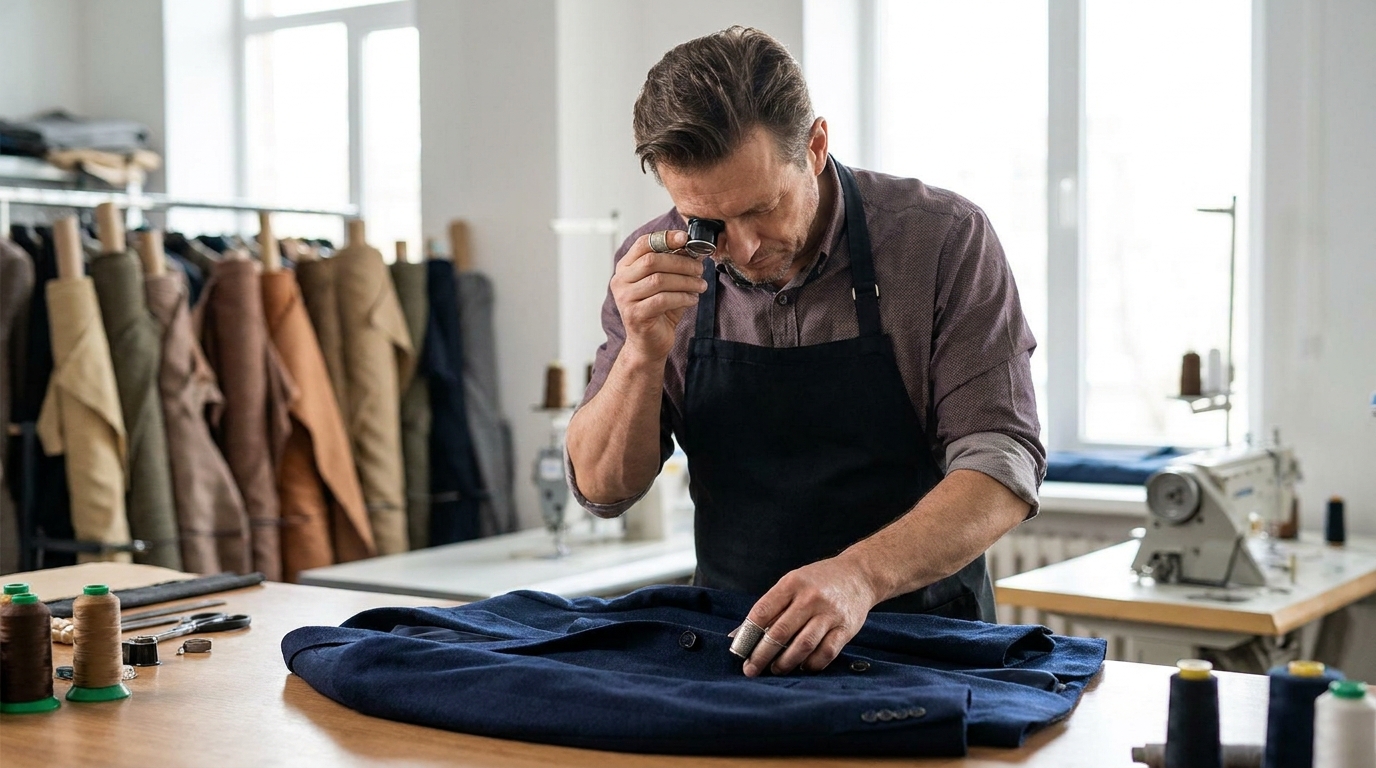
Producing high-quality transitional outerwear requires precise technical execution. Brands must carefully evaluate fabric weight, drape, and lining choices before mass production. An open-construction mesh jacket relies on specific yarn distributions to maintain structure without sacrificing necessary airflow. Conversely, a weather-resistant windbreaker demands tightly woven synthetic shells and durable hardware.
Technical Construction Requirements
- Fabric Weight: Lighter materials require careful handling to prevent puckering at the seams during assembly.
- Drape and Silhouette: Fluid lightweight jackets need specific pattern drafting to achieve a relaxed, kimono-inspired aesthetic.
- Lining Choices: Unlined or half-lined garments expose interior seams, demanding clean, finished internal construction.
- Opacity and Finish: Sheer materials must be tested for visual balance, while synthetic shells need consistent water-resistant coatings.
The Role of an Experienced Manufacturing Partner
Translating design concepts into physical garments is challenging. Partnering with an experienced jacket manufacturer ensures precise construction across diverse styles. Skilled production teams understand how to handle everything from an elongated overlay coat to a sporty, packable windbreaker.
Honry Apparel operates as a professional OEM/ODM clothing manufacturer based in China. With more than 30 years of experience, the company provides end-to-end custom apparel production. They serve international fashion brands, retailers, wholesalers, and private label businesses. Rather than acting strictly as a garment supplier, Honry Apparel functions as a long-term manufacturing partner.
Supply Chain and Material Sourcing
Successful outerwear collections depend on reliable material sourcing. Honry Apparel maintains active partnerships with more than 100 certified fabric and trim suppliers. This established global supply chain allows brands to achieve consistent material quality, competitive pricing, and highly flexible production strategies. Whether sourcing specialized linen blends or technical synthetics, brands gain access to the exact materials their collections require.
Frequently Asked Questions About Lightweight Jackets and Windbreakers
Does a thin lightweight jacket guarantee breathability?
No. A thin fabric does not always mean it will keep you cool. Breathability depends heavily on the garment’s construction, weave, and lining. Tightly woven synthetic materials will trap body heat even if they feel very light. To stay cool in extreme heat, look for open-construction fabrics like linen blends or sheer mesh that allow warm air to escape easily.
Can I wear a windbreaker in hot and humid climates?
It is not recommended. Windbreakers use tightly woven synthetic fabrics like nylon or polyester to block cold gusts and light rain. Because they stop outside air from getting in, they also prevent your body heat from getting out. Wearing one in hot, humid weather will quickly make you feel sweaty and uncomfortable. A breathable mesh or linen jacket is a much better choice for high temperatures.
Which jacket style is better for packing and travel?
Both are great for travel, but they solve different problems. If you need emergency weather protection and want to save maximum space, a windbreaker is best because it packs down incredibly small. However, if you want wardrobe versatility, a lightweight jacket is the better option. A neutral-colored overshirt or bomber jacket takes up slightly more room but allows you to create multiple smart-casual outfits from a single suitcase.
Will a standard lightweight jacket protect me from the rain?
Generally, no. Most lightweight jackets prioritize style, comfort, and airflow over weather protection. Fabrics like cotton, linen, and open mesh will absorb water and leave you wet during a rainstorm. If you need protection from unpredictable weather or drizzle, you should choose a windbreaker instead. Windbreakers feature a dense synthetic shell and often include a water-resistant finish designed specifically to shed water.
How can fashion brands ensure quality when producing custom jackets?
Brands should partner with an experienced OEM/ODM manufacturer to handle technical construction details like fabric weight, drape, and seam finishing. Working with a trusted partner like Honry Apparel ensures access to a reliable supply chain with over 100 certified fabric and trim suppliers. With more than 30 years of experience, Honry Apparel helps brands achieve consistent material quality and precise manufacturing for both breathable summer layers and technical windbreakers.
結論
While a lightweight jacket offers breathable style and structure, a windbreaker provides weather resistance for active use. Your best choice depends on your local climate and daily activities. Always check the fabric construction before adding new outerwear to your wardrobe.
- Assess your daily climate and activity levels.
- Check fabric weaves for breathability or weather resistance.
- Contact Honry Apparel for custom outerwear manufacturing.