Japanese
  English
  French
  German
  Russian
  Spanish
  Portuguese
Leather jackets provide a timeless appeal. They are an incredibly versatile wardrobe staple.
Should you choose lambskin or cowhide? This decision is crucial for your comfort, personal style, and longevity.
In this post, we compare both hides. You will discover which leather is better for jackets!
Understanding Leather Jacket Material: The Basics
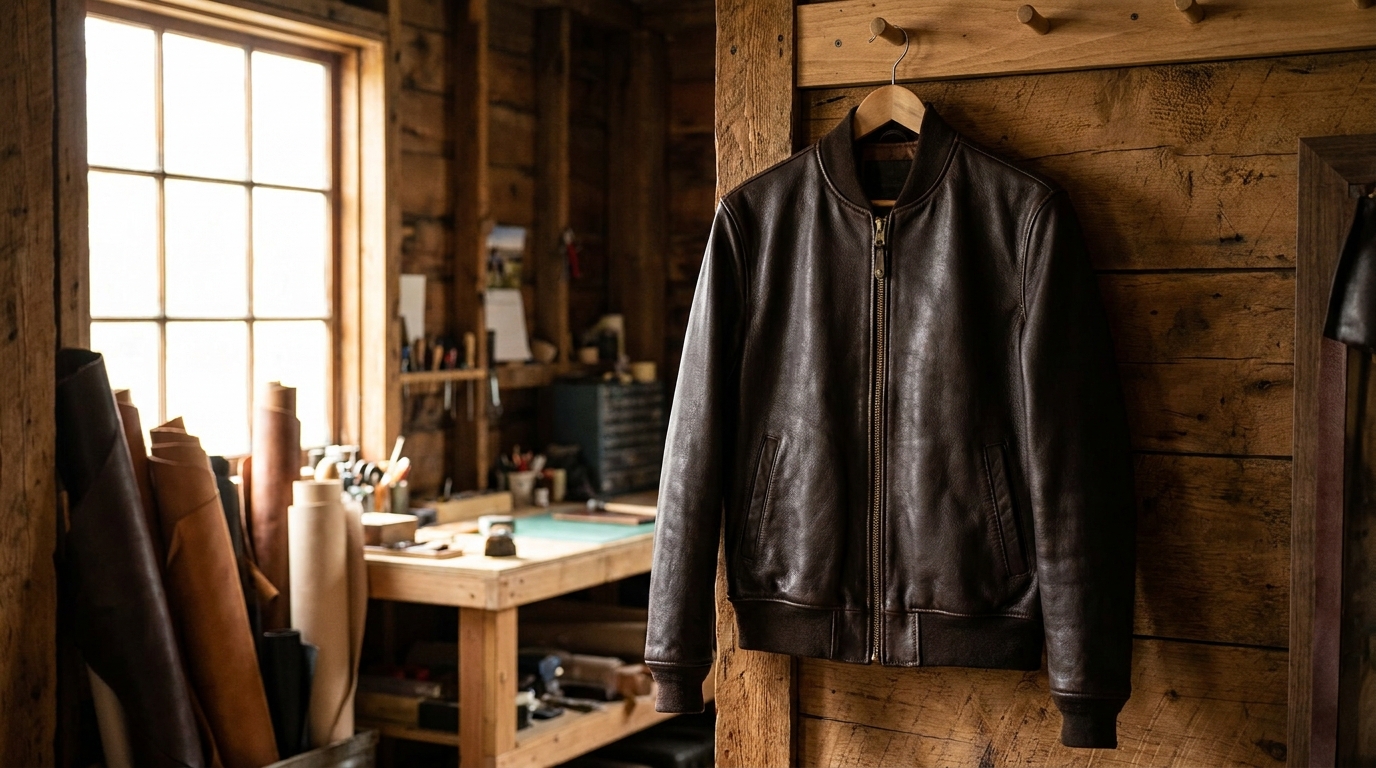
Before comparing specific hides, you need to know what makes a high-quality leather jacket material. Quality comes down to the leather grade, tanning process, and physical properties.
Full-grain and top-grain leathers sit at the top of the quality ladder. They retain natural strength and resist moisture well. The tanning method also matters heavily. Chrome-tanning produces soft and highly flexible garments. Vegetable-tanning creates stiffer and much more rugged outerwear. This rugged leather develops a beautiful patina over time. A great jacket perfectly balances tensile strength, breathability, and overall weight.
The Role of Animal Hides
Animal hides dictate how a leather jacket performs in the real world. Different hides serve entirely distinct purposes. Some hides prioritize heavy-duty physical protection. Others focus entirely on fashion and drape.
Thick hides offer high abrasion resistance. They protect motorcycle riders from road rash and block harsh winds. Thinner hides excel in high-end fashion. They drape elegantly over your body. They feel incredibly soft against your skin. The origin of the hide determines its natural elasticity, grain structure, and insulation properties.
Why Lambskin and Cowhide Dominate
Lambskin and cowhide have emerged as the top two choices in the outerwear market. They represent the two perfect extremes of jacket design. Every major leather jacket manufacturer relies on them to satisfy completely different customer needs.
Cowhide acts as the ultimate utility leather. It is tough, heavy, and built to last decades. Lambskin serves as the ultimate luxury leather. It is buttery soft, lightweight, and requires zero break-in time. Together, they cover everything from rugged workwear to sleek runway fashion.
| Feature | Utility Hides (e.g., Cowhide) | Luxury Hides (e.g., Lambskin) |
|---|---|---|
| Primary Focus | Durability and physical protection | Fashion, comfort, and drape |
| Physical Trait | Thick, rigid, and heavy | Thin, elastic, and lightweight |
| Best Use Case | Motorcycle gear and winter outerwear | High-end fashion and daily indoor wear |
What is Lambskin Leather?
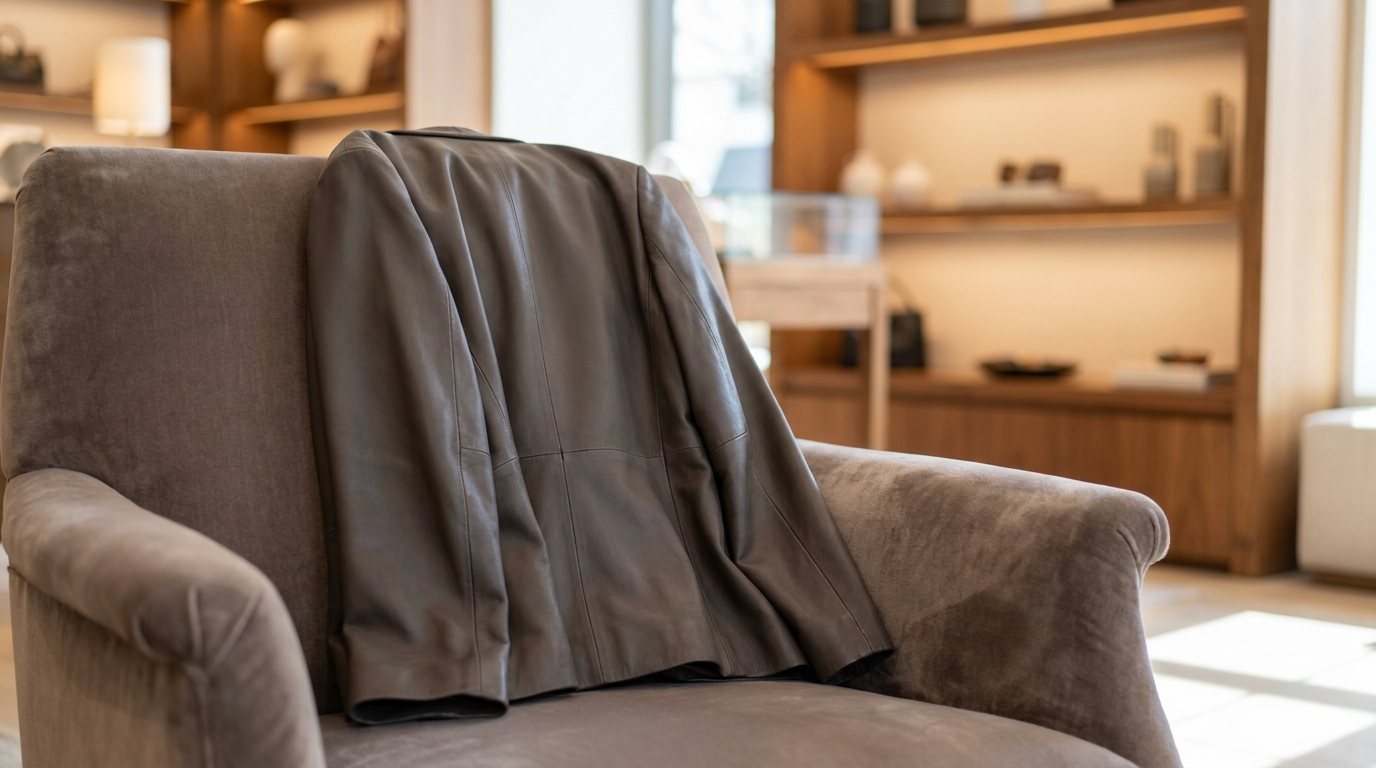
As we established earlier, lambskin represents the pinnacle of luxury outerwear. But what exactly is it? Manufacturers source this delicate material from young sheep. This specific origin gives the hide unique physical properties. It feels completely different from traditional bovine hides.
Key Characteristics
You can easily identify this material using a simple pinch test. If you pinch the sleeve and it feels like a thin second skin, you are likely holding lambskin. It typically measures between 0.6mm and 0.9mm thick. A standard jacket weighs only 1.5 to 2.5 lbs. The surface features a fine, smooth, and nearly invisible grain structure. It also boasts high natural elasticity. This allows the garment to conform to your body shape very quickly.
The Pros: Why Choose Lambskin?
Many buyers lean toward this option when debating lambskin vs cowhide leather for jackets. The decision usually comes down to immediate comfort and aesthetics.
- Zero break-in period: It feels buttery soft right off the rack. You never need to spend weeks softening the material.
- Luxurious drape: The thin hide falls elegantly over your frame. It creates a highly tailored and sleek silhouette.
- Travel-friendly: You can fold these lightweight garments easily. They pack perfectly into suitcases without adding heavy bulk.
The Cons: What Are the Drawbacks?
This supreme softness does come at a cost. Lambskin trades rugged durability for absolute comfort.
- High fragility: The delicate surface remains prone to tearing and scuffing. It can rip easily if caught on a sharp object.
- Poor weather resistance: Moisture damages the fine finish quickly. It stains easily and may even shrink during heavy rain.
- Strict maintenance: You must treat it gently. Never store it on thin wire hangers. The natural elasticity will cause the shoulders to stretch and deform.
Best Use Cases
These specific traits dictate exactly when you should wear this material. It offers zero functional protection for motorcycle riders. Instead, it belongs in high-end fashion settings. It works perfectly for indoor wear, tailored blazers, and mild spring or fall weather. You will typically get 10 to 20 years of life from these garments before they show significant structural wear.
| Attribute | Lambskin Leather Specification |
|---|---|
| Average Thickness | 0.6mm to 0.9mm |
| Average Jacket Weight | 1.5 to 2.5 lbs |
| Texture & Grain | Buttery soft, smooth, nearly invisible grain |
| Expected Lifespan | 10 to 20 years with proper care |
What is Cowhide Leather?
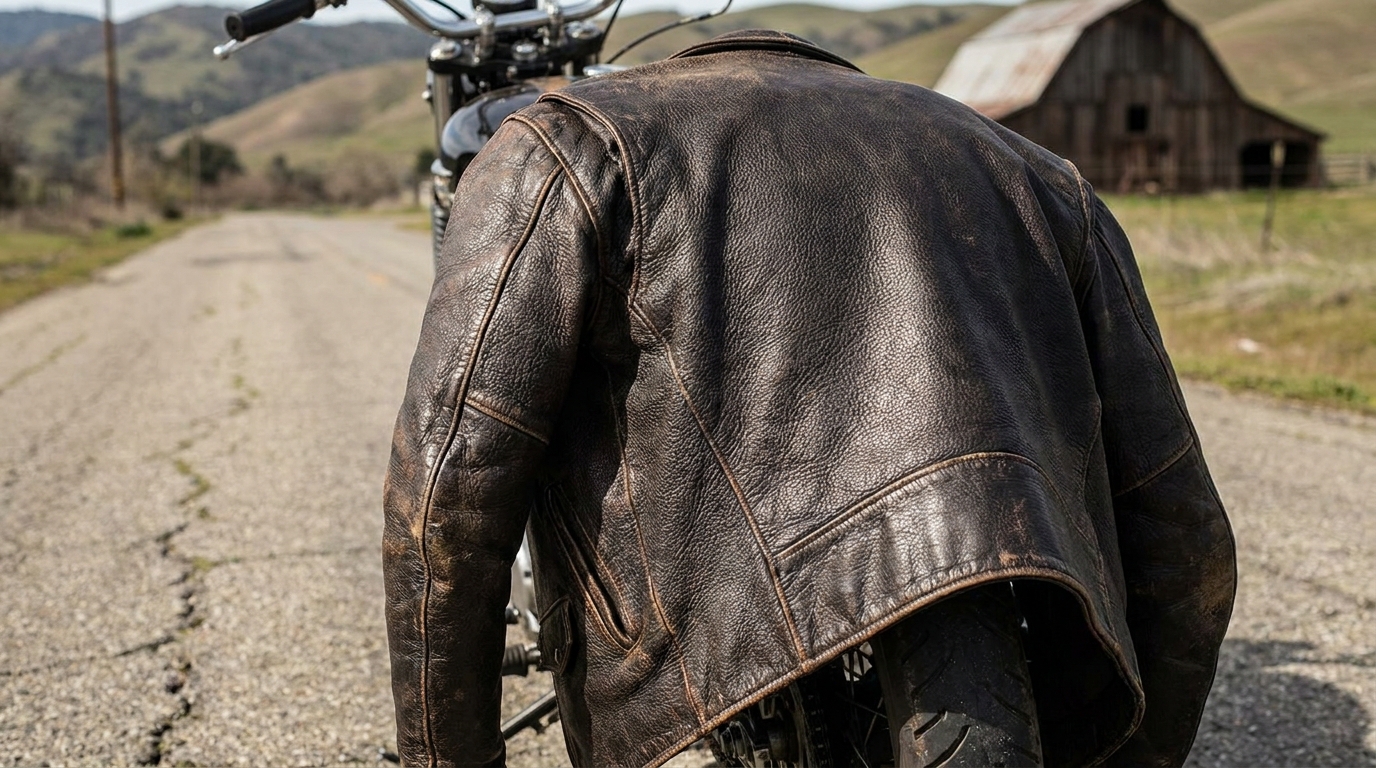
Unlike the delicate ovine hides we just explored, cowhide sits at the opposite end of the spectrum. Manufacturers source this heavy-duty material from mature bovine cattle. This origin gives the leather incredible density and strength. It serves as the undisputed heavyweight champion of the outerwear world.
Key Characteristics
How do you spot it? Remember the pinch test we covered earlier. When you pinch cowhide, it feels thick, rigid, and highly resistant. It typically ranges from 1.0mm to 1.5mm in thickness. A standard jacket weighs between 3 to 5 lbs. Visually, it features a prominent, pebbled, or rugged grain structure. You can immediately feel its tough texture.
The Pros: Why Choose Cowhide?
When weighing lambskin vs cowhide leather for jackets, durability usually drives the decision toward bovine hides. They offer unmatched utility.
- Excellent physical protection: It resists punctures and high-velocity abrasion. It remains the industry standard for CE-rated motorcycle safety gear.
- Incredible lifespan: These garments easily last 30 to 50 years. They can last a lifetime if you condition them properly.
- Beautiful patina: Softer leathers often just look worn over time. Cowhide develops a unique vintage patina. It tells a visual story of your adventures.
The Cons: What Are the Drawbacks?
This rugged nature brings a few distinct drawbacks. You trade immediate comfort for long-term resilience.
- Heavy on the shoulders: The dense material feels noticeably heavier during daily wear.
- Stiff initially: It holds a rigid, boxy shape right off the rack.
- Dedicated break-in period: You must spend weeks or even months wearing it to soften the fibers. It never offers immediate buttery comfort.
Best Use Cases
You should choose this material when utility matters most. It dominates motorcycle riding apparel. It also excels as winter outerwear because the dense hide blocks harsh winds perfectly. You can subject it to heavy-duty daily wear without worrying about scuffs or tears. Think of cowhide as gear for the “road,” while thinner hides belong on the “runway.”
| Attribute | Cowhide Leather Specification |
|---|---|
| Average Thickness | 1.0mm to 1.5mm |
| Average Jacket Weight | 3 to 5 lbs |
| Texture & Grain | Rugged, stiff, prominent pebbled grain |
| Expected Lifespan | 30 to 50+ years with maintenance |
Lambskin vs Cowhide Leather: Key Differences Compared
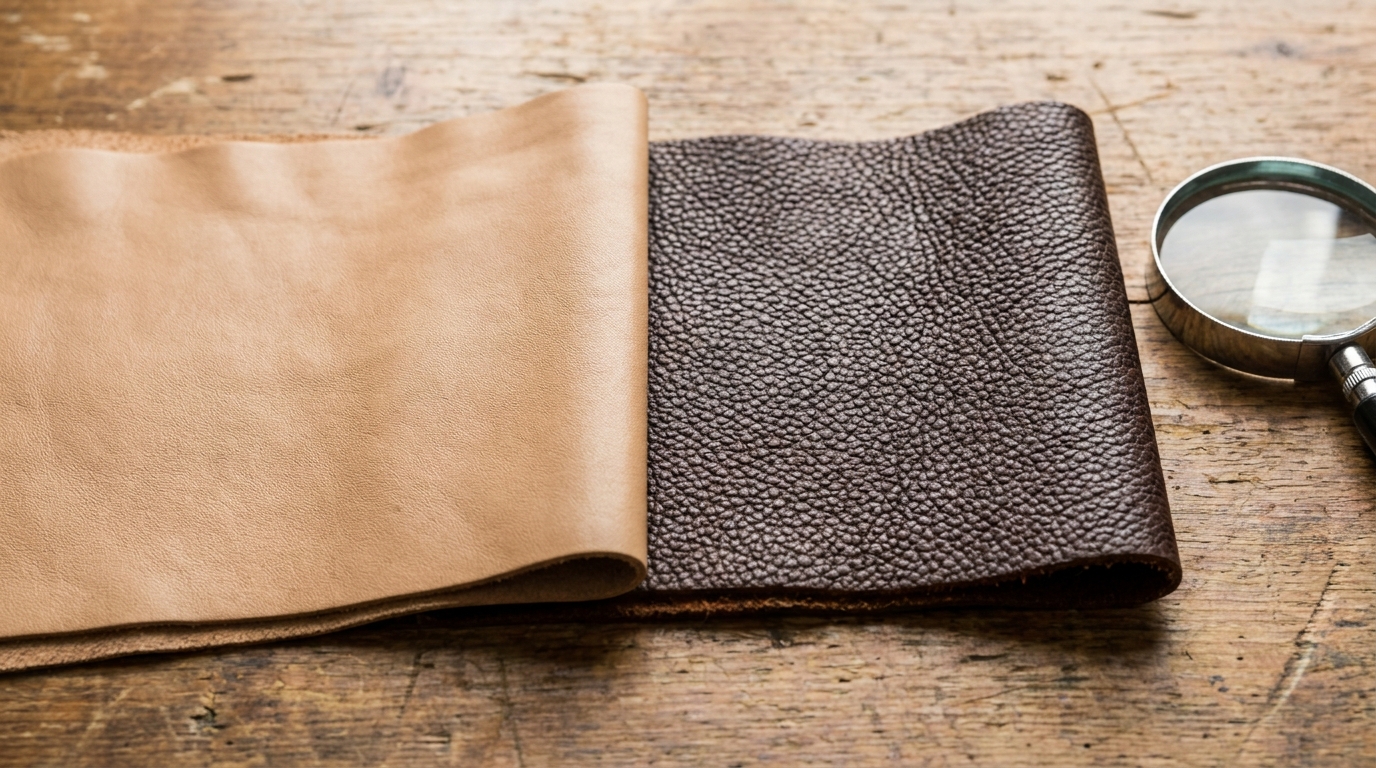
We just explored the individual profiles of both materials. You know cowhide rules the road while lambskin dominates the runway. Now, let us put them head-to-head. When comparing lambskin vs cowhide leather for jackets, understanding their direct differences helps you make the right choice. We will break down exactly how they stack up against each other across five critical categories.
Durability and Protection
Bovine cowhide wins this category easily. It provides unmatched ruggedness for daily wear. As mentioned earlier, it resists punctures and high-velocity abrasion. This makes it the absolute standard for motorcycle safety. Lambskin remains a much more delicate material. It offers zero functional protection in an accident. A sharp door handle can easily snag and tear a thin ovine hide. If you need heavy-duty utility, bovine leather is your best bet.
Comfort and Softness
Lambskin takes the crown for immediate comfort. It feels buttery soft the moment you put it on. It conforms to your body shape quickly due to its high natural elasticity. Cowhide requires a good deal of patience. It starts off rigid and boxy. You must endure a break-in period lasting weeks or months. Eventually, the thick fibers soften and mold to your frame. However, it will never match the initial second skin feel of a lighter hide.
Weight and Warmth
Your climate dictates which option works best here. Thick cowhide delivers excellent heavyweight insulation. The dense material blocks harsh winter winds effectively. However, a heavy garment can tire your shoulders during long days. Lambskin offers a much lighter alternative. It breathes better and allows for easy layering. Many fashion garments pair this thin exterior over heavier linings to balance warmth and overall comfort.
Appearance and Aging
These materials age in completely different ways. Lambskin maintains a smooth, luxurious finish. It features a nearly invisible grain. Over time, it tends to just look worn if you do not treat it gently. Cowhide features a prominent, pebbled texture. It develops a beautiful, rugged patina over the years. This aging process tells a visual story of your travels.
Maintenance and Care
Both hides require highly specific care routines. Cowhide remains relatively low maintenance overall. You usually only need to condition it once a year or when it feels stiff. It handles occasional moisture fairly well. Lambskin demands much stricter daily attention. It stains easily and shrinks if exposed to heavy rain. You must also store it carefully. You should never use thin wire hangers. The weight will stretch the elastic shoulders and ruin the fit.
| Category | Cowhide Leather | Lambskin Leather |
|---|---|---|
| Durability | Extremely high; resists abrasions and punctures | Low; prone to tearing and scuffing |
| Comfort | Stiff initially; requires a long break-in period | Buttery soft immediately; highly elastic |
| Weight & Warmth | Heavyweight; blocks wind excellently | Lightweight; highly breathable and easy to layer |
| Aging Process | Develops a rugged, vintage patina over decades | Loses finish and looks worn if not maintained |
| Care Needs | Low maintenance; condition yearly | High maintenance; sensitive to rain and improper storage |
How to Choose the Right Leather Jacket for Your Lifestyle
We just broke down how these two hides compare across durability, comfort, and care. Now comes the most important part. When deciding between lambskin vs cowhide leather: which is better for jackets? The answer depends entirely on your daily routine. Let us look at how to match the right material to your specific needs.
Assess Your Daily Activities
Think about where you will wear this garment most often. Are you looking for a bold fashion statement or utilitarian protection? If you ride a motorcycle, you need physical safety. As we covered earlier, bovine hides resist high-velocity abrasion perfectly. They protect you on the open road. If you mostly walk around the city or attend indoor events, prioritize aesthetics. Thin ovine hides drape beautifully. They feel incredibly comfortable right away.
Climate Considerations
Your local weather plays a huge role in this decision. Do you live in a mild, breezy climate? A lightweight jacket works best here. You can wear it comfortably during spring and fall without overheating. Harsh, windy, or freezing environments demand something much heavier. Dense bovine material blocks cold wind easily. Just remember the moisture rules we discussed. Rain damages delicate finishes quickly. If you expect frequent wet weather, always choose the rugged option.
Match the Material to Your Style Preferences
Certain designs naturally pair better with specific hides. You want the material to complement the cut of the garment.
- Sleek bombers and tailored blazers: These styles require a soft, elastic material. The buttery texture allows them to look sharp and sophisticated. They fit like a second skin.
- Classic bikers and flight jackets: These iconic silhouettes look best in thick, rigid materials. The prominent pebbled grain adds rugged character. They hold their boxy shape beautifully.
Budgeting for Your Perfect Leather Jacket
Finally, you must consider your budget. Luxury hides often carry a higher upfront price tag. This usually stems from premium fashion branding. Manufacturers also find it much harder to stitch thinner, delicate materials. However, heavier utility hides offer incredible long-term investment value. They easily last 30 to 50 years. You might pay less initially and keep the garment for an entire lifetime. It all comes down to your personal priorities.
| Lifestyle Factor | Best Suited For Cowhide | Best Suited For Lambskin |
|---|---|---|
| Primary Activity | Motorcycle riding, heavy outdoor work | Indoor events, high-end fashion, travel |
| Typical Climate | Harsh, windy, cold, or unpredictable weather | Mild, breezy, dry spring or fall days |
| Preferred Style | Classic biker, asymmetrical zip, flight jacket | Tailored blazer, sleek bomber, minimalist zip |
| Investment Goal | Buy once, wear for decades, build a patina | Pay for immediate luxury, comfort, and drape |
Why Sourcing Matters: Insights from a Leather Jacket Manufacturer
You just learned how your lifestyle and budget dictate your choice. However, the raw material tells only half the story. To truly answer “lambskin vs cowhide leather: which is better for jackets?”, you must look behind the scenes. How a garment is made matters just as much as the hide itself. Let us explore how expert sourcing and construction bring these pieces to life.
Selecting Premium Hides
Quality always starts at the source. Reputable makers inspect raw hides meticulously before production begins. For cowhide, they look for mature, unblemished skins. These provide the dense thickness required for heavy-duty gear. For lambskin, they source exclusively from young sheep. This origin ensures the hide remains thin and retains high natural elasticity. Experts reject skins showing excessive scars or hidden weak spots. This strict selection guarantees your garment performs exactly as expected.
The Impact of the Tanning Process
As we covered earlier, the tanning method heavily influences the final product. The raw hide must undergo chemical processing to stop decomposition. Makers typically use one of two main methods. Chrome tanning uses chromium salts. It takes only a few days to finish. This process produces highly flexible and water-resistant garments. It works beautifully for buttery soft ovine hides.
Vegetable tanning relies on natural tree bark and tannins. It takes several months to complete. This traditional process creates a stiff and rugged texture. It allows thick bovine leather to develop a rich vintage patina over time. The chosen tanning method directly determines how the jacket will feel on your shoulders.
Craftsmanship and Stitching
You can buy the thickest hide available today. However, poor construction will ruin it quickly. Craftsmanship ensures true longevity. Heavy utility outerwear requires reinforced stitching. Makers often use thick nylon or polyester threads. These synthetic threads resist rot and withstand high physical tension.
Delicate hides require a completely different approach. Stitching thin leather proves notoriously difficult. Standard needles can easily punch large holes that weaken the seams. Expert tailors use fine needles and precise tension control. This prevents the delicate material from tearing at the joints. High-quality hardware also plays a massive role. Heavy brass zippers ensure a rugged piece lasts for decades, while lightweight zippers prevent thin elastic shoulders from sagging.
| Manufacturing Aspect | Cowhide Construction Needs | Lambskin Construction Needs |
|---|---|---|
| Hide Selection | Mature, unblemished bovine skins | Young, highly elastic ovine skins |
| Preferred Tanning | Vegetable tanning for ruggedness | Chrome tanning for immediate softness |
| Stitching Thread | Heavy-duty nylon or polyester | Fine, high-tensile synthetic thread |
| Hardware Selection | Chunky brass zippers and heavy snaps | Sleek, lightweight zippers to avoid sagging |
結論
The lambskin versus cowhide debate depends entirely on your daily lifestyle. Neither material is strictly better for everyone. Lambskin offers unmatched softness for sleek fashion, while cowhide provides rugged durability. Always buy premium hides from trusted jacket manufacturers. This ensures your wardrobe staple lasts a lifetime.
- Assess your local climate before making a final purchase.
- Try on both leather types in a nearby store.
- Buy a specialized leather conditioner for your new jacket.
Frequently Asked Questions About Lambskin vs Cowhide Leather Jackets
Can I wear lambskin or cowhide jackets in the rain?
Cowhide handles moisture much better than lambskin does.
Thick cowhide repels light rain without major damage.
However, you should wipe the leather dry right away.
Lambskin is very delicate and stains quite easily.
Raindrops can leave permanent spots on soft lambskin.
Water might also cause the thin leather to shrink.
You should avoid wearing lambskin during heavy rainstorms.
Will a lambskin jacket rip easily compared to cowhide?
Yes, lambskin is much more fragile than cowhide.
It feels like a buttery soft second skin.
Sharp objects like door handles can easily tear it.
Cowhide is highly resistant to punctures and rough scratches.
It serves as the industry standard for motorcycle safety.
A cowhide jacket offers excellent protection against physical damage.
Choose cowhide if you need a rugged workwear jacket.
Should I size down when buying a lambskin leather jacket?
Sizing down is often a very smart choice.
Lambskin possesses high natural elasticity and stretches over time.
It quickly conforms to your unique body shape.
If you buy it slightly snug, it fits perfectly later.
Cowhide is much more rigid and holds its boxy shape.
A cowhide jacket requires a longer break-in period.
You should usually buy cowhide in your normal size.
How often should I condition my cowhide leather jacket?
You should condition your cowhide jacket once a year.
Apply leather conditioner whenever the material feels overly stiff.
Proper care helps the thick hide last a lifetime.
It also helps develop a beautiful, rugged patina over time.
Lambskin requires much gentler care and specialized cleaning methods.
Never store your leather jackets on thin wire hangers.
Heavy cowhide will easily deform weak wire hangers.
Which leather type is warmer for winter wear?
Cowhide is generally warmer because it blocks cold wind.
Its dense structure provides excellent natural weather protection.
Lambskin is lightweight and does not block wind well.
However, brands often pair lambskin with heavy winter linings.
A lined lambskin jacket keeps you warm and looks stylish.
Unlined cowhide still feels much warmer than unlined lambskin.
Pick cowhide for harsh winds and lambskin for mild days.
- Check your closet for sturdy wooden hangers to store jackets.
- Try the pinch test to identify your current leather garments.
- Buy a quality leather conditioner to protect your investment.
- Compare weights in a store to feel the actual difference.
Cowhide offers ultimate durability and tough weather protection.
It lasts for decades but needs time to soften.
Lambskin provides a buttery soft feel and instant comfort.
It works best for luxury fashion rather than rugged use.
Your choice depends entirely on your daily lifestyle needs.