Japanese
  English
  French
  German
  Russian
  Spanish
  Portuguese
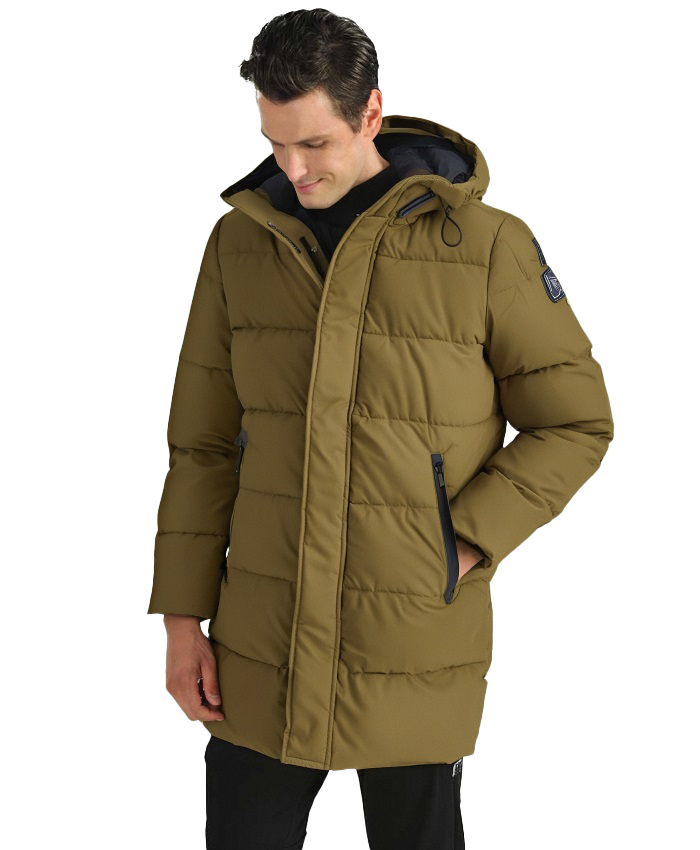
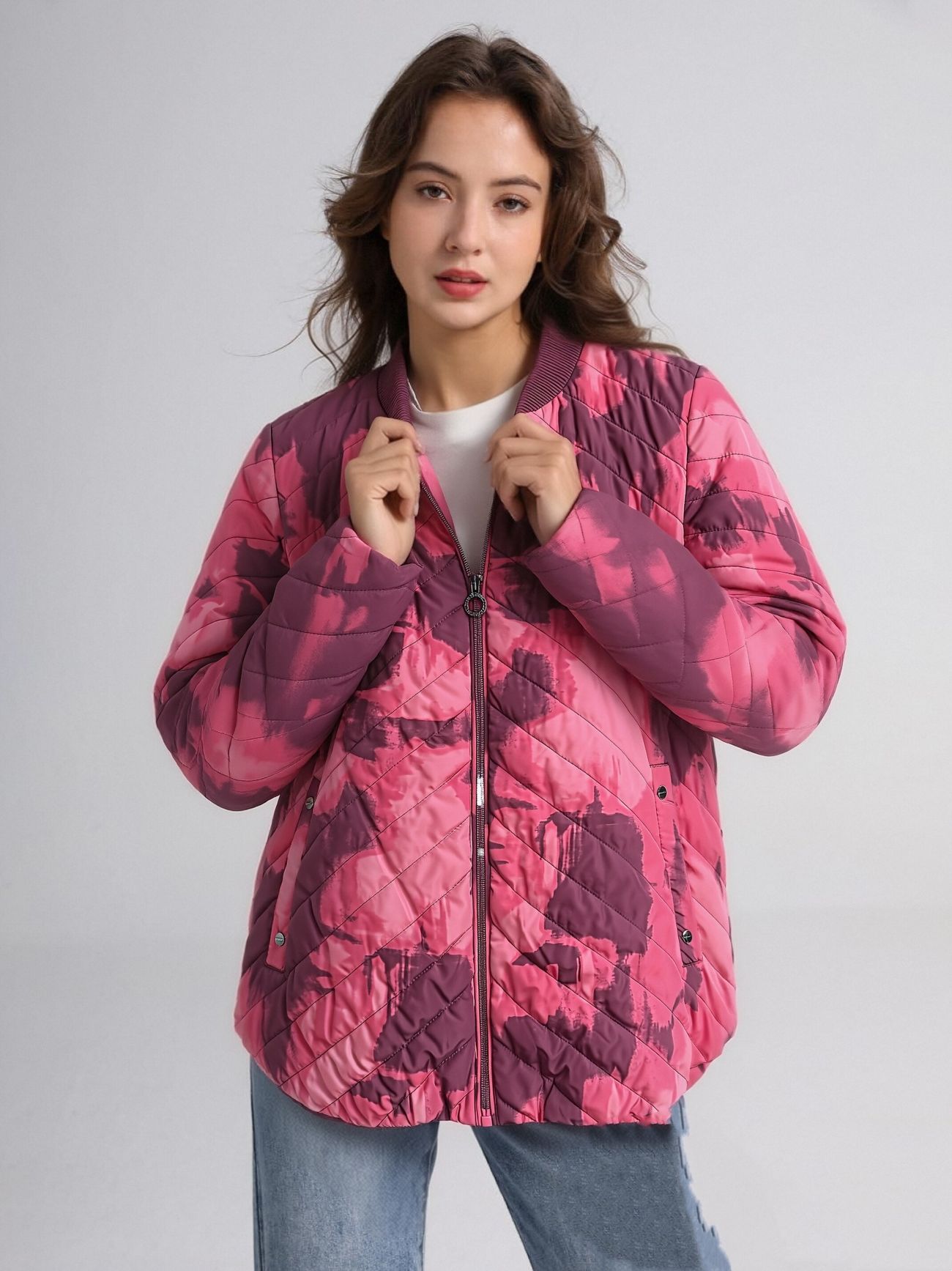
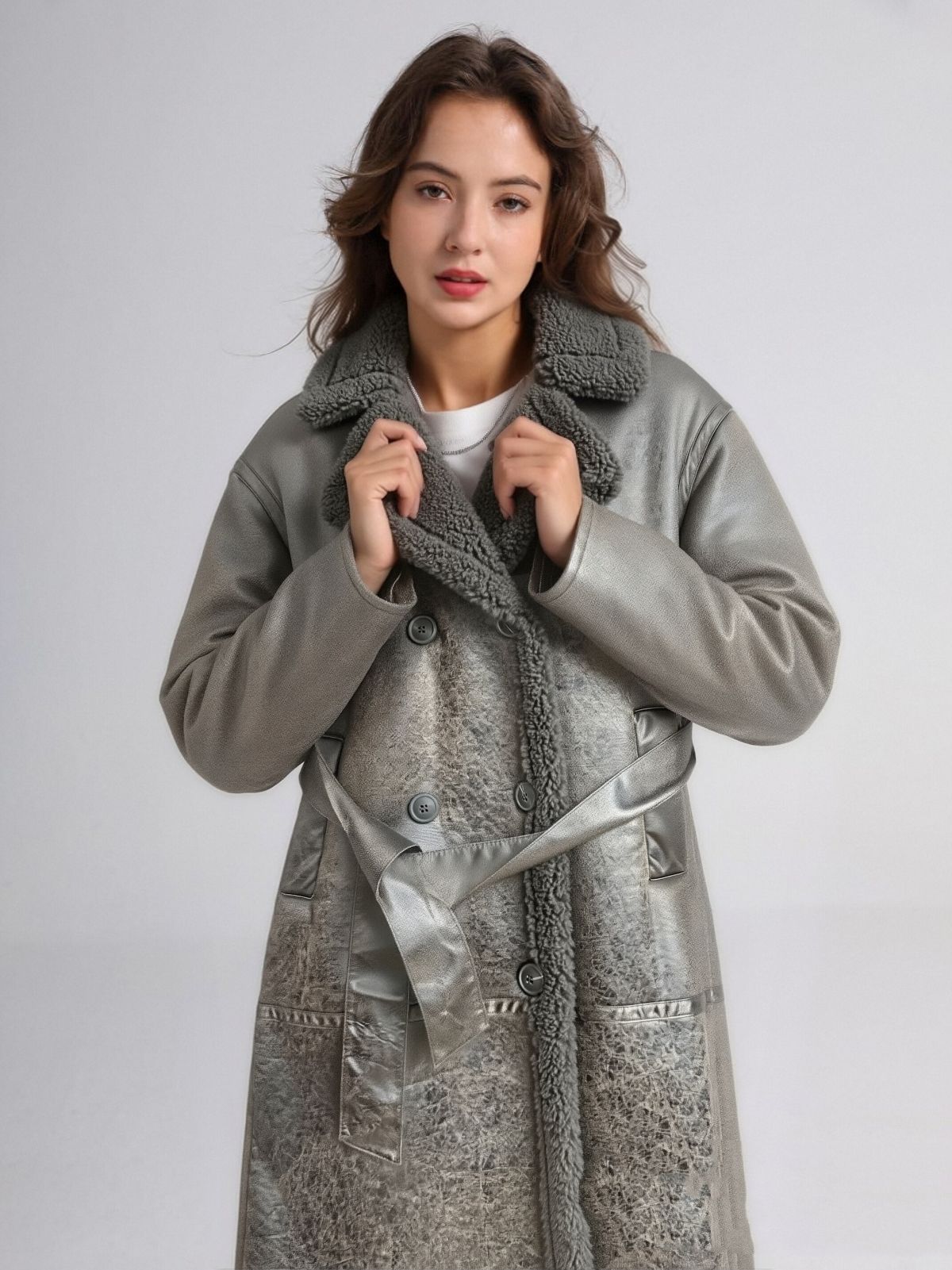
As the mercury drops and crisp winds roll in, quilted jackets emerge as a wardrobe staple—loved for their cozy aesthetic, lightweight feel, and promise of warmth. But how effective are they, really? Many of us reach for a quilted jacket on cool days, but few stop to ask: to what extent does a quilted jacket actually increase temperature? Is it a reliable layer for frigid winters, or is it better suited for milder fall and spring days?
The answer depends on a mix of factors: the jacket’s insulation type, quilt pattern, fabric, fit, and even the conditions you’re wearing it in. A well-made quilted jacket can add significant warmth without the bulk of a heavy parka, while a cheap, poorly constructed one may barely offer more protection than a lightweight cardigan. In this guide, we’ll break down the science behind quilted jacket warmth, explore how much temperature they typically add, and help you understand when (and how) to wear them for maximum comfort.
The Science of Warmth: How Quilted Jackets Trap Heat
Before we dive into temperature increases, it’s important to understand why quilted jackets keep you warm. Unlike heavy wool coats or down parkas that rely solely on thick insulation, quilted jackets use a combination of insulation and structure to trap body heat—making them lightweight yet effective.
1. The Role of Insulation: Trapping Air, Retaining Heat
The core of a quilted jacket’s warmth lies in its insulation. Quilted jackets are filled with a layer of material (natural or synthetic) that traps air between your body and the outside world. Air is a poor conductor of heat, meaning it doesn’t transfer warmth away from your body easily—this trapped air acts as a thermal barrier, keeping you cozy.
-
Natural Insulation: Down (duck or goose feathers) is a premium choice, offering exceptional warmth-to-weight ratio. It traps air efficiently and compresses easily, making down-quilted jackets lightweight and packable. However, down loses its insulation properties when wet, so it’s best for dry, cold conditions.
-
Synthetic Insulation: Materials like Primaloft, Thinsulate, or polyester batting are more common in affordable quilted jackets. They retain warmth even when damp, dry quickly, and are hypoallergenic. While not as warm as down per ounce, high-quality synthetic insulation still provides reliable warmth for most cool-weather scenarios.
2. Quilt Pattern: Preventing Insulation Shifting
The “quilted” design isn’t just for aesthetics—it serves a critical functional purpose. The stitched patterns (often diamond, square, or chevron) divide the jacket into small compartments, preventing the insulation from shifting or clumping. If insulation bunches up, it creates cold spots where heat can escape; the quilt pattern ensures even distribution of insulation, maintaining a consistent thermal barrier.
Tighter quilt patterns (smaller compartments) are better for retaining warmth, as they minimize air movement within the jacket. Looser patterns may allow more air to escape, reducing the jacket’s effectiveness.
3. Outer Fabric: Blocking Wind and Cold
The outer shell of a quilted jacket also plays a role in warmth. High-quality quilted jackets use dense, wind-resistant fabrics (like nylon, polyester, or cotton blends) that block cold air from penetrating the insulation layer. Some jackets also have a DWR (Durable Water Repellent) coating to repel light rain and snow, keeping the insulation dry and effective.
To What Extent Do Quilted Jackets Increase Temperature? Typical Ranges
Now, the question you’re here for: how much warmth does a quilted jacket actually add? While there’s no one-size-fits-all answer, we can break down typical temperature increases based on insulation type, thickness, and jacket design. Keep in mind that these are general guidelines—individual comfort levels (some people run hot, others cold) and external conditions (wind, humidity) will also affect how warm you feel.
1. Lightweight Quilted Jackets (Spring/Fall)
Lightweight quilted jackets (often unlined or with thin synthetic insulation, 20–40g/m²) are designed for mild cool weather. They’re perfect for fall days when temperatures hover around 10–15°C (50–59°F) or spring days with similar conditions.
Temperature increase: 3–5°C (5–9°F). These jackets add just enough warmth to take the chill out of the air without making you overheat. They work best as a layering piece over a t-shirt or light sweater, or as a standalone jacket on calm, dry days.
Example: A thin polyester-quilted jacket worn over a t-shirt on a 12°C (54°F) day will make you feel like it’s 15–17°C (59–63°F)—comfortable enough to skip a heavy sweater.
2. Mid-Weight Quilted Jackets (Cool Winter)
Mid-weight quilted jackets (with medium synthetic insulation, 40–80g/m² or light down) are ideal for cooler winter days, when temperatures drop to 0–10°C (32–50°F). They’re thicker than lightweight styles but still more packable than heavy parkas.
Temperature increase: 5–8°C (9–14°F). These jackets provide enough warmth to keep you comfortable in mild winter conditions, especially when layered over a long-sleeve base layer or thin fleece. They’re great for daily errands, walks, or commutes in cities with moderate winters (e.g., London, Seattle, New York City in early winter).
Example: A mid-weight Primaloft-quilted jacket worn over a thermal base layer on a 5°C (41°F) day will feel like 10–13°C (50–55°F)—warm enough to avoid a bulky coat.
3. Heavy-Weight Quilted Jackets (Frigid Winter)
Heavy-weight quilted jackets (with thick synthetic insulation, 80g/m²+ or down) are designed for frigid temperatures, ranging from -5–0°C (23–32°F). Some premium down-quilted jackets can even handle temperatures below -5°C (23°F) when layered properly.
Temperature increase: 8–12°C (14–22°F). These jackets are the warmest quilted option, offering enough insulation to compete with lightweight parkas. They’re best for cold, dry winters (e.g., Chicago, Toronto, parts of Europe) and work well as a standalone jacket or with minimal layering.
Example: A heavy down-quilted jacket worn over a thin base layer on a -3°C (27°F) day will feel like 5–9°C (41–48°F)—comfortable enough for extended time outdoors.
Factors That Affect How Much Warmth a Quilted Jacket Adds
The temperature increase ranges above are general—and several factors can make a quilted jacket warmer (or less warm) than expected. Understanding these factors will help you choose the right jacket for your needs and maximize its warmth.
1. Insulation Type & Quality
As mentioned earlier, down insulation is warmer than synthetic insulation per ounce. A down-quilted jacket with 600-fill power (a measure of down quality) will add more warmth than a synthetic-quilted jacket with the same weight. However, synthetic insulation performs better in wet conditions, so it may feel warmer than down if it’s rainy or snowy.
2. Jacket Fit
A well-fitted quilted jacket traps heat more effectively than an oversized or too-tight one. An oversized jacket allows cold air to circulate inside, reducing warmth; a too-tight jacket compresses the insulation, limiting its ability to trap air. The ideal fit is snug but roomy enough to layer underneath without compressing the insulation.
3. Layering
Quilted jackets are excellent layering pieces, and the layers you wear underneath can significantly boost their warmth. A thermal base layer (which wicks sweat and retains heat) or a thin fleece will add 2–4°C (3–7°F) of extra warmth, allowing your quilted jacket to handle colder temperatures than it would alone.
4. External Conditions
Wind and humidity have a big impact on how warm a quilted jacket feels. Wind cuts through thin fabrics, reducing the jacket’s thermal barrier— a wind-resistant quilted jacket will feel much warmer on a windy day than a non-wind-resistant one. Humidity also affects comfort: cold, humid air feels colder than dry air, so a quilted jacket may need to add more warmth to keep you comfortable in humid climates.
5. Jacket Details
Thoughtful design details can enhance a quilted jacket’s warmth: a fleece-lined collar and cuffs trap heat around your neck and wrists (where most heat escapes), a drawstring waist cinches the jacket to block cold air, and a hood protects your head from wind and cold. Jackets with these features will add 1–2°C (2–3°F) of extra warmth compared to basic styles.
When to Wear a Quilted Jacket (and When to Skip It)
Now that you know how much warmth quilted jackets add, let’s break down when they’re the best choice—and when you’ll need a heavier layer:
Ideal for:
-
Fall and spring days (10–15°C / 50–59°F): Lightweight quilted jackets as a standalone layer.
-
Mild winter days (0–10°C / 32–50°F): Mid-weight quilted jackets, layered or standalone.
-
Frigid winter days (-5–0°C / 23–32°F): Heavy-weight down or synthetic quilted jackets, layered with a base layer.
-
Daily activities (errands, commutes, walks): Quilted jackets are lightweight and mobile, making them perfect for on-the-go warmth.
Skip for:
-
Extreme cold (-10°C / 14°F or below): Quilted jackets (even heavy-weight ones) may not provide enough warmth—opt for a thick parka with heavy insulation instead.
-
Heavy rain or snow: Unless the jacket is fully waterproof (not just water-resistant), the insulation will get wet and lose effectiveness—choose a waterproof parka instead.
-
High-intensity activities (hiking, skiing): Quilted jackets are not as breathable as activewear jackets, so you’ll overheat quickly—opt for a breathable, insulated ski jacket or hiking layer.
Tips to Maximize Warmth in a Quilted Jacket
If you want to get the most warmth out of your quilted jacket, follow these simple tips:
-
Layer smartly: Wear a thermal base layer underneath to wick sweat and add extra warmth. Avoid bulky sweaters that compress the jacket’s insulation.
-
Cinch the waist: Use the drawstring waist (if your jacket has one) to block cold air from entering the bottom of the jacket.
-
Cover your neck and wrists: Add a scarf and gloves to trap heat around these heat-loss points. A fleece-lined collar will also help.
-
Choose wind-resistant fabric: A jacket with a wind-resistant outer shell will prevent cold air from cutting through, keeping the insulation effective.
-
Keep the jacket dry: If your jacket gets wet (from rain or snow), hang it to dry immediately—wet insulation loses most of its warmth.
Conclusion: Quilted Jackets—A Versatile Warmth Solution
So, to answer the question: a quilted jacket can increase temperature by 3–12°C (5–22°F), depending on its insulation, design, and the conditions you’re wearing it in. Lightweight styles are perfect for mild cool days, mid-weight options handle most winter temperatures, and heavy-weight quilted jackets can stand up to frigid weather—making them one of the most versatile warm layers in any wardrobe.
The key to getting the most out of a quilted jacket is choosing the right insulation type for your climate, ensuring a good fit, and layering smartly. Whether you’re running errands in fall, commuting in winter, or enjoying a spring walk, a well-made quilted jacket offers warmth without the bulk—proving that you don’t need a heavy parka to stay cozy when the temperature drops.
When shopping for a quilted jacket, focus on insulation quality, wind resistance, and thoughtful details (like a fleece-lined collar or drawstring waist). These features will not only increase the jacket’s temperature-boosting ability but also ensure it lasts for seasons to come. With the right quilted jacket, you’ll stay warm, comfortable, and stylish—no matter how cool the weather gets.