English
  French
  German
  Japanese
  Russian
  Spanish
  Portuguese
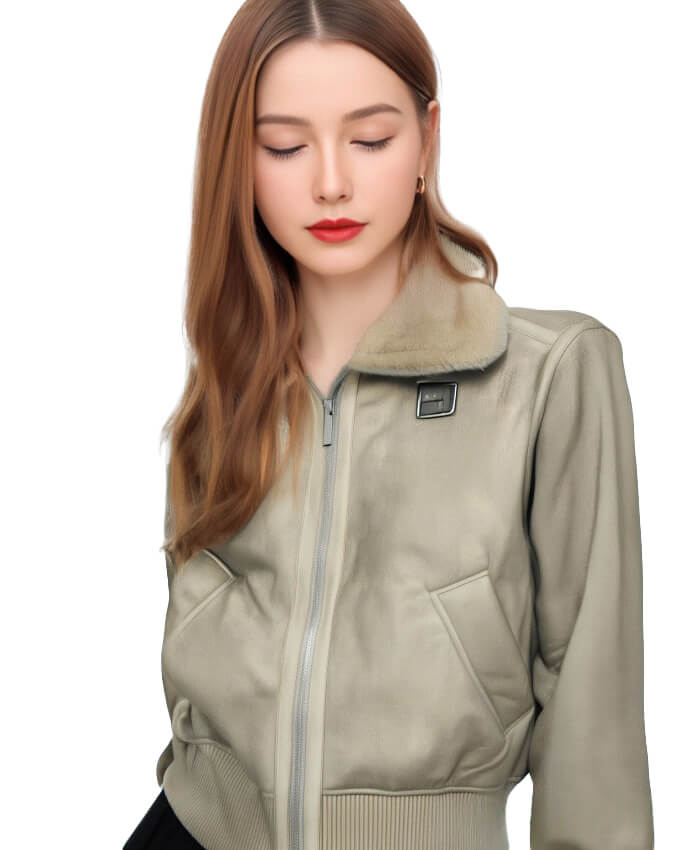
A good quality jacket is more than just a piece of outerwear—it’s an investment that protects you from the elements, lasts for years, and maintains its style through countless wears and washes. But with so many options on the market—from fast-fashion bargains to luxury pieces—it’s often hard to tell the difference between a well-made jacket and one that will fall apart after a single season. The key lies in looking beyond the brand name and price tag, and focusing on the details that define true quality.
Whether you’re shopping for a leather jacket, ski jacket, wool coat, or casual bomber, the signs of quality are consistent across styles. In this guide, we’ll break down the essential factors to check when evaluating a jacket’s quality, from fabric and stitching to hardware and fit. By the end, you’ll be able to shop with confidence, knowing exactly what to look for in a jacket that’s worth your money.
Start with the Fabric: The Foundation of Quality
The fabric (or shell material) of a jacket is its first line of defense against wind, rain, cold, and wear—and it’s the most important indicator of overall quality. A good quality jacket will use durable, high-performance materials that are appropriate for its intended use. Here’s how to assess fabric quality:
1. Check the Material Type & Density
Not all fabrics are created equal. For each jacket type, there are specific materials that signal quality:
-
Leather Jackets: Look for full-grain or top-grain leather (avoid corrected-grain or bonded leather). Full-grain leather has a natural grain, slight imperfections, and develops a rich patina over time. It should feel substantial but supple—stiff leather that cracks when flexed is a red flag.
-
Ski/Waterproof Jackets: Opt for fabrics with a waterproof membrane (Gore-Tex, eVent, H2No) rather than just a DWR (Durable Water Repellent) coating. The fabric should feel dense and sturdy, with no thin, flimsy areas. Check the waterproof (mm) and breathability (g/m²/24h) ratings—higher numbers (10,000mm+/10,000g+/24h) indicate better performance.
-
Wool/Coats: High-quality wool (merino, cashmere, or wool blends) feels soft, dense, and warm. Avoid wool that is thin, scratchy, or has loose fibers. A good wool jacket will have a tight weave—hold it up to the light; minimal light should pass through.
-
Casual Jackets (Bombers, Denim, etc.): Look for heavyweight cotton, denim, or canvas with a tight weave. Denim jackets should have a substantial weight (12oz+ is ideal), and cotton jackets should feel thick and durable, not thin and flimsy.
Pro tip: Rub the fabric between your fingers. High-quality materials will feel smooth, dense, and consistent—no uneven textures, thin spots, or plastic-like feel.
2. Inspect Lining Quality
A good quality jacket will have a lining that is durable, soft, and well-attached—never an afterthought. The lining serves two key purposes: protecting the outer fabric from sweat and friction, and adding comfort against your skin.
-
Material: High-quality linings are made from silk, cupro, polyester satin, or cotton. Avoid thin, scratchy, or plastic-like linings—they’ll wear out quickly and irritate your skin.
-
Stitching: The lining should be securely stitched to the jacket, with no loose threads, gaps, or bunching. Check the armholes, neckline, and hem—these areas are prone to tearing if the lining is poorly attached.
-
Details: Look for lined pockets (especially handwarmer pockets, which should be fleece-lined for warmth) and clean, finished seams inside the jacket. Raw, unhemmed lining edges are a sign of rushed craftsmanship.
Evaluate the Stitching: The Backbone of Durability
Stitching is one of the most obvious signs of a well-made jacket. Poor stitching will lead to fraying, splitting, and ultimately, a jacket that falls apart. Here’s what to look for:
1. Consistency & Tightness
High-quality stitching is even, tight, and consistent throughout the jacket. Hold the jacket up and examine the seams—stitches should be evenly spaced (2–3 stitches per centimeter for most fabrics) with no skipped stitches, loose loops, or uneven lines. A uneven stitch line indicates sloppy work and is a major red flag.
Pay special attention to stress points: shoulders, cuffs, hem, pockets, and zippers. These areas take the most wear and tear, so they should have reinforced stitching (double or triple stitching) to prevent splitting. For example, leather jackets should have double stitching along the shoulder seams, and ski jackets should have reinforced stitching around the hood and pockets.
2. Thread Quality & Color
The thread used in a good quality jacket is heavy-duty, durable, and color-matched to the fabric. Synthetic threads (polyester or nylon) are preferred over cotton, as they resist fraying, stretching, and fading. Cotton thread breaks down over time, especially with frequent wear or washing.
Color-matched thread (or subtly contrasting thread for design purposes) shows attention to detail. Mismatched or poorly colored thread is a sign of a low-quality garment.
Check the Hardware: Small Details, Big Impact
Hardware—zippers, buttons, snaps, buckles, and D-rings—may seem like small details, but they can make or break a jacket’s quality and functionality. Cheap hardware will rust, break, or wear out quickly, ruining an otherwise good jacket.
1. Zippers
The best zippers are made by trusted brands like YKK, Riri, or Talon. These zippers glide smoothly, resist rust and jamming, and are built to last. Test the zipper by opening and closing it repeatedly—it should move effortlessly without catching on the fabric.
Look for additional features that signal quality: a zipper garage (a small fabric flap at the neck to prevent the zipper from rubbing your skin), a metal pull tab (plastic pull tabs break easily), and reinforced stitching around the zipper tape. Avoid jackets with zippers that feel flimsy, stick, or have loose tape.
2. Buttons & Snaps
High-quality buttons and snaps are made from metal, horn, or durable plastic—never cheap, thin plastic that cracks or fades. They should feel weighty in your hand and fasten securely without popping open.
-
Buttons: Look for buttons that are attached with multiple stitches (4–6 stitches) or a shank (a small loop that elevates the button from the fabric). This prevents the button from pulling through the fabric.
-
Snaps: Metal snaps should have a strong closure—when you press them, they should snap firmly and not come undone easily. Avoid snaps that feel loose or flimsy.
3. Buckles & D-Rings
Buckles and D-rings (common on ski jackets, leather jackets, and utility styles) should be made from solid metal (not hollow or thin metal) and attached with reinforced stitching. Wiggle them gently—they shouldn’t move or feel loose. Welded buckles are more durable than bent or folded ones, as they’re less likely to break under tension.
Assess the Fit & Construction Details
A good quality jacket will not only be durable but also well-constructed with thoughtful details that enhance fit, comfort, and functionality. These small touches separate a well-made jacket from a cheap one:
1. Tailoring & Fit
High-quality jackets are tailored to fit well, with no excess fabric, bunching, or pulling. For women’s jackets, look for a fit that flatters the body without restricting movement—articulated sleeves (shaped to follow the natural curve of the arm), a dropped hem (longer in the back to prevent exposure), and adjustable waistbands (drawstrings, Velcro, or buttons) to customize the fit.
For men’s jackets, check the shoulder alignment (seams should hit the edge of the shoulders), sleeve length (should end at the wrist bone), and torso fit (should skim the body without being tight). A poorly fitted jacket, even if made with good materials, will be uncomfortable and look unpolished.
2. Edge Finishing
The way a manufacturer finishes the raw edges of the jacket reveals their attention to detail. High-quality jackets will have:
-
Bound edges: Raw edges (at cuffs, hem, neckline, and pockets) are bound with fabric or leather to prevent fraying.
-
Edge paint or burnish: Exposed edges (common on leather jackets) are painted with a flexible, color-matched paint or burnished (rubbed to a smooth finish) to seal them.
-
Hemmed cuffs & hem: Cuffs and hems should be double-stitched and even, with no unevenness or puckering. Adjustable cuffs (Velcro, buttons, or drawstrings) are a plus for functionality.
3. Functional Details
Thoughtful, functional details are a hallmark of a good quality jacket. These features are designed to enhance your experience wearing the jacket, not just for show:
-
Weather protection: Ski jackets and waterproof styles should have storm flaps (over zippers), a snow skirt (internal elastic to block snow), and a helmet-compatible hood with adjustable drawstrings. Windbreakers should have a chin guard (fleece-lined to prevent chafing) and elastic cuffs.
-
Pockets: Pockets should be well-placed, securely stitched, and lined (especially handwarmer pockets). Look for zippered pockets for valuables and interior pockets for small items like keys or a phone.
-
Ventilation: Active jackets (ski, hiking, bomber) should have zippered vents (underarms, sides, or chest) to release heat and prevent overheating. Vents should be large enough to be functional and have reinforced stitching.
Test for Durability & Longevity
A good quality jacket should be built to last for years, not just a single season. Here are some quick tests to assess durability:
1. The Flex Test
Flex the jacket’s sleeves, shoulders, and hem. High-quality fabric and stitching should flex easily without creaking, cracking, or pulling. If the fabric feels stiff or the stitching stretches when flexed, it’s a sign of poor quality.
For leather jackets: Bend the sleeve—genuine leather will give slightly and return to its shape, while fake leather will crack or crease permanently.
For waterproof jackets: Flex the fabric— the membrane should not crack or peel away from the shell.
2. The Pull Test
Gently pull on the seams, pockets, and hardware. A well-made jacket will hold up to gentle pulling with no stretching, fraying, or movement. If the stitching loosens, the fabric stretches, or the hardware wiggles, it’s a sign of poor construction.
3. Check Care Labels & Brand Reputation
High-quality jackets will have clear, detailed care labels that explain how to clean and maintain the garment. Avoid jackets with missing or vague care instructions—this is a sign of a brand that doesn’t prioritize longevity.
Brand reputation also matters. Trusted brands (e.g., Patagonia, Arc’teryx, Schott NYC, Levi’s) are known for using high-quality materials and craftsmanship, while fast-fashion brands often cut corners to keep prices low. Do a quick search for the brand’s reviews—if other customers complain about fraying, broken hardware, or poor fit, it’s best to avoid.
Avoid These Red Flags
When shopping for a jacket, watch out for these clear signs of low quality:
-
Thin, flimsy fabric that feels cheap or plastic-like.
-
Loose, uneven stitching, skipped stitches, or loose threads.
-
Plastic hardware (zippers, buttons, snaps) that feels flimsy or lightweight.
-
Unfinished edges (raw, frayed cuffs, hem, or lining).
-
Bunching, pulling, or poor fit (even when sized correctly).
-
Strong chemical odors (indicates low-quality dyes or finishes).
-
Vague or missing care labels and brand information.
Conclusion: Invest in Quality, Not Quantity
Knowing how to spot a good quality jacket is a skill that will save you money and frustration in the long run. A well-made jacket may cost more upfront, but it will last for years, maintain its style, and perform better than a cheap, poorly constructed one. By focusing on fabric quality, stitching, hardware, construction details, and fit, you can separate the best from the rest—no matter the style or brand.
Remember: The best jacket for you is one that is durable, functional, and fits your lifestyle. Whether you’re shopping for a leather jacket, ski jacket, wool coat, or casual bomber, use the tips in this guide to evaluate quality—and don’t be afraid to ask questions. A reputable retailer or brand will be happy to explain the materials, craftsmanship, and care instructions for their jackets.
Investing in a good quality jacket is an investment in your wardrobe—and it’s one that will pay off season after season.