French
  English
  German
  Japanese
  Russian
  Spanish
  Portuguese
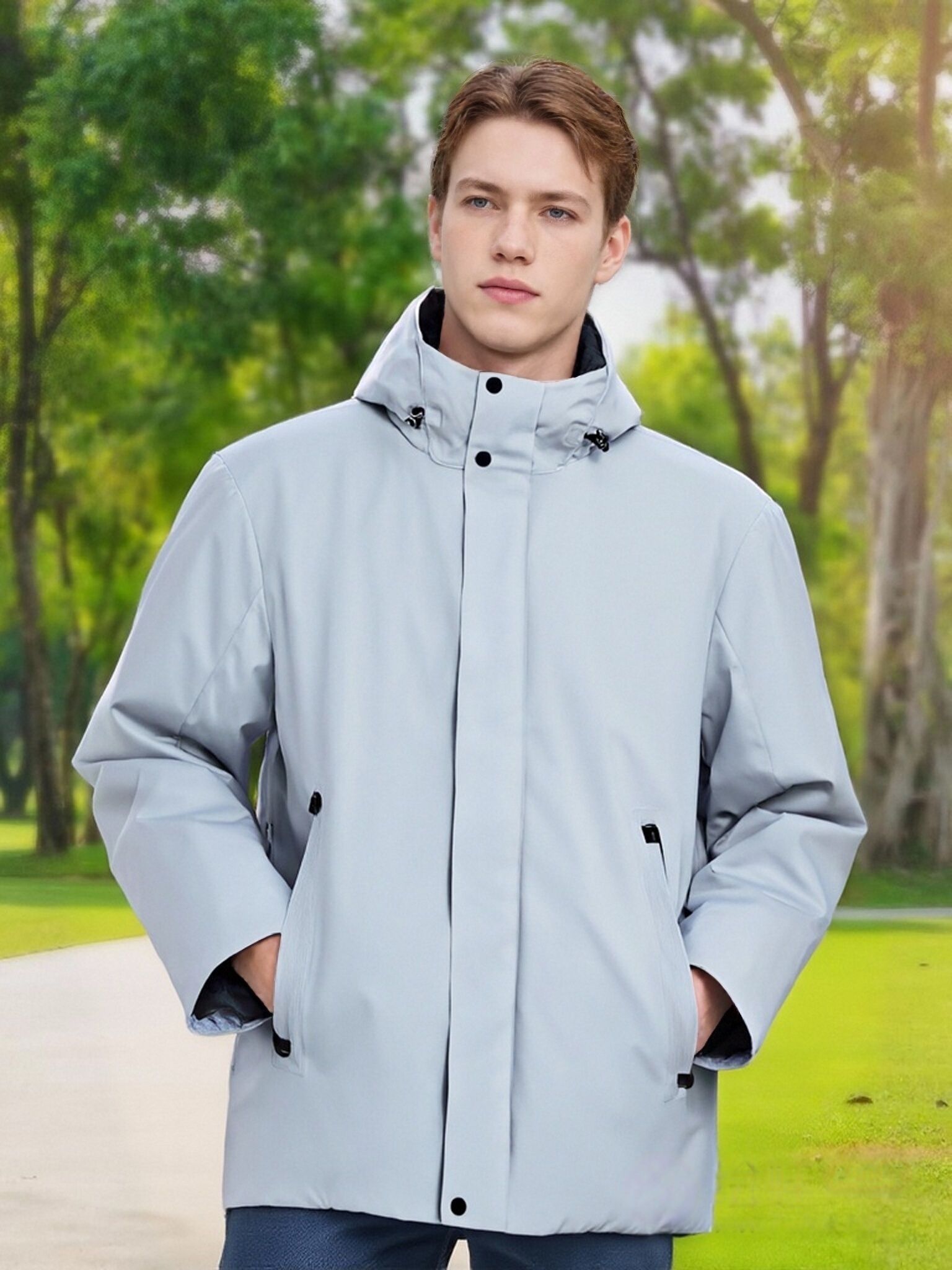
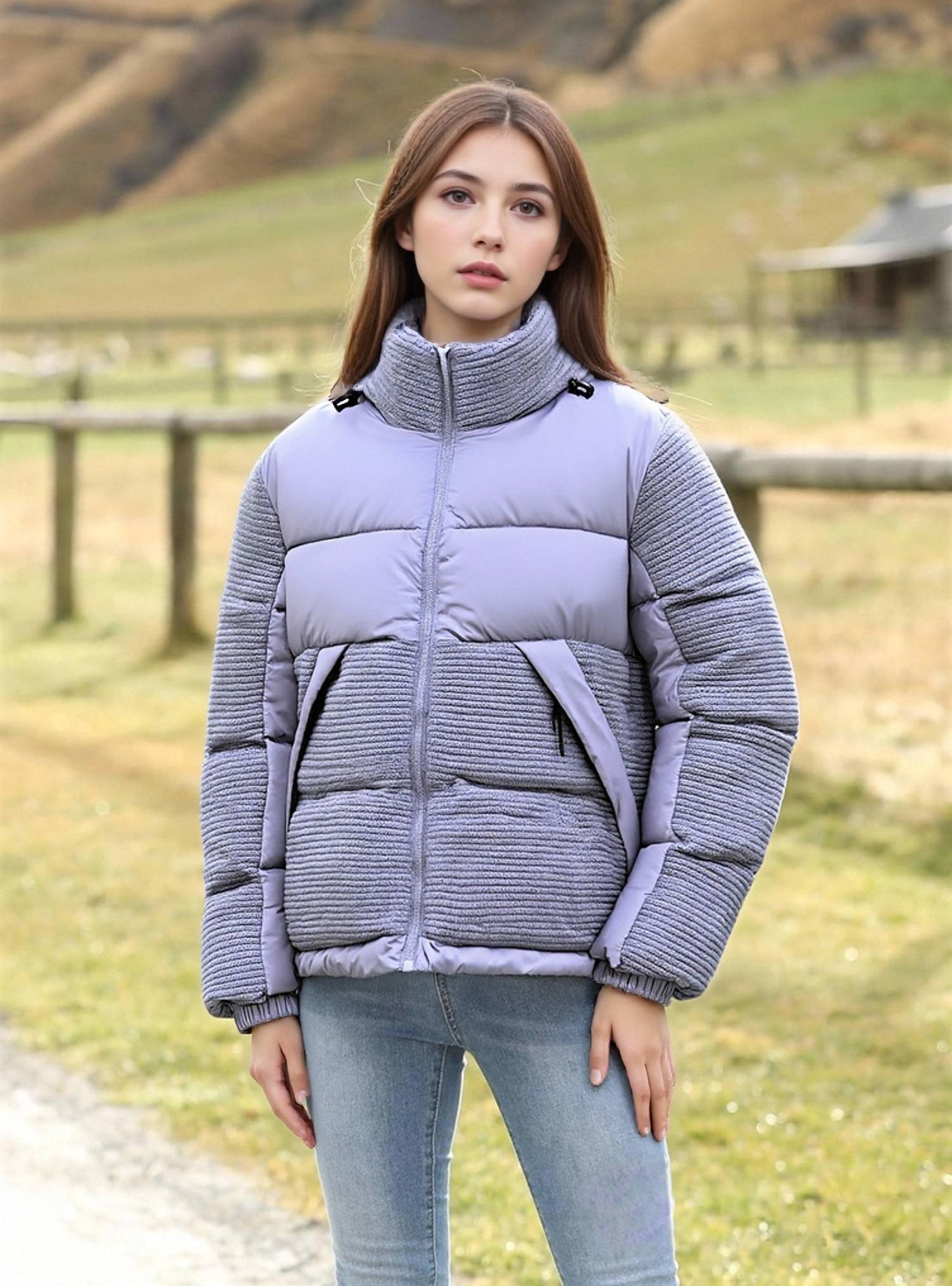
Facing freezing temperatures makes you wonder what outerwear actually keeps you safe.
Traditional parkas feature historic origins, long hems, and protective hoods.
But is a parka warm enough for harsh winter weather?
In this guide, you will learn how to find the perfect winter parka.
What Makes a Winter Parka So Warm?
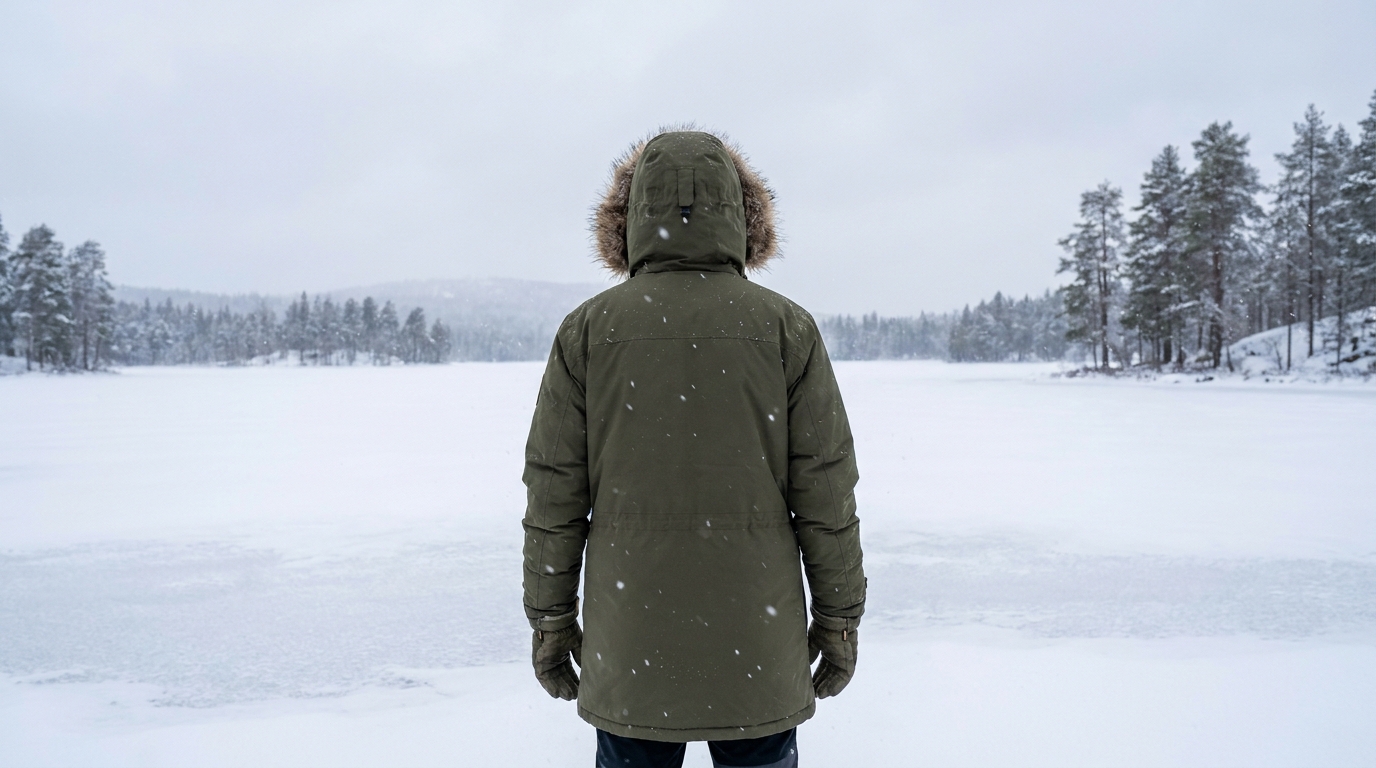
You already know parkas feature historic origins and protective designs. You might still wonder: is a parka warm enough for winter? A high-quality winter parka easily handles sub-zero temperatures. The secret lies in a three-part system: insulation, shell fabric, and physical length.
The Power of Insulation
Insulation acts as the heating engine of your coat. It traps your body heat by creating a dead air space inside the garment. Brands use two main types of fill to achieve this.
Down feathers offer an incredible warmth-to-weight ratio. We measure down quality using Fill Power (FP). A 550 to 650 FP works well for casual winter days. Extreme alpine conditions demand 800 to 900+ FP. However, untreated down loses almost all insulation value when wet.
Synthetic fills solve this moisture problem. Advanced synthetic insulation retains about 90% of its warmth even if soaked. A reliable coat balances fill power and fill weight to keep you comfortable.
The Protective Outer Shell
Thick insulation means nothing if freezing wind cuts right through it. The outer shell serves as your primary defense line. It blocks wind chill and prevents cold air from penetrating the coat.
A reliable warm parka jacket uses durable materials like ripstop nylon. These fabrics usually feature a Durable Water Repellent (DWR) coating. This prevents wet snow and sleet from soaking into the insulation.
Here is a quick guide to common waterproof ratings for outer shells:
| Waterproof Rating | Best Winter Use Case |
|---|---|
| 5,000mm | Light rain resistant and dry snow. |
| 10,000mm | Standard protection for moderate snow. |
| 20,000mm+ | Heavy sleet, wet snow, and extreme storms. |
Extended Body Coverage
Length stands out as the defining feature of a true parka. Standard jackets stop at the waist and leave your lower half exposed. A parka extends well below the hips.
Most traditional designs reach your mid-thigh or knees. This extra length plays a crucial role in survival. It covers your upper legs and protects your femoral arteries from freezing winds. Keeping this major blood flow warm helps maintain your overall core temperature.
Any experienced winter jacket manufacturer understands this rule. They design parkas featuring extended coverage specifically to trap heat near vital organs.
Is a Parka Warm Enough for Winter in Extreme Climates?
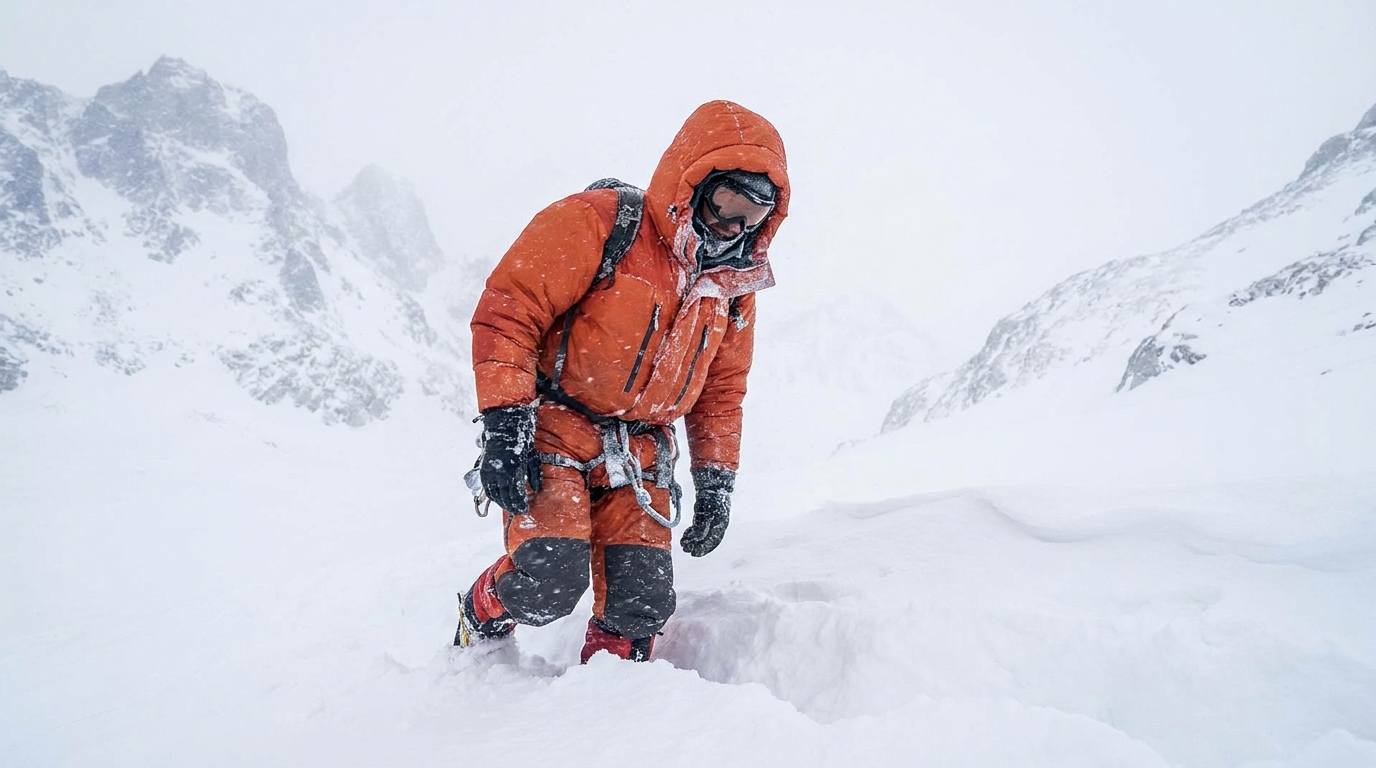
You know that extended length protects your core. You also understand how insulation traps heat. But is a parka warm enough for winter when the temperature drops dangerously low? Extreme climates test your gear differently than a quick snowy commute. Let us look at how these coats perform in severe environments and how you can maximize their warmth.
Understanding Coat Temperature Ratings
Brands often assign temperature ratings to help you choose. These ratings show what environments the coat handles best. Personal comfort always varies slightly. However, you can generally follow these standard categories to find the right fit:
| Temperature Rating | Category | Best Winter Use Case |
|---|---|---|
| 0°C to -10°C (32°F to 14°F) | Lightweight | Mild winter days, urban commuting, waiting for a bus. |
| -10°C to -20°C (14°F to -4°F) | Midweight | Moderate freezing, standard snowy climates, active outdoor use. |
| -25°C and below (-13°F and below) | Expedition | Extreme alpine conditions, sub-zero heavy snow, static exposure. |
Mild Winter vs. Sub-Zero Conditions
A lightweight design works perfectly for mild winter climates. It prevents overheating if you just walk around town in 40°F weather. However, sub-zero conditions demand an expedition-grade coat. A standard jacket simply fails here.
As we covered earlier, high fill power and strong shells block wind chill. An expedition parka thrives in heavy snow because it creates a massive dead air space around your body. It uses maximum insulation density to fight off extreme freezing temperatures.
The Science of Layering
Even the heaviest coat needs help in brutal cold. A parka serves as your final layer. If you only wear a t-shirt underneath, you might still feel cold. Proper layering maximizes your overall heat retention.
- Thermal Base Layer: Start with a fitted base layer. This sits against your skin to manage moisture. If you sweat, it pulls water away. This prevents you from freezing from the inside out.
- Fleece Mid-Layer: Next, add a warm fleece mid-layer. Fleece traps additional warm air close to your chest. It builds a solid foundation of heat before you put your coat on.
- The Final Layer: Finally, put on your winter coat. Always remember the two-finger fit rule. You need enough room to fit two fingers between your layers.
This extra internal volume traps a protective heat shield of dead air. If your coat fits too tightly, it compresses your mid-layers. This ruins the heat retention we discussed earlier and leaves you vulnerable to the cold.
Essential Features to Look for in a Warm Parka Jacket
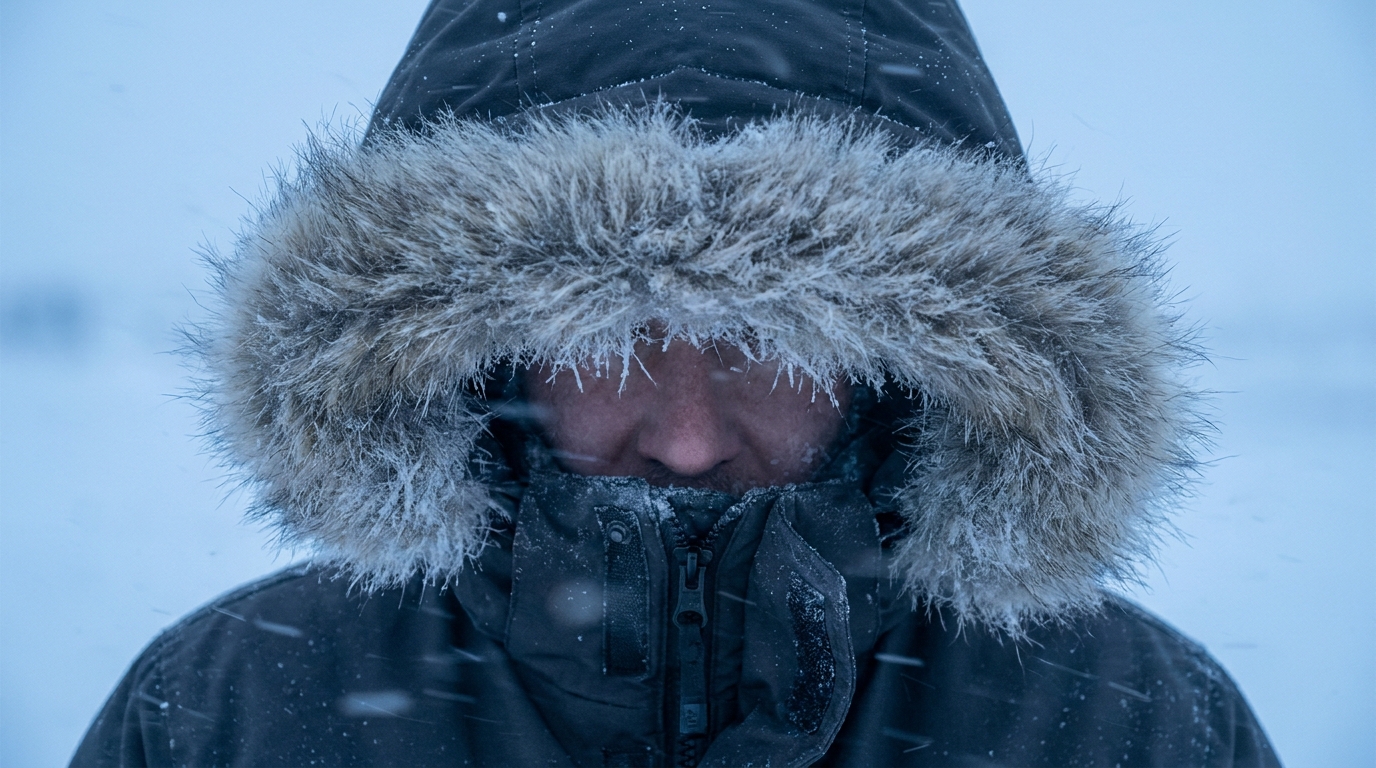
Proper layering traps dead air inside your coat. However, you still need to keep this warm air from escaping. Is a parka warm enough for winter if cold wind blows right down your neck? Definitely not. A truly capable coat relies on specific design features. They seal in your body heat and block out harsh elements.
Hood Design and Face Protection
Your head and face take the brunt of freezing winds. An adjustable hood acts as a crucial shield. You pull it tight to create a close protective barrier. Many high-quality designs include a fur or faux-fur ruff around the hood edge. This ruff serves a highly scientific purpose rather than just looking good.
The textured fur creates turbulent air right in front of your face. This disrupts freezing wind and builds a warm microclimate around your exposed skin. It actively prevents frostbite during extreme winter exposure.
Sealing Out Cold Drafts
Cold air constantly tries to sneak inside your clothing. You must seal every opening to maintain your core temperature. Look for rib-knit storm cuffs hidden inside the sleeves. They grip your wrists tightly. They stop icy drafts from shooting up your arms while you walk.
Adjustable waist drawstrings and hem cords serve a similar function. You pull these cords tight to lock the bottom of the coat against your body. This effectively traps the heat you generated through the layering system we discussed earlier.
Hardware and Essential Extras
The small details often decide if a parka is warm enough for winter. Zippers easily leak cold air if left exposed. A thick storm flap must cover the main zipper to block the wind. You also need functional hardware for basic daily mobility.
Always check for these essential hardware features before buying your next winter coat:
- Two-Way Zippers: Always perform the “sit test” when trying on a coat. Unzip the bottom half slightly to sit comfortably in a car or on a bench. This prevents the long fabric from straining or restricting your legs.
- Storm Flaps: A fabric placket should snap or button securely over the front zipper. This stops freezing wind from pushing through the metal or plastic zipper teeth.
- Napoleon Pockets: High-chest hand-warmer pockets sit much closer to your core. Fleece-lined versions quickly warm your freezing hands using your central body heat.
Parkas vs. Other Outerwear: Are They the Warmest Option?
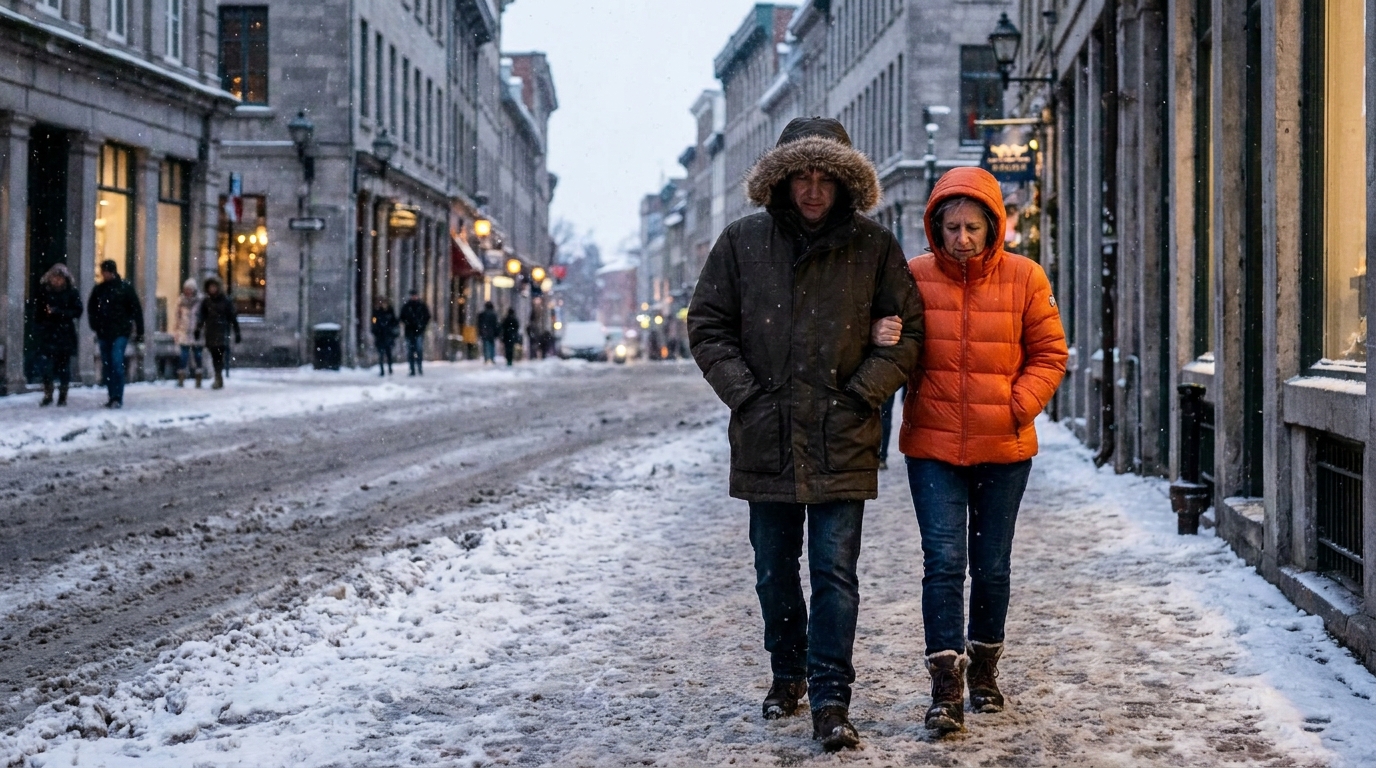
You now know how storm flaps and tight cuffs seal out freezing drafts. But is a parka warm enough for winter compared to other popular styles? You might debate between different coat types before making a final choice. Let us compare how parkas stack up against other common winter outerwear.
Winter Parka vs. Puffer Jacket
Puffers are popular, but they differ greatly from parkas. Puffers focus on being lightweight and highly packable. They usually stop right at the waist. As we covered earlier, this short length leaves your lower half completely exposed. A winter parka provides extended coverage to protect your vital femoral arteries.
Parkas also feature rugged outer shells like tough ripstop nylon. Puffers often use thin, fragile shell materials. These thin fabrics easily tear on branches or urban snags. A heavy-duty parka typically weighs between 2.5 and 4.5 pounds. This extra weight comes from durable fabrics and dense insulation built for survival.
Winter Parka vs. Wool Peacoat
Wool peacoats offer a very stylish look for daily wear. Many people choose them for formal winter events. However, they lack the technical weatherproofing needed for extreme climates. Wool provides decent natural warmth, but it absorbs heavy snow quickly.
Peacoats rarely feature the DWR coatings we discussed earlier. They also lack adjustable hoods and fur ruffs to protect your face. A warm parka jacket blocks wind chill entirely using advanced shell fabrics. Freezing wind cuts right through a standard wool coat during a severe storm.
Here is a quick breakdown of how these coat styles compare:
| Feature | Winter Parka | Veste bouffante | Wool Peacoat |
|---|---|---|---|
| Coverage Length | Mid-thigh to knee | Waist-level | Hip to mid-thigh |
| Weatherproofing | High (DWR coated) | Low to Medium | Low (Absorbs water) |
| Outer Durability | High (Rugged shells) | Low (Fragile materials) | Medium (Heavy but porous) |
| Best Environment | Extreme sub-zero, heavy snow | Mild winter, active movement | Urban fashion, dry cold |
Engineered Performance vs. Standard Fashion
Fashion brands often prioritize aesthetics over actual survival features. They might skip taped seams or use low-quality zippers. An experienced winter jacket manufacturer engineers coats specifically for harsh environments. They understand the exact insulation density needed for maximum heat retention.
Technical brands strategically place fill to prevent cold spots across your chest. They also test their garments in real sub-zero conditions. A standard fashion coat often lacks the dense fill weight required for true protection. When you face dangerous freezing temperatures, you need purpose-built gear designed to keep you safe.
How to Choose the Best Winter Parka for Your Lifestyle

You know purpose-built gear outperforms standard fashion coats in freezing temperatures. But is a parka warm enough for winter if it does not fit your daily routine? Buying the heaviest coat available is not always the smartest move. You must match those engineered features to your specific needs. Let us explore how to select the perfect outerwear for your lifestyle.
Match the Coat to Your Climate and Activity
Your daily activity level dictates how much insulation you actually need. Are you doing physical work outside, or just standing at a freezing bus stop? Active users generate significant body heat. If you hike or shovel snow, a highly insulated coat might cause overheating. You need highly breathable fabrics to prevent sweat buildup. Aim for a breathability rating around 10,000g/m²/24hr. This lets internal moisture escape while blocking cold wind.
Static users face a totally different challenge. Standing still generates almost zero extra body heat. If you wait for trains in sub-zero weather, you need maximum fill power. Choose an expedition-grade winter parka to handle those harsh, inactive periods.
| Activity Level | Primary Challenge | Recommended Parka Feature |
|---|---|---|
| High (Hiking, Work) | Overheating and internal sweat | High breathability, pit zips, synthetic fill |
| Moderate (Walking, Commuting) | Changing temperatures | Midweight insulation, two-way zippers |
| Static (Standing, Waiting) | Zero body heat generation | Maximum fill power, extended length, fur ruff |
Sizing for the Perfect Fit
We covered the science of layering and the two-finger fit rule earlier. Finding the right size ensures this thermal system actually works. Many people buy a coat fitting perfectly over a thin t-shirt. They later realize they cannot wear thick winter sweaters underneath.
Always try on outerwear while wearing your heaviest fleece or wool sweater. You want a warm parka jacket to feel snug but never tight. If the shell pulls tightly across your shoulders, it compresses the internal insulation. This destroys the dead air space keeping you safe.
Buying a coat three sizes too big creates opposite problems. Too much empty space allows cold drafts to circulate inside. Stick to the two-finger rule to maintain an ideal heat-trapping silhouette.
Why Construction Quality Matters
Even the thickest insulation fails if the outer shell falls apart. Quality construction separates true survival gear from cheap fashion items. You should always look for a reliable winter jacket manufacturer to guarantee long-lasting performance. They use advanced techniques like baffle-box construction. This method creates individual chambers for the down fill. It prevents the insulation from shifting and creating dangerous cold spots.
Always examine the stitching along the seams before purchasing. High-quality coats feature taped seams to block moisture completely. They also use heavy-duty threads resisting tears on urban snags. Investing in premium materials ensures your coat retains its weatherproofing for many years.
Conclusion
A parka is definitely warm enough for winter.
It is your best defense against extreme cold.
Premium insulation traps your body heat very effectively.
Extended length and wind-blocking features keep you protected.
Invest in a premium warm parka jacket today.
You will stay comfortable and stylish all season.
- Check your local winter temperature averages.
- Measure yourself for proper winter layering.
- Compare insulation types before buying one.
Frequently Asked Questions About Winter Parkas
Will a parka make me sweat if it is not freezing?
Yes, you might overheat if the temperature is above freezing. Parkas trap your body heat very effectively. If the weather is around 40°F, a heavy parka is too warm. Look for styles with pit zips to let fresh air inside. This extra ventilation helps stop sweat from building up.
Should I size up my parka to fit thick sweaters?
You usually do not need to buy a larger size. A good parka is designed as your final winter layer. It should already have enough room for a light sweater. You only need a two-finger gap between your clothes and the coat. This small space traps dead air to keep you warm.
Why do some winter parkas have fur around the hood?
The fur ruff is not just for good looks. Real or high-quality faux fur protects your face from frostbite. It creates turbulent air that blocks harsh freezing winds. This helps keep the skin on your face safe and warm.
What is the difference between a winter jacket and a parka?
The main difference is the overall length of the coat. A jacket usually stops right at your waistline. A parka must extend below your waist to cover more skin. Most parkas reach your mid-thigh or even down to your knees. This extra length protects your major leg arteries from freezing cold.
How do I know if a parka is waterproof enough?
You should check the waterproof rating on the coat label. A rating of 5,000mm will resist light winter rain. For normal snow conditions, you need a 10,000mm rating. If you face heavy sleet or wet snow, look for 20,000mm. Also, make sure the parka has taped seams to block water.
A high-quality parka is definitely warm enough for harsh winters. The long length and thick insulation trap your body heat perfectly. Just make sure to check the fill power and waterproof ratings. Choosing the right features will keep you cozy during severe freezes.
- Check the fill weight to see how much insulation is inside.
- Sit down in the coat to test the two-way zipper mobility.
- Look for high chest pockets to keep your hands extra warm.
- Verify that the outer shell uses a durable water repellent coating.