French
  English
  German
  Japanese
  Russian
  Spanish
  Portuguese
Want to instantly elevate your daily wardrobe?
A timeless leather jacket is your ultimate style cheat code.
However, avoiding a costume look can feel slightly intimidating.
In this post, you will learn how to style a leather jacket.
We cover everything from casual streetwear to smart evening outfits.
Why Every Wardrobe Needs a Leather Jacket
You already know this piece elevates your daily outfits. But why is it so essential? Let us explore what makes it a true closet staple.
Unmatched Versatility and Durability
A high-quality leather jacket offers incredible durability. The exact material dictates how long it lasts and how it feels on your body.
For example, cowhide is typically 1.0mm to 1.5mm thick. This heavy material withstands serious wear and tear. Lambskin usually measures between 0.6mm and 0.9mm. It feels much softer and works perfectly for fashion-focused looks.
When a reliable jacket manufacturer uses premium steerhide or horsehide, the garment needs time to soften. You might need 20 to 50 wears to break it in. Afterward, the hide molds perfectly to your specific body shape.
| Leather Type | Typical Thickness | Primary Benefit |
|---|---|---|
| Cowhide | 1.0mm – 1.5mm | Maximum durability and ruggedness |
| Lambskin | 0.6mm – 0.9mm | Softness and lightweight comfort |
| Horsehide / Steerhide | 1.2mm+ | Extreme toughness and custom body molding |
From Military Gear to Fashion Staple
This garment did not start on the fashion runway. It actually has deep functional roots. Early versions protected military pilots during WWI and WWII. The thick hides blocked freezing winds at high altitudes.
Later, they became vital safety equipment for motorcycle riders. Subcultures quickly adopted them. Greasers and punks wore the classic leather biker jacket as a bold symbol of rebellion.
Today, luxury brands and streetwear labels embrace these same silhouettes. You can wear them to a casual office or out on the weekend.
Saving Time and Money
Investing in a premium piece protects your wallet over the years. Cheap seasonal outerwear falls apart quickly. You end up replacing those trendy coats every single winter.
A well-constructed hide lasts for decades. You skip the seasonal shopping cycle entirely. It also saves you precious time in front of the mirror.
You can throw it over a plain t-shirt or a simple hoodie. Your outfit instantly looks complete and intentional.
Choosing the Right Leather Jacket for Your Style
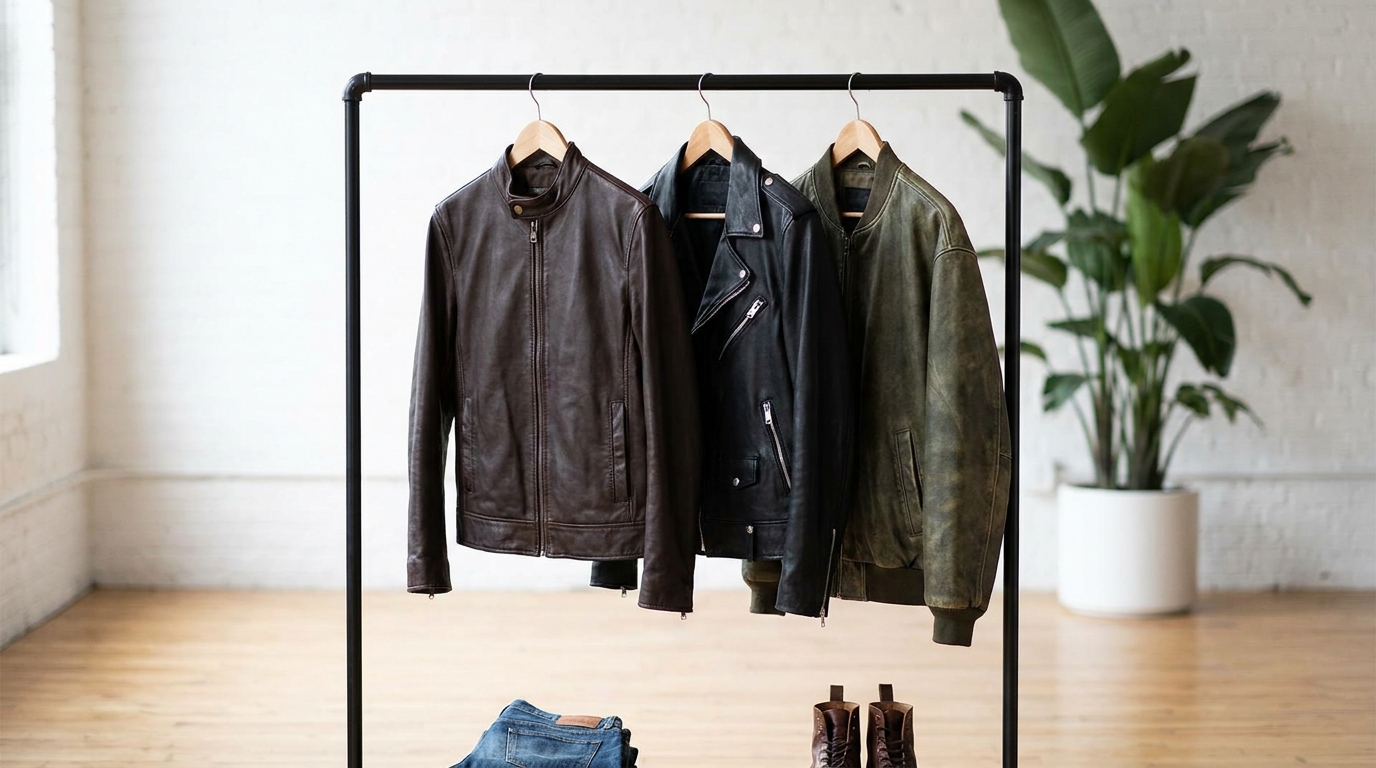
You know it saves time getting dressed. It outlasts trendy outerwear easily. Now, you must find the perfect match for your personal aesthetic. Learning how to style a leather jacket starts here. You need the right foundation. We will explore silhouettes, colors, and materials below.
Understanding Different Silhouettes
The shape of your outerwear dictates your entire outfit. You have several classic options. Each style carries a distinct attitude and history.
- Cafe Racer: Features a minimalist mandarin collar. It usually has one main zipper and zero to two pocket zippers. It creates a clean, streamlined look for modern outfits.
- Double Rider: The classic asymmetrical moto jacket. It often features three to five external zippers. Snap buttons add extra hardware. This adds instant edge to simple jeans.
- Bomber (MA-1): Offers a more relaxed fit. It includes ribbed cuffs and waistbands. It pairs beautifully alongside casual streetwear or a simple hoodie.
- Flight Jacket (A-2/G-1): Similar to the bomber but often features a fold-down collar. Some include shearling linings for colder temperatures.
The Importance of Quality and Craftsmanship
Construction matters just as much as the cut. Knowing your jacket manufacturer helps ensure proper fit and longevity. High-quality craftsmanship means exact shoulder placement. The shoulder seam must sit exactly on your shoulder bone. Any overhang means the garment is too large.
You should always buy for the shoulders. A tailor can adjust the waist later. The shoulder structure remains permanent. You should also be able to pinch one to two inches of fabric on either side of the chest. This allows room for a light sweater underneath.
Ethical sourcing and tanning methods also play a huge role today. Vegetable-tanned hides are stiffer initially. They are much more eco-friendly. Chrome-tanned options feel softer immediately. They also offer better water resistance for unpredictable weather.
Color Selection: Beyond Classic Black
Black remains the undisputed king of outerwear. It matches almost everything in your closet. It effortlessly anchors both casual and professional looks. However, versatile brown tones offer a softer, rugged appeal. Cognac or chocolate shades look incredibly stylish. They pair exceptionally well alongside indigo denim and suede boots.
Do not ignore bold colors. Deep hues like oxblood, navy, or forest green add unique character. If you choose a loud color, keep the rest of your outfit neutral. This follows the “Rule of One” for effortless styling. You only want one statement piece per outfit.
Real Leather vs. Vegan Alternatives
You must also decide between genuine animal hides and synthetic options. Each material requires different care routines. They also offer distinct styling benefits.
| Feature | Real Leather (Full-Grain/Top-Grain) | Vegan / Faux Leather |
|---|---|---|
| Styling & Aging | Develops a unique patina over time. Molds perfectly to your body. | Maintains original look. Does not develop a natural patina. |
| Breathability | Highly breathable. Adjusts well to moderate temperature changes. | Traps heat easily. Can feel sweaty in warmer climates. |
| Maintenance | Requires regular conditioning. Needs waterproofing to prevent salt damage. | Wipes clean easily. Resists water spots better initially. |
| Longevity | Can last for decades with proper professional care. | Prone to peeling or cracking after a few years of heavy use. |
Real hides develop a beautiful patina over time. They require conditioning to prevent cracking. Vegan options resist water better initially. They appeal to users holding ethical concerns regarding animal products. However, they generally do not breathe well. They rarely last as long as full-grain hides.
How to Style a Leather Biker Jacket
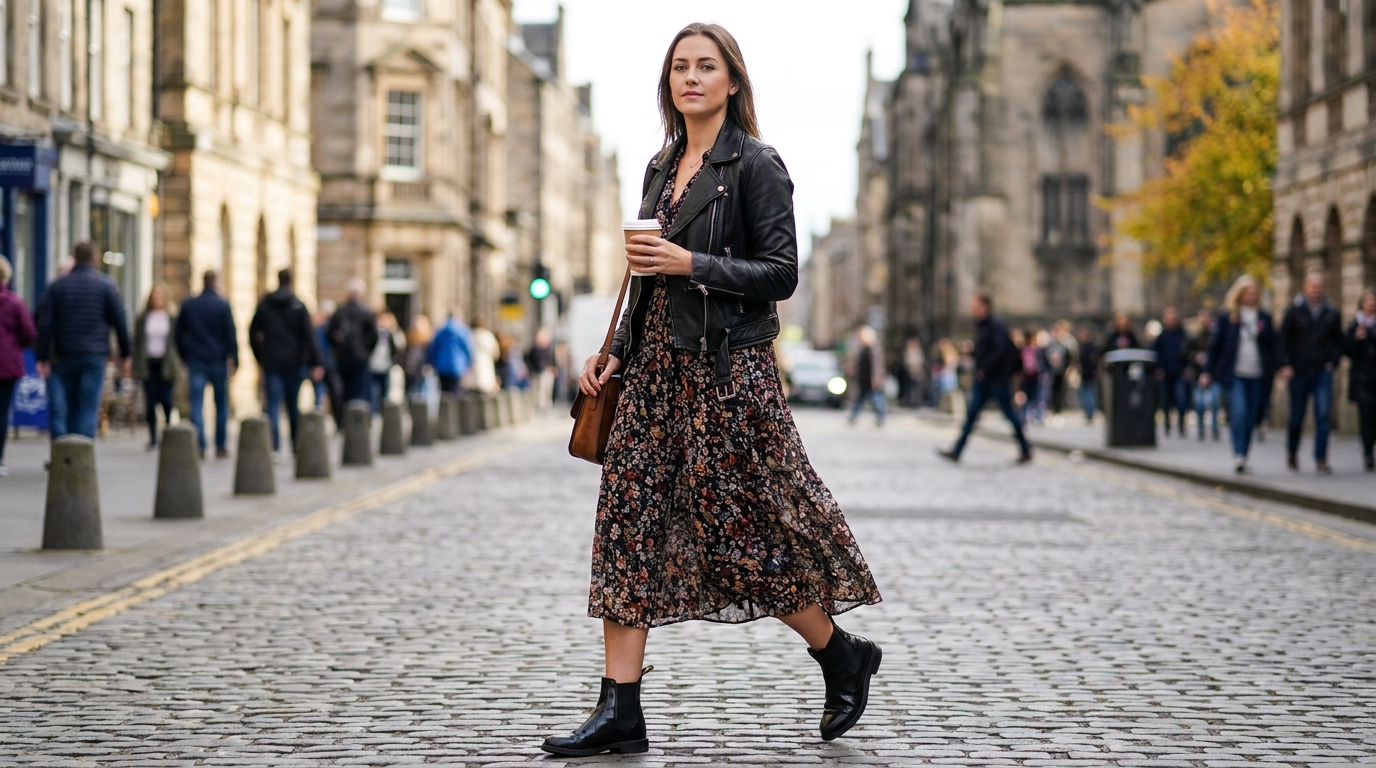
We just explored the differences between real hides and vegan alternatives. You also learned about classic silhouettes earlier. The Double Rider remains the most iconic choice. Let us dive into exactly how to style a leather biker jacket for daily wear. You want to avoid looking like a costume. You need practical ways to integrate this bold piece into your daily wardrobe.
The Classic Edgy Aesthetic
The traditional rebel look never goes out of fashion. You can easily achieve this aesthetic using basic wardrobe staples. Pair your edgy outerwear over a crisp white t-shirt. Add a pair of distressed denim jeans. This combination balances the heavy hardware perfectly.
A standard biker silhouette features three to five external zippers. It often includes two to four snap buttons. Always keep your underlying layers simple. A plain grey marl hoodie also works perfectly underneath. This remains the industry standard for effortless street style.
Creating a Feminine Contrast
You do not have to stick to rugged outfits. The high-low mix creates incredible visual interest. Throw your tough biker piece over a soft floral dress. You can also pair it alongside a silk slip skirt. This balances heavy textures against delicate fabrics.
You can also utilize the drape technique here. Simply wear the garment over your shoulders. Do not put your arms through the sleeves. This creates a highly sought-after fashion editor aesthetic. It keeps the outfit looking light and intentional.
Footwear Combinations
Your shoes anchor the entire outfit. You must choose them carefully to match your intended vibe.
- Combat Boots: You can lean into rugged history. Chunky soles complement the heavy zippers perfectly.
- Chelsea Boots: You can elevate the look instantly. Sleek leather boots create a smarter appearance for evenings out.
- White Sneakers: You can keep things completely casual. Minimalist sneakers soften the aggressive biker look for weekend coffee runs.
You should always consider texture contrast. Pair smooth outerwear alongside matte suede boots. Mix rougher distressed hides alongside polished leather footwear.
Hardware Highlights
Small details make a massive difference. Your jacket features prominent metal accents. You should coordinate these details intentionally.
| Jacket Hardware | Ideal Jewelry Match | Belt Buckle Match |
|---|---|---|
| Silver Zippers / Studs | White gold or sterling silver rings | Polished steel or silver |
| Gold / Brass Accents | Yellow gold watches or chains | Antiqued brass |
| Gunmetal / Blackened | Matte black or dark tungsten | Matte black or dark grey |
Match your rings and belt buckle to the main zippers. This creates a highly cohesive look. Remember the rule of one here. Keep other accessories minimal if your outerwear features loud studs. You only want one loud piece per outfit.
How to Style a Leather Jacket for Casual Outfits
You just learned how to coordinate hardware and pull off an edgy biker look. Now, let us bring things down to earth for everyday wear. Learning how to style a leather jacket for casual outfits ensures you actually use your investment daily. You want to look effortlessly cool. You definitely want to avoid looking like a costume.
Mastering Effortless Streetwear and Athleisure
The athleisure crossover makes daily dressing incredibly simple. You can easily throw your outerwear over a cozy hoodie. A classic grey marl hoodie under a black jacket remains the industry standard for effortless street style. It softens the aggressive hardware instantly.
When the weather warms up, swap the heavy fleece for an oversized graphic tee. This creates a relaxed, vintage-inspired aesthetic. Just remember the pinch rule we mentioned earlier. You must have one to two inches of extra chest room to fit these thicker layers comfortably.
Perfect Denim Pairings
Jeans and leather create a historic, unbeatable combination. The wash of your denim completely changes your overall vibe. You should match your jeans intentionally to your jacket color.
| Jacket Color | Ideal Denim Wash | Resulting Aesthetic |
|---|---|---|
| Black | Light wash, distressed | Relaxed, weekend-ready streetwear |
| Black | Black or dark charcoal | Sleek, monochromatic, slightly elevated |
| Brown / Cognac | Raw indigo or medium blue | Rugged, classic Americana |
| Oxblood / Navy | Clean black or white denim | Modern, fashion-forward, balanced |
Avoid overly baggy jeans. A straight or slim-straight fit balances the cropped torso length of most classic silhouettes. This keeps your proportions looking sharp and intentional.
Accessorizing Your Casual Look
Accessories finish your casual aesthetic perfectly. However, you must keep them practical and low-key. You still want your outerwear to remain the focal point.
- Headwear: Throw on a simple baseball cap or a knit beanie. This keeps the outfit grounded during quick morning coffee runs.
- Bags: A sleek nylon crossbody bag adds functional utility. It carries your daily essentials without ruining your carefully layered silhouette.
- Sunglasses: Classic aviators or wayfarers complement the military and motorcycle history of these garments perfectly.
Keep these add-ons neutral in color. Follow the rule of one here as well. If your outerwear features loud zippers or fringe, let your accessories fade quietly into the background.
How to Style a Leather Jacket for the Office and Smart-Casual Events
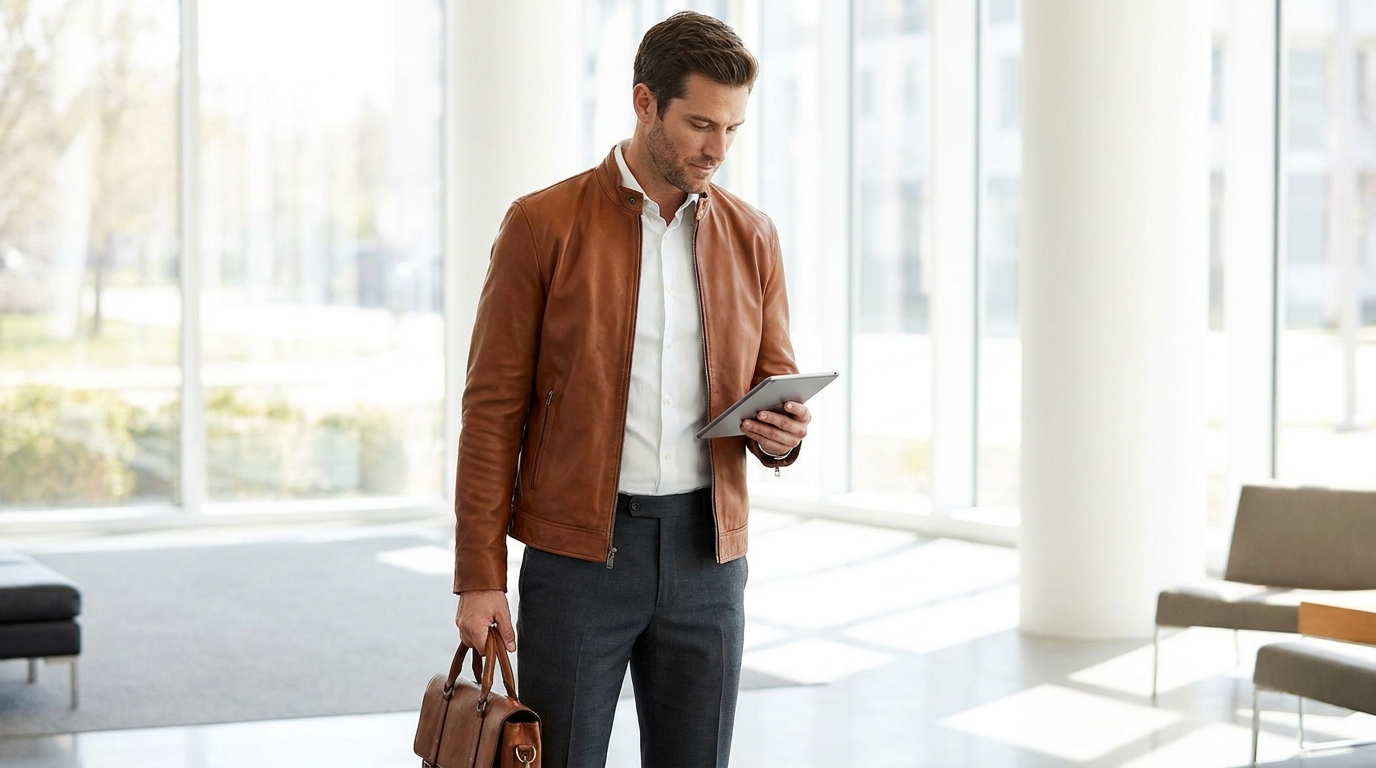
We just covered effortless streetwear and weekend denim pairings. You do not have to leave your favorite outerwear at home on Monday morning. Learning how to style a leather jacket for the office opens up entirely new wardrobe possibilities. You can absolutely wear this piece to work. You just need to approach it using a slightly more refined strategy. Let us look at how you can swap traditional tailoring for something much more interesting.
Swapping the Traditional Blazer
A standard suit jacket feels incredibly rigid sometimes. You can easily replace it using a minimalist leather silhouette. The Cafe Racer works best here. As we covered earlier, it features a clean mandarin collar and minimal hardware. It usually has just one main zipper. This streamlined design mimics the tailored fit of a traditional blazer perfectly.
Avoid loud fringe or heavy studs in professional settings. You want the garment to look sophisticated and intentional. A smooth, top-grain hide in black or rich cognac elevates your professional attire instantly. It shows confidence without breaking modern workplace dress codes.
Smart Layering Techniques
Your base layers dictate how professional the outfit looks. You must ditch the graphic tees and hoodies for office environments. Instead, wear your jacket over a crisp button-down shirt. Ensure the shirt collar sits neatly inside the jacket neckline.
For a softer approach, try a silk blouse. The smooth fabric creates a beautiful texture contrast against the structured hide. During colder months, a fine-knit merino wool turtleneck looks incredibly sharp underneath. It keeps you warm while maintaining a sleek, bulk-free profile. Remember the pinch rule from earlier. Your jacket should fit comfortably over these lightweight knits without pulling at the chest.
Choosing the Right Bottoms
You need tailored bottoms to balance the edgy nature of your outerwear. Denim feels too casual for most smart-casual events. You should opt for structured trousers instead.
Pleated wool trousers or slim-fit chinos anchor the outfit beautifully. They tell everyone you dressed up on purpose. For a highly sophisticated look, pair a cropped silhouette over a high-waisted pencil skirt. This high-low mix balances heavy leather against traditional office wear perfectly.
- Tailored Trousers: Choose charcoal or navy wool for a sharp, executive aesthetic.
- Slim Chinos: Olive or khaki chinos offer a relaxed yet office-appropriate vibe.
- Pencil Skirts: A structured midi skirt creates a powerful, feminine silhouette.
Professional Footwear Pairings
Your shoes finalize the smart-casual transition. You must leave the chunky combat boots and white sneakers at home. Professional footwear elevates the entire combination immediately.
| Footwear Style | Best Matched With | Overall Office Vibe |
|---|---|---|
| Penny Loafers | Slim chinos or ankle-length trousers | Relaxed, preppy, and highly comfortable |
| Leather Oxfords | Wool trousers or full suits | Strictly professional and authoritative |
| Classic Pumps | Pencil skirts or tailored wide-leg pants | Elegant, sharp, and fashion-forward |
Always match your shoe material to your outerwear. Pair smooth calfskin oxfords alongside a smooth top-grain jacket. If you wear suede loafers, consider a suede jacket to match the matte finish. This attention to detail keeps your outfit cohesive and workplace-ready.
How to Style a Leather Jacket for a Night Out
You just mastered transitioning your outerwear into the professional workplace. Now, the sun goes down. You need to know how to style a leather jacket for a night out. This piece transitions effortlessly from your desk to dinner. You can wear it to romantic date nights or upscale evening events. You just need to swap out your office staples for something a bit more glamorous. Let us explore how to elevate your evening wardrobe.
The Power of a Monochromatic Look
An all-black outfit remains a foolproof evening strategy. It looks incredibly sleek and sophisticated. Wearing black from head to toe creates a highly slimming silhouette. It also lets the bright hardware on your outerwear take center stage.
Slip into a black silk camisole and dark tailored trousers. Throw your dark jacket over the top. This combination exudes quiet confidence. It works perfectly for dimly lit cocktail bars or upscale dinners. You can also experiment with deep navy or charcoal grey. Just keep the tones closely matched for maximum visual impact.
Mixing Textures and Shine
Evening events allow you to play with luxurious fabrics. We discussed the high-low mix earlier regarding casual dresses. You can apply this exact same concept to your night-out outfits. Heavy hides contrast beautifully against delicate or shiny materials.
Pair your structured outerwear alongside a soft velvet skirt. Try layering it over a delicate lace bodysuit. Metallic fabrics also work exceptionally well under dark top-grain hides. A sequined top or a metallic slip dress catches the evening light beautifully. The rugged hide keeps these flashy pieces grounded. It prevents your outfit from looking overly formal or stiff.
Elevating with Statement Accessories
Your accessories complete the evening transformation. You swapped your nylon crossbody for office wear earlier. Now, you need items that instantly signal an evening dress code.
- Clutch Bags: Grab a sleek metallic clutch or a structured mini bag. They hold your essentials without adding bulky shoulder straps.
- Statement Necklaces: A bold necklace draws attention upward toward your face. It breaks up the dark tones of your outerwear perfectly.
- Chunky Rings: Layered rings or thick bracelets add extra visual interest to your hands.
Remember the hardware matching rule we covered previously. Coordinate your bold jewelry with your jacket zippers. This keeps the entire look highly intentional and cohesive.
Evening Footwear Pairings
Your office loafers will not cut it for a night out. You need footwear that matches the elevated energy of your evening outfit. High heels and dress boots change your entire posture immediately. They add instant glamour to the edgy outerwear.
| Evening Footwear | Ideal Outfit Pairing | Overall Vibe |
|---|---|---|
| Stiletto Heels | Lace bodysuits or silk slip dresses | Highly glamorous and feminine |
| Sleek Ankle Boots | Monochromatic black trousers | Edgy, modern, and sophisticated |
| Pointed-Toe Mules | Tailored evening pants or velvet skirts | Chic, comfortable, and fashion-forward |
Seasonal Tips: How to Style a Leather Jacket Year-Round
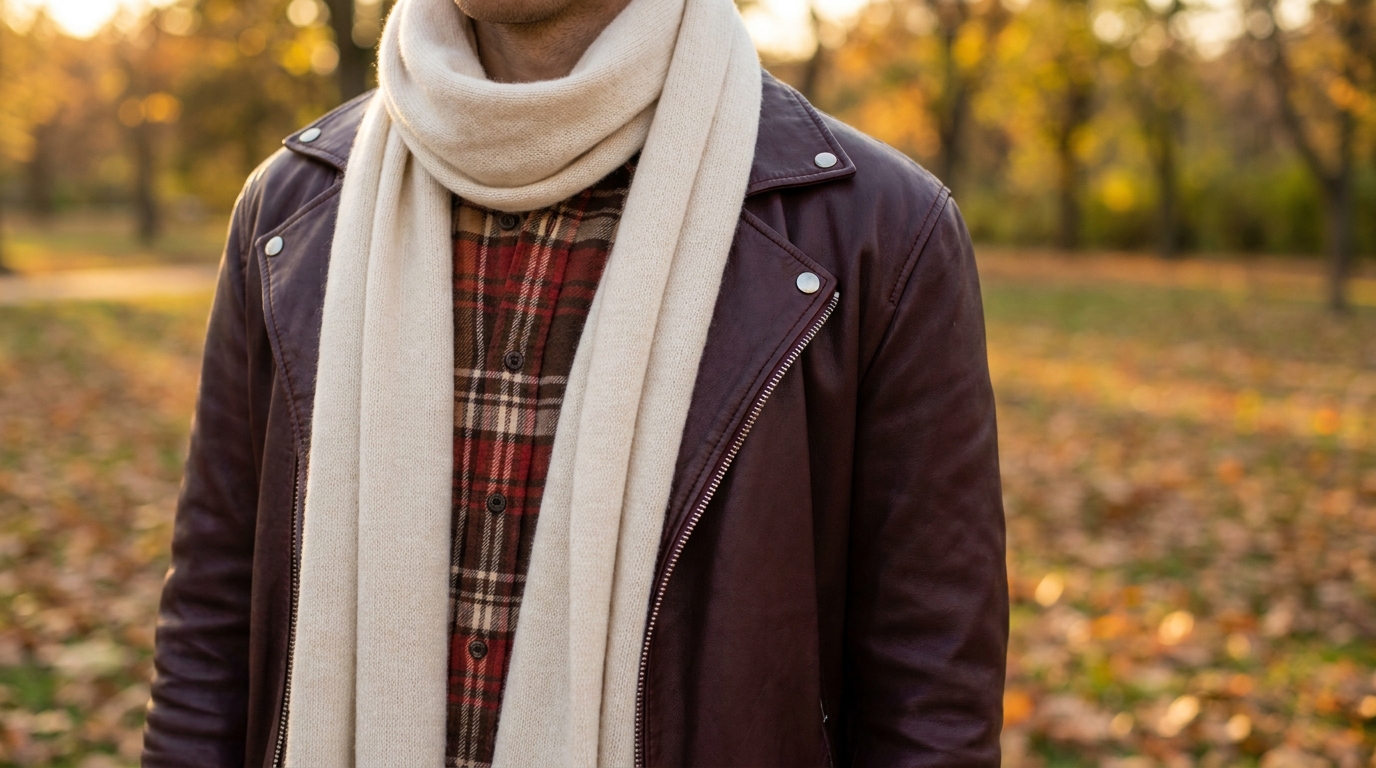
You just mastered wearing your outerwear to the office. You also know how to dress it up for a glamorous night out. However, your styling journey does not stop there. You might wonder how to wear this heavy garment when the weather changes.
Learning how to style a leather jacket year-round ensures you get maximum use out of your investment. You do not have to pack it away when summer arrives. You also do not need to freeze during the winter. Let us explore seasonal strategies to keep your outfits comfortable all year long.
Spring Styling: Light and Breezy
Spring weather changes rapidly throughout the day. You need outfits to handle crisp mornings and warm afternoons effortlessly. Combine your outerwear using highly breathable cotton fabrics. A simple cotton t-shirt works perfectly underneath. A lightweight linen button-down also offers excellent airflow.
You should incorporate lighter colors into your wardrobe now. Swap your dark winter sweaters for pastel shirts. Soft pink, mint green, or baby blue contrast beautifully against a dark hide. This color combination keeps your overall aesthetic feeling fresh and season-appropriate.
Summer Evenings: The Drape Technique
You might think summer means packing your heavy outerwear away completely. However, breezy coastal nights often require an extra layer. Heavily air-conditioned restaurants also demand some light coverage.
You can utilize the drape technique we covered earlier. Simply rest a lightweight unlined jacket over your shoulders. Do not put your arms through the sleeves. This prevents you from overheating. It also keeps you looking incredibly stylish. Pair it alongside a breezy sundress or a simple tank top.
Fall Fashion: Embracing Earth Tones
Autumn remains the absolute best season for this classic garment. The crisp air perfectly matches the rugged nature of the hide. You should embrace rich earth tones during these cooler months.
Layer your jacket over a warm plaid flannel shirt. Mustard yellow, burnt orange, and deep burgundy complement dark outerwear beautifully. You can also introduce lightweight scarves here. A textured cashmere scarf adds visual interest around your neckline. It blocks chilly autumn winds effectively. It does this without adding unnecessary bulk to your torso.
Winter Warmth: Strategic Layering
Freezing temperatures require serious insulation. Unlined leather usually only handles temperatures down to 50°F (10°C). Shearling-lined options work much better for colder days. For true winter warmth, you must layer strategically.
Wear your jacket over a chunky knit sweater. Remember the pinch rule we discussed previously. You need that extra chest room to fit heavy wool knits comfortably.
If you face extreme cold, treat your leather piece as a mid-layer. Wear it closely over thermal wear. Then, throw a heavy wool topcoat over the entire outfit. This creates a highly sophisticated, textured winter look.
| Season | Ideal Base Layer | Key Styling Strategy |
|---|---|---|
| Spring | Breathable cotton tees or linen shirts | Incorporate pastel colors to brighten the dark hide. |
| Summer | Silk camisoles or lightweight tank tops | Drape the jacket over your shoulders for cool evenings. |
| Fall | Plaid flannels or light merino wool | Embrace earth tones and add a lightweight scarf. |
| Winter | Chunky knits or thermal long-sleeves | Layer under a heavy wool topcoat for extreme cold. |
Caring for Your Leather Jacket to Maintain Its Style
You just learned how to layer your outerwear through harsh winters and humid summers. However, exposing the hide to diverse weather conditions takes a toll. Learning how to style a leather jacket long-term requires proper maintenance. You must care for the material. This ensures it stays soft and looks great for decades.
Routine Cleaning and Conditioning
We mentioned earlier that real hides develop a beautiful patina over time. You must nourish the material to keep this aging process looking intentional. Without moisture, the hide dries out and cracks. You should wipe away daily dust using a damp cloth.
Apply a high-quality leather conditioner twice a year. Gently massage the cream into the surface using circular motions. This keeps the garment incredibly soft and supple. It also helps break in stiff vegetable-tanned hides much faster.
Protecting Against Rain and Water Damage
Rain and snow threaten the integrity of real hides. We noted previously that chrome-tanned options resist water better initially. Still, heavy downpours cause serious warping or permanent water spots.
If you get caught in a storm, wipe the surface immediately. Use a dry microfiber cloth. Let the garment air dry naturally at room temperature. Never use a hair dryer or radiator. Direct heat bakes the material and causes severe cracking.
Apply a dedicated waterproofing spray before winter arrives. This prevents street salt from ruining the finish. Always test the spray on a hidden spot first to ensure it does not alter the original color.
Proper Storage Techniques
You eventually need to put your outerwear away. Proper storage prevents permanent stretching and color fading. We discussed earlier how important shoulder fit is. You must protect that exact shoulder structure in your closet.
- Use Padded Hangers: Always hang your piece on a wide, contoured wooden hanger. Wire hangers poke through the heavy material and ruin the shoulder shape.
- Avoid Direct Sunlight: Store the garment in a dark, cool closet. UV rays fade rich dyes and dry out the natural oils quickly.
- Ensure Breathability: Never store it inside a plastic dry-cleaning bag. Plastic traps moisture and promotes mold growth. Use a breathable cotton garment bag instead.
- Do Not Fold: Folding creates permanent creases. If you must pack it for travel, gently roll it to avoid sharp fold lines.
| Maintenance Task | Recommended Frequency | Primary Benefit |
|---|---|---|
| Dusting and Wiping | Every few weeks | Prevents dirt buildup in the natural grain. |
| Conditioning | Every 6 months | Keeps the hide soft and prevents cracking. |
| Waterproofing | Annually (before winter) | Blocks water spots and prevents salt damage. |
| Professional Cleaning | Every 2 to 3 years | Removes deep stains and refreshes the interior lining. |
Conclusion
You can easily style a leather jacket for any event.
Mix unique textures and layers to build your look.
Treat this clothing piece as a smart style investment.
It will naturally look better as it ages.
- Apply a quality leather conditioner this weekend.
- Wear your jacket over a thick winter sweater.
- Hang your garment on a broad wooden hanger.
Frequently Asked Questions About How to Style a Leather Jacket
Can I wear my leather jacket in the rain?
You should generally avoid heavy rain. Water spots can easily damage the material. Salt and moisture might warp the hide over time. Chrome-tanned leather offers slight water resistance. However, it is still not fully waterproof. If your jacket gets wet, let it air dry naturally. Never use direct heat to dry it. Apply a good leather conditioner afterward. This keeps the material soft and prevents cracking.
How do I soften a stiff leather jacket?
High-quality leather takes time to break in properly. Thick cowhide can take up to fifty wears. This allows it to mold perfectly to your body. You just need to wear it often. Moving around helps stretch the stiff fibers. You can also apply a specialized leather conditioner. This adds moisture and softens rigid spots safely. Avoid harsh chemicals that could ruin the finish.
How can I wear a leather jacket without looking like a biker?
You can easily avoid a costume look. Just follow the helpful “Rule of One” for outfits. Wear only one edgy piece at a time. If you choose a bold biker jacket, keep everything else neutral. Pair it with simple tailored trousers. A silk slip dress also creates a great balance. Mixing rough and smooth textures looks very stylish. This high-low mix keeps your outfit modern and fresh.
How should a leather jacket fit my body?
The shoulder seam must sit on your shoulder bone. Any overhang means the jacket is too large. Sleeves should hit right at your wrist bone. A standard jacket should stop at your belt line. You must be able to pinch some fabric. Grab one or two inches on the chest. This allows room for a light sweater underneath. Always buy for the correct shoulder fit. You can tailor the waist later if needed.
Do I need to match my jacket hardware to my accessories?
Matching your hardware creates a very cohesive look. Check the zippers and snaps on your jacket. Notice if they are silver, gold, or gunmetal. Try to match your watch and belt buckle. This small detail elevates your entire outfit instantly. However, it is not a strict fashion rule. Some people prefer mixing metals for a casual vibe. A minimalist jacket makes this much easier. Cafe racers usually have just one main zipper.
A leather jacket is a timeless wardrobe staple. Finding the perfect shoulder fit is crucial. You can mix textures for a modern look. Proper care ensures your jacket lasts for decades.
- Check your jacket’s shoulder seams in a mirror.
- Condition the leather to protect against dry weather.
- Pair your jacket with a simple grey hoodie.
- Match your belt buckle to the jacket zippers.