French
  English
  German
  Japanese
  Russian
  Spanish
  Portuguese
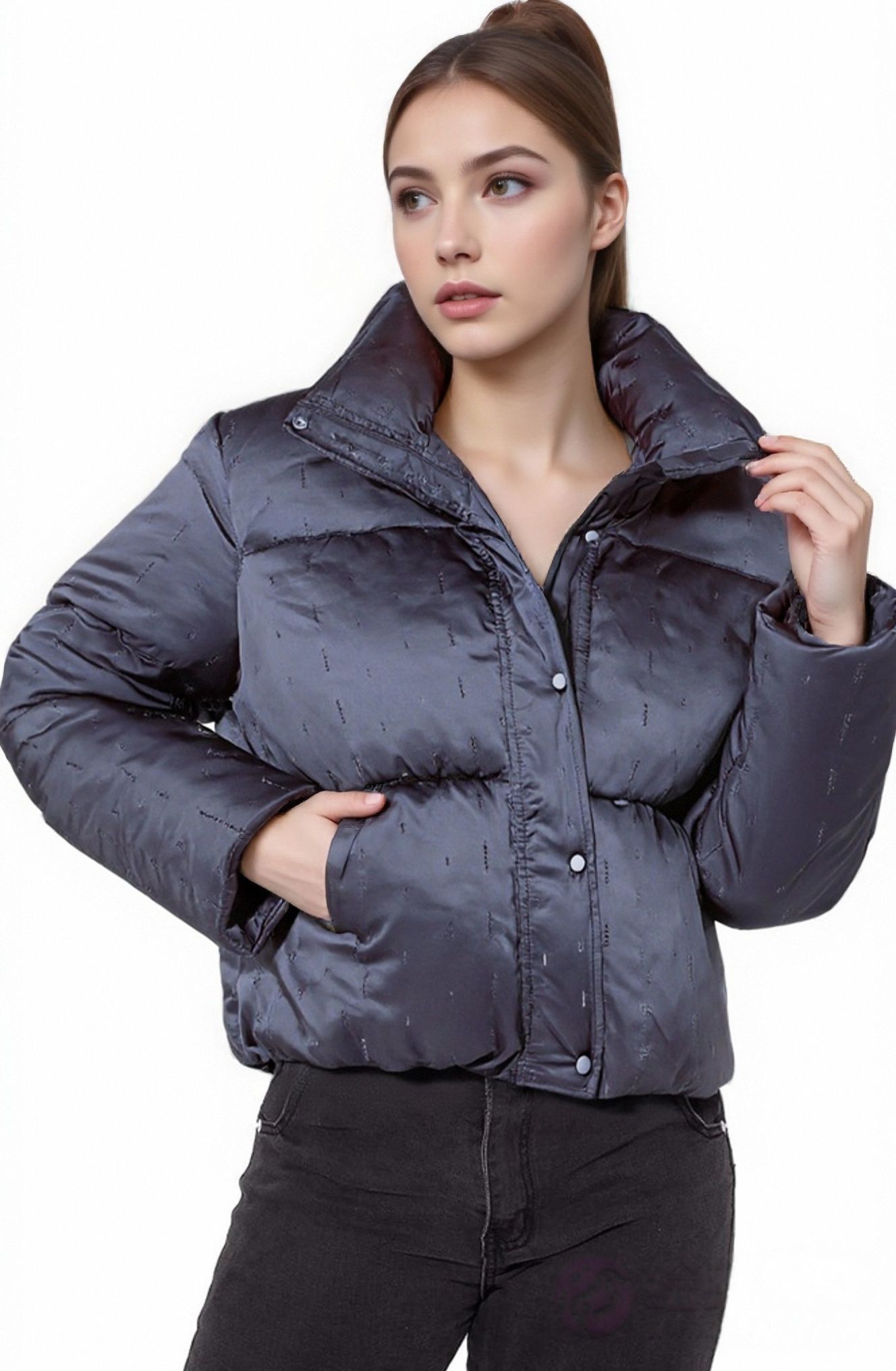

When the temperature drops, which is warmer, a puffer or a fleece jacket?
Puffers generally offer superior heat and wind protection.
Yet, cozy fleece provides vital breathability during active pursuits.
In this post, you’ll discover the best choice for your local weather and layering needs.
Understanding the Puffer Jacket: How Does It Trap Heat?
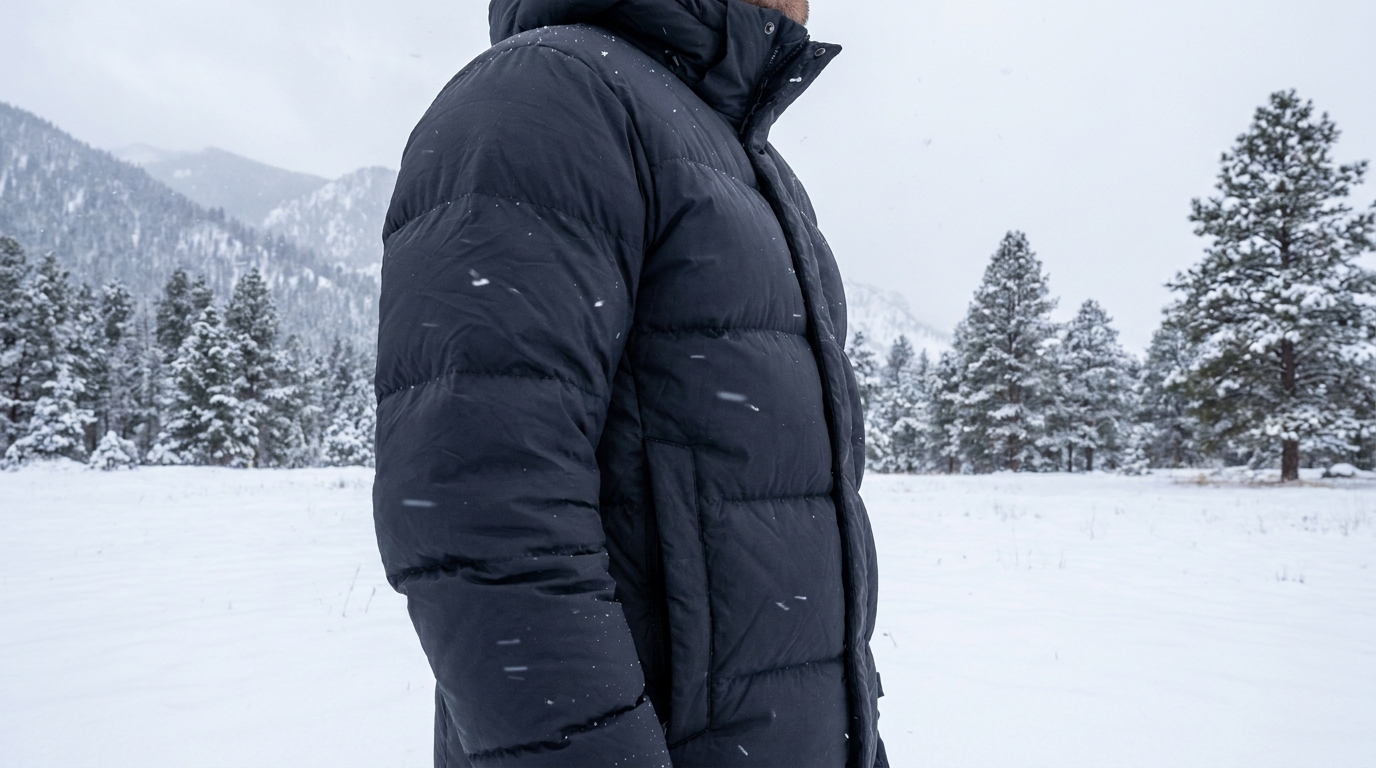
To decide which is warmer, a puffer or a fleece jacket, we must first understand how they work. Let’s explore the mechanics of a puffer jacket and why it excels in freezing conditions.
The Signature Quilted Design
You recognize them instantly by their quilted sections. Industry experts call these stitched compartments baffles. They give the garment its classic “puffy” aesthetic. These baffles hold the insulating fill securely in place. This smart construction prevents the material from clumping at the bottom hem. It ensures an even layer of warmth across your entire torso.
The Science of Dead Air Space
Inside those baffles, you will find natural down feathers or synthetic fibers. These materials do not actually generate heat. Instead, they capture your natural body heat. The lofty clusters create thousands of tiny microscopic pockets. These pockets hold “dead air” securely. This trapped air builds a thick thermal barrier. It completely separates your warm body from the freezing outside environment.
Unbeatable Warmth-to-Weight Ratio
This internal structure delivers an incredible warmth-to-weight ratio. You get massive amounts of heat without feeling weighed down. We measure this efficiency using Fill Power (FP). Basic garments range around 550 FP. Premium options easily push past 900 FP. Higher fill power means the material traps more air per ounce. You stay incredibly warm wearing something lighter than a standard winter sweater.
Wind and Weather Resistance
The outer shell also plays a crucial role in thermal regulation. Most designs use tightly woven nylon or polyester face fabrics. These durable materials are inherently wind-resistant. Cold gusts cannot easily penetrate the shell. They fail to strip away your trapped body heat. This vital wind-blocking capability makes them ideal for static winter activities like spectating or belaying.
| Puffer Component | Primary Function | Impact on Warmth |
|---|---|---|
| Baffles (Stitched Compartments) | Keep insulation distributed evenly | Prevents cold spots from forming |
| Insulation Fill (Down/Synthetic) | Creates microscopic dead air pockets | Traps body heat highly efficiently |
| Outer Shell (Nylon/Polyester) | Blocks wind and light moisture | Protects your internal thermal barrier |
The Magic of a Warm Fleece jacket: Comfort and Breathability
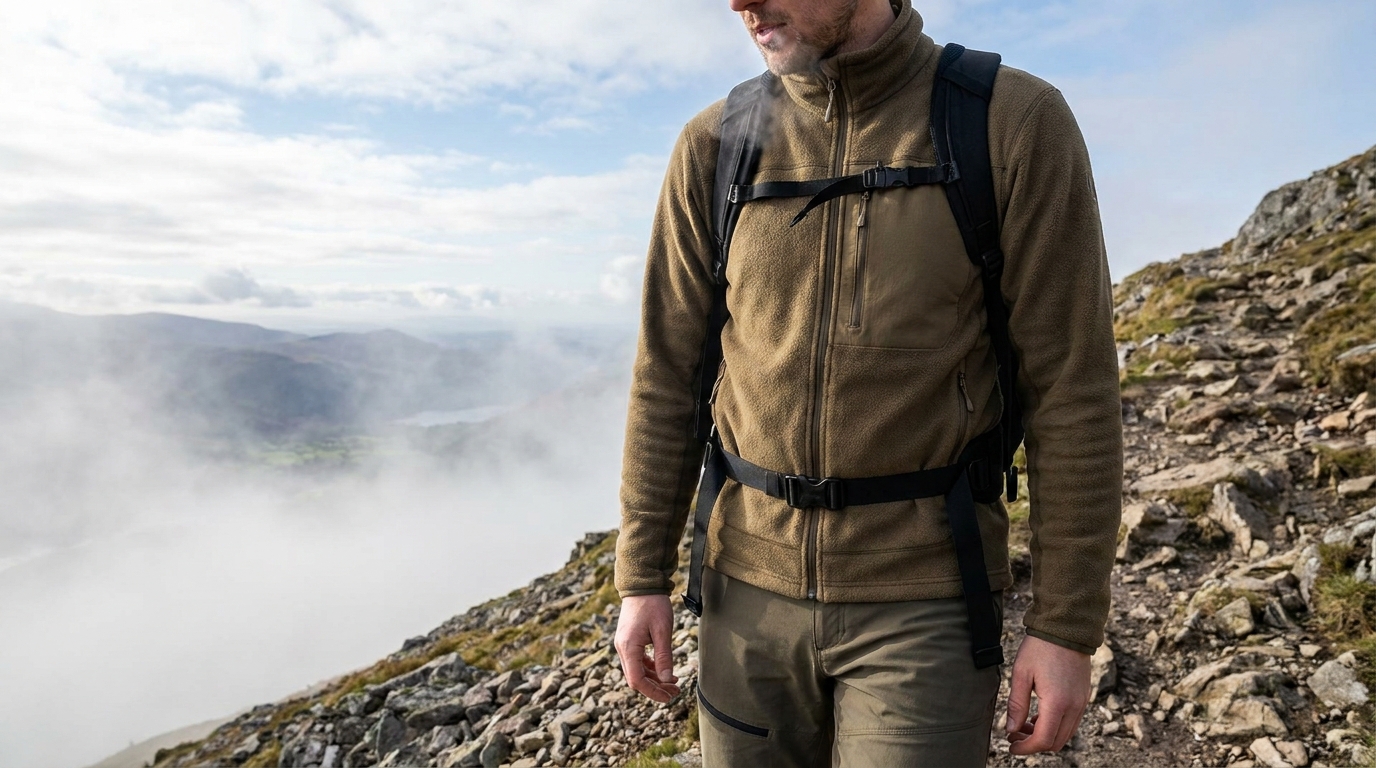
While puffers easily block cold gusts when you stand still, they often trap too much heat during movement. You might find yourself sweating heavily on a brisk hike. This is exactly where a warm fleece jacket shines. It offers a totally different approach to thermal regulation.
Imitating Nature: Why Fleece Feels So Cozy
What makes a winter fleece jacket so incredibly soft? The secret lies in its construction. Any experienced jacket manufacturer knows the value of synthetic polyester fibers. Workers weave and carefully brush these specialized materials. This process mimics the natural insulation found in sheep’s wool. It creates a plush, raised surface right against your skin. You feel instant comfort the moment you put it on.
Trapping Heat While Letting Sweat Escape
Unlike a tightly woven nylon shell, fleece remains highly porous. It still traps your body heat within its fuzzy fibers. However, it lets excess heat and moisture vapor escape freely. This incredible breathability prevents overheating during intense physical exertion. Synthetic fleece also absorbs less than 1% water by weight. It continues keeping you warm even if you sweat heavily or encounter light drizzle.
The Go-To Choice for Active Pursuits
Because it manages moisture perfectly, an outdoor fleece jacket dominates high-energy activities. You can wear it comfortably while hiking steep trails. It also works beautifully for cross-country skiing or brisk running. It constantly regulates your core temperature on the move. You stay comfortably warm without ever feeling clammy. The durable fabric also resists abrasion from heavy backpack straps beautifully.
Understanding Fleece Weights and Bulk
When asking, “Which is Warmer, a puffer or a fleece jacket?” you must consider fabric weight. We categorize these garments by grams per square meter (gsm). This measurement directly impacts overall warmth and bulk.
| Fleece Weight (GSM) | Best Activity Level | Warmth & Breathability |
|---|---|---|
| Lightweight (100-weight) | Running, uphill hiking | Minimal insulation, maximum breathability |
| Midweight (200-weight) | Everyday use, casual walking | Balanced warmth and airflow |
| Heavyweight (300-weight) | Static cold-weather tasks | Maximum warmth, lowest breathability |
Keep in mind one major drawback regarding bulk. Fleece does not compress well for travel. It takes up much more space in your backpack. It simply cannot match the extreme packability of natural down insulation.
Head-to-Head: Which is Warmer, a Puffer or a Fleece Jacket?
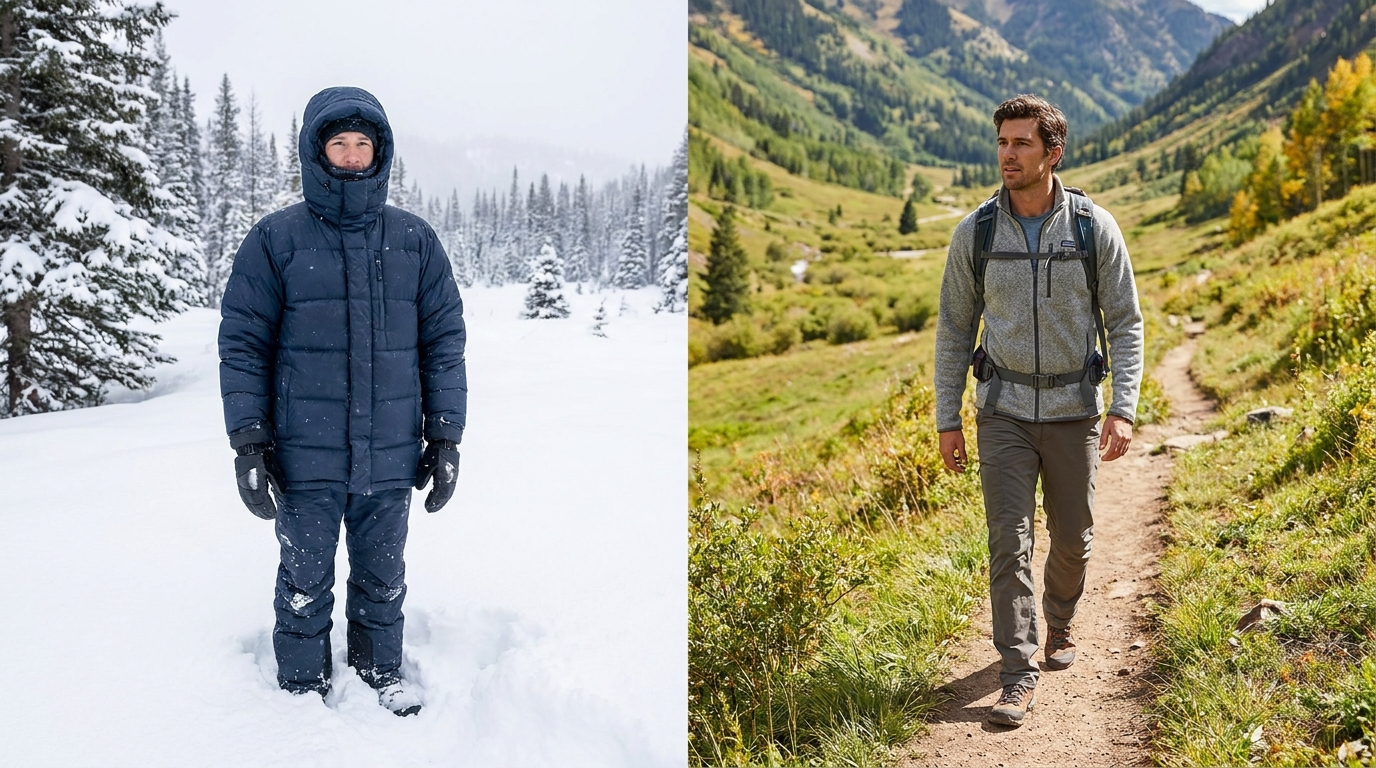
We just saw how fleece takes up more space in your backpack than highly compressible down. Packability aside, you need to know which garment actually keeps you warmer. The answer completely depends on your specific environment and daily activity level. Let us compare them directly across four critical weather categories.
Absolute Warmth in Freezing Conditions
If you stand still in sub-zero temperatures, the puffer easily wins. As we covered earlier, its thick baffles trap massive amounts of dead air. This creates a powerful thermal barrier around your core. A standard fleece cannot match this level of absolute heat retention. You should always follow the “Static vs. Active” rule. Choose a puffy coat for static activities like watching a football game or waiting for a winter bus.
The Wind Chill Factor
Wind quickly strips away your natural body heat. Here, these two popular garments perform very differently. A standard winter fleece jacket remains highly porous. Cold gusts will blow right through the fuzzy fibers. You will feel an instant chill unless you wear a separate windproof shell over it. Meanwhile, puffy coats utilize tightly woven outer shells. They naturally block harsh winds. This built-in wind resistance makes them significantly warmer on blustery days.
Wet Weather Performance
Moisture changes the warmth equation entirely. Untreated natural down loses its loft completely when wet. It clumps together and provides zero insulation in the rain. Synthetic puffers perform better, but they still struggle in heavy downpours. This is exactly where a warm fleece jacket truly shines. Synthetic polyester fibers absorb less than one percent of their weight in water. The material stays warm even when completely damp. It also dries incredibly fast after a sudden rainstorm.
Activity Level and Perceived Warmth
Your physical exertion heavily influences how warm a garment feels. If you hike up a steep trail in a thick down coat, you will quickly overheat. Your sweat gets trapped inside the jacket. Later, this trapped moisture turns cold and clammy against your skin. An outdoor fleece jacket prevents this problem entirely. It lets excess heat and sweat vapor escape freely. By keeping your skin dry during intense movement, fleece actually keeps you feeling warmer overall.
| Condition / Activity | Puffer Performance | Fleece Performance | The Warmer Choice |
|---|---|---|---|
| Standing still in dry cold | Excellent heat trapping | Moderate heat retention | Puffer |
| High winds | Blocks gusts effectively | Lets cold air pass through | Puffer |
| Wet or damp weather | Down fails; synthetic survives | Stays warm when damp | Fleece |
| Sweaty, intense activity | Traps sweat, causes chills | Breathes well, keeps skin dry | Fleece |
Layering Strategies: Why Not Wear Both?
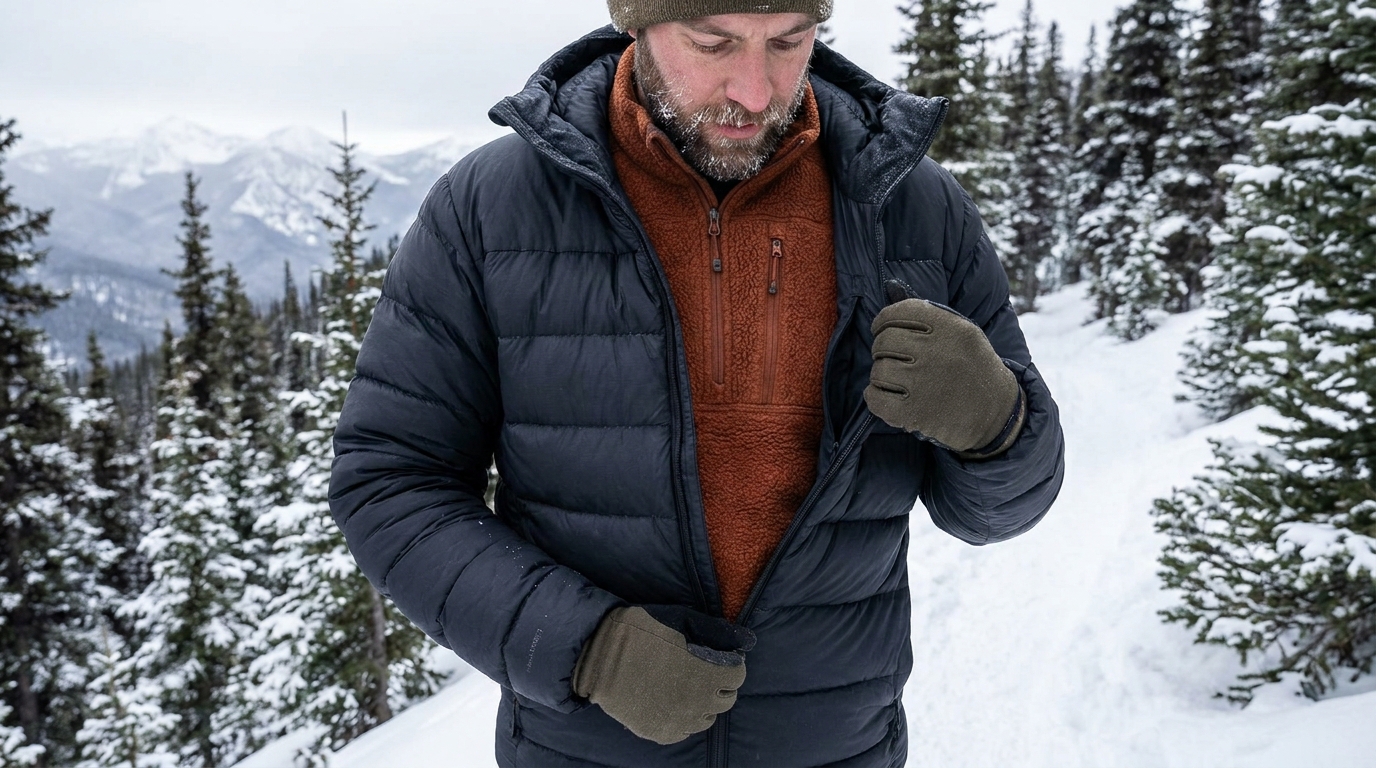
We just compared how these garments perform individually across different weather conditions. You saw that each has distinct strengths and weaknesses. Instead of constantly asking, “Which is Warmer, a puffer or a fleece jacket?” you can simply combine them. Combining them creates the ultimate cold-weather system. Let us look at how you can layer these pieces effectively.
The Ultimate Cold-Weather System
When temperatures drop well below freezing, a single layer often fails. You might start a hike feeling freezing, but soon you sweat. A smart layering system solves this problem completely. By pairing a winter fleece jacket with a puffy coat, you get great results. You gain the moisture-wicking comfort of synthetic fibers alongside intense heat retention. This combination adapts easily to rapidly changing weather conditions. You simply remove the outer shell when you get too warm.
Fleece as Your Breathable Mid-Layer
In this system, your warm fleece jacket serves as the perfect mid-layer. You wear it directly over your lightweight base layer. As we covered earlier, fleece excels at letting sweat vapor escape. It pulls moisture away from your body during physical exertion. A midweight 200-gsm outdoor fleece jacket usually works best for this purpose. It provides substantial insulation without adding any excessive bulk. This layer keeps your core temperature stable while you move.
The Puffer as Your Protective Outer Shell
Next, you add the puffy coat as your protective outer layer. You put this on when you stop moving or wind howls. The tightly woven nylon shell blocks cold gusts instantly. Meanwhile, the high-loft insulation traps the heat generated by your mid-layer. If you expect damp conditions, choose a synthetic fill over natural down. This ensures your outer shell continues working even during light rain.
Sizing Tips for Comfortable Layering
Proper sizing makes or breaks this specific layering strategy. If your clothes fit too tightly, they compress the insulating dead air. You will actually feel much colder in the end. Follow these simple rules to avoid a bulky look. They help you stay warm without ever restricting your natural movement.
| Garment Layer | Ideal Fit for Layering | Common Sizing Mistake |
|---|---|---|
| Fleece (Mid-Layer) | Snug against the body with full arm mobility | Buying it too loose, which lets cold air circulate |
| Puffer (Outer Shell) | Slightly roomy to accommodate layers underneath | Buying it too tight, which compresses insulating loft |
What to Look for When Buying Your Winter Gear
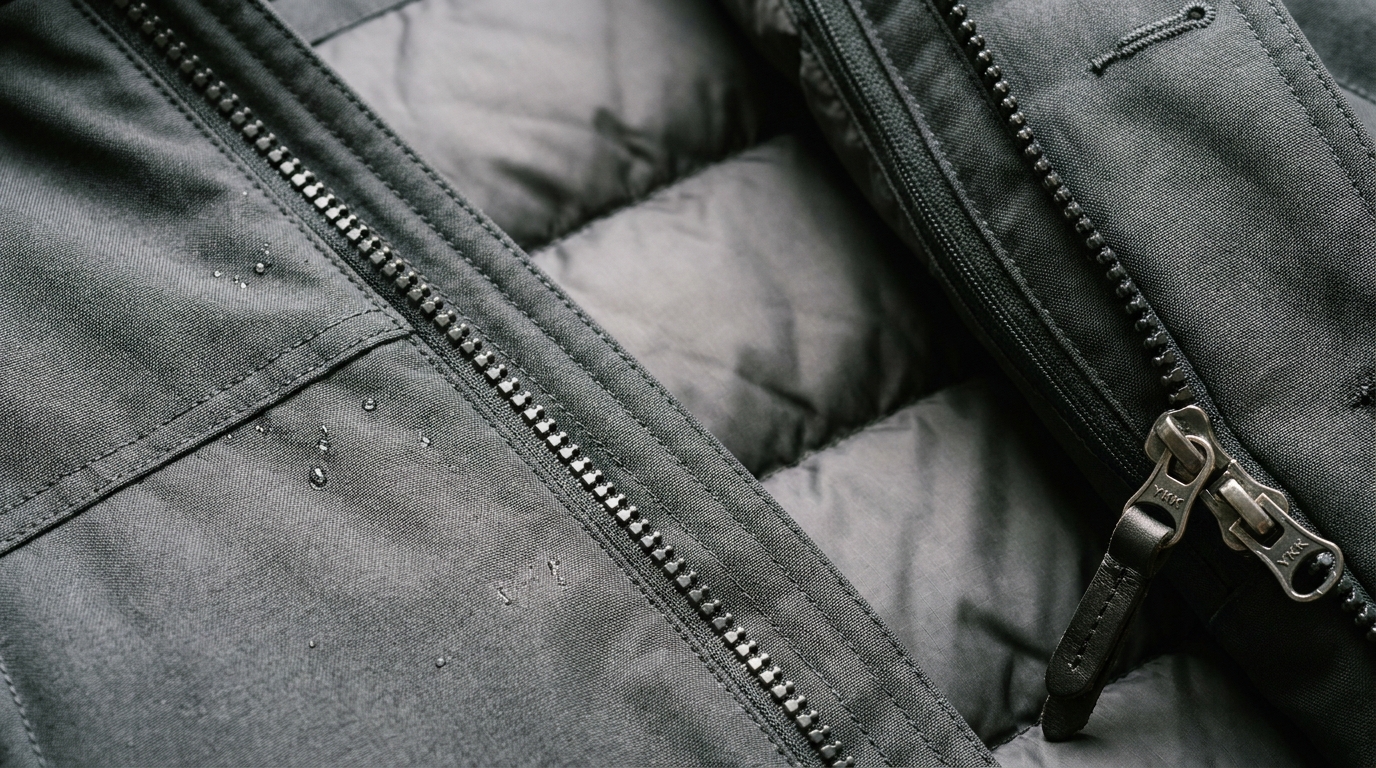
We just discussed how proper sizing prevents you from compressing your insulating layers. Now that you know how to build a perfect layering system, you must shop wisely. When asking, “Which is Warmer, a puffer or a fleece jacket?”, actual garment quality matters immensely. A poorly made coat will leave you shivering regardless of the material.
Insights on Construction and Durability
Any professional jacket manufacturer will tell you that materials only tell half the story. Construction quality dictates how long your gear actually lasts. You should look closely at the stitching first. Poor stitching leads to leaking down feathers or unraveling seams. Check the zippers carefully before buying. High-quality hardware rarely snags or breaks during freezing weather. Premium materials also resist daily wear and tear beautifully.
Selecting the Right Fill Power
As we covered earlier, fill power measures how much air the down traps. But which rating do you actually need? If you live in a mild climate, a 600-fill puffer jacket works perfectly. It provides reliable everyday warmth for running errands. If you face extreme cold or travel frequently, look for 800-fill down. Premium fill gives you incredible heat retention without adding any unnecessary bulk.
Matching Fleece Density to Your Climate
We already explored how GSM impacts breathability and bulk. You must match this density directly to your local weather. A lightweight outdoor fleece jacket suits highly active pursuits perfectly. If you experience standard winter weather, choose midweight options instead. A 200-weight winter fleece jacket offers the absolute best versatility. It balances warmth and airflow beautifully for daily use. For severe static cold, you might want a heavyweight warm fleece jacket.
Evaluating Extra Protective Features
Beyond basic insulation, extra features heavily influence your overall warmth. Hoods trap escaping heat radiating quickly from your head. Adjustable drawcord hems seal out freezing updrafts very effectively. You should also look for a Durable Water Repellent (DWR) coating. This special treatment makes light rain bead up instantly. It protects your vulnerable down insulation from collapsing when damp.
| Key Feature | Why It Matters | Best Application |
|---|---|---|
| Premium Zippers | Prevents snagging and hardware failure | Long-term durability in freezing conditions |
| DWR Coating | Repels light rain and wet snow | Protecting down insulation from moisture |
| Adjustable Hems | Blocks cold updrafts from entering | High wind environments |
| High Fill Power (800+) | Maximizes warmth-to-weight ratio | Backpacking and extreme alpine cold |
Conclusion
Puffers win for pure insulation in freezing weather.
Fleece jackets offer unbeatable breathability for active outdoor hobbies.
Invest in high-quality outerwear to stay comfortable this winter.
- Review your daily commute and local climate now.
- Match your jacket choice to your activity level.
- Buy both jackets to create a perfect layering system.
Frequently Asked Questions About Puffer and Fleece Jackets
Which jacket is better for rainy weather?
Fleece or synthetic puffers handle rain very well. Untreated down loses its heat completely when wet. Fleece absorbs a very small amount of water. It stays warm even if it gets damp. Synthetic puffers also keep you cozy in wet conditions. If you expect heavy rain, always pack a waterproof shell.
Will a puffer jacket make me look too bulky?
Some puffers give a puffy Michelin Man look. However, modern designs use clever stitching to reduce extra bulk. High fill-power down packs tightly while trapping massive heat. If you want a slim fit, try a lightweight fleece. Fleece jackets hug your body closer than puffy coats do.
Can I wash my puffer coat in a regular machine?
Yes, you can wash it in a standard machine. Always use a gentle cycle with cold water. You must use a special down wash like Nikwax. Regular detergent strips natural oils from the delicate feathers. Toss tennis balls into the dryer to fluff the insulation.
Is fleece warm enough for freezing winter temperatures?
A standard fleece is rarely warm enough for sub-zero weather. Wind easily blows right through its highly porous material. You will feel very cold if you stand still outside. To stay warm, wear a heavy fleece under a shell. A thick puffer jacket works much better for freezing days.
Why is my down jacket leaking feathers?
Feathers often leak through thin or cheap face fabrics. Many lightweight puffers use very thin nylon shells. Sharp feather quills can easily poke through this delicate material. Poor stitching along the baffles also causes annoying leaks. Push stray feathers back inside instead of pulling them out.
Puffer jackets offer unbeatable heat for cold, dry days. Fleece provides excellent breathability for active, sweaty outdoor adventures. Pick the right layer based on your local weather conditions.
- Check your local weather forecast before buying new outerwear.
- Layer a light fleece under a shell for hiking trips.
- Buy a high fill-power down coat for extreme cold.
- Use a special wash bag to clean synthetic fleece safely.