Spanish
  English
  French
  German
  Japanese
  Russian
  Portuguese

.jpg)
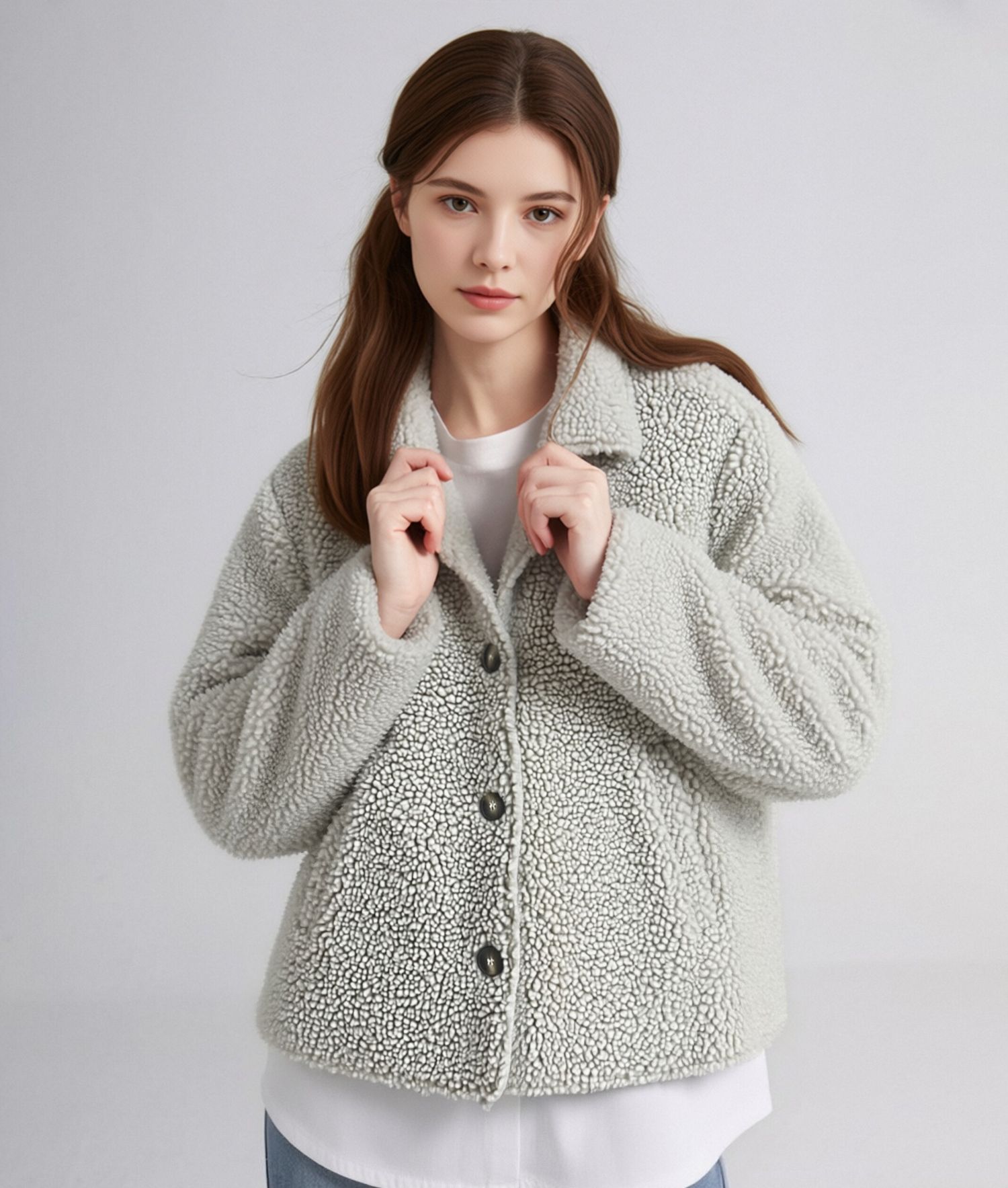
Winter weather demands the right outerwear. Yet, confusing terminology makes shopping difficult.
Are you choosing between a parka and a jacket? Though often confused, they serve distinct purposes.
In this post, you will learn their key differences. We will help you make an informed purchasing decision.
What is a Parka?
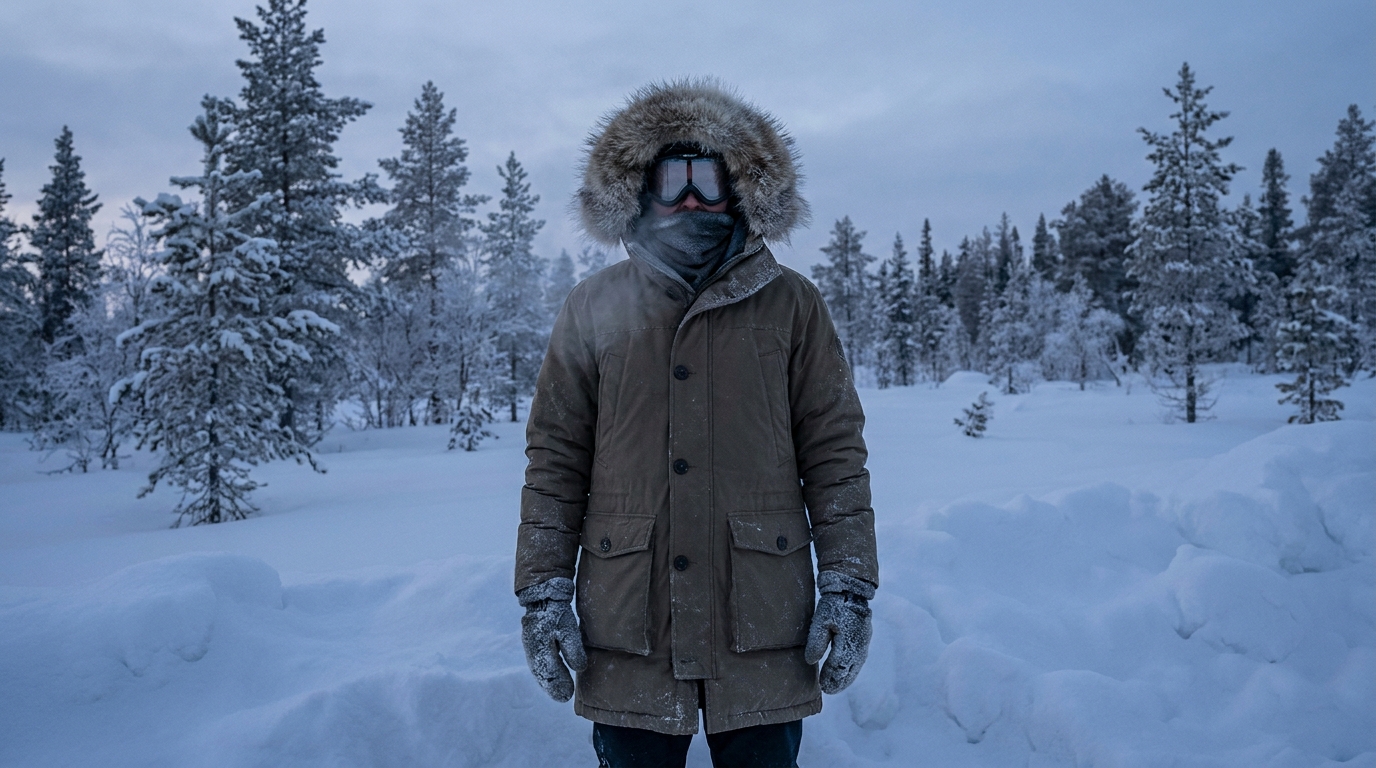
To understand the differences, we must first define the heavier option. A parka is a substantial winter coat engineered for extreme cold. It acts as a standalone shield against freezing temperatures. These garments easily handle harsh climates ranging from 0°C down to -40°C.
We owe this design to the Caribou Inuit. They originally crafted the “amauti” from seal or caribou skin. This early garment helped them survive brutal Arctic conditions. Today, modern winterwear builds directly on this survival legacy.
Defining Characteristics
When evaluating a parka vs jacket, you will notice distinct physical differences. Parkas are built to maximize heat retention over a larger portion of your body.
- Longer Length: They extend well past the waist. Most hit mid-thigh or reach the knees. This length triggers the “sit test.” If the coat bunches up when you sit, it is a parka. To fix this, they usually feature two-way zippers so you can open the bottom for leg mobility.
- Heavy Insulation: They pack serious warmth. You will find high-loft down (600–900 fill power) or dense synthetic fibers inside. Because of this heavy insulation, they often weigh between 2.5 and 5 pounds.
- Generous Hood: Expect a large, insulated hood attached to the collar. Many feature a real or faux-fur ruff. This trim creates a boundary layer of stagnant air to protect your face from frostbite.
- Durable Shell: The outer layer uses tough materials. It features wind-resistant and water-resistant fabrics to block the harshest elements.
Ideal Use Cases
When should you wear one? They excel in static situations or low-output activities. Think about waiting at a bus stop in sub-zero temperatures. They are perfect for commuting through heavy snowstorms. You wear them for prolonged outdoor exposure when staying warm is your top priority.
| Feature | Parka Specification |
|---|---|
| Temperature Rating | 0°C to -40°C (32°F to -40°F) |
| Length | Mid-thigh to knee-length |
| Hood Design | Attached, heavily insulated, often fur-lined |
| Zippers | Two-way zippers for sitting mobility |
What is a Jacket?
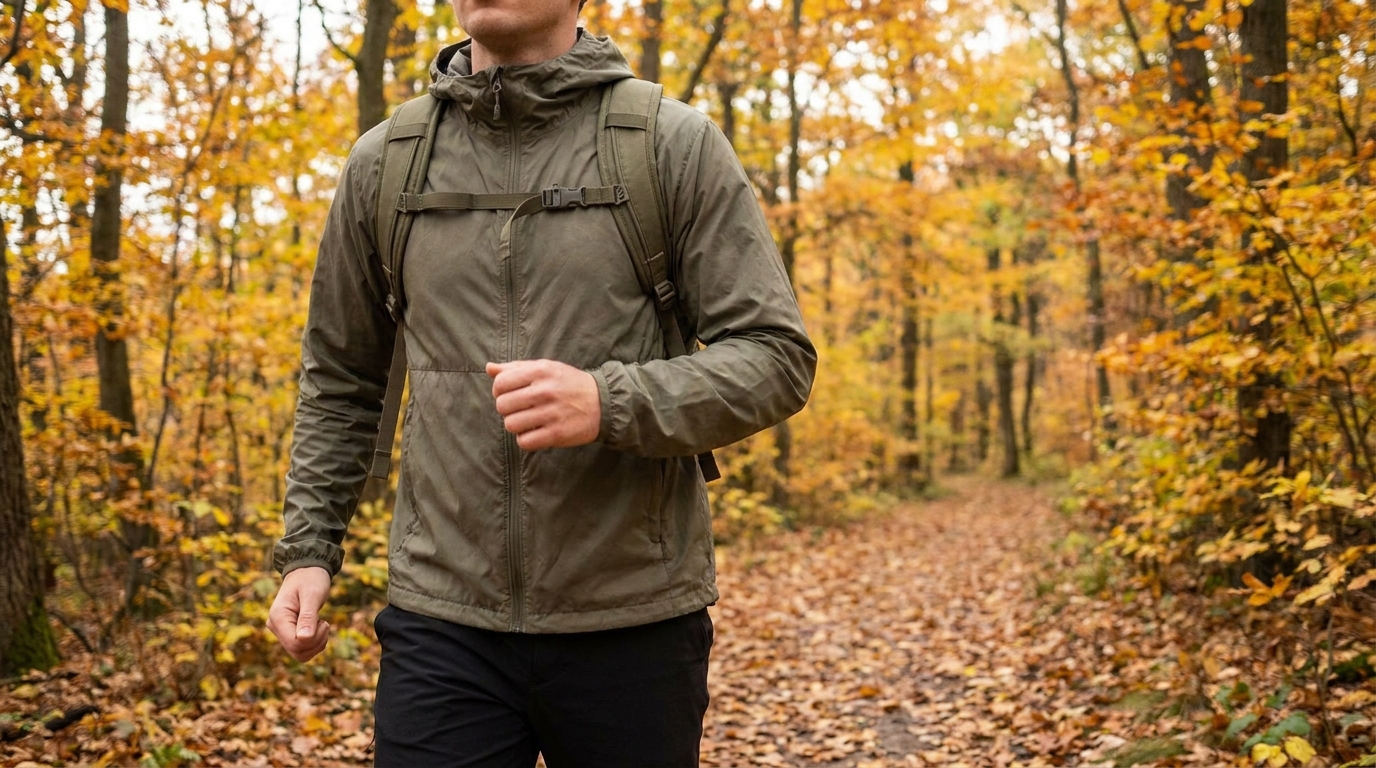
While the heavier option dominates sub-zero static situations, what do you wear when you need to move? This brings us to the other half of the parka vs jacket debate.
A jacket represents a much broader category of outerwear. It typically ends right at your waist or upper hips. Modern versions derive from military tunics and sporting blazers. Unlike the singular focus of a heavy winter coat, these garments offer immense versatility. You can find them in countless styles.
Popular options include puffer jackets, bomber jackets, windbreakers, fleece zip-ups, and rain shells. A reputable jacket manufacturer often produces several of these variations to meet different seasonal demands.
Defining Characteristics
These garments prioritize mobility and adaptability over absolute warmth. You will notice several distinct physical traits.
- Shorter Length: They feature a cropped cut at the waist or high hip. This design gives you maximum freedom of movement. You will not fail the “sit test” here. You can sit comfortably without unzipping the bottom.
- Variable Insulation: Insulation levels vary widely. You might choose a lightweight, unlined shell for rain. For colder days, you might pick a puffer featuring 40–100g of synthetic fill or 450–600 fill power down.
- Optional Hoods: Hoods are not mandatory. Many designs feature sleek stand collars instead. If a hood is present, it is often thin, uninsulated, or easily stowable inside the collar.
- Lighter Weight: They are significantly lighter than their Arctic counterparts. Technical versions generally weigh between 0.5 and 2 pounds.
Ideal Use Cases
When is this your best choice? They shine in mild to moderate cold. Expect them to perform perfectly in temperatures ranging from 15°C down to 0°C.
They dominate transitional seasons like fall and spring. Because they allow heat to escape easily, they are perfect for high-energy outdoor activities. You should grab one for autumn hiking, spring rainstorms, or high-intensity skiing. They also work perfectly for casual everyday wear.
As we covered earlier, outerwear often functions as part of a broader system. Jackets excel at layering. You can easily pair a waterproof shell over a warm fleece mid-layer depending on the daily forecast.
| Feature | Jacket Specification |
|---|---|
| Temperature Rating | 15°C to 0°C (59°F to 32°F) |
| Length | Waist to high hip |
| Hood Design | Optional, thin, uninsulated, or stowable |
| Weight | 0.5 lbs to 2.0 lbs |
Parka vs Jacket: What Is the Difference in Design and Features?
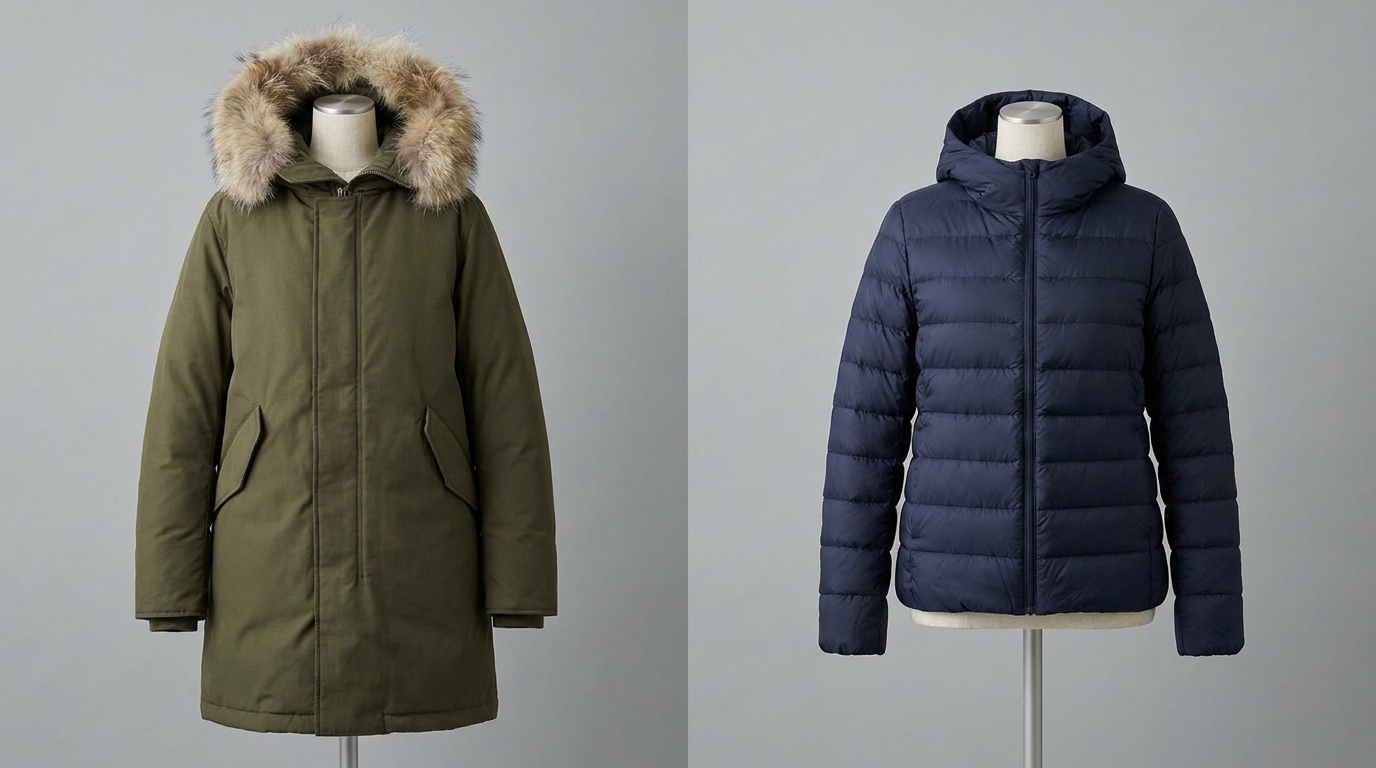
We just explored how jackets excel in layered systems while heavier coats act as standalone shields. So, when you compare a parka vs jacket, what is the difference in their actual construction? The answer comes down to specific design choices. Manufacturers build each garment to solve different weather challenges. Let us break down the five major physical contrasts.
Length and Coverage
Length is the most obvious visual distinction. A parka extends down to your mid-thigh or knees. This extended cut traps rising body heat. It also protects your vital organs and upper legs from freezing winds. A standard jacket stops right at your waist or high hip. This shorter cut leaves your lower body completely exposed to the cold.
Warmth and Insulation Profiles
Thermal retention varies wildly between the two categories. Parkas feature heavy-duty insulation. They use dense synthetic fibers or high-loft down. This creates a thick barrier against sub-zero temperatures. Jackets offer highly variable warmth levels. You might find a completely unlined rain shell. You could also choose a lightly insulated puffer. They prioritize breathability over absolute heat retention.
Hood Design
Head protection differs significantly across these garments. An insulated, fur-lined hood is a staple of parka design. As we covered earlier, this ruff creates a warm boundary layer around your face. Jackets treat hoods as optional features. Many designs skip them entirely. If they do include one, it is usually thin. You can often remove it or hide it inside the collar.
Weight and Packability
Heavy insulation adds noticeable bulk. A true winter parka often weighs between 2.5 and 5 pounds. You cannot easily fold or pack one away. Remember our storage tip from earlier. Never store these heavy down coats in compression sacks long-term. It permanently ruins their insulating power. Jackets are incredibly lightweight. Most technical shells weigh under two pounds. You can easily stuff them into a small backpack.
Physical Mobility
Your activity level dictates your choice here. A shorter jacket allows superior leg and torso mobility. Your arms can swing freely. You can bend at the waist without restriction. This makes them perfect for high-energy sports like skiing or climbing. A parka restricts your movement slightly. The longer cut and bulky sleeves limit your range of motion. However, they trade this mobility for maximum warmth during static activities.
| Design Feature | Parka | Chaqueta |
|---|---|---|
| Coverage | Mid-thigh to knees | Waist to high hip |
| Insulation | Heavy-duty thermal retention | Variable (unlined to medium fill) |
| Hood Style | Attached, insulated, fur-lined | Optional, removable, or stowable |
| Weight Profile | Bulky and heavy (2.5 – 5 lbs) | Lightweight and packable (0.5 – 2 lbs) |
| Mobility Level | Slightly restricted | Maximum freedom of movement |
Parka vs Jacket: Which One Should You Choose?
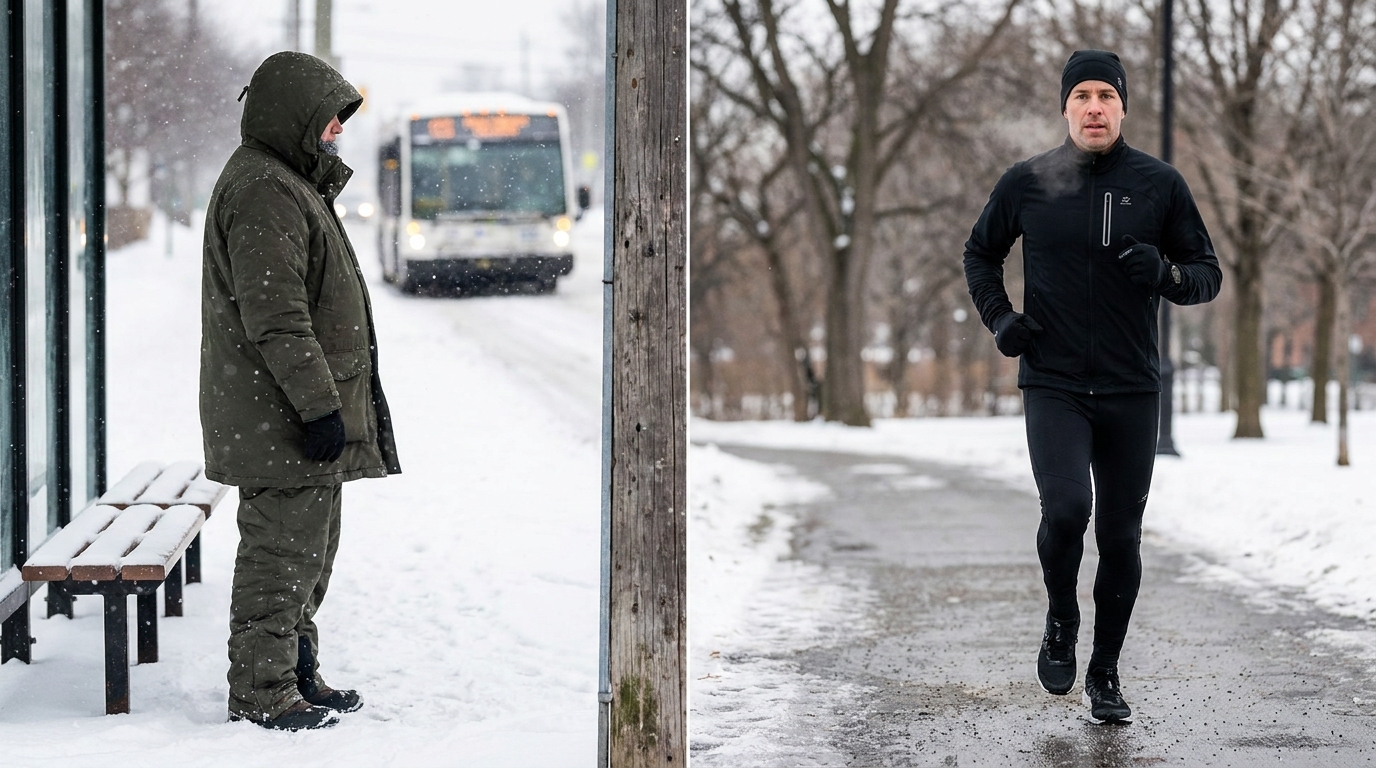
We just broke down the physical differences in design, weight, and mobility. Now you understand how manufacturers build these garments. But how do you decide which one belongs in your closet? When choosing between a parka vs jacket, your decision ultimately depends on your environment, daily routine, and personal style. Let us explore how to pick the right outerwear for your specific needs.
Assess Your Local Climate
Your daily weather serves as the biggest deciding factor. Do you live in a region facing brutal, sub-zero winters? If you regularly encounter freezing temperatures and heavy snowstorms, a parka is your best defense. As we covered earlier, its heavy insulation and extended length provide unmatched protection against extreme elements.
Conversely, you might live in a milder climate. If your local winters hover just above freezing, a heavy winter coat will cause you to overheat quickly. A jacket handles unpredictable transitional weather perfectly. It offers just enough protection for brisk autumn days or rainy spring afternoons without making you sweat.
Consider Your Activity Level
How you move matters just as much as the temperature outside. Think about what you will actually do while wearing the garment.
Are you heading out for a strenuous hike, a morning run, or a day of skiing? You need high breathability and freedom of movement. A jacket excels in these scenarios. Its shorter cut allows your legs and torso to move freely. It also lets excess body heat escape easily during high-output activities.
On the other hand, static activities demand maximum heat retention. Perhaps you spend your mornings waiting at a freezing bus stop. Maybe you walk your dog slowly through the city in deep winter. In these low-activity situations, you do not generate much body heat. You need the heavier coat to trap warmth and keep biting winds away from your core.
Style and Layering Preferences
Finally, think about how you prefer to dress daily. Outerwear plays a massive role in your overall wardrobe strategy.
Jackets are the ultimate tool for the layered look. They allow you to mix and match easily. You can throw a waterproof shell over a chunky wool sweater or a thermal mid-layer. If the afternoon sun warms things up, you simply peel off a layer to stay comfortable.
The heavier option takes a completely different approach. It functions as a convenient one-and-done solution. You do not need to overthink your indoor outfit. You can wear a simple t-shirt or a thin button-down shirt underneath. When you step outside, the coat does all the heavy thermal lifting. This makes it incredibly practical for quick trips out into the freezing cold.
| Decision Factor | When to Choose a Parka | When to Choose a Jacket |
|---|---|---|
| Local Climate | Sub-zero temperatures, heavy snow, harsh winds | Mild winters, unpredictable rain, transitional seasons |
| Activity Level | Static or low-output (commuting, spectating, slow walking) | High-output or active (hiking, running, skiing, climbing) |
| Wardrobe Style | Quick “one-and-done” outer layer over light indoor clothes | Building a flexible, multi-layered clothing system |
Sourcing Quality Outerwear: Insights from a Professional Jacket Manufacturer
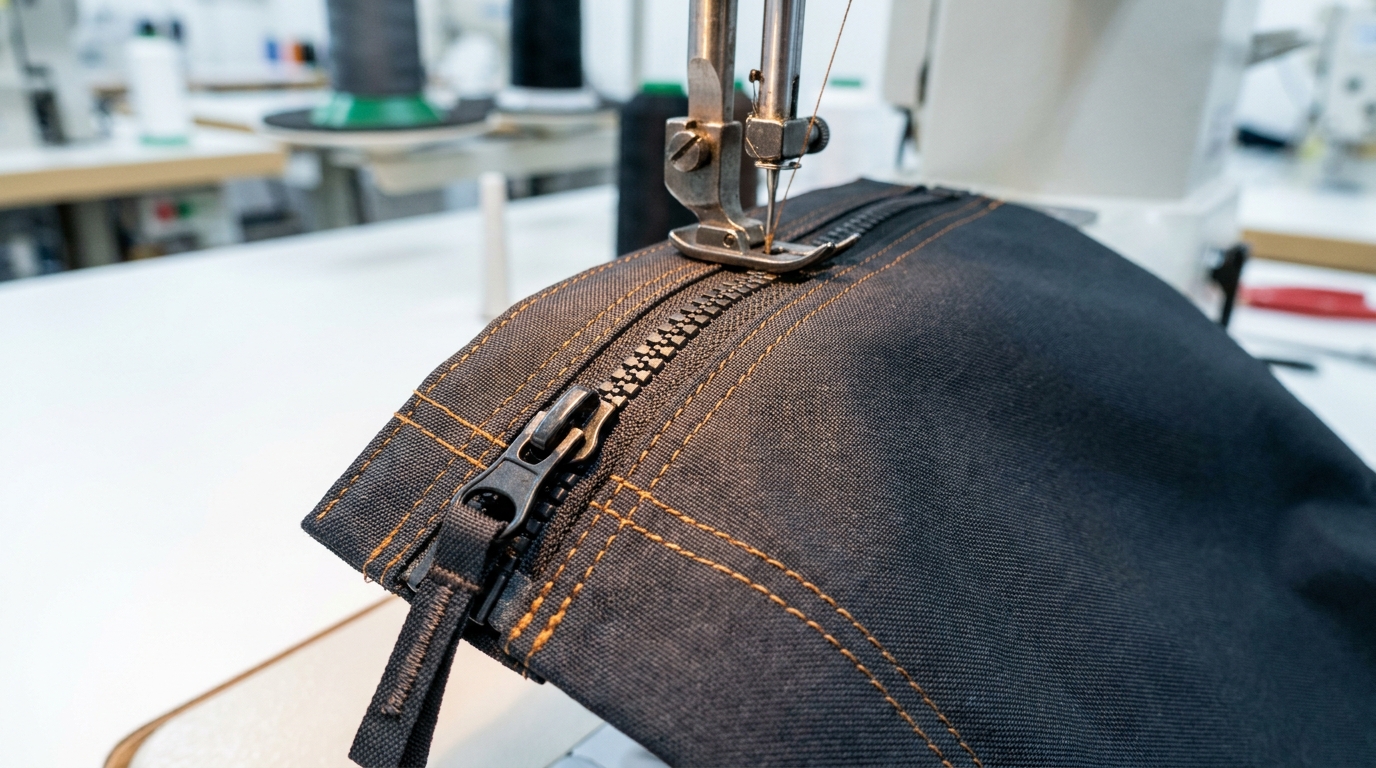
You now know how to choose the right outerwear based on your local climate and daily activities. However, making the right choice goes beyond picking a style. When you evaluate a parka vs jacket, construction quality matters immensely. A poorly constructed garment will fail when temperatures drop.
Cold spots develop if insulation clumps. Cheap seams let freezing wind pierce your layers. Superior construction ensures your outerwear actually delivers the protection it promises. The secret lies in the manufacturing process.
The Hallmarks of Premium Manufacturing
A top-tier manufacturer obsesses over every detail. They build garments to withstand harsh weather while maintaining a sharp appearance. You should look for four specific quality indicators.
- Durable Outer Shell Fabrics: High-quality coats use advanced textiles. Manufacturers select rugged ripstop nylon or membrane-backed waterproof fabrics. These materials block wind and repel heavy rain.
- Reliable Hardware: Zippers and snaps take constant abuse. Premium garments utilize heavy-duty, weather-resistant hardware. Remember the two-way zippers we discussed earlier? They must glide smoothly in freezing conditions.
- Precise Stitching: Seam construction determines weatherproofing. Professional makers use seam-sealed stitching. This prevents moisture from leaking through the needle holes.
- Ethical Insulation Sourcing: The fill material drives thermal performance. Responsible makers source high-loft down ethically. They also utilize advanced synthetic fibers holding their shape even after repeated compression.
Tailoring the Design Process
A reliable manufacturer approaches these two garment categories entirely differently. Building a heavy-duty winter shield requires different engineering than crafting a lightweight active shell.
For a heavy parka, safety and absolute warmth drive the design. The factory must reinforce the shoulder seams. These seams carry the heavy weight of dense insulation. They also design complex baffling systems. Baffles are internal pockets holding the down in place. Proper baffling prevents the heavy fill from sinking to the bottom hem.
Active jackets demand a completely different focus. Comfort and mobility take priority. Designers use ergonomic paneling. They shape the sleeves to follow the natural curve of your arms. They also integrate breathable fabrics under the arms or along the back. This allows excess body heat to escape during high-output activities.
Both processes must balance utility and modern fashion. A great coat protects you from elements while looking exceptionally stylish on city streets.
| Manufacturing Focus | Heavy-Duty Parka | Lightweight Active Jacket |
|---|---|---|
| Structural Engineering | Reinforced seams to support heavy insulation weight | Ergonomic paneling for maximum physical mobility |
| Insulation Management | Complex internal baffling to prevent cold spots | Minimalist quilting or unlined shell construction |
| Hardware Selection | Oversized, anti-freeze two-way zippers | Lightweight, low-profile waterproof zippers |
| Fabric Technology | Thick, abrasion-resistant outer shells | Highly breathable, stretch-woven technical fabrics |
Conclusión
Knowing the difference between a parka and a jacket helps you dress right. Your final choice depends heavily on your local climate and daily lifestyle. Pick a parka for ultimate cold-weather protection. Choose a well-made jacket for better versatility and mobility. You can also keep both options ready in your closet.
- Check your local winter weather forecast today.
- Evaluate your daily outdoor activity levels carefully.
- Try on both coat styles for optimal comfort.
Frequently Asked Questions About Parkas vs. Jackets
Is a parka too warm for mild weather?
Parkas are specifically built for extreme cold and sub-zero temperatures. They use heavy, high-loft insulation to trap your body heat effectively. Wearing a thick parka on a 40°F rainy day will definitely cause overheating. For mild autumn weather, a lighter technical jacket is a much better choice. Jackets offer breathable insulation for easy and quick temperature control. Save your thick winter parka for those truly freezing outdoor days.
Can you wear a parka over a business suit?
Yes, you can easily wear a long parka over professional business suits. Their extended length covers suit jackets perfectly without looking sloppy or messy. A high-quality parka keeps you incredibly warm during cold winter city commutes. However, some professionals still prefer classic wool overcoats for very formal settings. If you choose to wear a parka, always pick a solid neutral color. A simple, unbranded design looks very professional and clean in the workplace.
Why do parkas cost more than regular jackets?
Parkas require significantly more materials because of their extended mid-thigh length. They utilize high-loft down or heavy synthetic insulation for maximum winter warmth. Many premium parkas also feature protective fur ruffs and durable two-way zippers. These specialized premium details naturally drive up the overall manufacturing and production cost. In contrast, jackets use much less fabric and significantly lighter insulation materials. This fundamental difference makes standard technical jackets much cheaper to produce overall.
What is the main difference between an anorak and a parka?
An anorak is typically a casual pullover style of outerwear. It usually features a half-zip opening at the very top. Unlike anoraks, parkas almost always feature a full front zipper. This convenient full zipper makes a heavy parka easier to remove indoors. Both options can include warm hoods and excellent weatherproofing materials. However, a full-zip parka offers much better daily wearing convenience for most people.
Should I size up when buying a winter parka?
You usually do not need to size up winter parkas. These garments act as stand-alone solutions for extreme cold weather survival. You will likely wear just a single base layer underneath them. Conversely, jackets often require sizing up to comfortably fit multiple clothing layers. A closely fitted parka traps your natural body heat very efficiently. Always check the specific brand sizing guide before you finalize your purchase.
Parkas provide extreme warmth and cover your thighs. Jackets end at the waist for mild weather. Your choice depends on your local winter climate. A parka works best for freezing, static moments. Jackets are perfect for active, high-energy sports.
- Check local temperature averages before buying outerwear.
- Sit down in your coat to test mobility.
- Read labels to learn proper washing methods.
- Store down gear hanging up to maintain loft.