German
  English
  French
  Japanese
  Russian
  Spanish
  Portuguese
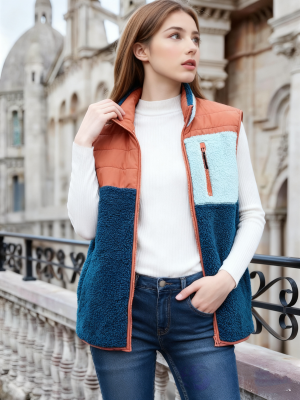
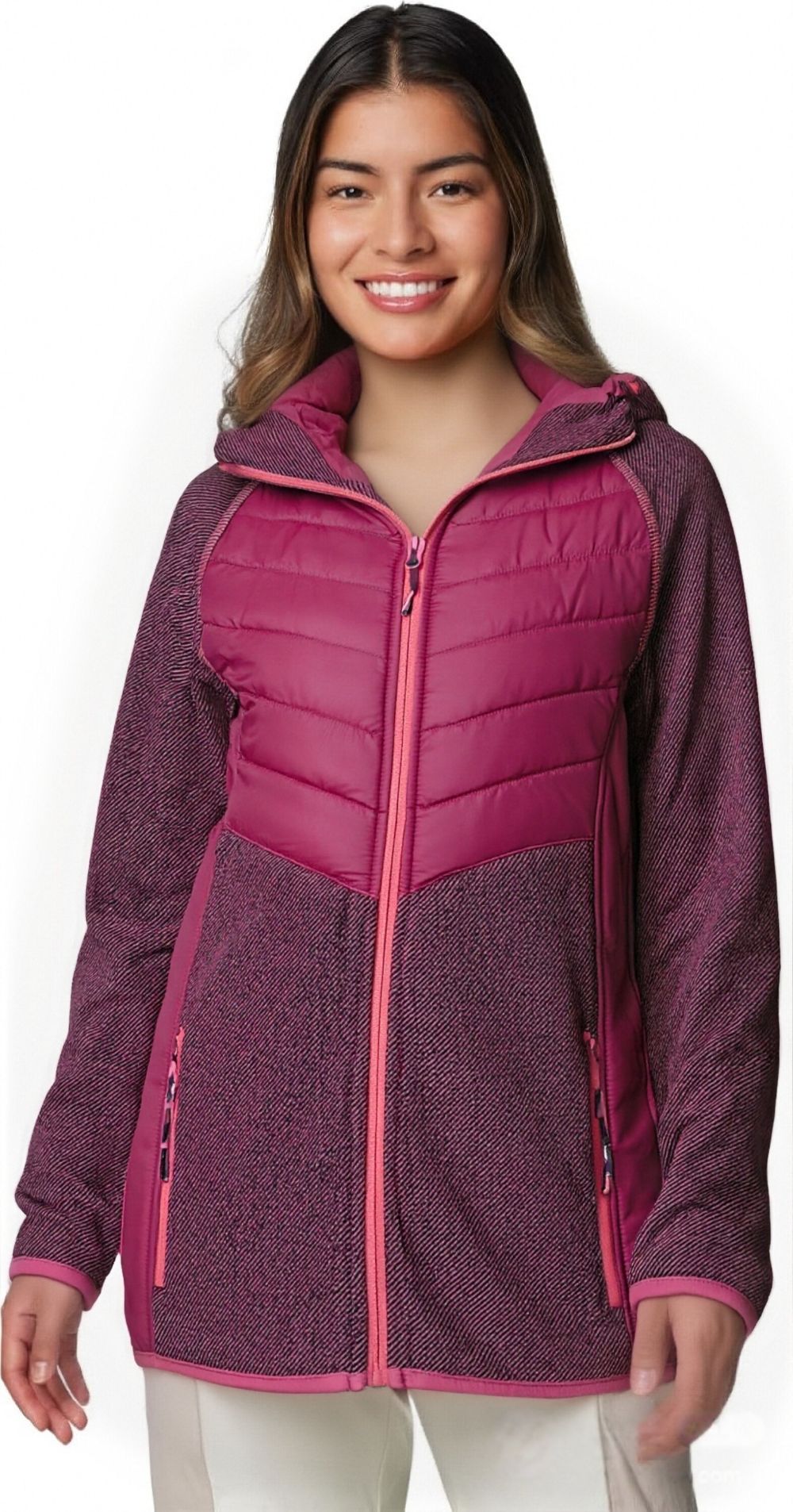
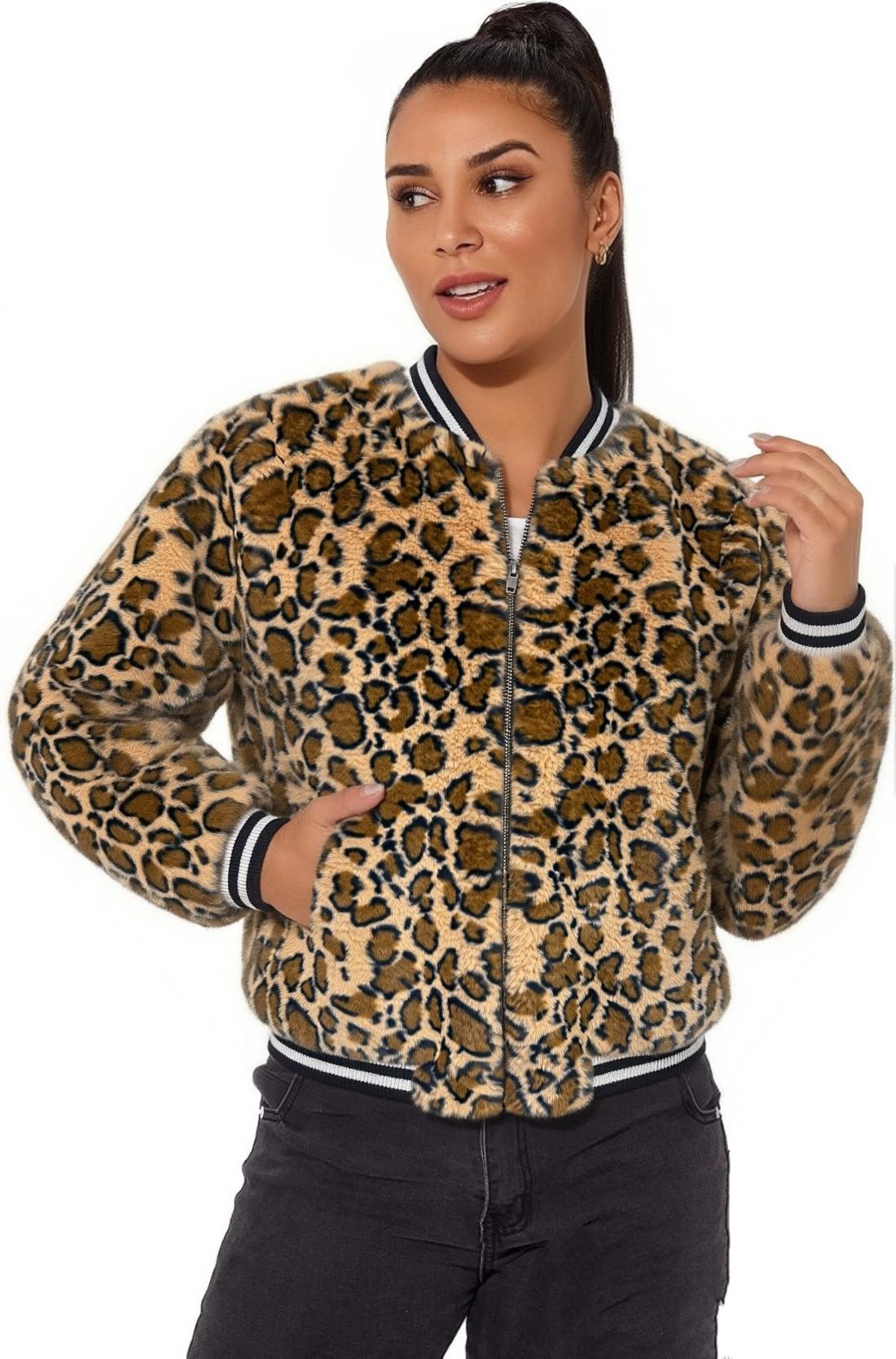
In today’s outerwear market, choosing between a quilted jacket and a puffer jacket can be confusing for both consumers and fashion brands. While these two jacket styles may appear similar at first glance, they differ significantly in construction, insulation, appearance, functionality, and manufacturing processes.
As global demand for lightweight functional outerwear continues to rise, many brands are turning to professional jacket manufacturer partners to develop customized collections that balance fashion, comfort, and performance. According to recent apparel industry reports, the global outerwear market is expected to continue growing steadily through 2027, driven by demand for versatile, sustainable, and seasonless garments.
For buyers sourcing products from a reliable quilted jacket supplier or an experienced puffer jacket manufacturer, understanding the difference between these two popular jacket categories is essential. This guide explores everything you need to know about the quilted jacket, including construction methods, insulation types, performance differences, style applications, manufacturing considerations, and current market trends.
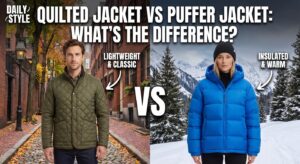
What Is a Quilted Jacket?
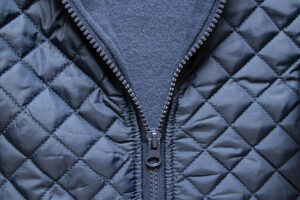
A quilted jacket is an outerwear garment made by stitching together multiple fabric layers in decorative or functional patterns. The quilting process creates padded sections that improve warmth, durability, and visual texture.
Traditionally, a quilted jacket contains three layers:
- Outer shell fabric
- Insulation or batting
- Inner lining
These layers are stitched together using geometric patterns such as diamonds, squares, channels, or waves. Unlike heavily insulated winter coats, a quilted jacket is often lightweight and designed for transitional weather or layering.
Today, the quilted jacket has become one of the most versatile outerwear categories in both fashion and outdoor markets. Many brands collaborate with an experienced jacket manufacturer to create customized quilted designs for urban wear, equestrian apparel, corporate uniforms, and premium lifestyle collections.
Common Features of a Quilted Jacket
| Feature | Beschreibung |
|---|---|
| Construction | Stitched layered fabric |
| Weight | Lightweight to midweight |
| Insulation | Thin batting or padding |
| Style | Fashion-forward and versatile |
| Best Use | Fall, spring, layering |
| Popular Patterns | Diamond quilting, channel quilting |
The modern quilted jacket is especially popular because it combines elegance with functionality. Minimalist aesthetics and lightweight comfort have made this style a key trend in recent fashion collections.
What Is a Puffer Jacket?
A puffer jacket is a heavily insulated outerwear garment characterized by large padded sections filled with down or synthetic insulation. The jacket’s signature “puffy” appearance comes from oversized baffles that trap warm air and provide excellent thermal performance.
Unlike a quilted jacket, a puffer jacket focuses primarily on insulation and cold-weather protection. This makes it ideal for winter conditions, outdoor activities, and technical performance wear.
A professional puffer jacket manufacturer typically uses specialized filling equipment to distribute insulation evenly throughout the garment. High-quality puffers often include advanced features such as:
- Water-resistant coatings
- Windproof membranes
- Recycled insulation
- Seam sealing technology
- Lightweight shell fabrics
Common Features of a Puffer Jacket
| Feature | Beschreibung |
|---|---|
| Construction | Large insulated baffles |
| Weight | Midweight to heavyweight |
| Insulation | Down or synthetic fill |
| Style | Casual, sporty, outdoor |
| Best Use | Winter and cold climates |
| Warmth Level | High thermal insulation |
In recent years, oversized silhouettes and technical outdoor aesthetics have helped the puffer jacket become a mainstream fashion trend beyond performance wear.
Quilted Jacket vs Puffer Jacket: Key Differences
Although both jackets use padded construction, the differences between a quilted jacket and a puffer jacket are substantial.
1. Construction Method
The primary difference lies in how the insulation is secured.
A quilted jacket uses stitched quilting patterns to hold thin layers of batting in place. These stitching lines are visible and often decorative.
A puffer jacket, by contrast, uses larger fabric compartments called baffles. These baffles hold thick insulation materials such as down feathers or synthetic fill.
2. Warmth and Insulation
When it comes to thermal performance, the puffer jacket generally provides more warmth.
| Comparison Factor | Gesteppte Jacke | Pufferjacke |
|---|---|---|
| Warmth Level | Moderate | High |
| Insulation Thickness | Thin | Thick |
| Best Season | Spring/Fall | Winter |
| Layering Ability | Excellent | Moderate |
| Breathability | Better | Lower |
A lightweight quilted jacket works well in mild climates or as a layering piece, while a puffer jacket is designed for colder temperatures.
3. Style and Appearance
The quilted jacket usually offers a more refined and tailored look. It is commonly used in smart casual fashion, business outerwear, and heritage-inspired collections.
Meanwhile, the puffer jacket tends to create a bulkier silhouette associated with sportswear and outdoor fashion.
Many premium fashion brands now combine both aesthetics by developing hybrid jackets with quilted panels and puffer insulation zones. This has become a growing trend among innovative jacket manufacturer companies.
4. Weight and Packability
A lightweight quilted jacket is easier to fold, pack, and carry. It is often chosen for travel and daily commuting.
Modern ultralight puffer jacket designs have improved significantly, but they are still generally bulkier than a quilted jacket.
Which Jacket Is Better for Different Applications?
Choosing between a quilted jacket and a puffer jacket depends largely on intended use.
Best Uses for a Quilted Jacket
A quilted jacket is ideal for:
- Transitional weather
- Urban fashion
- Corporate uniforms
- Layered outfits
- Travel wear
- Lightweight outdoor activities
Because of its versatility, many fashion brands work closely with a professional quilted jacket supplier to develop customized seasonal collections.
Best Uses for a Puffer Jacket
A puffer jacket performs best in:
- Cold winter environments
- Snowy climates
- Outdoor sports
- Hiking and camping
- Ski wear
- Technical outerwear
An experienced puffer jacket manufacturer can help brands optimize insulation performance while reducing garment weight.
Materials Used in Modern Quilted Jacket Production
Today’s quilted jacket manufacturing process involves a wide range of advanced materials and sustainable innovations.
Common Outer Shell Fabrics
- Nylon
- Polyester
- Recycled polyester
- Cotton blends
- Softshell fabrics
Common Insulation Materials
| Insulation Type | Advantages |
|---|---|
| Polyester batting | Affordable and lightweight |
| Recycled insulation | Sustainable option |
| Down alternative | Animal-friendly |
| Cotton padding | Soft and breathable |
Sustainability is becoming increasingly important in outerwear manufacturing. Many global brands now request eco-friendly fabrics and recycled insulation from their quilted jacket supplier.
According to recent industry trends, recycled polyester usage in outerwear production continues to grow rapidly due to consumer demand for environmentally responsible fashion.
Manufacturing Differences Between a Quilted Jacket and a Puffer Jacket
From a production perspective, these jacket categories require different manufacturing technologies.
Quilted Jacket Manufacturing Process
A professional jacket manufacturer producing a quilted jacket typically follows these steps:
- Fabric layering
- Quilting stitching process
- Pattern cutting
- Panel assembly
- Finishing and quality control
Quilting precision is extremely important because uneven stitching can affect both aesthetics and durability.
Puffer Jacket Manufacturing Process
A puffer jacket manufacturer generally uses more specialized equipment.
Key steps include:
- Baffle construction
- Down or synthetic filling
- Insulation distribution
- Compression testing
- Thermal performance testing
The filling process requires careful calibration to ensure consistent warmth across the garment.
Latest Trends in the Quilted Jacket Market
The global outerwear market is evolving quickly, and the quilted jacket category continues to expand due to its flexibility and broad consumer appeal.
1. Sustainable Quilted Jacket Development
Eco-conscious consumers are driving demand for:
- Recycled shell fabrics
- Bio-based insulation
- PFC-free water repellents
- Circular fashion initiatives
Many brands now prioritize sustainable sourcing when selecting a quilted jacket supplier.
2. Lightweight Functional Outerwear
Modern consumers prefer garments that combine:
- Lightweight comfort
- Weather resistance
- Layering flexibility
- Minimalist aesthetics
This trend has significantly increased the popularity of the lightweight quilted jacket.
3. Technical Fashion Integration
Technical outerwear is no longer limited to outdoor brands. Fashion labels are increasingly incorporating:
- Seam-taped construction
- Water-resistant fabrics
- Thermal insulation
- Utility-inspired design
As a result, many companies are partnering with innovative jacket manufacturer factories capable of combining fashion design with performance functionality.
How to Choose the Right Manufacturer
Whether you are developing a quilted jacket collection or sourcing winter outerwear, choosing the right manufacturing partner is critical.
Important Factors to Consider
| Factor | Why It Matters |
|---|---|
| Technical capability | Ensures product quality |
| MOQ flexibility | Supports brand growth |
| Fabric sourcing | Improves customization |
| Sustainability certifications | Meets global standards |
| Sampling efficiency | Speeds product development |
| Quality control | Reduces defects |
A reliable quilted jacket supplier should also provide:
- OEM/ODM services
- Fabric recommendations
- Prototype development
- Trend insights
- Production scalability
Similarly, a professional puffer jacket manufacturer should understand insulation technology, thermal testing, and outdoor performance standards.
Schlussfolgerung
Both the quilted jacket and the puffer jacket play important roles in today’s outerwear industry, but they are designed for different purposes.
A quilted jacket offers lightweight comfort, versatile styling, and refined aesthetics, making it ideal for transitional weather and fashion-forward collections. In contrast, a puffer jacket focuses on maximum warmth and winter protection through heavy insulation and technical construction.
As outerwear trends continue evolving toward sustainability, lightweight functionality, and hybrid fashion-performance designs, the global demand for both categories is expected to grow steadily.
For brands looking to develop premium outerwear collections, partnering with an experienced jacket manufacturer, trusted quilted jacket supplier, or innovative puffer jacket manufacturer is essential for achieving quality, performance, and market competitiveness.
By understanding the differences between a quilted jacket and a puffer jacket, buyers and brands can make smarter sourcing decisions and create products that align with modern consumer expectations.