German
  English
  French
  Japanese
  Russian
  Spanish
  Portuguese
A high-quality leather jacket is more than just a fashion statement—it’s an investment piece that can last decades, develop a unique patina, and adapt to countless outfits. But with so many options on the market—from fast-fashion faux leather to luxury designer pieces—distinguishing between a durable, well-crafted jacket and a cheaply made one can be tricky. The key lies in understanding leather types, construction details, and brand credibility. In this guide, we’ll walk you through every step to find a leather jacket that combines style, durability, and value.
Start with the Leather: The Foundation of Quality
The type and quality of leather used are the most important factors determining a jacket’s longevity and appearance. Not all leathers are equal—each has unique properties that suit different styles and uses. Here’s how to identify the best options:
1. Full-Grain Leather: The Gold Standard
Full-grain leather is the highest quality leather available, made from the top layer of the hide that retains the natural grain, pores, and imperfections. This layer is the strongest and most durable part of the hide, and it develops a rich patina over time—growing softer and more unique with wear.
How to spot it: Look for natural variations in the grain (no two full-grain jackets are identical), slight blemishes (like small scars or wrinkles), and a matte to semi-gloss finish that doesn’t look overly uniform. When you press the leather with your finger, it should spring back slowly, leaving a temporary indentation—this indicates elasticity and quality. Full-grain leather is heavier than lower-grade options, so a jacket made from it will feel substantial but not bulky.
Best for: Classic styles like moto jackets, bombers, and field coats that you want to last 10+ years. It’s resistant to water and wear, making it suitable for daily use.
2. Top-Grain Leather: A Balanced Alternative
Top-grain leather is the second-highest quality, made by sanding off the top layer of the hide to remove imperfections. This process makes the leather smoother and more uniform in appearance, but it also slightly reduces durability compared to full-grain. It’s often treated with a protective finish to enhance water resistance and prevent staining.
How to spot it: The grain pattern is more consistent than full-grain, with fewer blemishes. It has a softer feel than corrected-grain leather but less texture than full-grain. When pressed, it still springs back, though not as slowly as full-grain. Top-grain leather is common in mid-range to high-end jackets, offering a balance of quality and affordability.
Best for: Those who want a polished, uniform look without the higher price tag of full-grain. It works well for sleek moto jackets and tailored leather blazers.
3. Avoid Corrected-Grain and Bonded Leather
Corrected-grain leather is made from the lower layers of the hide, which are sanded, embossed with a fake grain pattern, and coated with a thick finish. While it’s cheaper, the heavy coating cracks and peels over time, and it doesn’t develop a natural patina. Bonded leather (often labeled “genuine leather” to mislead consumers) is made from leather scraps glued together with synthetic materials—this is the lowest quality, with a short lifespan of 1-2 years.
How to avoid them: Check the label carefully—“corrected-grain” or “bonded leather” are red flags. If the leather looks overly perfect with a uniform, plastic-like finish, it’s likely corrected-grain. Bonded leather feels thin and stiff, and it may peel at the seams when flexed.
4. Leather Types by Animal: Fit for Purpose
The animal the leather comes from also affects its quality and characteristics:
-
Cowhide: The most common and durable leather type. It’s thick, strong, and resistant to wear—ideal for moto jackets and field coats. Full-grain cowhide is the most sought-after for its longevity.
-
Sheepskin/Lambskin: Soft, lightweight, and supple, with a fine grain. It’s perfect for fitted jackets, bombers, and luxury styles but is less durable than cowhide (prone to scratches). Look for full-grain lambskin for the best quality.
-
Goatskin: A middle ground between cowhide and lambskin—stronger than lambskin and softer than cowhide. It has a distinctive grain pattern and is resistant to water, making it great for everyday jackets.
-
Horsehide: Extremely durable and dense, with a smooth grain. It’s rare and expensive, often used in high-end moto jackets for its ability to withstand heavy use.
Inspect the Construction: Details That Define Durability
Even the best leather will fail if the jacket is poorly constructed. High-quality leather jackets are built with precision, using techniques that enhance durability and comfort. Here’s what to look for:
1. Stitching: Tight, Even, and Reinforced
Stitching is a telltale sign of quality. A well-made jacket will have:
-
Double stitching along stress points (shoulders, cuffs, hem, and pockets). This prevents the seams from splitting under tension.
-
Even spacing: Stitches should be consistent in length (2-3 stitches per centimeter) with no skipped stitches or loose threads.
-
Heavy-duty thread: The thread should be thick and made from synthetic materials (like polyester or nylon) that resist fraying and stretching. Cotton thread is a red flag—it breaks easily over time.
-
Hidden seams: Look for clean, finished seams on the inside of the jacket. Raw, unhemmed seams indicate rushed craftsmanship.
2. Hardware: Sturdy and Functional
The zippers, buttons, snaps, and buckles on a leather jacket should be as durable as the leather itself. Cheap hardware will rust, break, or wear out quickly, ruining an otherwise good jacket.
-
Zippers: Opt for jackets with YKK, Riri, or Talon zippers—these are premium brands known for smooth operation and durability. Test the zipper by opening and closing it repeatedly— it should glide easily without catching. Look for a zipper garage (a small fabric flap at the neck) to prevent the zipper from rubbing against your skin.
-
Buttons and snaps: Metal buttons and snaps should be heavy, with no sharp edges. They should fasten securely without popping open. Avoid plastic hardware—it’s prone to cracking.
-
Buckles and D-rings: These should be made from solid metal (not hollow) and attached with reinforced stitching. They should feel sturdy when adjusted.
3. Linings: Soft, Durable, and Well-Fitted
A high-quality lining protects the leather from sweat and friction, enhancing the jacket’s lifespan. It should also be comfortable against the skin.
Look for linings made from natural or high-quality synthetic materials like silk, cupro, or polyester satin. Avoid thin, scratchy linings—they’ll wear out quickly and irritate your skin. The lining should be securely stitched to the leather, with no loose edges or gaps. Check the armholes and neckline— the lining should fit smoothly, without bunching or pulling when you move your arms.
Some premium jackets have removable linings, which are ideal for transitional weather—look for this feature if you want versatility.
4. Seams and Edges: Finished to Perfection
The way seams and edges are finished reveals a manufacturer’s attention to detail. High-quality jackets will have:
-
Bound edges: The raw edges of the leather (at cuffs, hem, and neckline) should be bound with leather or fabric to prevent fraying.
-
Stitched hems: Hemlines should be double-stitched and even, with no unevenness or puckering.
-
Reinforced shoulder seams: Shoulders bear the brunt of wear, so look for extra stitching or a leather patch under the armpits to reinforce the seams.
Fit and Style: A Jacket That Works for You
A high-quality leather jacket should not only be durable but also fit well and suit your style. A poor fit will make even the best jacket uncomfortable to wear, reducing its value.
1. The Right Fit: Balanced and Mobile
Leather jackets should fit snugly but allow for movement. Here’s how to check the fit:
-
Shoulders: The shoulder seams should align with the edge of your shoulders—too wide, and the jacket will look boxy; too narrow, and it will restrict movement.
-
Sleeves: Sleeves should hit at the wrist bone, with enough room to wear a thin sweater underneath. When you raise your arms, the sleeves shouldn’t ride up past your elbows.
-
Torso: The jacket should follow your natural shape without being tight. You should be able to button or zip it up without pulling at the seams. For moto jackets, a slightly cropped length (hitting at the hip bones) is flattering and functional.
-
Armholes: High armholes restrict movement, so look for jackets with roomy armholes that let you move your arms freely.
Remember: Leather stretches slightly over time, so a jacket that’s a little snug (but not tight) will break in perfectly. Avoid jackets that are too loose—they won’t mold to your body and will look shapeless.
2. Classic Styles That Stand the Test of Time
Investing in a classic style ensures your leather jacket will remain fashionable for years. Here are the most timeless options:
-
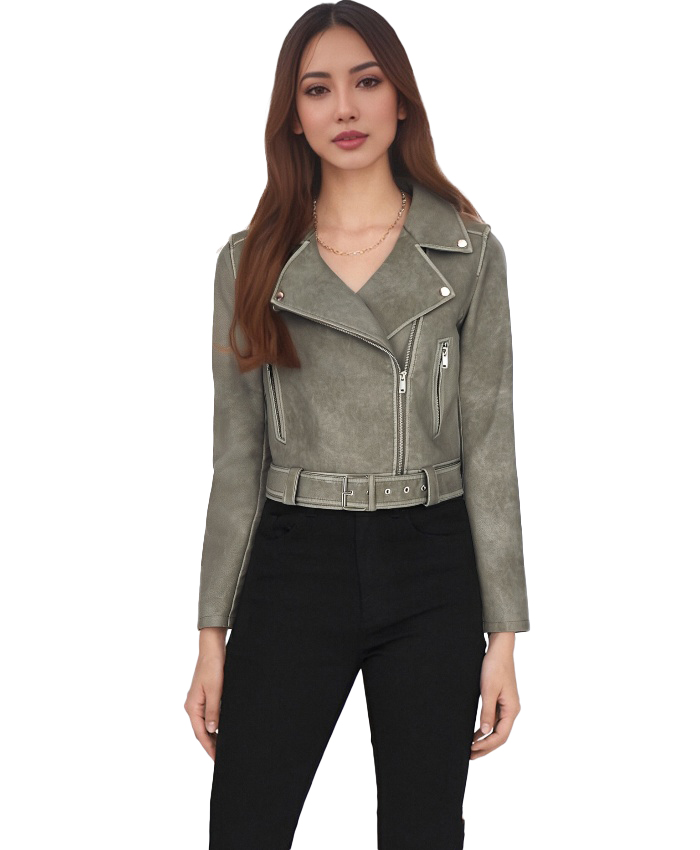
Moto Jacket: Characterized by asymmetrical zippers, snap-down lapels, and multiple pockets. Made from durable cowhide or horsehide, it’s perfect for edgy, everyday looks.
-
Bomber Jacket: A casual style with a ribbed collar, cuffs, and hem. Often made from soft lambskin or goatskin, it’s versatile enough for jeans or dresses.
-
Field Jacket: A structured style with a collar, multiple pockets, and a waist belt. Made from thick cowhide, it’s ideal for colder weather and outdoor use.
-
Leather Blazer: A tailored style that bridges casual and formal wear. Made from smooth top-grain leather, it works for office settings or date nights.
Brand and Price: Invest Wisely
While price isn’t always a direct indicator of quality, high-quality leather jackets require premium materials and skilled craftsmanship—so they won’t come cheap. Here’s how to navigate brands and pricing:
1. Trusted Brands for Quality
Brands with a reputation for leather craftsmanship are more likely to deliver a high-quality product. Some top options include:
-
Schott NYC: A heritage brand known for iconic moto jackets made from full-grain cowhide. Their Perfecto jacket is a classic that has been worn for decades.
-
AllSaints: Offers mid-range jackets made from top-grain leather, with a focus on modern, sleek designs.
-
Coach: Known for luxury leather goods, their jackets are made from full-grain lambskin or cowhide, with meticulous stitching and hardware.
-
Levi’s: A budget-friendly option for quality—their leather jackets are made from top-grain cowhide, with durable YKK zippers and classic styles.
-
Ralph Lauren: Offers premium full-grain leather jackets in classic styles like bombers and field coats, with timeless designs that hold value.
2. Price Ranges to Expect
A high-quality leather jacket will cost between $500 and $3,000+, depending on the leather type, brand, and craftsmanship:
-
$500-$1,000: Top-grain cowhide or lambskin jackets from brands like Levi’s or AllSaints. These offer good value for everyday use.
-
$1,000-$2,000: Full-grain cowhide or lambskin jackets from heritage brands like Schott NYC or mid-range luxury brands like Coach. These are investment pieces that will last 10+ years.
-
$2,000+: Luxury jackets from designer brands like Ralph Lauren or Saint Laurent, made from rare leathers like horsehide or full-grain lambskin with custom hardware.
Avoid jackets under $300—they’re almost always made from corrected-grain or bonded leather, with poor stitching and hardware that will fail quickly.
Final Tips: Test Before You Buy
Before making a purchase, use these final tests to confirm a jacket’s quality:
-
Smell the leather: High-quality leather has a natural, earthy smell. A strong chemical or plastic odor indicates synthetic materials or low-grade leather.
-
Flex the leather: Bend the sleeve or shoulder—high-quality leather will flex easily without creaking. If it feels stiff or cracks when flexed, it’s low-grade.
-
Check the label: Look for labels that specify “full-grain” or “top-grain leather.” Avoid labels that say “genuine leather” (often a euphemism for corrected-grain) or “man-made leather” (faux leather).
-
Ask about care: A reputable brand or retailer will provide care instructions for the leather. High-quality leather requires minimal maintenance (occasional conditioning) to last, while low-grade leather may need frequent repairs.
Schlussfolgerung
Finding a high-quality leather jacket requires patience and attention to detail, but the investment is worth it. By focusing on full-grain or top-grain leather, sturdy construction (double stitching, premium hardware, durable linings), a proper fit, and trusted brands, you’ll find a jacket that not only looks great but also lasts for decades. Remember, a good leather jacket isn’t just a piece of clothing—it’s a companion that develops character with every wear, adapting to your style and standing the test of time. With the tips in this guide, you’ll be able to shop with confidence, knowing you’re choosing a jacket that delivers on both quality and style.