German
 English
 French
 Japanese
 Russian
 Spanish
 Portuguese

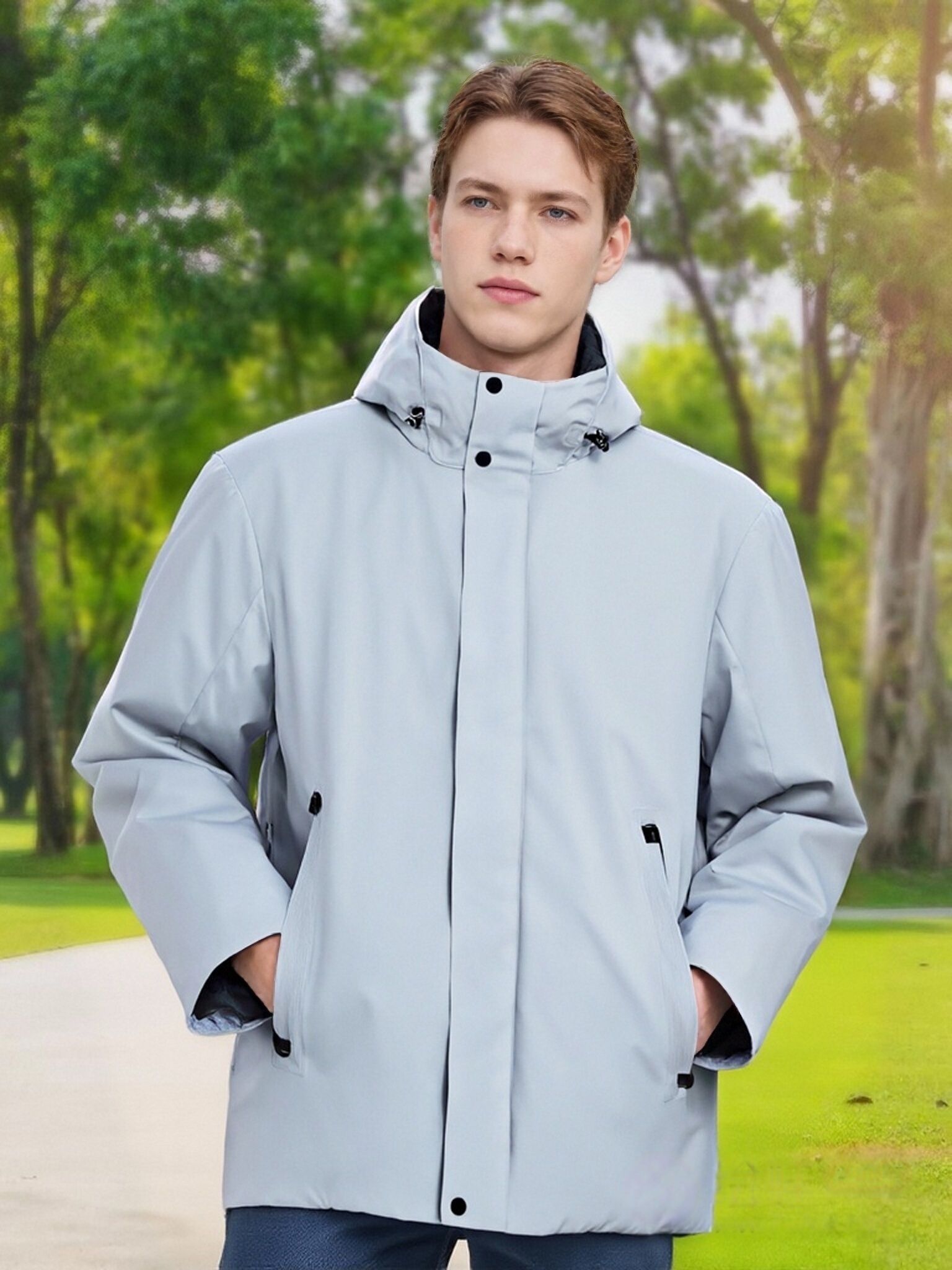
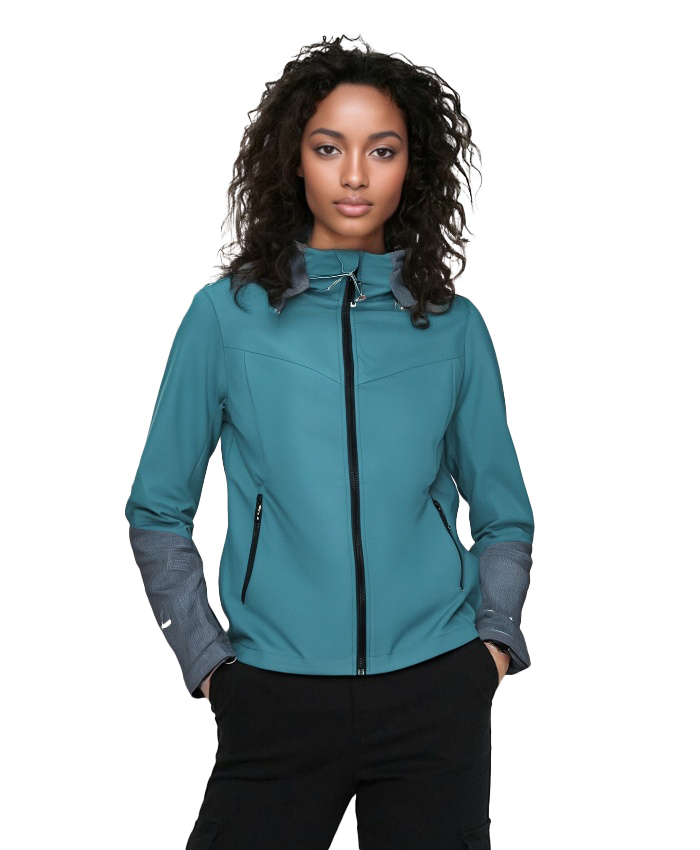
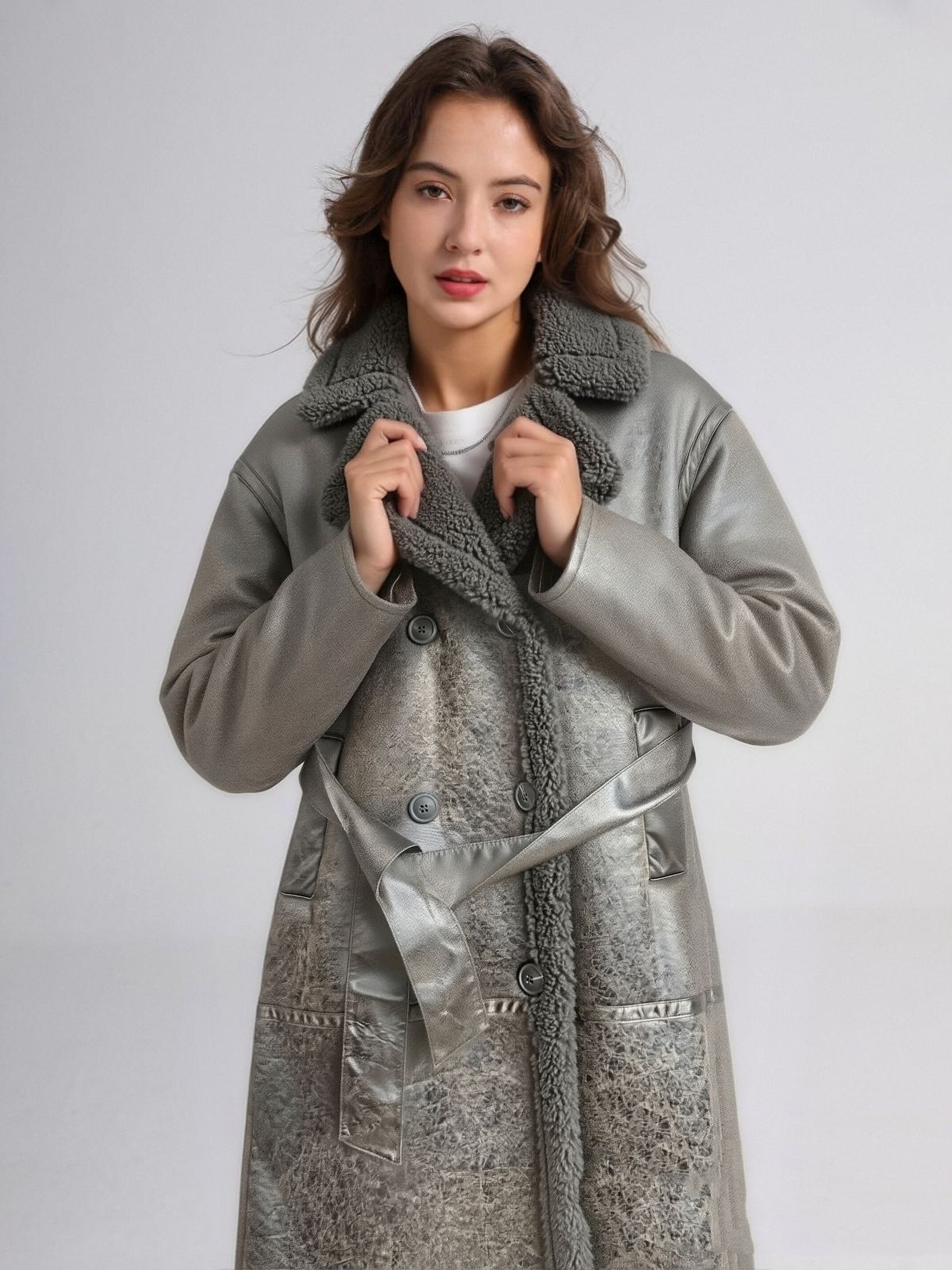
Have you ever wondered why puffer jackets are so incredibly warm?
These quilted winter staples trap heat like magic.
But what exactly goes into crafting them?
Knowing their construction helps you choose the perfect coat.
In this guide, you will learn exactly how puffer jackets are made.
The History and Evolution of Puffer Jackets
Before answering how are puffer jackets made today, we should look backward. Where did these iconic coats originate?
The story begins in the mid-1930s. An outdoorsman named Eddie Bauer took a winter fishing trip. He nearly died from extreme hypothermia. His heavy wool coat froze completely solid. He desperately needed a better winter alternative. He wanted something incredibly warm but very lightweight.
He remembered stories about Russian military gear. They used down feathers for extreme cold. He decided to experiment using these natural materials. He stuffed a basic jacket shell full of feathers. However, all the feathers sank straight to the bottom.
To fix this, he sewed diamond-shaped compartments. We call these stitched compartments baffles today. This clever design kept the insulation evenly distributed. He named his new creation the Skylark. It became the first quilted down jacket sold publicly.
Over the decades, the design evolved drastically. It started purely as functional outdoor survival gear. Mountaineers and skiers relied on it heavily. Eventually, the puffed style caught widespread attention.
By the 1990s, urban communities embraced the bubble coat. It quickly became a global streetwear staple. Today, high-fashion designers create highly stylized luxury versions. You can find them on winter runways everywhere.
If you want specific features today, options are endless. A modern jacket manufacturer can tweak every single detail. Companies regularly produce custom puffer jackets tailored for specific climates.
Let us compare the original 1930s design against modern versions.
| Feature | Original 1930s “Skylark” | Modern Puffer Jackets |
|---|---|---|
| Outer Shell Material | Basic cotton blends | Advanced Nylon or Polyester |
| Insulation Type | Natural goose down only | Natural down or synthetic fibers |
| Primary Purpose | Outdoor survival and utility | Streetwear, high-fashion, and sports |
| Weather Protection | Minimal water resistance | Highly water-resistant coatings (DWR) |
Key Materials: What Are Puffer Jackets Made Of?
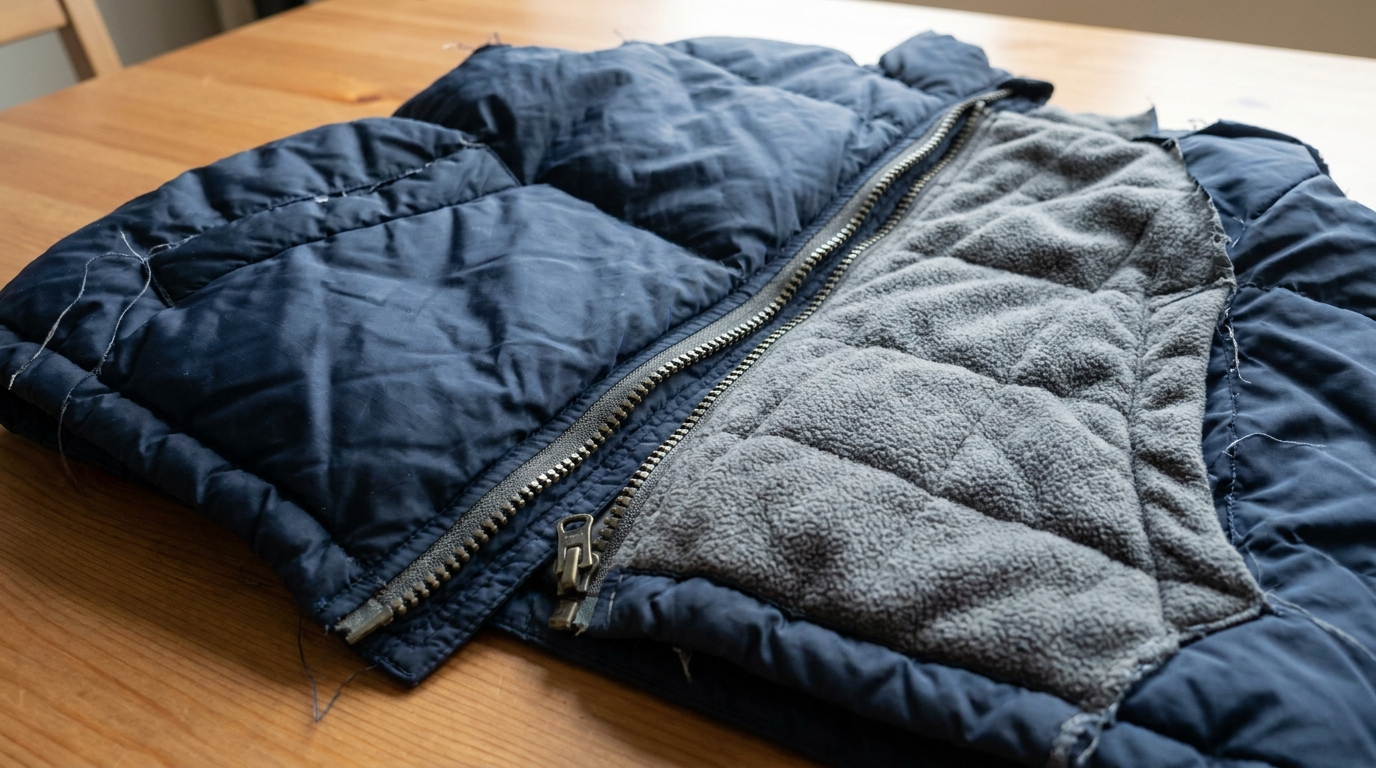
As we saw in the comparison table earlier, modern designs rely heavily on advanced fabrics. Understanding how puffer jackets are made requires looking closely at these specific components. Every single layer serves a distinct purpose. They work together to keep you incredibly warm and dry. Let us break down the exact materials used in production today.
Outer Shell Fabrics
The outer layer takes the most abuse. It must resist wind, rain, and daily wear. Manufacturers almost exclusively use synthetic fibers here. Nylon and polyester remain the top choices. These materials offer incredible durability while staying extremely lightweight. They also hold down feathers or synthetic fill tightly inside. This prevents the insulation from poking through the fabric over time. High-quality shells feel thin but resist tearing easily.
Weatherproofing
As we covered earlier, early designs lacked proper weather protection. Today, a chemical treatment changes everything. Factories apply a Durable Water Repellent (DWR) coating directly to the outer shell. This invisible layer makes water bead up and roll right off. It prevents the fabric from absorbing moisture. If the internal insulation gets wet, it loses its fluffiness and stops trapping heat. DWR keeps the jacket water-resistant and windproof. However, most standard puffers are not entirely waterproof. Heavy rain can eventually soak through the seams.
Inner Lining
The inside of the coat touches your body directly. Therefore, comfort becomes the main priority here. Factories use soft, breathable fabrics for this inner lining. It must wick away sweat and moisture efficiently. If you get too hot, you do not want to feel clammy. Often, this layer uses a softer, brushed polyester. It slides easily over your sweaters or winter shirts.
Hardware and Accessories
Fabric alone cannot lock in all your body heat. The hardware plays a massive role in thermal retention. Cold air easily sneaks through open gaps. To prevent this, designers add specific functional accessories.
- Zippers: Heavy-duty, wind-blocking zippers seal the front closure completely.
- Elastic Cuffs: Snug wrist bands trap heat securely inside the sleeves.
- Drawstrings: Adjustable cords at the hem pull the jacket tight against your waist.
- Snaps: Metal buttons often cover the main zipper for double wind protection.
| Jacket Component | Primary Material | Main Function |
|---|---|---|
| Outer Shell | Nylon or Polyester | Provides durability and contains the fill |
| Weather Coating | DWR (Durable Water Repellent) | Blocks wind and repels light rain |
| Inner Lining | Brushed Polyester | Wicks moisture and ensures comfort |
| Hardware | Metal or Plastic | Seals gaps to prevent heat loss |
The Insulation: The Heart of the Puffer Jacket
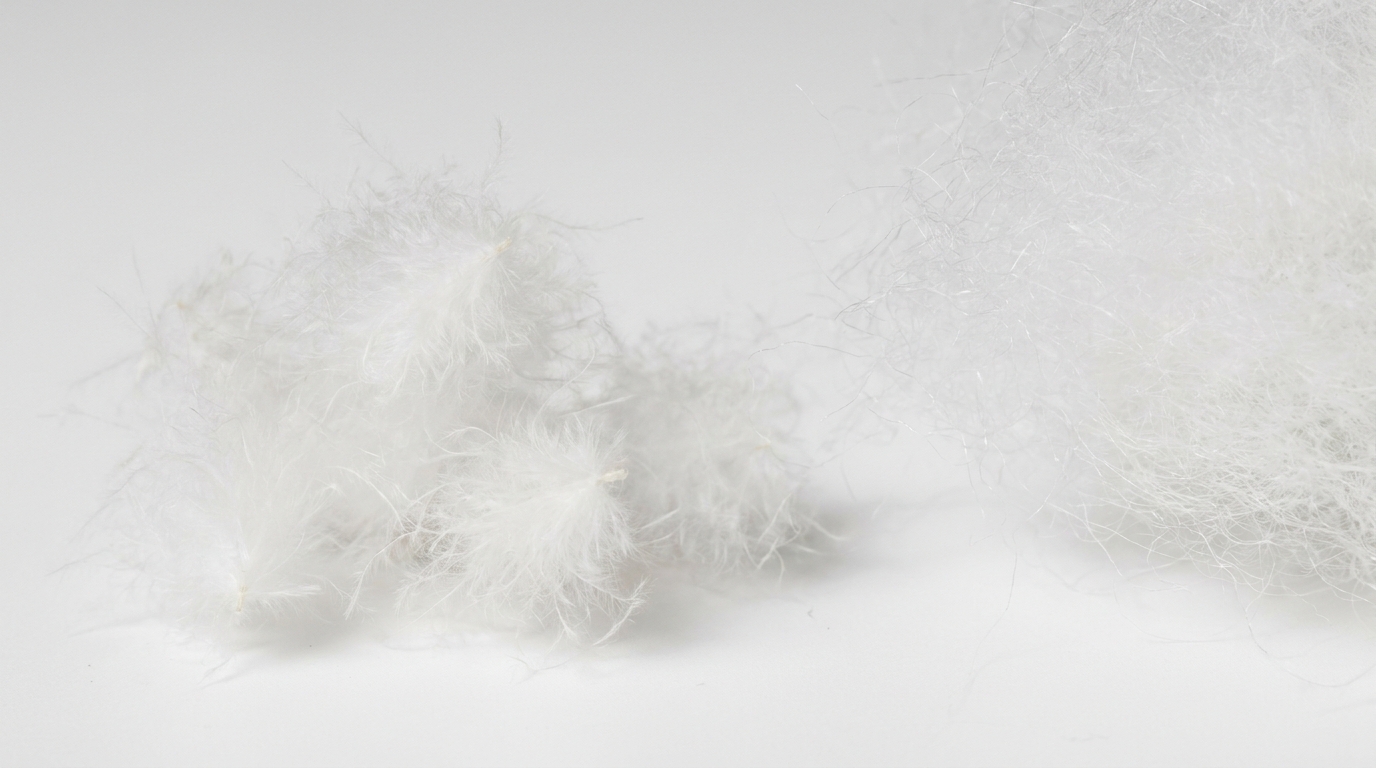
While durable shells and snug hardware lock cold air out, they do not actually generate warmth. That job belongs entirely to the filling inside. When asking how are puffer jackets made, understanding this insulation is absolutely crucial. The filling creates the signature puffed look. It also physically traps your body heat. Today, factories rely on two primary materials to stuff these winter coats.
Natural Down Insulation
For decades, natural down has set the gold standard for winter apparel. This material comes from the soft under-feathers of ducks or geese. These fluffy clusters trap thousands of tiny air pockets. Your body heat warms this trapped air. This creates a highly effective thermal barrier against freezing temperatures.
Down offers an exceptional warmth-to-weight ratio. It feels incredibly light on your shoulders but keeps you fiercely warm. It also compresses very easily. You can pack a thick down coat into a tiny travel bag. However, as we covered earlier regarding outer shells, moisture remains a major threat. If natural down gets completely soaked, it loses its fluffiness. Once it loses this loft, it stops insulating entirely.
Synthetic Insulation
Scientists developed synthetic insulation to solve this exact moisture problem. Factories spin ultra-fine polyester fibers to create this filling. Brands like PrimaLoft engineer these man-made fibers to mimic natural down clusters. They trap heat very efficiently across the entire garment.
Unlike natural feathers, synthetic fill retains its warming properties when wet. If heavy rain pushes past the DWR coating, you will still stay warm. Synthetic options also appeal to buyers concerned about animal welfare. It feels slightly heavier and bulkier than natural down. Despite this, it provides reliable, affordable, and durable warmth for daily wear.
| Insulation Feature | Natural Down | Synthetic Insulation |
|---|---|---|
| Material Source | Duck or goose plumage | Spun polyester fibers |
| Warmth-to-Weight | Excellent (extremely light) | Good (slightly heavier) |
| Wet Performance | Poor (loses loft and heat) | Excellent (retains heat) |
| Compressibility | High (packs down very small) | Moderate (remains bulky) |
Understanding Fill Power and Fill Weight
You will frequently see two technical terms when shopping for these coats. Brands use “fill power” and “fill weight” to measure insulation quality. They sound very similar but measure completely different things. Understanding both helps you judge the true thermal efficiency of a garment.
- Fill Power: This measures the volume and fluffiness of natural down. It calculates how many cubic inches one ounce of down occupies. A higher number indicates better quality. High fill power traps more air. It offers greater warmth without adding extra weight.
- Fill Weight: This simply measures the actual physical amount of insulation inside the coat. It tells you exactly how heavy the filling is in ounces or grams.
A jacket might feature incredible 800-fill power down. However, if the factory uses a very low fill weight, it will not keep you warm in extreme cold. The warmest coats balance high fill power and adequate fill weight perfectly.
The Step-by-Step Process: How Are Puffer Jackets Made?
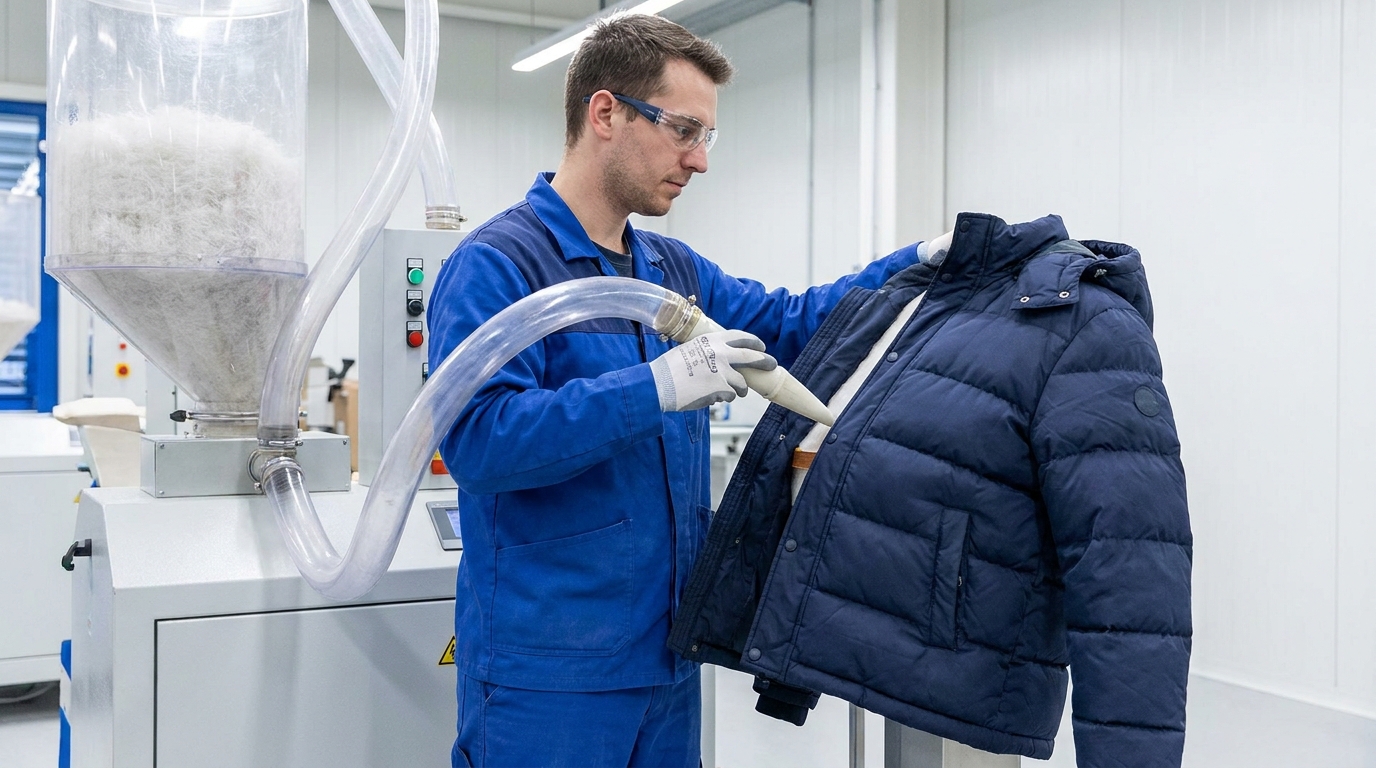
You now know exactly what materials keep you warm. You understand how factories balance fill power and fill weight. But how do these raw materials become a finished garment? Answering how are puffer jackets made requires looking at the actual manufacturing workflow. Every step requires precise engineering.
Design and Pattern Making
Every coat starts as a detailed blueprint. Designers sketch the style and determine the exact sizing. They map out where every baffle, zipper, and pocket will go. This creates the master pattern. It guides the entire production line. It dictates how the garment will fit and function.
Fabric Cutting
Next, factories roll out the chosen nylon or polyester. Precision machines or lasers cut the outer shell and inner lining materials. They follow the master pattern exactly. Laser cutting prevents the synthetic edges from fraying. This ensures the fabric holds up against intense daily wear.
Baffling and Quilting
This step creates the signature puffed look. As we covered earlier, baffles are stitched compartments. They prevent the insulation from sinking straight to the bottom. Factories use two main construction methods here to hold the insulation.
- Sew-through Construction: The machine stitches the outer fabric directly to the inner lining. It is very fast and keeps the coat lightweight. However, it pinches the insulation at the seams. This can create cold spots where body heat escapes.
- Box-Baffle Construction: Workers add a small fabric wall between the inner and outer layers. This creates a three-dimensional box. It allows the down to reach its maximum loft. It eliminates cold spots entirely for maximum thermal retention.
The Filling Process
Now comes the most critical step. Workers inject the exact measurements of down or synthetic insulation into each individual baffle. They use specialized blowing machines for this task. These machines weigh the fill precisely. This guarantees the coat matches its advertised fill weight perfectly.
Stitching and Sealing
Once filled, machines quickly stitch the baffles closed. This seals the compartments completely. It ensures the insulation stays evenly distributed over time. It prevents the filling from clumping at the bottom. High-quality coats use reinforced stitching here. This stops tiny feathers from poking through the seams later.
Assembly and Finishing Touches
Workers now sew the main pieces together. They attach the filled sleeves, collars, and hoods to the main body. Next, they insert the functional hardware. They add the heavy-duty zippers, snaps, and elastic cuffs we discussed earlier. The coat finally looks complete.
Quality Control
Before packaging, every garment undergoes rigorous testing. Inspectors check the seam strength thoroughly. They test zipper functionality repeatedly. They also examine the insulation consistency across the entire coat. They want to ensure no clumping occurred during assembly.
| Production Stage | Action Performed | Primary Purpose |
|---|---|---|
| Fabric Cutting | Laser cutting nylon or polyester | Creates clean, fray-resistant garment pieces |
| Baffling | Sewing compartments (Sew-through or Box) | Prevents insulation from shifting or sinking |
| Filling | Injecting down or synthetic fibers | Provides the actual thermal insulation |
| Assembly | Attaching sleeves, hoods, and hardware | Forms the final wearable jacket structure |
| Quality Control | Testing seams, zippers, and loft | Ensures durability and consistent warmth |
Partnering with a Reliable Jacket Manufacturer
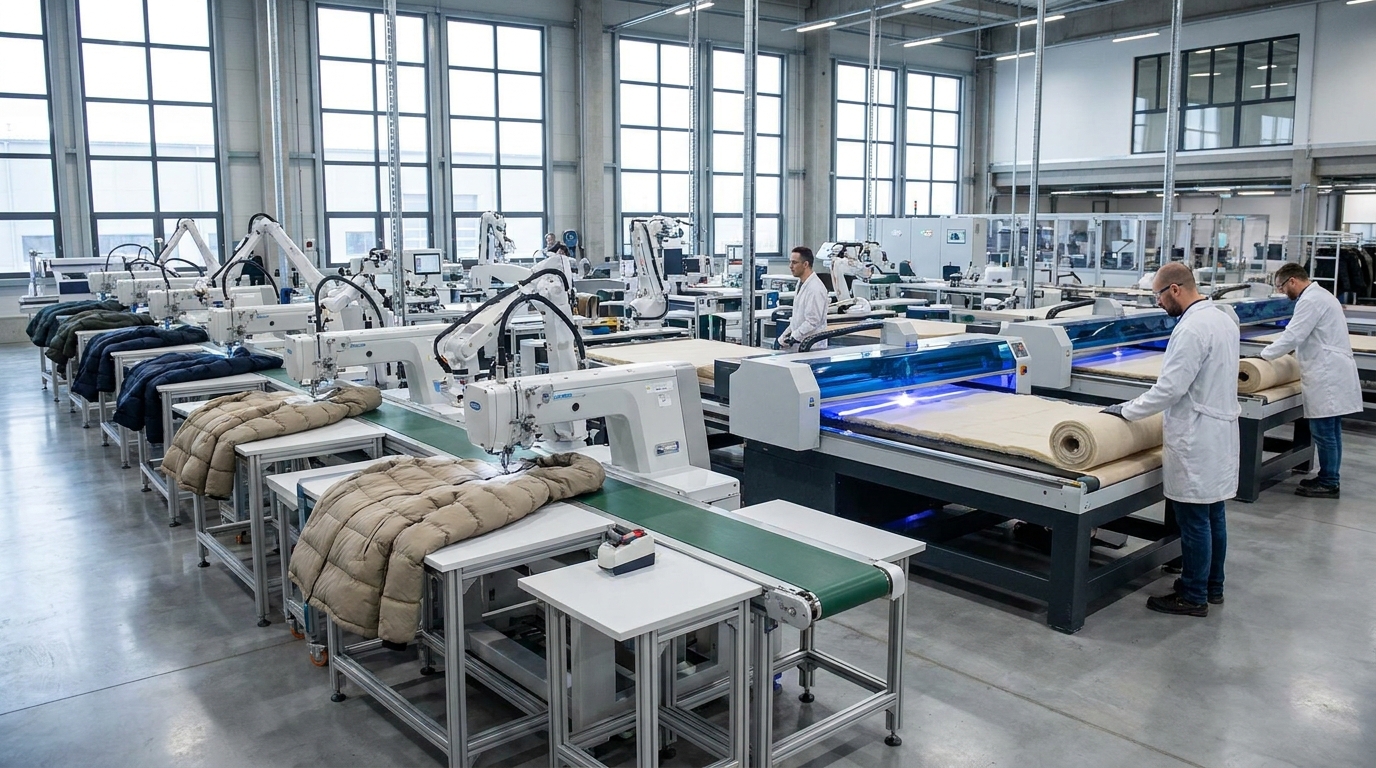
Quality control ensures every seam and zipper functions perfectly. But achieving this consistent quality at scale requires serious expertise. Understanding how puffer jackets are made is only the first step. You need the right production partner to bring these winter coats to life. A professional jacket manufacturer handles the complex transition from a single prototype to thousands of retail-ready garments.
Sourcing Premium and Ethical Materials
We discussed natural down and synthetic insulation earlier. Sourcing these raw materials responsibly is highly complex. A reliable factory maintains strong relationships with top global suppliers. They help fashion brands secure ethical down certifications. This guarantees no animals suffered unnecessary harm during feather collection.
If you prefer man-made options, they source high-performance polyester fibers. They ensure the synthetic fill mimics natural loft perfectly. They also procure the durable nylon and DWR coatings we covered earlier. Good sourcing directly impacts the final thermal retention and retail price.
Designing Custom Puffer Jackets
Fashion brands rarely buy off-the-shelf designs. They collaborate closely with factories to create custom puffer jackets. This partnership starts during the initial pattern-making phase. You bring a vision or a basic sketch. The production team translates it into a precise technical blueprint.
They advise on the best baffle shapes for your specific climate goals. Do you need a lightweight streetwear piece? Or do you require a heavy-duty mountaineering coat? The factory adjusts the fill weight and outer shell materials accordingly. This collaboration ensures the final product matches your exact brand identity.
Scaling Production with Advanced Techniques
Making one perfect coat is impressive. Manufacturing ten thousand identical coats requires advanced engineering. Factories use specialized techniques to scale production efficiently. Laser cutting ensures thousands of nylon pieces remain entirely fray-resistant. Automated blowing machines inject the exact same fill weight into every single baffle. This guarantees uniform warmth across your entire outerwear line.
These facilities also apply weatherproofing treatments consistently. They utilize reinforced stitching techniques on every single seam. This prevents the insulation from leaking out during heavy wear. By leveraging these advanced methods, a factory delivers high volume without sacrificing durability.
| Collaboration Area | Manufacturer’s Role | Benefit to Your Brand |
|---|---|---|
| Material Sourcing | Procures ethical down or synthetic fill | Ensures high-quality, responsible insulation |
| Design Translation | Turns sketches into technical patterns | Creates accurate, functional custom pieces |
| Volume Scaling | Uses automated cutting and filling machines | Delivers identical quality across thousands of units |
| Durability Assurance | Applies reinforced stitching and DWR coatings | Produces long-lasting, weather-resistant coats |
Down vs. Synthetic Insulation: Which is Better?
In the previous section, we explored how factories source premium materials. We discussed scaling production efficiently. We also briefly introduced natural feathers and man-made fibers. When examining how puffer jackets are made, choosing the right insulation remains your biggest decision. You might wonder which filling actually performs better. The answer depends entirely on your daily environment. Neither option is universally perfect. Let us compare them across four critical categories to help you decide.
Warmth and Weight
Natural down reigns supreme in extreme, dry cold. As we covered earlier regarding fill power, these natural clusters trap massive amounts of air. They provide unparalleled warmth without adding heavy bulk. A high-quality down coat feels practically weightless on your shoulders. Synthetic insulation simply cannot match this exact warmth-to-weight ratio. Man-made fibers require more physical material to achieve similar thermal retention. This makes synthetic coats feel noticeably heavier and slightly bulkier.
Wet Weather Performance
The story changes completely in damp, rainy climates. Here, synthetic insulation easily wins the battle. As we learned earlier, natural down loses its loft when soaked. Once those feathers collapse, they stop trapping your body heat completely. Factories apply DWR coatings to help, but heavy rain eventually breaks through. Synthetic fibers do not absorb water the same way. They retain their structure and keep you warm even when completely wet.
Price and Maintenance
Your budget and lifestyle also dictate the best choice. Natural goose or duck down costs significantly more to harvest and process. It also requires highly specific maintenance. You must wash it carefully using specialized down cleaners. You also need to tumble dry it using tennis balls. This restores the fluffiness and prevents annoying clumping. Synthetic options offer a much more cost-effective alternative. They are generally cheaper to produce. They are also much easier to wash and dry at home.
Ethical and Environmental Considerations
Modern consumers care deeply about how their clothes impact the planet. Natural down relies entirely on animal agriculture. Responsible brands combat animal cruelty by using certified materials. They rely on the Responsible Down Standard (RDS). This certification guarantees ducks and geese never suffer live-plucking or force-feeding. Synthetic insulation avoids animal use completely. However, factories produce it using petroleum-based plastics. To reduce this environmental impact, many companies now spin high-performance synthetic fibers from recycled plastic bottles.
| Feature | Natural Down | Synthetic Insulation |
|---|---|---|
| Warmth-to-Weight | Superior. Extremely warm and lightweight. | Good. Requires more bulk for equal warmth. |
| Wet Weather | Poor. Clumps and loses heat when wet. | Excellent. Retains body heat even when soaked. |
| Price Point | Higher cost due to complex harvesting. | More affordable and budget-friendly. |
| Maintenance | Requires special detergent and careful drying. | Easy to machine wash and dry at home. |
| Ethics & Environment | Look for RDS certification for animal welfare. | Look for recycled fibers to reduce plastic waste. |
Puffer Jackets vs. Other Winter Coats
We just explored how different insulation types perform in wet or freezing conditions. You now know exactly how puffer jackets are made to trap body heat efficiently. But how does this specific quilted design stack up against other popular winter outerwear? Choosing the right coat means understanding your daily environment and activity levels. Sometimes, a lightweight bubble coat is exactly what you need. Other times, a completely different style might serve you better. Let us compare the classic puffer against three other common winter jackets.
Puffer Jackets vs. Parkas
Parkas and puffers both offer excellent winter protection. However, they serve slightly different purposes. A parka typically falls well below the waist. It often reaches the mid-thigh or knees. This longer length provides superior wind protection for your lower body. Manufacturers usually build parkas using heavier, stiffer outer shells. They also frequently feature large hoods lined in faux fur. This makes them significantly heavier and bulkier than puffers.
In contrast, puffers prioritize a high warmth-to-weight ratio. As we covered earlier, their baffled construction traps heat using incredibly light materials. They usually stop right at the waist line. This shorter length allows for much better physical mobility. Choose a parka for standing still in brutal, windy conditions. Grab a puffer for active winter days where you want lightweight comfort.
Puffer Jackets vs. Wool Coats
Wool coats offer a completely different aesthetic. They provide a highly structured, formal look. Think of classic peacoats or long trench styles. People wear them over business suits or formal dresses. Wool naturally repels light moisture. It also blocks heavy wind very well. It remains a fantastic traditional material for urban environments.
However, wool is incredibly dense and heavy. It does not compress easily. You cannot stuff a thick wool peacoat into a small travel backpack. Puffers offer a much more casual, sporty vibe. They weigh a tiny fraction of what a wool coat weighs. Thanks to the down or synthetic fill we discussed earlier, they also provide significantly more actual warmth in sub-zero temperatures. Choose wool for formal city commutes. Rely on a puffer for maximum warmth and everyday casual wear.
Puffer Jackets vs. Softshell Jackets
Softshell jackets stretch easily and breathe exceptionally well. They use woven synthetic fabrics designed for intense physical activity. If you go cross-country skiing or winter hiking, softshells excel. They let your body sweat escape quickly. They block chilly winds and shed light snow effectively.
But softshells lack thick insulation. They do not have the stitched compartments or lofty fill found in puffers. If the temperature drops well below freezing, a softshell alone will leave you shivering. Puffers dominate when you need pure thermal retention. They trap static air to keep you warm when you are not moving fast. Many outdoor enthusiasts actually combine both styles. They wear a thin softshell over a highly compressible down jacket for ultimate versatility.
| Jacket Type | Primary Benefit | Weight & Mobility | Best Environment |
|---|---|---|---|
| Pufferjacke | Maximum warmth-to-weight ratio | Very light, highly mobile | Freezing temperatures, everyday casual use |
| Parka | Full body wind and weather coverage | Heavy, slightly restrictive | Extreme wind, standing still in brutal cold |
| Wool Coat | Structured, formal aesthetic | Very heavy, rigid | City commutes, professional settings |
| Softshell | High breathability and stretch | Light, maximum mobility | Active winter sports, mild cold |
Essential Buying Guide for Puffer Jackets
Now that you know how puffer jackets stack up against parkas and softshells, you might feel ready to shop. But picking the perfect coat requires a sharp eye. You already understand how puffer jackets are made. Now, you must apply that knowledge to evaluate retail options. A smart purchase balances your local weather, desired fit, and necessary features. Let us walk through exactly what to check before buying.
Assessing Your Climate and Insulation Needs
Start by looking closely at your local weather. Do you face dry, freezing winters or damp, rainy days? As we covered earlier, your climate dictates your insulation choice. Pick natural down for extreme, dry cold. It offers unbeatable warmth. Choose synthetic fill if you encounter heavy rain regularly. You also need to check the fill power. A 500-fill power coat works well for mild city winters. However, you want 700 to 800-fill power for sub-zero temperatures. Always remember higher fill power means more trapped air, not just more weight.
Evaluating the Fit for Layering
A warm jacket must fit correctly. You want enough room underneath for heavy winter sweaters. However, you do not want it looking overly bulky. A coat fitting too tightly compresses the baffles. This ruins the loft and stops the insulation from trapping heat. Try it on wearing your thickest hoodie. You should move your arms freely without the hem riding up. The shoulders should align naturally with your own. This ensures a flattering silhouette while maintaining maximum thermal retention.
Checking Functional Features
Small details make a massive difference in freezing weather. You should inspect the hardware closely. Look for two-way zippers first. They let you unzip the bottom while sitting down. This prevents the jacket from bunching up uncomfortably. Adjustable hoods are also crucial. They cinch tightly around your face to block howling winds. Do not forget to check the pockets. Fleece-lined pockets warm cold hands instantly. Finally, examine the baffles for reinforced stitching. This keeps the fill evenly distributed and prevents feathers from poking out.
Verifying the Outer Shell Durability
The outside layer takes a constant beating. You must verify its durability before buying. Look specifically for ripstop nylon or tough polyester blends. These advanced fabrics stop small tears from spreading further. Next, verify the weather resistance. As we discussed in the materials section, a reliable shell needs a Durable Water Repellent (DWR) coating. If you can, test a few drops of water on the sleeve. The water should bead up instantly. If the fabric absorbs it quickly, the coat will fail during a winter storm.
| Feature to Check | What to Look For | Why It Matters |
|---|---|---|
| Insulation | Appropriate fill power and material type | Matches your local climate and temperature needs |
| Overall Fit | Room for layering without compressing baffles | Maintains loft for warmth and ensures mobility |
| Hardware | Two-way zippers and adjustable hoods | Blocks wind effectively and adds daily comfort |
| Outer Shell | Ripstop nylon and DWR coatings | Prevents tearing and repels rain or snow |
Common Mistakes to Avoid When Buying and Wearing
You just learned exactly what to check before making a purchase. You know how to evaluate fit and hardware. People often ask how are puffer jackets made, but knowing the manufacturing process is only half the battle. Many shoppers still fall into common traps. They ruin their winter experience by making simple errors. Let us explore the biggest mistakes buyers make.
Choosing Fashion Over Function
High-fashion brands often prioritize looks over actual warmth. Buyers frequently choose trendy styles while ignoring material specifications completely. They forget to check the fill power. As we covered earlier, fill power dictates your thermal retention. A stylish coat using cheap fillers will leave you freezing. Always verify the insulation type first. You need genuine down or high-quality synthetic fibers. Never sacrifice your winter comfort just for a flashy logo.
Buying a Jacket That Is Too Tight
Sizing down for a slimmer silhouette is a massive mistake. We discussed evaluating the fit for layering previously. If you buy a coat fitting too tightly, you compress the internal baffles. This physically crushes the insulation inside. It destroys the loft and pushes the trapped air out. Without trapped air, the garment cannot retain your body heat. A tight fit also prevents you from wearing thick sweaters underneath. Always leave enough room for proper airflow and necessary winter layers.
Overlooking Weather-Resistant Outer Shells
Many buyers forget to consider their daily environment. They purchase a beautiful down coat but ignore the outer shell completely. As we learned earlier, natural down loses all its heat when wet. If you live in a snowy or rainy climate, you absolutely need weather resistance. Overlooking a Durable Water Repellent (DWR) coating guarantees a miserable, soggy commute. Always match the shell material to your local weather conditions. Do not assume every winter coat repels water naturally.
| Common Mistake | Negative Consequence | How to Avoid It |
|---|---|---|
| Ignoring Material Specs | Freezing in a stylish but poorly insulated coat. | Always check fill power and insulation type first. |
| Sizing Down for Style | Crushing the baffles and eliminating trapped body heat. | Buy your true size to allow proper layering. |
| Skipping Weather Protection | Soaking the insulation and losing all thermal retention. | Ensure the shell features a reliable DWR coating. |
Expert Maintenance and Care Tips
You successfully avoided the common buying mistakes. You chose the correct fit and verified the weather protection. Now, you must protect that winter investment. Knowing how are puffer jackets made helps you understand why proper maintenance is so critical. If you ruin the internal baffles or crush the loft, the coat stops trapping heat entirely. Here is exactly how to care for your new winter staple.
Washing Your Puffer Jacket Safely
Regular laundry detergents easily ruin winter coats. They strip essential natural oils from goose down. They also degrade the DWR coatings we covered earlier. Instead, you must buy a specialized down cleaner. Empty all your pockets first. Zip the coat completely closed. Place it in a front-loading washing machine. Agitators in top-loading machines often snag and rip the outer shell. Always run a gentle, cold-water wash cycle. Finally, add an extra rinse cycle to remove all lingering soap residue.
The Tennis Ball Trick for Drying
Pulling a wet puffer from the washer looks terrifying. The insulation clumps together into tiny, hard balls. You do not need to panic. You simply need to restore the loft. Never hang a wet down coat to dry. Heavy moisture pulls the feathers straight down. This ruins the stitched baffles permanently. Instead, use the famous tennis ball trick.
Toss the wet garment directly into your dryer. Add three clean tennis balls inside. Set the machine to a low heat setting. High heat melts synthetic shells instantly. The tennis balls bounce around constantly. They punch the wet clumps apart physically. This fluffs the insulation back to its original volume. It takes several hours, but it works perfectly.
Proper Off-Season Storage
Winter eventually ends. You must store your coat safely for the summer. Remember how we discussed fill power earlier? Compressing the jacket for months destroys this fill power. It permanently crushes the trapped air pockets. Never stuff it tightly into a tiny travel sack. Do not shove it under a heavy pile of storage boxes.
Instead, hang it freely in a cool, dry closet. Use a wide hanger to support the shoulder seams properly. Cover it with a breathable cotton garment bag. This simple step prevents dust buildup while letting trapped moisture escape naturally.
Quick Fixes for Rips and Tears
Even tough ripstop nylon occasionally snags. A sharp branch or rough wall can tear the outer shell. You will suddenly see insulation leaking out. Never pull a poking feather. Pulling it drags more filling out through the same tiny hole. Instead, pinch the fabric and pull the feather back inside from behind.
For actual tears, avoid sewing them at home. Standard sewing needles create new holes that leak more fill. Buy specialized nylon repair tape. Cut a small circle of tape and press it firmly over the tear. It seals the baffle instantly and survives future washes easily.
| Care Category | Recommended Action | What to Avoid Completely |
|---|---|---|
| Washing | Use specialized down wash on a gentle cycle. | Standard detergents and top-loading agitators. |
| Drying | Tumble dry on low heat with tennis balls. | Hanging wet coats or using high heat settings. |
| Storage | Hang freely in a breathable cotton garment bag. | Compressing tightly in small travel sacks. |
| Repairs | Seal rips instantly using nylon repair tape. | Pulling feathers out or sewing tears at home. |
Schlussfolgerung
Creating a puffer jacket involves a highly complex manufacturing process. It beautifully blends smart engineering with advanced high-tech materials. This expert craftsmanship turns simple fabrics into essential winter gear. You can now use this knowledge confidently. Go find the perfect, long-lasting winter coat for your next big outdoor adventure.
- Always check the garment tag for exact fill power before buying.
- Compare your local weather trends to specific insulation types.
- Buy proper wash products to protect your new coat.
Frequently Asked Questions About Puffer Jackets
How do you wash a puffer jacket without ruining it?
You should use a special down cleaner for the best results. Wash the coat on a gentle cycle with cold water. Never use regular laundry detergent or fabric softener. To dry it, put the jacket in a tumble dryer on low heat. Add three clean tennis balls to the machine. The bouncing balls will break up any clumps. This clever trick restores the fluffy loft of your coat perfectly.
What is the difference between down and synthetic insulation?
Natural down comes from the soft feathers of ducks or geese. It offers amazing warmth while remaining incredibly lightweight. However, natural feathers lose their heating ability when they get wet. Synthetic insulation uses man-made polyester fibers instead. This material stays warm even in heavy rain or snow. Synthetic options are also cheaper and completely animal-free. Your choice depends on your budget and local weather conditions.
Are puffer jackets actually waterproof?
Most standard puffer jackets are water-resistant rather than fully waterproof. Their outer shells feature a special durable water repellent coating. This chemical layer forces light rain to bead up and roll off. Heavy storms can eventually soak through the nylon or polyester fabric. If water reaches natural down insulation, you will quickly feel cold. You should wear a hard waterproof shell over your coat during heavy downpours.
Why do puffer jackets have those stitched lines?
Those stitched lines create small compartments called baffles across the coat. Baffles play a highly crucial role in the jacket’s overall design. They trap the insulation material firmly in one specific place. Without this stitching, the loose feathers would instantly fall to the bottom. You would end up with cold shoulders and a bulky waistline. Baffles ensure your body heat stays evenly distributed all day long.
How can you tell if a puffer jacket is high quality?
You should always check the specific fill power rating first. A higher number means the coat will be warmer and lighter. Look closely at the outer shell for reinforced stitching along the baffles. Strong seams prevent the tiny feathers from slowly leaking out over time. High-quality coats often use tough ripstop nylon to prevent accidental tears. Finally, test the zippers to ensure they glide smoothly without catching fabric.
- Check the care label on your jacket before attempting any home washing.
- Compare the fill power of different brands to find your ideal warmth.
- Buy a specialized down detergent to safely clean your winter outerwear.
- Store your coat on a sturdy hanger instead of stuffing it away.
Puffer jackets combine smart engineering with advanced materials to keep you warm. The careful construction of outer shells and stitched baffles traps heat perfectly. Whether you choose natural feathers or synthetic fibers, these coats offer great protection. Proper care and smart storage will easily extend the lifespan of your garment. Understanding how they are made helps you make a better purchasing decision.