German
 English
 French
 Japanese
 Russian
 Spanish
 Portuguese

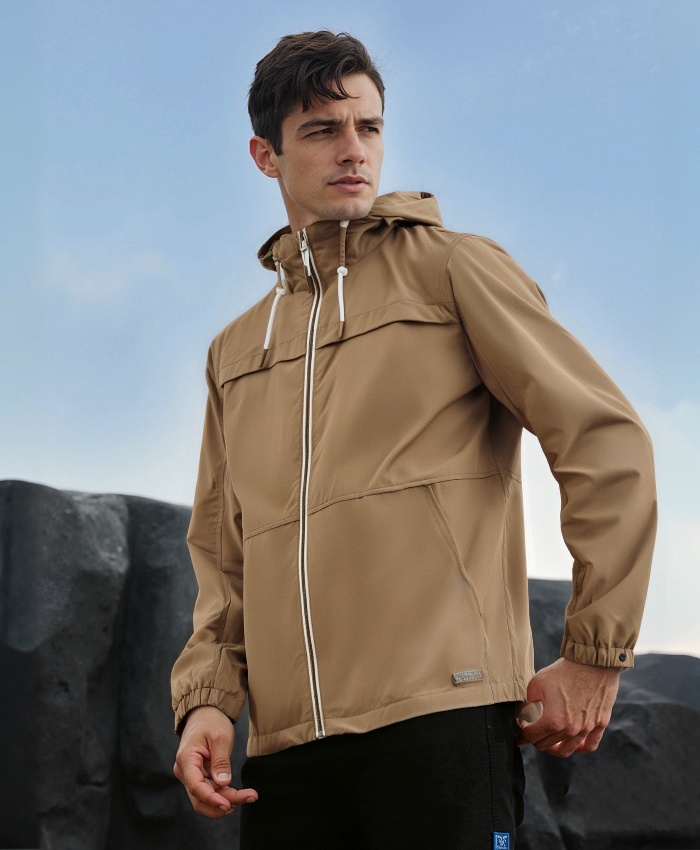

Demand for versatile, weather-resistant jackets is growing, yet transforming raw textiles into functional outerwear is complex. This guide explores the sequential combination of cutting, sewing, and assembly, covering design, fabric selection, core construction, and the crucial role of a custom jacket manufacturer.
Pattern and Design Creation
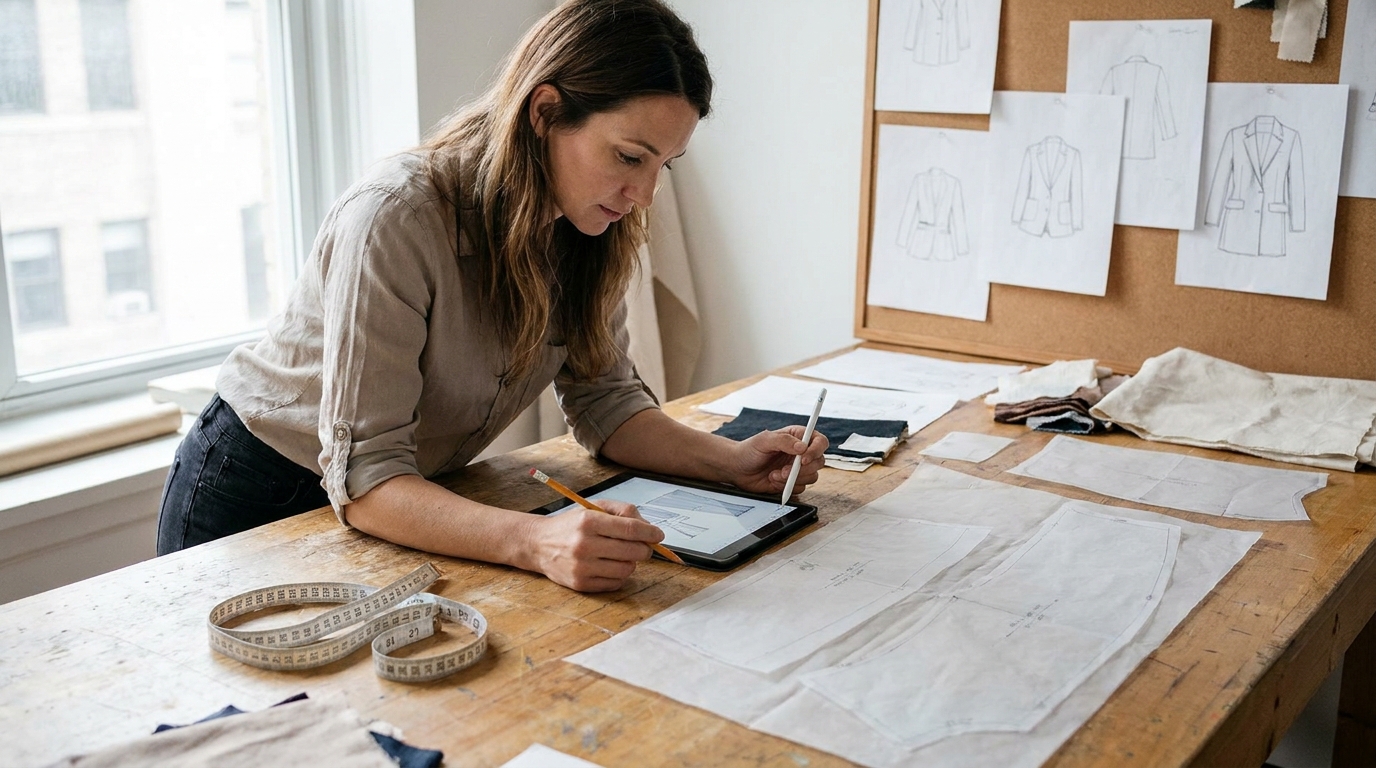
The manufacturing process begins when designers translate initial concepts into functional blueprints. This step dictates the final style and fit, ensuring every detail aligns with the garment’s intended end-use. For example, an activewear piece needs a more articulated fit than a casual windbreaker.
Next, pattern makers draft templates for every individual component, including the main body, sleeves, collar, and linings. Modern facilities often use digital drafting software, though physical paper patterns remain common for initial prototyping. Each pattern piece represents a specific fabric panel.
Designers also map out functional elements like hood shapes and pocket depths. They calculate exact seam allowances, which are vital for structural integrity. A lightweight jacket requires precise measurements to prevent bunching at the seams.
Finally, the design phase must account for material behaviors. Lightweight fabrics can stretch, pucker, or shift during sewing differently than heavy textiles. Designers adjust patterns to compensate for these limitations, preventing costly errors during cutting and assembly.
Fabric Selection for a Lightweight Jacket
Once patterns are finalized, selecting the right material is the next critical step. Fabric choice is strictly dictated by the garment’s intended end-use. A jacket built for urban commuting requires different textiles than one designed for rugged outdoor hiking.
Production teams evaluate essential fabric properties, testing materials for waterproof, windproof, and breathable characteristics. High-quality fabric must block outside elements without trapping internal body moisture. For instance, outdoor jackets often utilize specialized coatings to help moisture bead up and roll off the surface.
Material Variations by Jacket Type
Different outerwear styles demand highly specific material combinations to function properly.
| Jacket Type | Typical Fabric Choice | Primary Function |
|---|---|---|
| Light Windbreaker Jacket | Tightly woven nylon or micro-polyester | Blocks wind while remaining highly packable and lightweight. |
| Light Rain Jacket | Coated synthetics or laminated membranes | Provides waterproof protection against heavy precipitation. |
| Soft Shell Jacket with Hood | Woven stretch fabrics with a soft backing | Offers high mobility, moderate weather resistance, and breathability. |
The chosen material heavily influences subsequent assembly stages, dictating the required sewing techniques and machinery. Slippery nylons may require specialized presser feet to keep panels aligned. Waterproof materials often demand seam sealing immediately after stitching, requiring dedicated taping machines to prevent leaks. A custom jacket manufacturer must always match factory equipment to the specific textiles chosen.
Material Preparation and Fabric Cutting
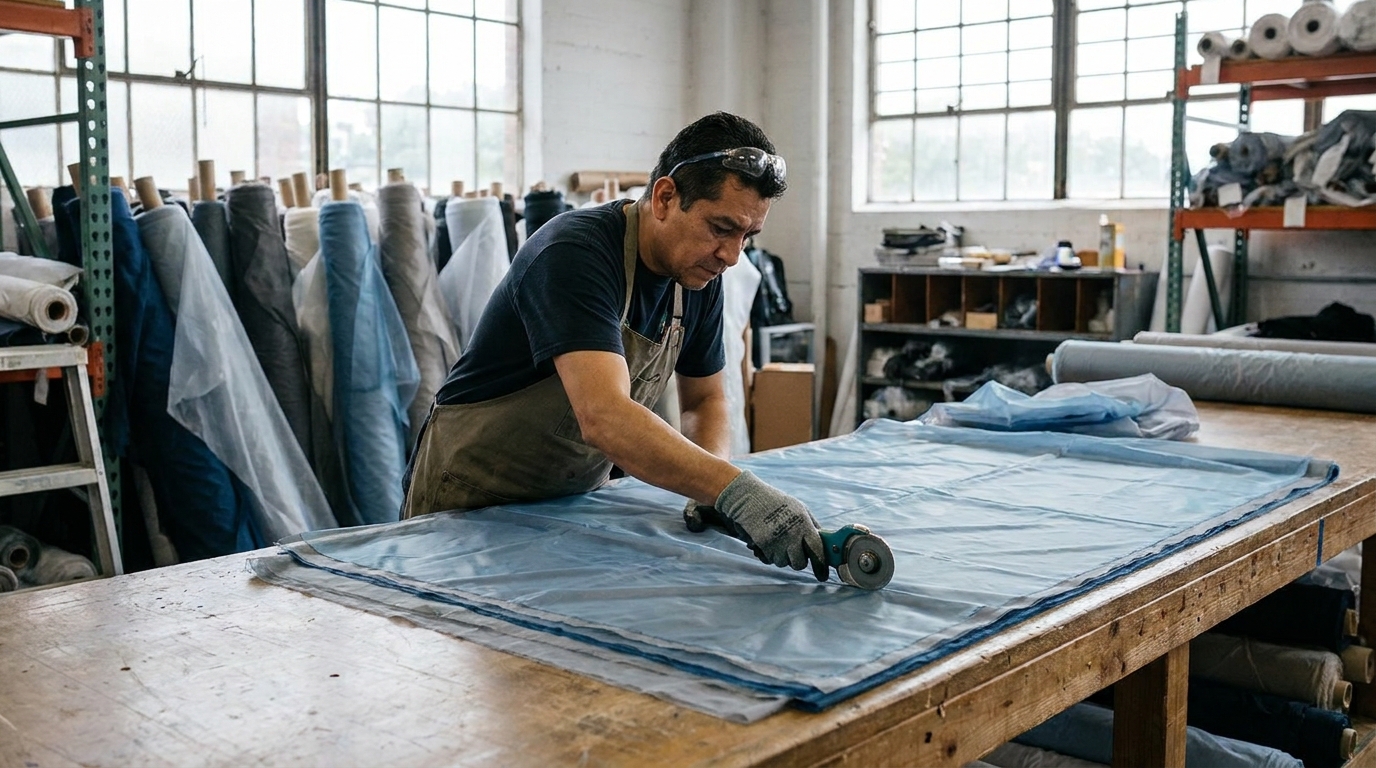
Production teams prepare the selected textiles for cutting by spreading large rolls of fabric flat across long tables. This releases tension stored in the rolled material. Allowing the fabric to relax prevents the final garment from shrinking or warping.
Next, patterns are traced onto the relaxed fabric. Cutters separate the textiles into individual garment panels, including the main body, sleeves, collar, hem, pockets, and linings. Precision during this step is crucial, as minor deviations can ruin the jacket’s intended fit.
Specialized Cutting Tools
Lightweight fabrics require specific handling during this phase. Standard shears can cause thin nylons or coated synthetics to fray, so manufacturers use specialized cutting tools based on the fabric’s properties:
- Straight Knife Cutters: Used to cut through multiple layers of fabric efficiently while maintaining a straight edge.
- Rotary Cutters: Provide smooth, continuous cuts that prevent snagging on delicate woven materials.
- Laser Cutting Machines: Highly effective for synthetic materials, as the laser melts and seals the edges simultaneously to prevent unravelling.
Sorting and Bundling
Once cut, the panels are systematically sorted. Workers group the main body parts, sleeves, and secondary components by size and color, bundling them with a routing ticket. This organized bundling streamlines the sewing stages. A reliable custom jacket manufacturer uses strict sorting protocols to ensure no mismatched panels reach the assembly line.
Sewing and Core Construction
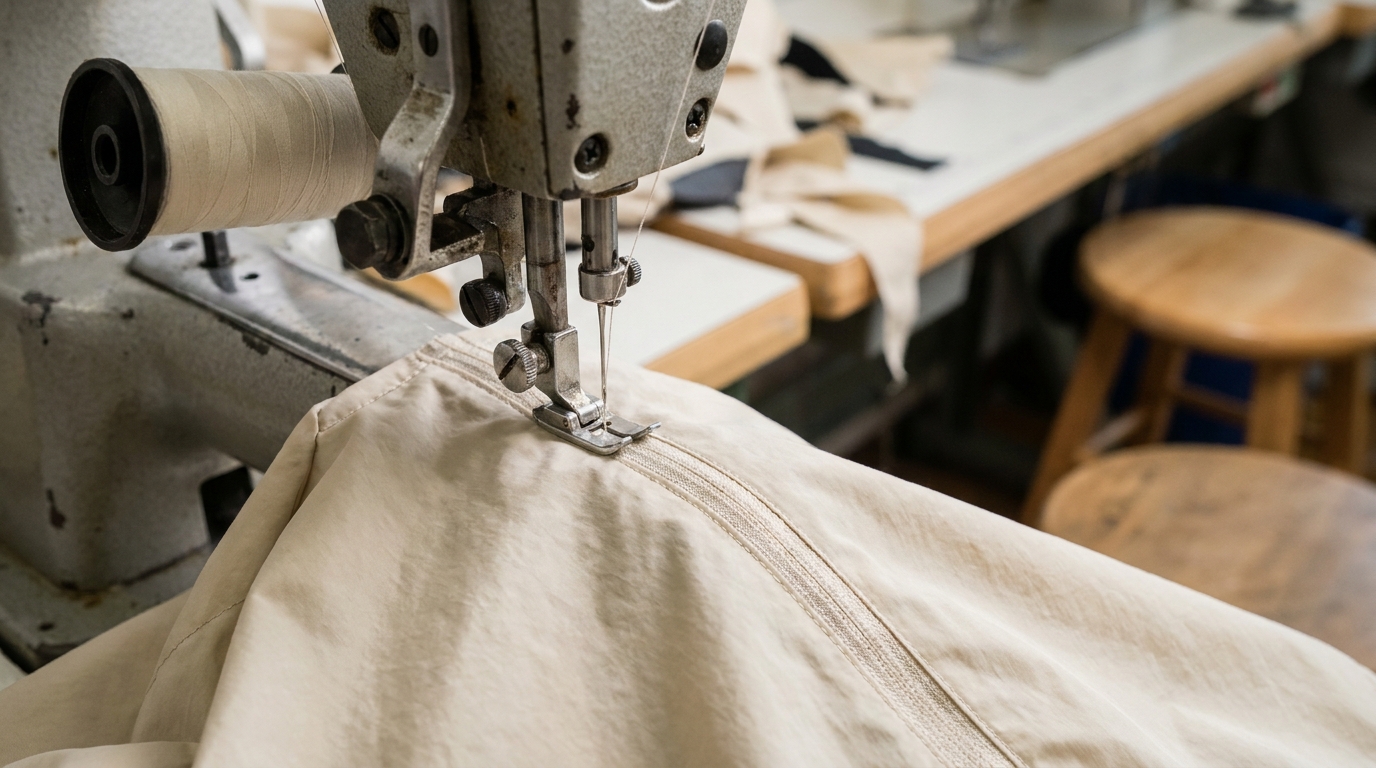
The sewing process begins by forming the main body of the jacket. Workers stitch the front and back panels together at the side seams and shoulders to create the central shell. Establishing this core structure provides a stable foundation for the rest of the assembly.
Attaching Secondary Components
Once the main body is intact, operators attach secondary functional components. They sew interior linings into place for a clean finish and added comfort, then integrate various pockets directly into the shell.
Depending on the design, these additions might include zippered chest pockets or simple hand-warmer pockets. Adding these functional elements early prevents awkward maneuvering later when the jacket becomes bulkier and harder to feed through the sewing machine.
Stitching Techniques and Tension Control
Sewing thin textiles requires specific stitching techniques. A custom jacket manufacturer often uses fine needles and specialized seams, such as French or flat-felled seams, to maintain fabric integrity. These techniques hide raw edges and add strength without unnecessary weight.
Precision is critical to prevent fabric damage. If thread tension is set too high, lightweight fabrics will pucker along the seam line, ruining the garment’s appearance and weakening its structural integrity. Machine operators must calibrate tension settings precisely for every new roll of fabric.
Final Assembly and Attaching Extremities
With the core structure and pockets finished, the jacket moves to final assembly. Workers attach the extremities to the main body, setting the sleeves into the armholes to ensure smooth rotation and a comfortable fit. Next, they attach the collar. If the design includes a hood, operators stitch it directly to the neckline.
Constructing the Hem
Workers then focus on the bottom edge, folding and stitching the hem to close the raw fabric edges. Securing the hem properly is vital for overall performance. A well-constructed hem ensures the jacket drapes correctly over the hips and seals the bottom opening against cold drafts. Many designs incorporate elastic cords into the hem for an adjustable fit.
Specialized Seam Sealing
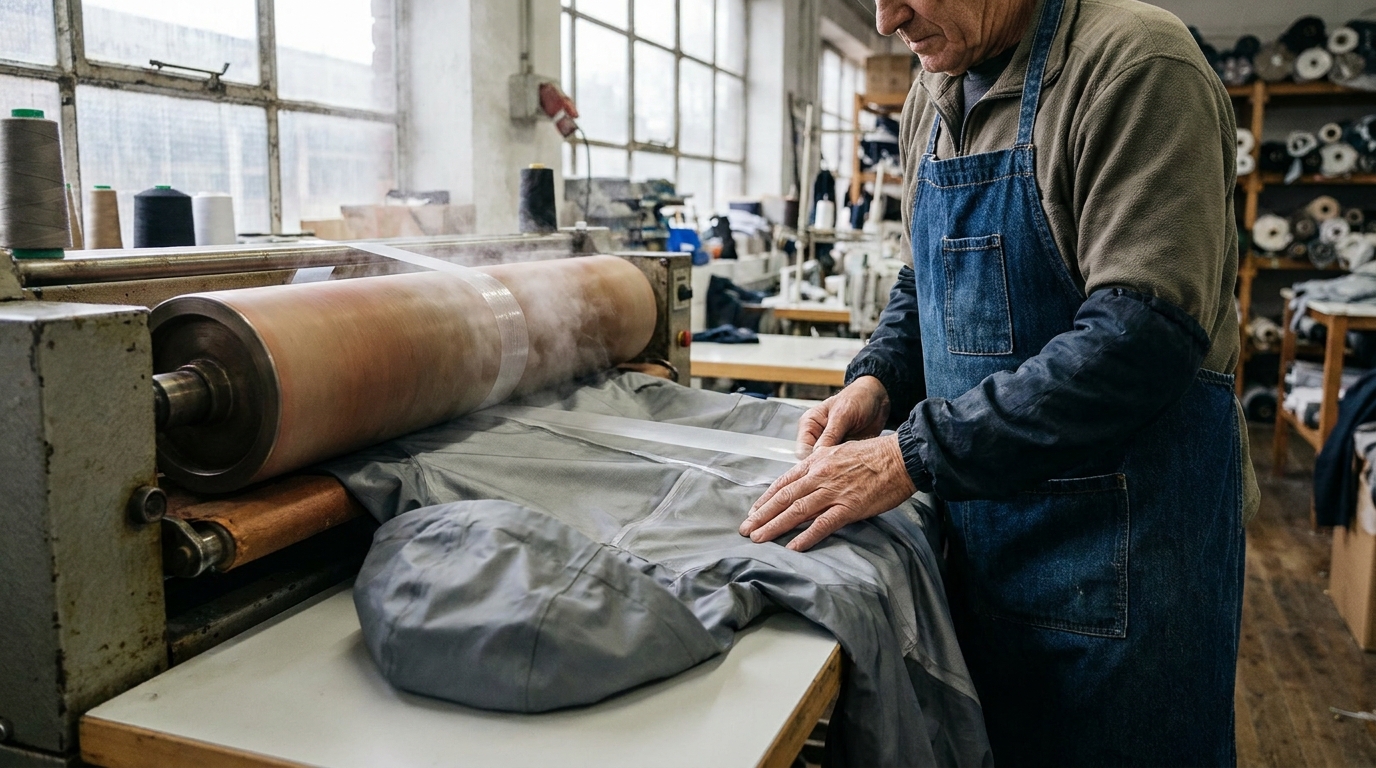
Needle punctures create tiny holes in the fabric during assembly, allowing water to leak through. To prevent this, a custom jacket manufacturer applies specialized seam-sealing tape over the interior stitches using machines that apply precise heat and pressure.
This sealing process is mandatory for waterproof rain jackets and 3L ski jackets. However, facilities usually skip this step when producing a basic light windbreaker, saving weight and production time when strict waterproofing is not required.
Finishing Touches and Hardware Installation
Following final assembly, workers install essential hardware and closures. This includes setting the main front zippers, securing remaining pocket zippers, and attaching metal snaps and buttons along the collar, cuffs, and storm flaps.
While finishing improves appearance, it is also critical for functionality. A custom jacket manufacturer must ensure every closure aligns perfectly, as improper hardware installation can compromise weather resistance. For example, a misaligned zipper leaves a gap where wind and rain can penetrate.
Pressing the Garment
Next, the jacket undergoes professional pressing for a crisp aesthetic. Applying heat to thin synthetic fabrics requires extreme caution and strictly controlled temperatures. If the iron is too hot, it will melt or warp the delicate fibers. Proper pressing flattens seams without damaging structural integrity.
Final Quality Control Checks
Before packaging, jackets undergo rigorous quality control inspections to verify key functional details:
- Testing main zippers for smooth operation without catching on the surrounding fabric.
- Checking snaps and buttons to ensure they lock tightly and release without tearing the material.
- Confirming that all structural seams and sealed interiors remain entirely secure.
Only after passing these checks is the jacket approved for distribution, ensuring it will perform reliably in outdoor environments.
How Manufacturing Differs by Jacket Type
There is no single universal manufacturing process for outerwear. Specific steps vary significantly between designs, dictated by chosen materials and intended end-use. While basic cutting and sewing stages remain consistent, specialized jackets require unique operational protocols.
Adapting to Different Constructions
Producing a light windbreaker involves relatively simple assembly, cutting and sewing a single layer of tightly woven fabric. In contrast, a 3L ski jacket demands complex, multi-layered construction where manufacturers bond the outer shell, waterproof membrane, and inner lining together before sewing.
An insulated or puffer jacket introduces different manufacturing steps. Operators stitch specific compartments, called baffles, into the main body. They carefully weigh and inject down or synthetic fill into these sections to ensure even warmth without bulky cold spots.
Equipment and Quality Control Variations
A reliable custom jacket manufacturer adapts its machinery based on the jacket category, swapping standard sewing machines for specialized equipment when needed. Assembling a soft shell jacket with a hood requires different needles and thread tension than a light rain jacket.
Quality control checks also shift depending on the product type, as outlined below.
| Jacket Category | Primary Construction Focus | Specialized Quality Checks |
|---|---|---|
| Light windbreaker jacket | Single-layer fabric assembly | Checking seam strength and zipper alignment |
| 3L ski jacket | Multi-layered bonded textiles | Testing waterproof seam tape and water resistance |
| Insulated jacket | Baffle stitching and filling | Inspecting for insulation leakage through seams |
Frequently Asked Questions About Lightweight Jacket Manufacturing
What is the basic step-by-step process for manufacturing a jacket?
The process starts with pattern and design creation. Manufacturers then select the appropriate fabric and cut it into individual panels. Workers sew the main body together, attach secondary parts like pockets and linings, and add extremities like sleeves and collars. The process concludes with finishing touches such as pressing and hardware installation.
How do manufacturers decide which fabrics to use?
Fabric selection depends on the jacket’s intended end-use and environment. A windbreaker uses tightly woven nylon to block wind, while a rain jacket requires coated synthetics or laminated membranes for waterproof protection. Materials are tested to ensure the right balance of weather resistance and breathability.
At what stage are pockets and internal linings added?
Pockets and internal linings are integrated immediately after the jacket’s main core structure is sewn together. Adding these elements early prevents the garment from becoming too bulky and difficult to maneuver through the sewing machine later in assembly.
Why is seam sealing necessary for waterproof rain jackets?
Sewing needles punch microscopic holes into the fabric, allowing water to leak through even waterproof materials. Manufacturers apply specialized seam-sealing tape over interior stitches using heat and pressure to prevent these leaks.
What happens if the sewing machine tension is incorrect?
If thread tension is set too high, thin fabrics will pucker along the seam line. This ruins the jacket’s appearance and weakens its structural integrity, which is why operators must calibrate tension settings carefully for every new roll of fabric.
Does the assembly process differ for insulated or puffer jackets?
Yes. Unlike a basic windbreaker that uses a single layer of fabric, an insulated jacket requires workers to stitch specific compartments called baffles into the main body. They then inject carefully weighed down or synthetic fill into these sections to ensure even warmth.
Schlussfolgerung
Making a lightweight jacket involves a precise journey from raw fabric to finished outerwear. Choosing the right materials is vital for comfort and performance, and partnering with a skilled manufacturer ensures quality from pattern design to final assembly.
- Define your jacket’s main purpose.
- Select fabrics that match your goals.
- Contact a custom manufacturer for production.