German
  English
  French
  Japanese
  Russian
  Spanish
  Portuguese
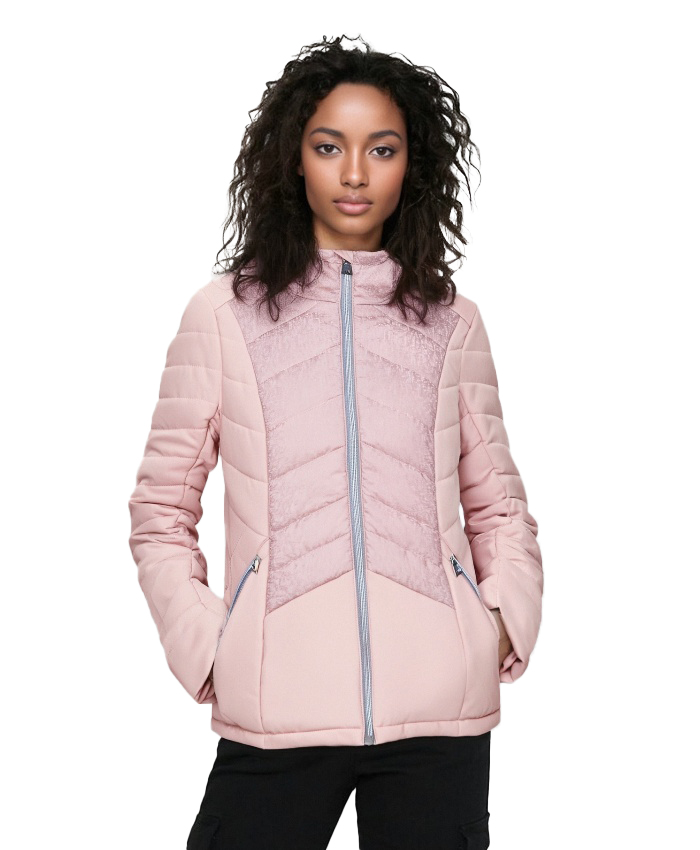
Struggling to stay warm without feeling trapped in bulky layers? Finding that perfect balance is tough.
A fleece jacket solves this problem. It is a cozy winter staple and versatile outdoor jacket.
In this guide, you will learn about fleece fabric technology, styling, and easy care tips.
The History: How the Fleece Jacket Changed Outerwear

If you are wondering exactly what is a fleece jacket, we should first look at where this cozy garment originated. The story begins in the late 1970s. Climbers wanted a reliable way to stay warm without wearing heavy, itchy layers.
The Invention of Synthetic Fleece
In 1979, Malden Mills partnered with Patagonia to solve a major problem. Climbers loved traditional wool for its natural warmth. However, wool felt incredibly heavy when wet. They needed a lightweight, moisture-resistant alternative. The result was the first synthetic fleece.
Manufacturers created this new fabric from polyethylene terephthalate (PET). It changed outdoor apparel forever. The material held less than 1% of its weight in water. It kept wearers warm even in damp conditions. Originally called “Polar Fleece,” it quickly became a massive commercial success.
From Niche Gear to Everyday Staple
At first, only serious mountaineers wore this specialized gear. The high warmth-to-weight ratio made it perfect for alpine expeditions. Soon, casual hikers noticed its incredible benefits. The design naturally transitioned from niche survival gear into an everyday fashion staple.
Today, you see these garments everywhere. They work perfectly as a standalone outdoor jacket for crisp autumn days. You can also use them as a breathable mid-layer under a heavy winter jacket. The versatile design fits almost any modern lifestyle.
Decades of Manufacturing Innovation
Over the decades, textile manufacturing has improved dramatically. Early versions suffered from severe surface pilling. Small fiber balls would form all over the fabric after washing. Today, advanced brushing and shearing techniques create much smoother, more durable surfaces.
We also see incredible eco-friendly innovations in modern production.
- Recycled Materials: A single modern garment often uses 25 to 40 recycled plastic soda bottles.
- Advanced Structures: Grid patterns now increase airflow while reducing overall weight.
- Weather Resistance: Bonded layers add windproof membranes for extreme weather conditions.
Finding an experienced jacket manufacturer is crucial for brands wanting to leverage these new technologies. Honry Apparel uses over 30 years of OEM and ODM experience to help global fashion brands produce high-quality outerwear. By partnering with over 100 certified fabric suppliers, they ensure consistent material quality. This reliable supply chain supports everything from lightweight microfleece to thick, wind-blocking designs.
| Feature | Early 1980s Fleece | Modern Fleece Jackets |
|---|---|---|
| Material Source | Virgin synthetic plastics | Recycled PET (plastic bottles) |
| Durability | Highly prone to surface pilling | Advanced anti-pilling treatments |
| Fabric Options | Standard midweight thickness only | Microfleece, grid, and sherpa variations |
What Material Is a Fleece Jacket Made Of?
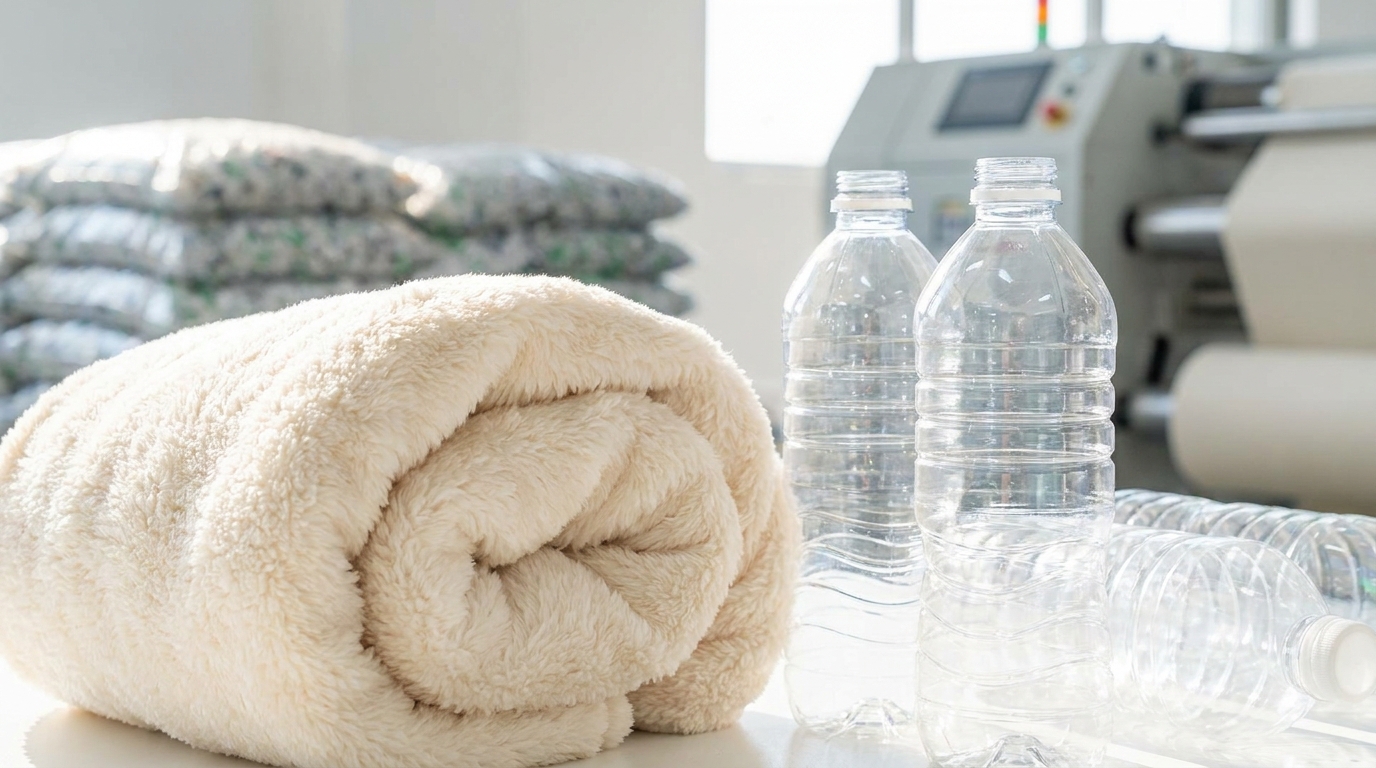
As we covered earlier, modern manufacturing transformed this garment into a high-tech marvel. Honry Apparel relies on over 100 certified fabric suppliers to source these advanced materials. But what exactly goes into these fabrics?
The Anatomy of What a Fleece Jacket Is
To understand this garment, we must look at its core ingredient. Manufacturers primarily use Polyethylene Terephthalate (PET). This is a highly versatile synthetic polyester. Factories sometimes blend it with rayon or polyolefin to alter the texture.
How does hard plastic become a soft garment? The production process involves three precise steps.
- Spinning and Knitting: Machines spin raw plastic pellets into fine yarn. They knit this yarn into a solid fabric base.
- Napping: Wire brushes intensely rub the fabric surface. This action raises the synthetic fibers to create a plush texture.
- Shearing: Precision blades cut these raised fibers to a uniform length. This prevents the severe surface pilling we discussed earlier.
This careful process leaves a smooth, highly durable finish. It creates the classic cozy texture you expect.
Sustainable and Eco-Friendly Options
Today, sustainability drives modern outerwear production. You no longer need virgin plastics to stay warm. Many top-tier garments now rely entirely on recycled materials.
Factories melt down discarded plastic soda and water bottles. They spin this waste into high-quality polyester yarn. A single garment typically repurposes 25 to 40 plastic bottles. This eco-friendly process keeps significant plastic waste out of landfills.
Why does this recycled structure work so well? The secret lies in the material’s loft. When brushes raise the fibers, they create thousands of tiny air pockets. These microscopic pockets trap your natural body heat. They build a warm microclimate right against your skin.
The synthetic fibers hold almost no moisture. They retain less than 1% of their weight in water. This efficient heat retention makes it an ideal mid-layer. You can wear it comfortably under a heavy winter jacket. You get maximum warmth without feeling trapped in bulk.
It also performs brilliantly as a standalone outdoor jacket. You can wear it during crisp, dry autumn hikes. The material breathes easily while keeping the cold out.
Key Benefits: Why You Need a Fleece Jacket

As we covered earlier, those tiny air pockets do more than just trap body heat. They create a highly functional and versatile garment. Understanding exactly what is a fleece jacket requires looking at its practical everyday advantages. Let us explore why this piece remains essential for any active lifestyle.
Exceptional Warmth Without the Bulk
You want to stay warm outside. You likely hate feeling trapped inside heavy, restrictive layers. This synthetic fabric solves that common problem perfectly. It delivers an exceptional warmth-to-weight ratio. The lofty fibers provide significantly more insulation per ounce than traditional wool. You experience the cozy comfort of a heavy winter jacket without the exhausting bulk. The lightweight nature also makes it incredibly easy to pack into small backpacks.
High Breathability for Active Use
Physical outdoor activities generate significant body heat and sweat. If your clothing traps this moisture, you will quickly feel cold and clammy. High breathability stands out as a primary benefit here. The unique knit structure allows excess heat and moisture vapor to escape easily. This continuous airflow actively regulates your core temperature. You stay comfortable and dry during strenuous hikes, trail runs, or vigorous climbs.
Quick-Drying Performance in Damp Conditions
Nature frequently brings highly unpredictable weather conditions. You might suddenly encounter light rain or wet snow. Natural fibers like cotton absorb water rapidly and take hours to dry. Cotton loses all its insulating power when wet. Synthetic polyester materials perform completely differently. Because it holds less than 1% of its weight in water, it dries incredibly fast. This quick-drying property makes it an exceptionally reliable outdoor jacket for damp environments.
Unmatched Softness and Flexibility
Technical performance matters, but daily comfort is equally important. The intensive napping and shearing processes create unmatched surface softness. The plush fabric feels gentle and non-irritating against your bare skin. It also provides excellent natural stretch and flexibility. The material moves freely alongside your natural body movements. You experience zero restriction whether you are reaching for a climbing hold or simply driving.
Achieving this perfect balance of features requires precise manufacturing expertise. Honry Apparel leverages over 30 years of OEM and ODM experience to craft premium outerwear. They carefully calibrate fabric density and stretch. This strict quality control ensures every garment delivers maximum comfort and durability.
| Performance Feature | Synthetic Fleece | Traditional Cotton | Standard Wool |
|---|---|---|---|
| Warmth-to-Weight | Excellent (Very light) | Poor (Heavy) | Good (Moderate weight) |
| Drying Speed | Very Fast | Very Slow | Slow |
| Breathability | High | Moderate | Moderate |
| Skin Comfort | Ultra-soft, non-itchy | Soft | Can be itchy |
Exploring Different Types of Fleece Jackets
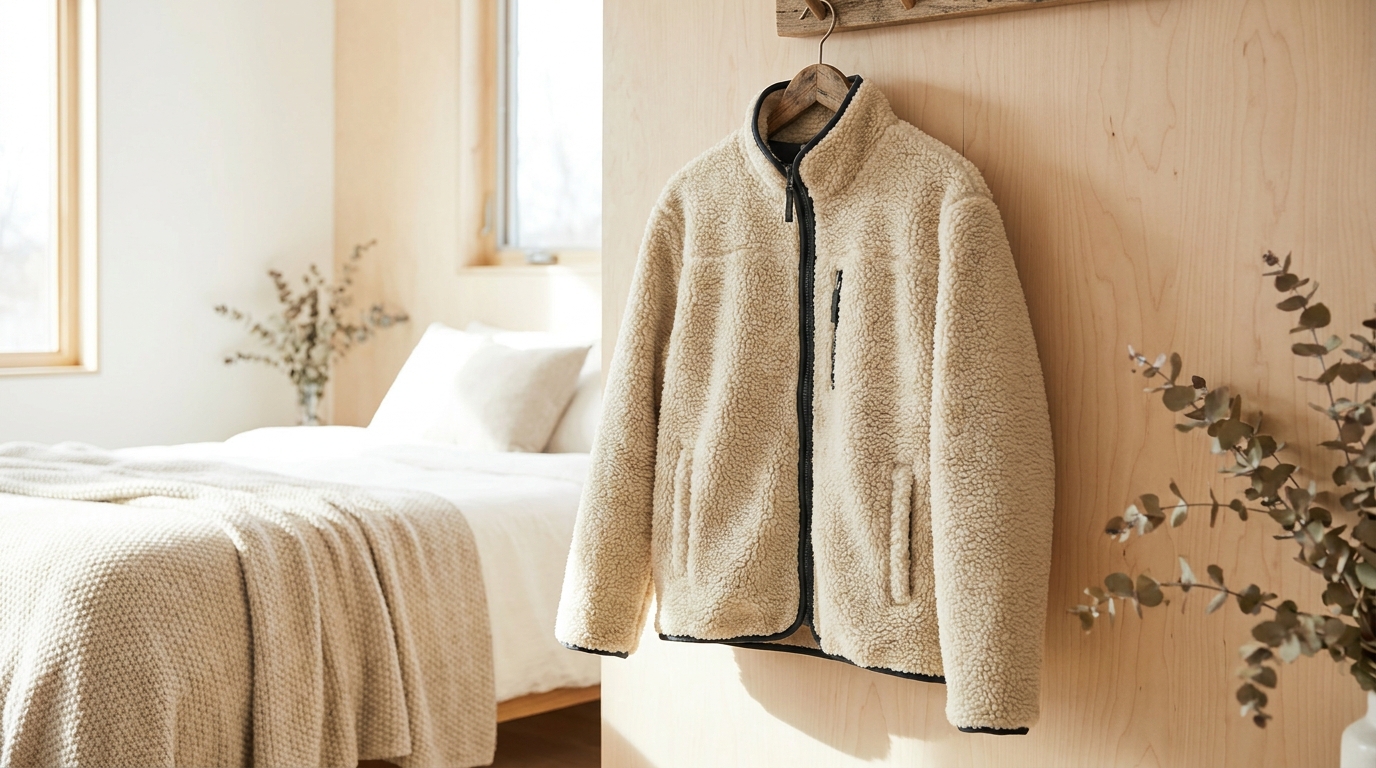
As we covered earlier, manufacturers carefully calibrate fabric density. This density directly dictates how the garment performs. Factories measure this material thickness in grams per square meter (gsm). When asking what is a fleece jacket, you quickly realize they are not all identical. Different weights serve entirely different purposes.
Variations of the Classic Fleece Jacket
You can find these cozy garments in four main categories. Each variation targets a specific climate and activity level. Experienced OEM partners like Honry Apparel produce all these distinct styles. They utilize their network of over 100 certified suppliers to source exact fabric weights. This ensures international brands get the precise performance they need.
- Microfleece (Lightweight): This represents the lightest option available. It typically weighs under 100 g/m². This thin profile offers maximum breathability. It excels during high-exertion activities like trail running. You can easily wear it as a moisture-wicking base layer. It moves sweat away from your skin rapidly.
- Mid-weight Fleece: These fabrics usually hover around 200 g/m². They represent the most popular and versatile choice. This thickness provides standard insulation for moderate climates. It works perfectly for casual everyday wear. You can use it as a reliable outdoor jacket on brisk autumn days. It balances warmth and airflow beautifully.
- Heavyweight Fleece: These options tip the scales at 300 g/m² or more. They are the thickest and least breathable category. They trap massive amounts of body heat. You should wear them during stationary activities in extreme cold. They function exceptionally well as a standalone winter jacket in freezing, dry environments.
- Sherpa and Textured Fleece: These high-loft variations focus heavily on texture. They mimic the bumpy look of natural sheep’s wool. The long synthetic fibers trap extra air for superior heat retention. Brands often use this style for modern aesthetics. It offers incredible coziness and fashion-forward appeal for casual outings.
| Fleece Type | Weight Class (gsm) | Best End Use | Breathability |
|---|---|---|---|
| Microfleece | Under 100 | Active sports, base layers | Very High |
| Mid-weight | Around 200 | Everyday wear, hiking | Moderate |
| Heavyweight | 300+ | Stationary cold weather | Low |
| Sherpa | Varies (High-loft) | Fashion, casual winter wear | Moderate to Low |
Fleece vs. Other Outerwear: Making the Right Choice
As we covered earlier, different fabric weights serve highly specific purposes. You might wonder how these variations compare to other popular garments. Understanding what a fleece jacket is truly about means knowing when to wear it. Let us compare it to three common outerwear alternatives to help you choose.
Fleece Jacket vs. Softshell Jacket
These two garments often confuse buyers. They both offer excellent flexibility for outdoor activities. However, they perform very differently in bad weather. A softshell jacket provides superior weather protection. It blocks harsh winds and sheds light rain easily. The tight outer weave creates a strong physical barrier.
Our synthetic knit behaves differently. Standard versions are highly air-permeable. Wind blows right through the lofty fibers. You only get wind resistance if the factory adds a bonded internal membrane. However, this high permeability creates unmatched breathability.
Honry Apparel manufactures premium softshell jackets alongside traditional styles. This broad expertise helps international brands build complete layering systems. You should wear a softshell in windy, drizzly conditions. You should choose the breathable knit for dry, high-exertion activities.
Fleece Jacket vs. Puffer Jacket
You face another common choice when temperatures drop. Should you grab a puffy coat or a heavyweight knit? A puffer jacket uses natural down or synthetic fill. It provides maximum warmth and compresses down into tiny spaces. It represents the ultimate cold-weather shield.
However, puffers have a major weakness. Traditional down fails completely if it gets wet. It loses all insulating power. The synthetic knit wins easily in damp environments. It stays warm and dries incredibly fast. It also breathes much better during physical activity.
Honry Apparel produces various outerwear styles, including high-quality puffer jackets and lightweight jackets. They understand these distinct performance needs. You wear a puffer to stand still in freezing weather. You wear the breathable knit to hike aggressively up a cold trail.
Fleece Jacket vs. Wool Coat
We must also compare modern synthetic innovation with traditional natural fibers. Wool dominated cold-weather gear for centuries. It remains a fantastic, highly functional material. Wool naturally resists odors and handles sparks from a campfire beautifully. If you do the “burn test,” wool simply chars. Synthetic plastics will melt rapidly.
Despite these benefits, natural wool has notable drawbacks. It feels noticeably heavier on your shoulders. It also costs significantly more to produce. Caring for a heavy wool coat usually requires expensive dry cleaning or delicate hand washing.
The synthetic alternative solves these specific pain points. It costs less, weighs less, and is completely vegan. You can easily wash it at home. Just remember to wash it inside out using cold water. You should also avoid the dryer entirely to prevent surface pilling.
| Outerwear Type | Wind Resistance | Breathability | Wet Performance | Best Activity Use |
|---|---|---|---|---|
| Fleece | Low (unless bonded) | Very High | Excellent | Active movement, damp cold |
| Softshell | High | Moderate | Good (sheds light rain) | Windy, drizzly conditions |
| Puffer (Down) | High | Low | Poor (loses loft) | Stationary extreme cold |
| Wool Coat | Moderate | Moderate | Good (retains heat) | Casual wear, campfire settings |
How to Choose the Perfect Fleece Jacket
We just compared synthetic knits to wool coats and puffers. You now understand how this garment handles damp cold and active movement. But fully understanding what is a fleece jacket requires knowing how to buy one. Choosing the right piece involves more than just picking a color. You must match the garment to your specific lifestyle.
Assessing Your Daily Needs
Start by evaluating your daily routine. Do you need a casual layering piece for city commutes? A mid-weight option works perfectly here. It slides easily over a simple t-shirt. Perhaps you need a rugged outdoor jacket for aggressive hiking. In this case, look for microfleece. As we covered earlier, lighter weights offer maximum breathability. They dump excess heat quickly when you sweat. Honry Apparel helps global brands design specific outerwear for these exact scenarios. Their custom apparel production ensures every style meets distinct environmental demands.
Finding the Right Fit and Mobility
Fit directly impacts thermal performance. A proper fit traps your body heat efficiently. If the garment fits too tightly, it restricts your natural movement. It also prevents you from wearing base layers underneath. If it fits too loosely, cold air rushes inside. You lose the warm microclimate against your skin.
Aim for an athletic but relaxed fit. You should comfortably wear a long-sleeve shirt underneath. The fabric should not bunch up or look baggy. Check the shoulder seams carefully. They should sit right at your natural shoulder line. Lift your arms above your head. The hem should not expose your stomach.
Essential Features to Look For
Small design details make a massive difference in daily use. Professional OEM manufacturers like Honry Apparel focus heavily on these technical trims. They source premium components to ensure long-term durability. Pay close attention to these essential features:
- High-Quality Zippers: Full-zip designs offer maximum ventilation control. Quarter-zip styles save weight and reduce bulk under a heavy winter jacket.
- Strategic Pockets: Look for zippered hand pockets to secure your keys. A chest pocket safely holds your phone during vigorous hikes.
- Adjustable Hoods: A snug hood traps massive amounts of heat. It easily replaces the need for a separate winter beanie.
- Drawcord Hems: Elastic cords at the waist seal out cold drafts. They actively lock your body heat inside the garment.
Style Tips for Your Winter Wardrobe
You want functional gear. You also want it to look great. Integrating this piece into your winter wardrobe is incredibly simple. Treat it as a versatile middle layer. Pair a sleek, dark-colored piece under a tailored trench coat. This adds hidden warmth to professional office attire. For casual weekends, combine a textured sherpa style over worn denim. The high-loft fibers add excellent visual interest. You can easily transition from a chilly morning hike straight to a local cafe.
| Primary Activity | Recommended Fit | Must-Have Features | Style Integration |
|---|---|---|---|
| City Commuting | Relaxed | Full zipper, hand pockets | Layer under a casual coat |
| Active Hiking | Athletic / Snug | Quarter-zip, chest pocket | Wear over a moisture-wicking shirt |
| Extreme Cold | Roomy (for base layers) | Adjustable hood, drawcord hem | Use as a mid-layer under a parka |
| Casual Weekends | Oversized / Relaxed | Textured fabric (Sherpa) | Pair over jeans and boots |
Care and Maintenance for Your Fleece Jacket
You just spent time finding the perfect fit and style for your daily routine. Now, you need to protect that investment. Understanding exactly what is a fleece jacket helps you realize why proper care matters. These garments use specialized synthetic plastics. They require different maintenance than traditional cotton or wool.
Best Practices for Washing
Washing your garment correctly extends its lifespan significantly. You should always zip it up completely before washing. Turn the garment inside out next. This simple step protects the plush outer texture from heavy machine friction.
Always select a gentle machine cycle. Use cold water instead of warm or hot. Cold water prevents the synthetic fibers from degrading. You might also consider using a microplastic catch bag. This traps tiny shed fibers before they enter the local water system.
The Enemies of Synthetic Fabric
You must avoid three common laundry habits. They will quickly ruin your cozy garment.
- Fabric Softeners: These liquids coat the synthetic fibers in an invisible residue. This coating destroys the material’s natural breathability. It also ruins the quick-drying performance we discussed earlier.
- Bleach: Harsh chemicals break down the delicate polyester structure. They weaken the yarn and cause premature tearing.
- High Heat: Never put this garment in a hot dryer. Remember the “burn test” we covered earlier. Synthetic plastics melt rapidly. High heat melts the microscopic air pockets. This leaves the fabric feeling stiff and crunchy.
How to Prevent and Treat Pilling
Pilling occurs when loose fibers tangle into tiny knots. They form annoying little balls on the fabric surface. Friction causes this frustrating problem. Washing your garment inside out prevents most severe pilling.
Quality manufacturing also plays a massive role here. Honry Apparel utilizes advanced shearing techniques during custom apparel production. They work closely with over 100 certified fabric suppliers. This strict quality control ensures the raw material resists pilling right from the factory floor. However, if small knots do appear over time, do not pull them. Use a battery-operated fabric shaver. It safely cuts the knots away without damaging the healthy yarn underneath.
Proper Off-Season Storage Tips
Spring eventually arrives. You will need to pack your winter gear away. Always wash the garment before long-term storage. Synthetic fibers trap body oils and bacteria easily. Leaving them dirty causes stubborn odors.
Never use vacuum-sealed storage bags. As we covered earlier, the fabric relies on its lofty structure. Thousands of tiny air pockets trap your body heat. Vacuum sealing crushes these essential pockets permanently. Instead, fold the garment loosely. Place it in a breathable cotton storage bin. You can also hang it on a wide, padded hanger to maintain its natural shape.
| Care Category | Do This | Never Do This |
|---|---|---|
| Washing | Use cold water and gentle cycles | Use fabric softeners or bleach |
| Drying | Air dry or tumble dry on low heat | Use high heat or an iron |
| Maintenance | Use a fabric shaver for surface pills | Pull fiber knots by hand |
| Storage | Fold loosely in a dry, dark place | Crush in vacuum-sealed bags |
Behind the Scenes: Sourcing and Manufacturing a Quality Fleece Jacket
We just discussed how proper care protects your garment from pilling. However, long-lasting durability starts long before the item reaches your closet. It begins right on the factory floor. Understanding what a fleece jacket is requires looking closely at its origin. Creating these cozy garments demands precise engineering and expert sourcing.
The Crucial Role of End-to-End Solutions
Turning a design concept into a physical garment involves complex steps. A professional manufacturer brings international fashion designs to life beautifully. They manage everything from initial sampling to final mass production. Honry Apparel specializes in these complete OEM and ODM solutions. They help global retailers and private label businesses build high-quality outerwear.
Creating a stylish and durable piece requires intense attention to detail. Factories must carefully calibrate the knitting and shearing processes. This ensures the final product feels ultra-soft but resists heavy wear.
Building a Robust Global Supply Chain
Experience matters heavily in custom apparel production. Honry Apparel leverages over 30 years of garment manufacturing expertise. This deep industry knowledge helps build a highly efficient global supply chain. They combine Chinese manufacturing precision alongside vast overseas production resources.
What does this mean for fashion brands? It delivers highly competitive pricing and flexible production strategies. Brands receive reliable quality across massive orders. The manufacturer acts as a long-term partner rather than just a basic supplier.
Consistent Quality Through Certified Sourcing
As we covered earlier, advanced anti-pilling treatments rely on premium raw materials. You cannot create a reliable outdoor jacket using cheap, weak yarn. Honry Apparel solves this by partnering closely with over 100 certified fabric and trim suppliers.
This extensive network guarantees incredibly stable sourcing. It ensures every batch of recycled polyester meets strict performance metrics. Factories also source premium zippers and elastic cords from these trusted partners. Ethical sourcing practices keep the entire supply chain transparent and sustainable.
Rigorous Quality Control and Global Logistics
The manufacturing journey does not end at the sewing machine. Every single garment undergoes rigorous quality control testing. Inspectors carefully check seam strength, fabric density, and zipper functionality. They ensure your new winter jacket will perform perfectly in harsh weather.
Once approved, the factory manages complex global logistics. They pack and ship the finished goods to retailers worldwide. This seamless end-to-end process guarantees consumers always receive flawless, ready-to-wear outerwear.
| Manufacturing Stage | Key Process | Benefit to Consumer |
|---|---|---|
| Sourcing | Using 100+ certified suppliers | Consistent material softness and durability |
| Production | 30+ years of OEM/ODM expertise | Precise fit and reliable construction |
| Quality Control | Rigorous testing of seams and trims | Flawless performance in cold weather |
| Logistics | Global supply chain management | On-time delivery to retail stores |
Schlussfolgerung
A fleece jacket is a synthetic marvel offering unmatched warmth and breathability. Investing in a well-manufactured fleece is a smart choice for any season. Find your perfect style today for daily comfort or outdoor adventures.
- Assess your local climate to pick the right fleece weight.
- Layer your new jacket over a breathable base shirt.
- Wash your garment in cold water to prevent fabric pilling.
Frequently Asked Questions About Fleece Jackets
Is a fleece jacket waterproof?
Fleece is water-resistant but not fully waterproof. It repels light rain because it holds very little water. However, heavy rain will eventually soak through the fabric. If you need complete rain protection, wear a waterproof shell over your fleece.
Does a fleece jacket block the wind?
Standard fleece jackets let air pass through easily. This makes them highly breathable during active pursuits. To block cold gusts, you need a windproof fleece. These specific garments feature a bonded internal membrane to stop the wind completely.
How can I stop my fleece from pilling?
Pilling happens when small fiber knots form on the surface. You can prevent this by washing your jacket inside out. Always use cold water and a gentle cycle. Never use fabric softeners or put your fleece in the dryer. Heat can melt the synthetic fibers and ruin the texture.
Is fleece better than wool for staying warm?
Fleece is much lighter and usually costs less than wool. It also dries incredibly fast if you sweat. Wool is heavier but retains heat better when completely wet. Wool also fights natural body odors better than synthetic fabrics.
Can I order custom fleece jackets for my brand?
Yes, you can easily create custom outerwear for your business. Honry Apparel specializes in manufacturing premium fleece jackets. With over thirty years of experience, we provide complete production solutions. We help fashion brands and retailers achieve competitive pricing and reliable quality.
Fleece jackets offer excellent warmth and breathability for outdoor activities. These synthetic garments dry quickly and feel incredibly soft. They work perfectly as a cozy mid-layer during cold weather. Remember to wash them carefully to prevent annoying fabric pilling. If your brand needs high-quality outerwear, consider partnering with an experienced manufacturer. Honry Apparel can bring your custom jacket designs to life.
- Check your closet to identify your current jacket weight class.
- Buy a microplastic wash bag to protect the environment.
- Contact Honry Apparel today to discuss your bulk manufacturing needs.
- Test your fleece mid-layer outside with a waterproof shell.