English
  French
  German
  Japanese
  Russian
  Spanish
  Portuguese
Have you ever bought a waterproof jacket, only to get soaked in heavy rain?
The hidden problem lies in the stitching. Sewing needles punch tiny holes into waterproof fabrics.
Seam tape safely seals these vulnerable holes.
In this post, we will explore if seam taped jackets are really waterproof.
What is a Seam Taped Jacket?
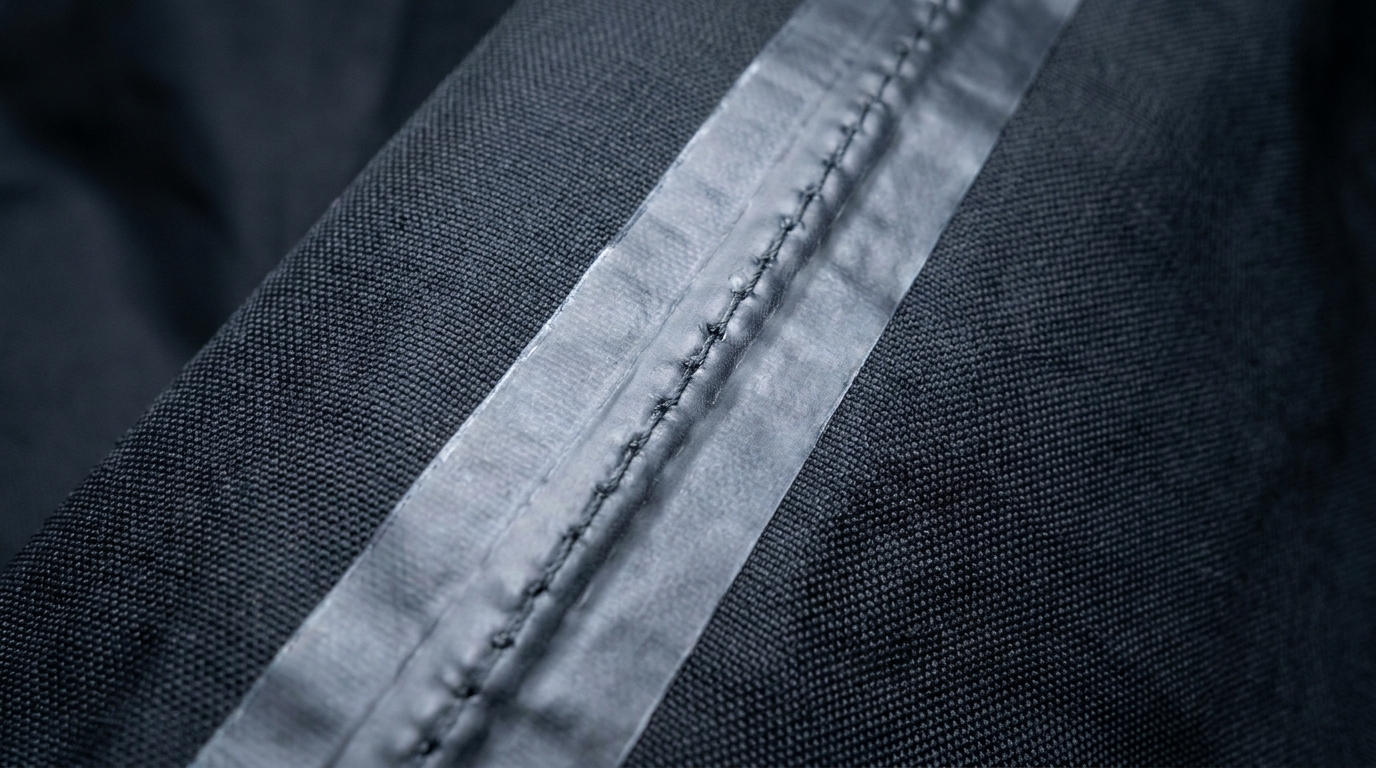
To answer our main question, we first need to define the garment itself. A seam taped jacket is an outerwear piece built to block moisture completely. Factories apply a specialized waterproof tape directly over the interior stitched seams. This physical barrier covers the thousands of tiny needle holes created during sewing.
You might wonder why this extra step matters. Many brands advertise completely waterproof fabrics. They use advanced membranes to repel heavy rain. But a jacket is a three-dimensional object. Manufacturers must cut flat fabric panels and sew them together. Sewing needles punch holes along every single seam line. Water easily enters through these perforations.
Because of this leakage mechanism, fabric ratings alone are misleading. True waterproof jackets require both a high-performance membrane and a fully sealed construction.
How do factories apply this essential protection? They use specialized machinery to bond polyurethane (PU) tape to the fabric interior. This application process requires a precise combination of high heat and heavy pressure. The intense heat melts the tape adhesive backing. The pressure then forces it deep into the fabric fibers. Once cooled, it forms a permanent, watertight seal over the stitching.
Standard vs. Seam Taped Construction
| Feature | Standard Stitched Jacket | Seam Taped Jacket |
|---|---|---|
| Fabric Type | Water-resistant or waterproof | Waterproof membrane |
| Seam Condition | Exposed needle holes | Sealed with PU tape |
| Heavy Rain Performance | Leaks quickly at the seams | Blocks moisture entirely |
Are Seam Taped Jackets Really Waterproof?
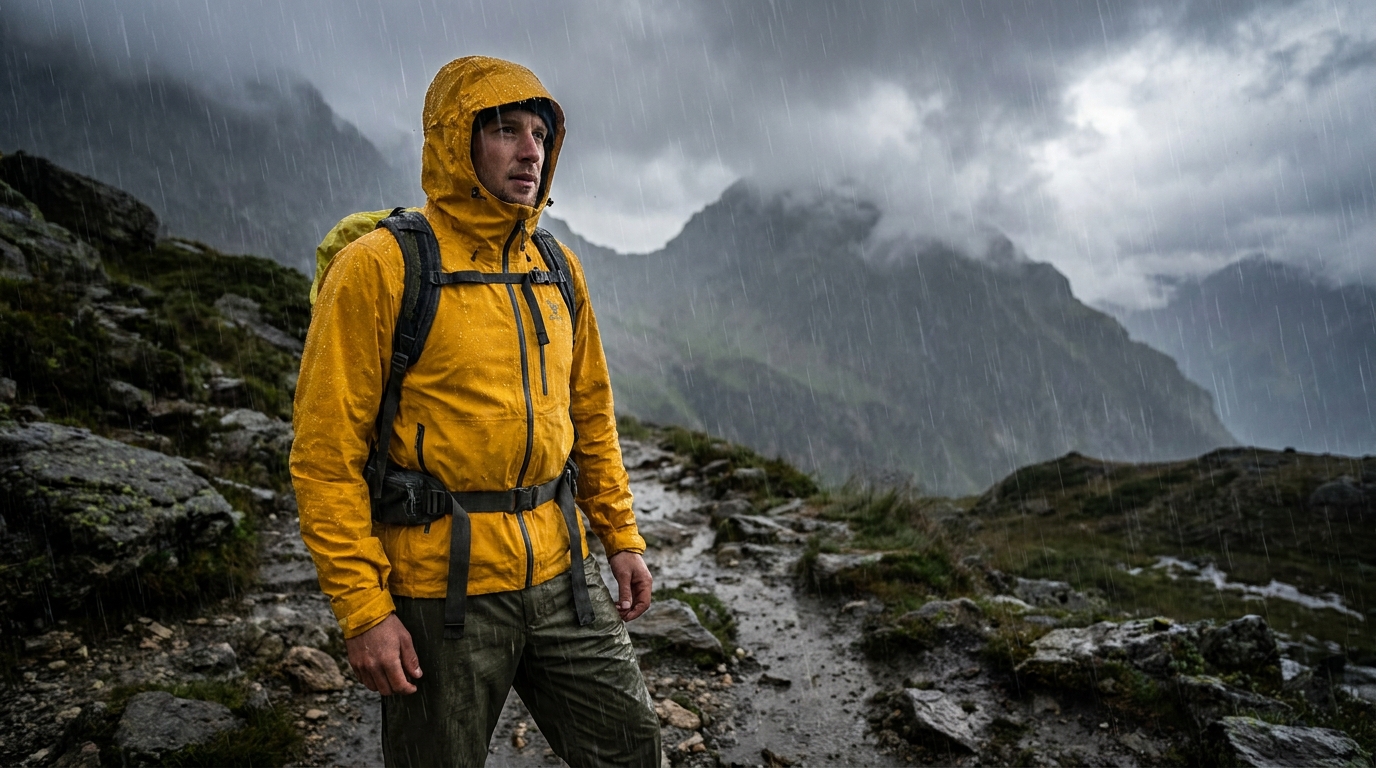
As we covered earlier, PU tape safely seals vulnerable needle holes. So, are seam taped jackets really waterproof? The short answer is yes. However, actual protection levels depend heavily on the taping extent and overall garment design.
A jacket consists of multiple flat fabric panels. Sewing connects these pieces to shape the garment. Without tape, rain slips right through the stitching. By applying tape over every sewn line, manufacturers build a continuous waterproof barrier. Moisture cannot penetrate the gaps between the front, back, and sleeves. The entire shell becomes a single watertight shield.
Water-Resistant vs. Waterproof
Shoppers often confuse “water-resistant” and “waterproof” labels. Understanding this distinction saves you from getting soaked on the trail. Water-resistant garments usually feature un-taped seams. They might have a light chemical coating to repel moisture. They shed light rain but fail under pressure.
True waterproof garments require a fully sealed construction. If you check the jacket interior and see exposed needle holes, it is not truly waterproof. It will eventually leak during a storm.
Real-World Performance
Let us look at how these jackets perform outside. In a light drizzle, a standard water-resistant shell keeps you dry temporarily. The rain simply beads up and rolls off the fabric surface.
Sustained heavy rain changes the situation entirely. Heavy downpours apply physical pressure to the jacket. This pressure forces water into any unprotected weak points. This is exactly where the extent of seam taping matters most.
Many brands use critically taped seams to save weight and reduce costs. Factories only seal high-exposure areas like the shoulders, hood, and upper chest. These zones take the most direct vertical impact from rain. Critically taped jackets work perfectly for short commutes or light showers.
For serious outdoor activities, you need fully taped seams. Every main sewn seam receives a protective tape barrier. This construction is the industry standard for performance-grade rain gear. It guarantees you stay dry during heavy and sustained storms.
| Construction Type | Seam Coverage | Light Drizzle Performance | Heavy Rain Performance |
|---|---|---|---|
| Water-Resistant | None (Exposed holes) | Keeps you dry briefly | Leaks quickly at seams |
| Critically Taped | Shoulders, hood, chest | Excellent protection | Leaks at un-taped lower seams |
| Fully Taped | Every sewn seam | Complete protection | Complete protection |
Fully Taped Seams vs. Critically Taped Seams
As we saw in the performance table earlier, tape coverage directly impacts rain protection. When asking if seam taped jackets are really waterproof, you must look at the specific construction method. Manufacturers generally choose between two main taping styles. Let us break down how fully taped and critically taped designs compare.
Fully Taped Seams
This method provides complete moisture protection. Factories seal every single seam inside the garment. They leave absolutely no needle holes exposed. Moisture cannot sneak through any stitched panel.
You need this construction for extreme weather. It serves as the industry standard for trail running and professional outdoor use. It easily handles heavy rain and sustained storms.
The main advantage is maximum weather protection. However, this level of security comes at a higher price point. Applying tape to every seam requires strict manufacturing control. The factory must spend more time on quality checks. Adding more PU tape can also slightly reduce the overall breathability of the garment.
Critically Taped Seams
This approach targets only high-risk areas. Factories seal the most exposed zones like the hood, neck, and shoulders. These specific spots take the most direct vertical impact from falling rain.
These garments work perfectly for light rain. They make excellent choices for daily commutes and packable windbreakers. You stay dry during short exposures.
The primary benefit here is cost. They are much more affordable to produce. Leaving lower seams un-taped also keeps the jacket highly breathable. The major downside is weather vulnerability. Sustained downpours will eventually soak through the unprotected lower stitches.
How to Check Product Specifications
You must verify the construction before buying. Vague marketing terms often confuse shoppers. Follow these steps to ensure you get the right gear for your needs.
- Read the label carefully: Look for the exact words “fully seam-sealed” or “100% taped.” If a brand only says “seam-sealed,” they often mean critically taped.
- Inspect the interior: Always turn the garment inside out. Look for a shiny or matte tape strip over the stitching. Check the lower hem and underarm areas. If you see bare threads there, it is critically taped.
- Assess the hardware: Always check the zippers and pockets. Even fully taped seams fail if standard zippers lack protective storm flaps.
- Match your activity: Do not overpay for extreme protection. Buy fully taped models for serious outdoor activities. Choose critically taped options for casual city use.
By understanding these specifications, you avoid unpleasant surprises on the trail. You can confidently select the exact level of weather protection you need.
Beyond the Seams: Other Factors That Cause Waterproof Jackets to Leak
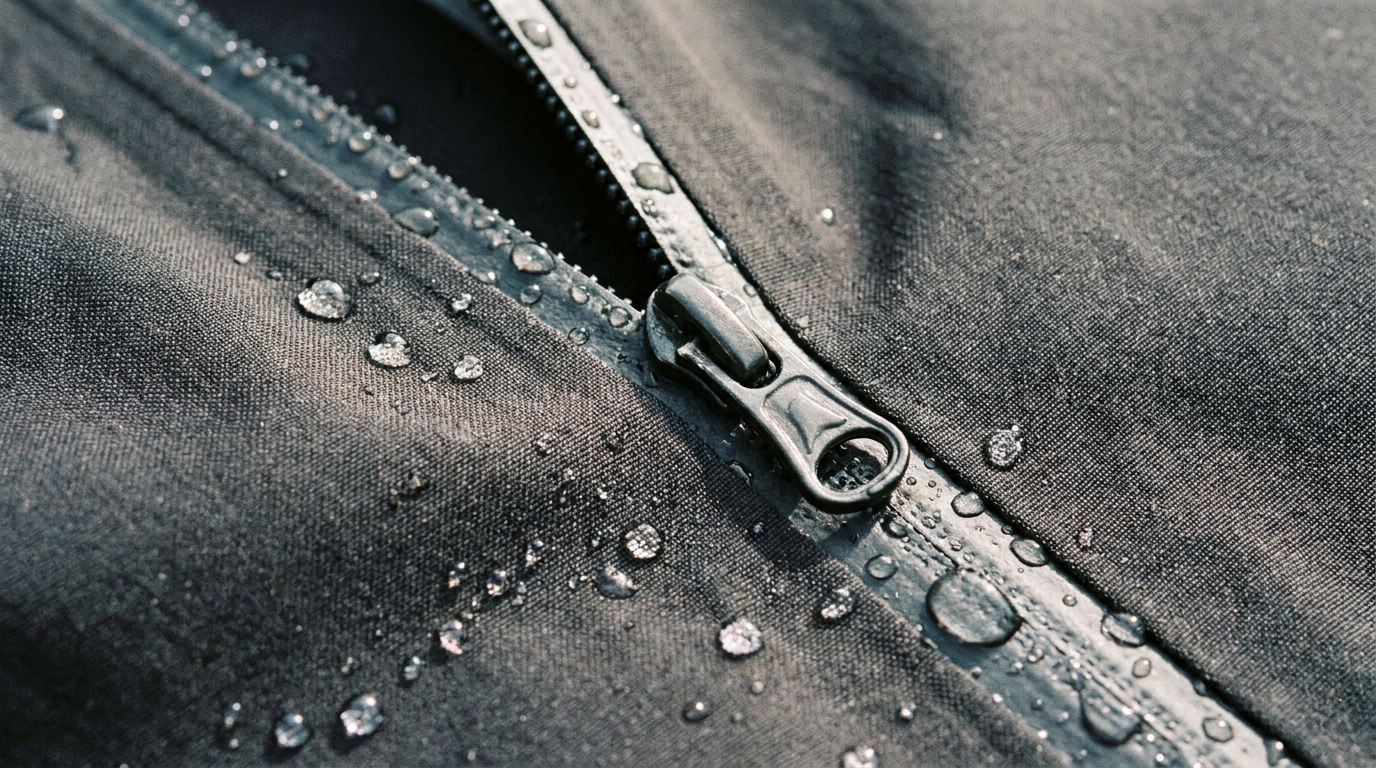
In the last section, we mentioned checking your zippers. This brings up a crucial point. You might buy a fully taped shell and still get wet. Are seam taped jackets really waterproof if water finds another way inside? Seam tape only protects the main stitching. Rain easily exploits other design flaws. Let us explore hidden leakage points beyond the main seams.
Zippers and Openings
Zippers act as primary entry points for rain. A standard coil zipper leaks almost immediately during a downpour. Manufacturers must use specific hardware to maintain waterproof status. They usually choose polyurethane (PU) coated waterproof zippers. These specialized zippers block moisture effectively. Alternatively, they use exterior storm flaps. A storm flap is folded waterproof fabric covering the zipper line. Your front zipper fails without one of these two defenses.
Pockets and Drawcords
Pockets present another major rain vulnerability. Poorly placed pocket stitching creates new needle holes. Water seeps through if factories skip taping interior pocket bags. Drawcord exits also cause hidden leakage problems. Designers place small holes near the hood or bottom hem. Upward-facing or unreinforced exits channel rain directly inside the garment.
Logos and Reflective Trims
Branding and safety features often compromise rain gear. Embroidered logos require thousands of tiny needle strikes. Water pours in if brands embroider logos but forget interior tape. Reflective trims sewn near critical areas pose the exact same risk. High-quality outdoor gear usually relies on heat-transferred logos instead of embroidery. This keeps the outer shell completely intact.
| Vulnerability Point | Common Cause of Leakage | Proper Waterproof Solution |
|---|---|---|
| Front Zippers | Standard coil design | PU-coated zippers or storm flaps |
| Pockets | Un-taped interior pocket bags | Fully sealed interior stitching |
| Logos | Needle holes from embroidery | Heat-transferred logos |
| Drawcords | Upward-facing exit holes | Reinforced downward-facing exits |
Fabric Breathability and Internal Condensation
Sometimes, your jacket is not actually leaking. You might just be sweating heavily. This brings up Moisture Vapor Transmission Rate (MVTR). MVTR measures how well a fabric breathes. High-intensity activities like trail running generate massive body heat. Sweat condenses on the cold interior fabric if it cannot escape. You quickly feel wet and cold.
Many people mistake internal condensation for a failed waterproof barrier. Here are signs you are experiencing condensation rather than actual leakage:
- Moisture feels warm rather than freezing cold.
- Dampness appears evenly across the entire interior.
- The jacket exterior shows no signs of failure.
Adding PU tape to every seam slightly reduces overall breathability. You must balance rain protection against your expected activity level.
Quality Control (QC) for Seam Taped Jackets
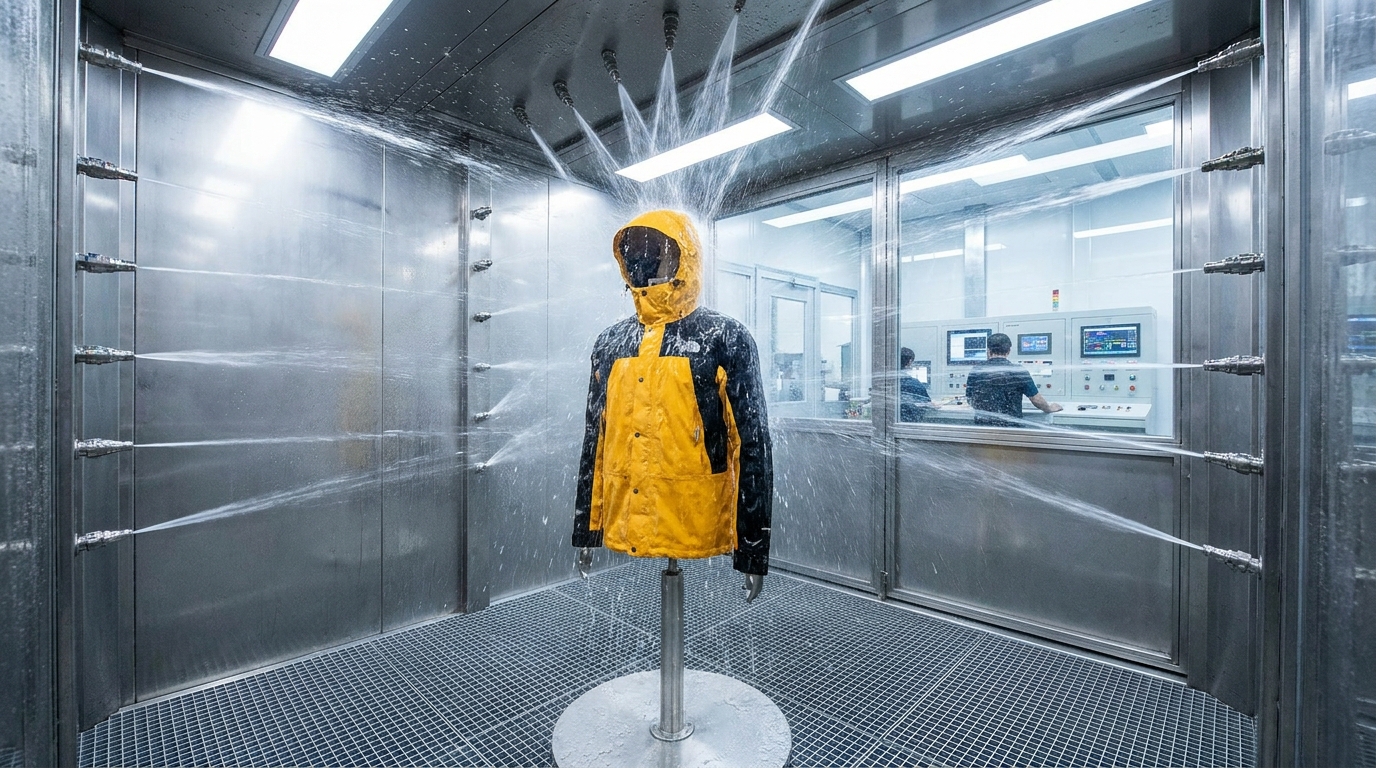
Your jacket might feature perfect waterproof hardware and avoid internal condensation. But how do you know the main stitching will hold up? Are seam taped jackets really waterproof straight from the factory line? To guarantee true weather protection, manufacturers rely on strict quality control (QC) protocols. They rigorously evaluate every prototype before starting bulk production.
Factories do not just guess about weather resistance. They put these garments through extreme physical trials. B2B buyers demand solid proof during the sampling phase. Let us explore how technicians verify these essential waterproof claims.
Hydrostatic Head Testing
First, factories measure raw pressure resistance. They use a method called Hydrostatic Head Testing. This process applies direct water pressure right against a taped seam. A specialized machine pushes a continuous column of water onto the sealed interior.
Technicians monitor the fabric closely during this process. They measure exactly how much water pressure the tape withstands before a single drop leaks through. High-performance rain gear demands excellent results here. If the tape fails early, the factory must use stronger adhesive or adjust the application heat.
Rain Room and Spray Testing
Next, outdoor brands simulate actual severe storms. They place the finished prototype inside a specialized rain room. This spray testing mimics heavy downpours coming from multiple angles. It evaluates the jacket as a complete three-dimensional object.
Technicians hunt for any hidden weak points. They specifically check high-exposure zones like the hood, shoulders, and front zippers. They also monitor the pocket attachments we discussed earlier. If moisture enters anywhere during this simulation, the factory alters the tape placement immediately.
Wash Testing and Durability
Initial protection means nothing if it degrades quickly. You will wash your gear eventually. The heat-sealed tape must survive your laundry cycle. Wash testing ensures the PU tape remains securely bonded to the fabric interior.
Factories run the sample jacket through multiple intense wash cycles. Afterward, they carefully inspect the internal seams. They look for any signs of peeling, bubbling, or delamination. If the tape loses adhesion, the jacket fails the QC check completely.
| QC Test Type | What It Measures | Real-World Benefit |
|---|---|---|
| Hydrostatic Head | Water pressure resistance on seams | Keeps you dry under heavy backpack straps |
| Rain Room / Spray | Overall garment leak vulnerability | Ensures no hidden leaks during downpours |
| Wash Testing | Tape adhesion and durability | Prevents seam peeling after laundry days |
How to Care for Your Seam Taped Jacket
In the previous section, we discussed how factories use wash testing to ensure tape adhesion survives laundry day. But how you wash your gear at home matters just as much. When people ask, “are seam taped jackets really waterproof?”, the answer depends heavily on your maintenance routine. Proper care keeps the protective barriers intact season after season. Let us look at how to clean and protect your gear.
Washing Instructions
Regular washing actually improves rain protection. Dirt, sweat, and body oils clog the waterproof membrane over time. However, standard household laundry detergents harm the garment construction. They contain harsh chemicals and heavy perfumes. These additives break down the delicate PU tape adhesive we covered earlier.
You must follow specific washing rules to protect the interior stitching:
- Always use mild technical detergents designed specifically for outdoor gear.
- Never use fabric softeners. They leave a residue that attracts water.
- Avoid bleach entirely. It destroys both the fabric and the tape.
- Wash your jacket in a front-loading machine on a gentle, cold-water cycle.
- Zip up all zippers and fasten all closures before washing to prevent snagging.
Drying Techniques
After washing, you must dry the garment carefully. Air drying on a sturdy plastic hanger is the safest initial step. It puts zero stress on the sealed needle holes. Simply hang it in a well-ventilated room away from direct sunlight.
However, most waterproof shells also feature a Durable Water Repellent (DWR) exterior coating. This chemical coating needs heat to reactivate. Once the jacket is mostly air-dried, place it in the dryer. Use a low-heat setting for 15 to 20 minutes.
High heat is extremely dangerous. Remember how factories use intense heat to melt the tape during production? A hot dryer can accidentally melt that same adhesive. This causes the tape to peel away from the seams completely.
Troubleshooting: Peeling and Flaking Tape
Even with perfect care, seam tape degrades over time. You might notice the tape peeling, bubbling, or flaking off the interior stitching. When this happens, water easily enters the exposed needle holes. Your jacket will leak during the next rainstorm.
You have two main options for repairs when the tape fails. You can attempt a DIY fix or hire a professional service.
For small peeling sections, you can apply specialized seam grip adhesive at home. You simply paint the liquid urethane over the failing tape and let it cure overnight. It forms a flexible, waterproof rubber seal over the gap.
For extensive flaking across multiple panels, consider professional repair. Outdoor gear repair shops can remove the old tape entirely. They then apply a fresh tape layer using commercial heat presses. This restores the jacket to its original factory condition.
| Care Category | Recommended Action | Actions to Avoid |
|---|---|---|
| Washing | Use technical outdoor detergents | Using fabric softeners or bleach |
| Drying | Air dry first, then tumble dry on low | Using high heat settings |
| Minor Repairs | Apply liquid seam grip adhesive | Using standard duct tape or superglue |
| Major Repairs | Send to a professional repair shop | Attempting to iron on new tape at home |
Conclusion
Seam taping plays a critical role in keeping you dry. Are seam taped jackets really waterproof? Yes, fully taped garments offer the best protection. They block water from entering tiny needle holes.
- Inspect the interior construction before buying any rain gear.
- Verify if the jacket features fully or critically taped seams.
- Wash your jacket with specialized technical detergents.
Frequently Asked Questions About Seam Taped Jackets
What does fully taped seams mean on a jacket?
Every main sewn seam is sealed inside the jacket. Heat and pressure apply tape over the needle holes. This blocks water from leaking through the stitching. You need this construction for heavy rain or trail running. It ensures the jacket acts as a true waterproof shell.
Why does my waterproof jacket still leak in the rain?
High waterproof fabric ratings do not guarantee full protection. Water can enter through unsealed needle holes along the seams. Zippers without protective storm flaps are also primary leakage points. Pocket attachments and drawcord exits can let water inside too. A jacket must have fully taped seams to stop leaks.
Are critically taped seams good enough for heavy rain?
Critically taped seams only cover high-exposure areas like shoulders. They protect the hood and upper body from vertical rain. This design reduces weight and cost for the manufacturer. However, it is only sufficient for light rain or short trips. You should choose fully taped seams for serious storms.
Will seam tape peel off after washing the jacket?
Seam tape can degrade if you wash it improperly. Factories use heat and pressure to ensure strong tape adhesion. Quality control protocols verify this bond before selling the gear. You should follow the care label to maintain the waterproof seal. Gentle washing helps the tape survive multiple laundry cycles.
Does adding seam tape make a jacket less breathable?
Taping covers tiny holes and adds an extra inner layer. This can slightly reduce the overall breathability of the garment. Fully taped jackets might feel warmer during high-intensity activities. Brands balance this by using highly breathable waterproof membranes. You must weigh the trade-off between absolute dryness and cooling.
Seam taped jackets provide vital protection against heavy rain. The tape covers vulnerable needle holes created during manufacturing. Fully taped garments offer the best defense for serious outdoor activities. Critically taped options work well for light rain and casual use. You must also check zippers and pockets for potential leaks.
- Inspect the inner seams of your jacket for shiny tape strips.
- Verify if the zippers feature waterproof coatings or storm flaps.
- Ask your supplier about their specific spray testing procedures.
- Choose fully taped shells for intense trail running sessions.