English
 French
 German
 Japanese
 Russian
 Spanish
 Portuguese

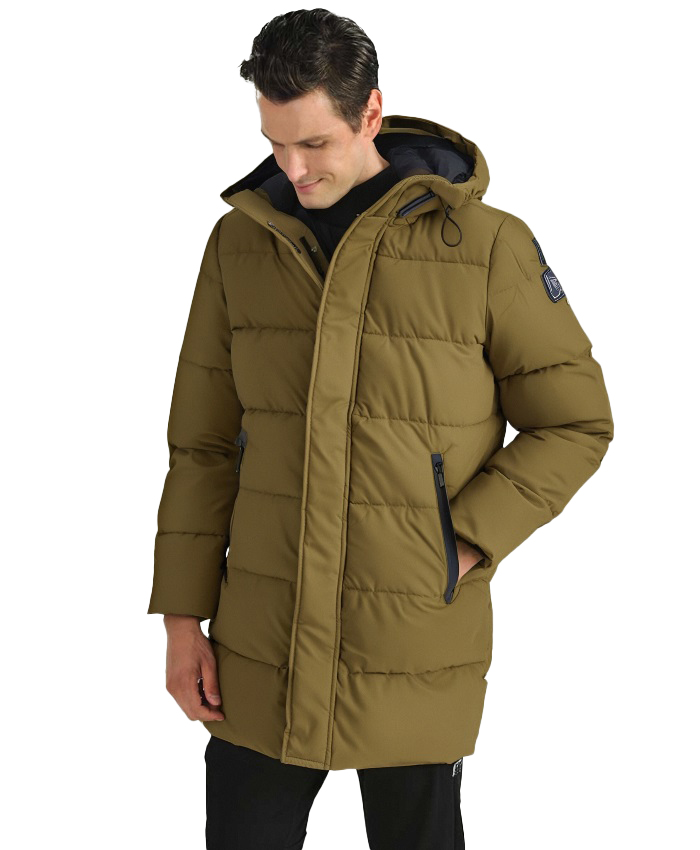

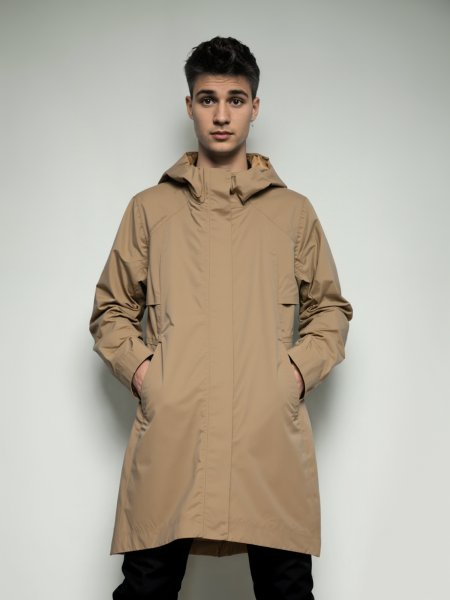
Unpredictable weather makes packing a reliable outdoor jacket tricky when you want to avoid extra bulk. While many lightweight jackets offer protection, not all are fully waterproof. This guide will help you spot the difference and choose the perfect lightweight waterproof jacket for your needs.
Waterproof vs. Water-Resistant vs. Windproof
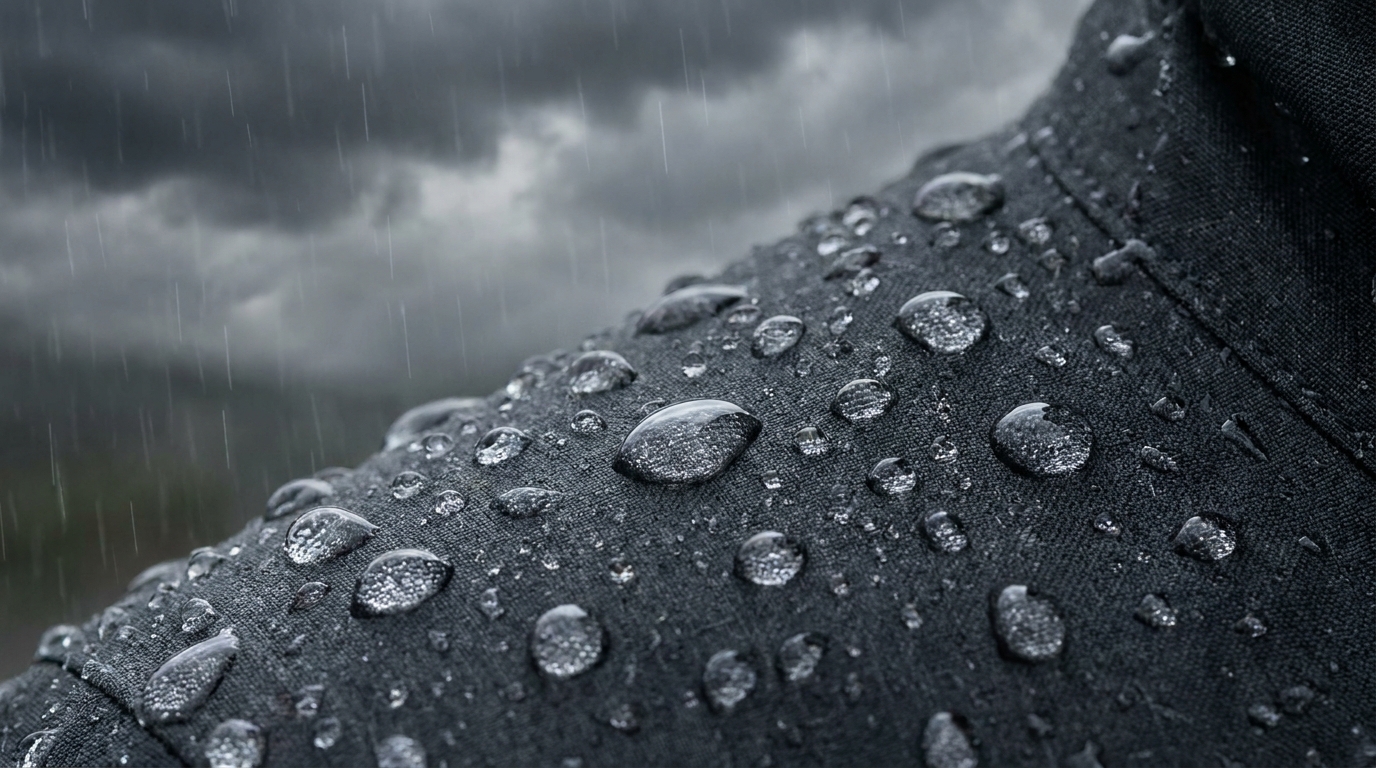
Many buyers confuse these three terms when shopping for gear. Knowing the difference prevents you from getting soaked during a sudden downpour.
What Makes a Jacket Truly Waterproof?
A truly waterproof jacket blocks heavy, sustained rain. It relies on specialized breathable membranes, such as Gore-Tex. These advanced membranes contain microscopic pores small enough to block rain but large enough to let sweat escape. Waterproof garments also feature fully taped or sealed seams to prevent moisture from leaking through the stitching. Manufacturers measure this protection using a hydrostatic head rating. A rating of 10,000mm or higher generally means the jacket is fully waterproof.
Understanding Water-Resistant Jackets
Water-resistant jackets handle light drizzle and brief showers. They usually lack a waterproof membrane. Instead, the outer fabric is treated with a Durable Water Repellent (DWR) coating, which makes water bead up and roll off the surface. Under heavy or prolonged rain, however, water eventually pushes through the fabric. Many softshell jackets fall into this category, offering excellent mobility and breathability but limited storm protection.
The Role of Windproof Jackets
Windproof jackets focus entirely on blocking cold air. They are often ultra-light and pack down very small. While they stop biting winds, they offer almost no rain protection. Some windproof shells have a light DWR treatment, but you should only rely on them in dry, windy conditions.
Choosing the Right Level of Protection
When selecting an outdoor jacket, match the fabric technology to your local climate. A fully waterproof shell is essential for wet, unpredictable weather, keeping you dry during long hikes in heavy rain. If you expect dry weather with cold breezes, a windproof layer works best. For highly active sports in light mist, a breathable water-resistant softshell is ideal.
| Jacket Type | Rain Protection | Wind Protection | Best For |
|---|---|---|---|
| Waterproof | High (Heavy Rain) | High | Wet climates and heavy storms |
| Water-Resistant | Low (Light Drizzle) | Medium | Active sports and light mist |
| Windproof | None to Very Low | High | Dry, windy conditions |
Common Types of Lightweight Jackets
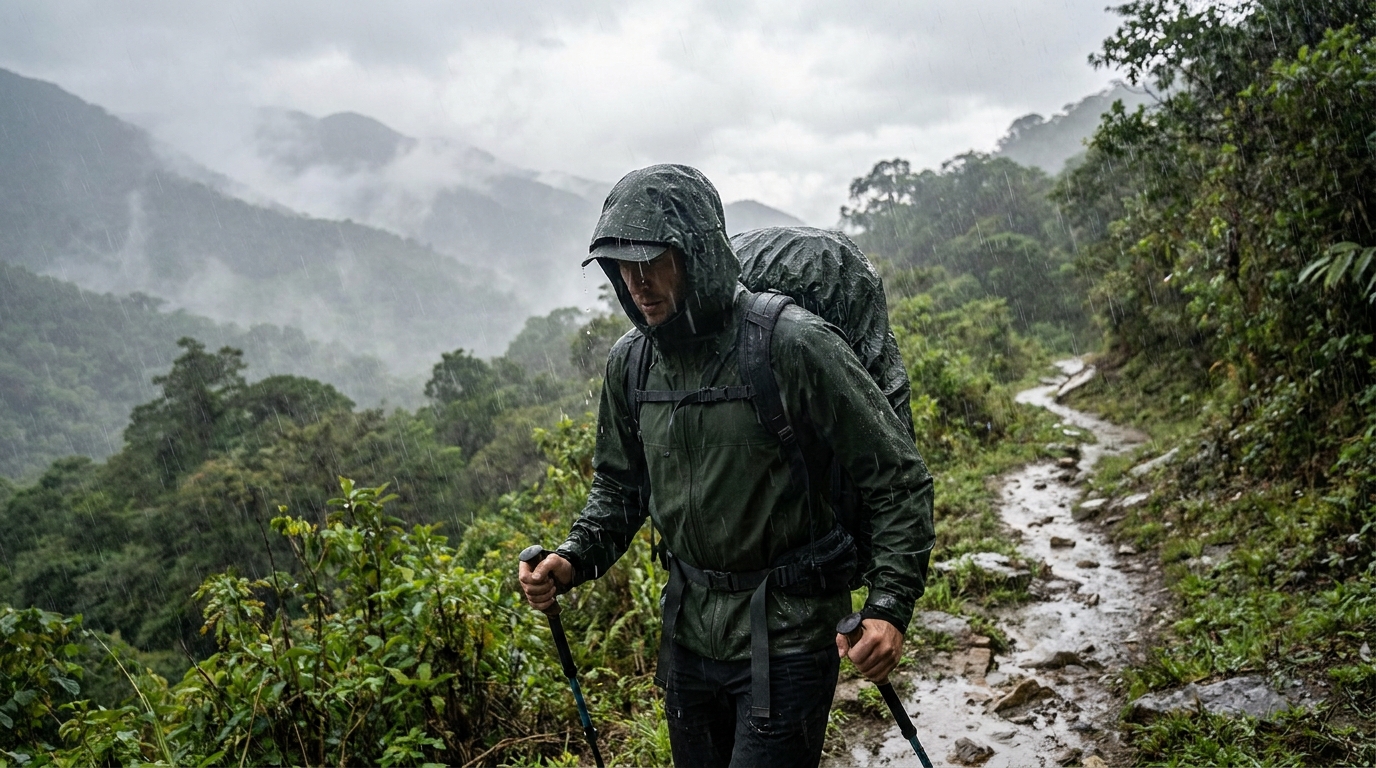
Different jacket styles serve distinct purposes in your outdoor layering system. Knowing how each type performs helps you choose the right gear for your climate.
Hard Shell Jackets
Hard shells are the gold standard for true waterproof protection. They utilize advanced breathable membranes, such as Gore-Tex, without built-in insulation. Instead, they focus entirely on blocking heavy rain and harsh winds. You should wear them as your protective outer layer during severe weather.
Softshell Jackets
Softshells prioritize flexibility, breathability, and comfort. Manufacturers weave them with stretchy fabrics, making them perfect for hiking or climbing. Softshells offer water resistance rather than full waterproof protection. They easily shed light mist and block moderate winds but will eventually soak through during a prolonged downpour.
Lightweight Insulated and Down Jackets
These jackets provide essential warmth using natural down or synthetic fill. They pack down small and feel incredibly light. Unfortunately, standard down feathers collapse when exposed to moisture. Once wet, a down jacket instantly loses its ability to trap heat. Because they lack waterproof membranes, you must pair them with a hard shell when rain threatens.
Packable Windbreakers
Windbreakers serve as highly compressible emergency layers that often stuff into their own pockets. They fit easily into a small daypack or running vest. While they effectively block chilly gusts, they do not feature waterproof membranes. You should only deploy them in dry conditions or very brief, light drizzle.
Essential Features of a True Waterproof Lightweight Jacket
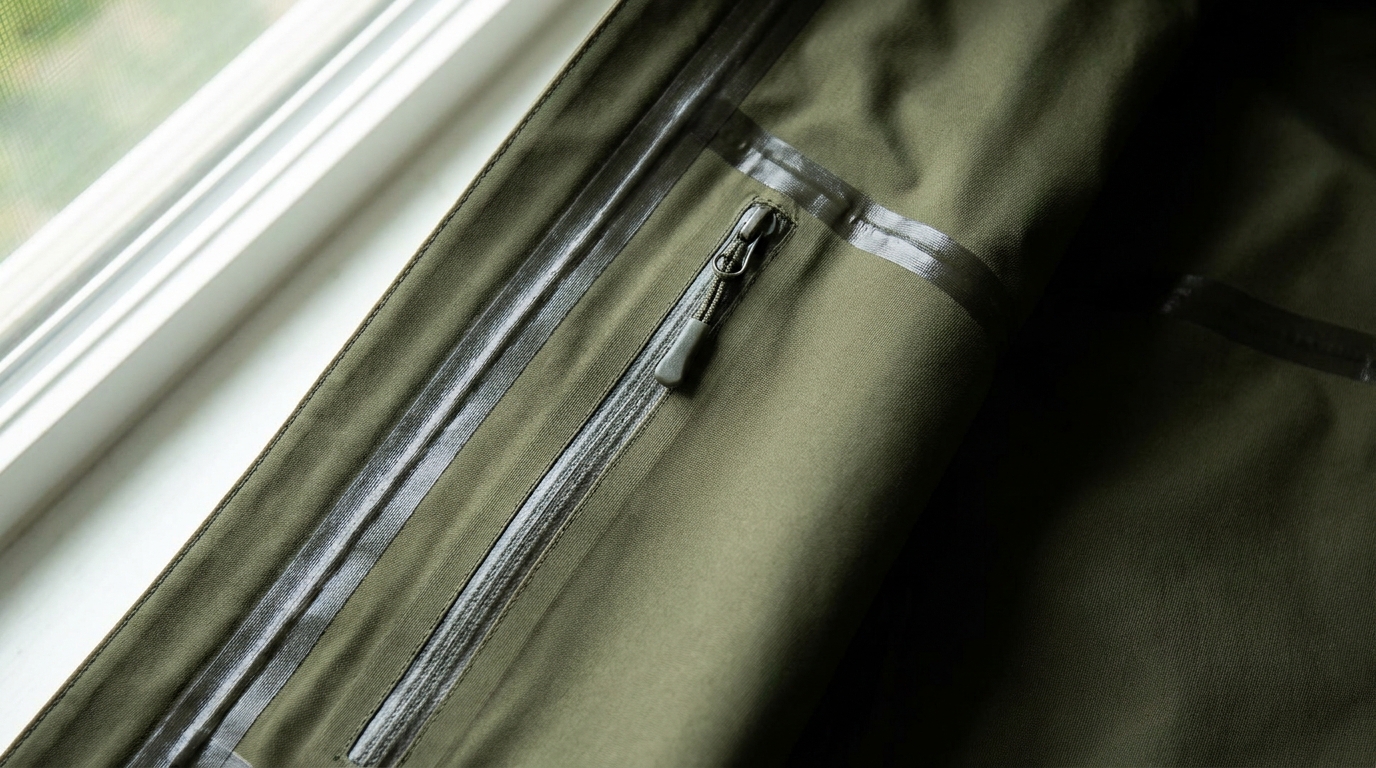
When you select a waterproof lightweight jacket, the fabric alone does not guarantee dryness. The garment relies on a system of specific features to block heavy rain.
Waterproof Membranes
A dedicated membrane is the core of any true waterproof shell. Technologies like Gore-Tex sit just beneath the outer fabric layer, acting as a two-way barrier. It physically stops external water droplets from penetrating the jacket while allowing moisture vapor from your sweat to escape. Without this specialized layer, a jacket cannot provide reliable storm protection.
Taped and Sealed Seams
A jacket is only as waterproof as its weakest point. Sewing waterproof fabric together creates thousands of tiny needle holes. If left exposed, water will quickly leak through the stitching. To prevent this, quality jackets feature fully taped or welded seams, where waterproof tape is heat-sealed over every interior seam. Always check the product description for fully taped seams. Jackets with only critically taped seams leave vulnerable areas exposed, which can leak during heavy downpours.
Adjustable Hoods and Cuffs
Rain rarely falls straight down in a severe storm. Wind blows water from every angle, making physical barriers essential. A well-designed jacket includes a cinchable hood with a stiffened brim to keep water away from your face and neck. Adjustable Velcro cuffs let you tighten the sleeves over your gloves. Additionally, look for waterproof zippers or protective storm flaps to seal the front opening and pockets, stopping water from sneaking in through the hardware.
Breathability Ratings
Blocking rain is only half the battle. If a jacket traps all your body heat, you will sweat heavily and end up completely soaked from the inside out. This makes breathability just as critical as waterproofing for active users. Manufacturers measure breathability in grams per square meter (g/m²). This number shows how much moisture vapor passes through the fabric in 24 hours.
| Breathability Rating (g/m²) | Activity Level | Typical Use Case |
|---|---|---|
| 5,000g – 10,000g | Low | Casual walking, everyday use, and light chores |
| 10,000g – 15,000g | Moderate | Hiking, brisk walking, and moderate outdoor travel |
| 15,000g – 20,000g+ | High | Trail running, mountaineering, and intense climbing |
Integrating Your Jacket into a Layering System
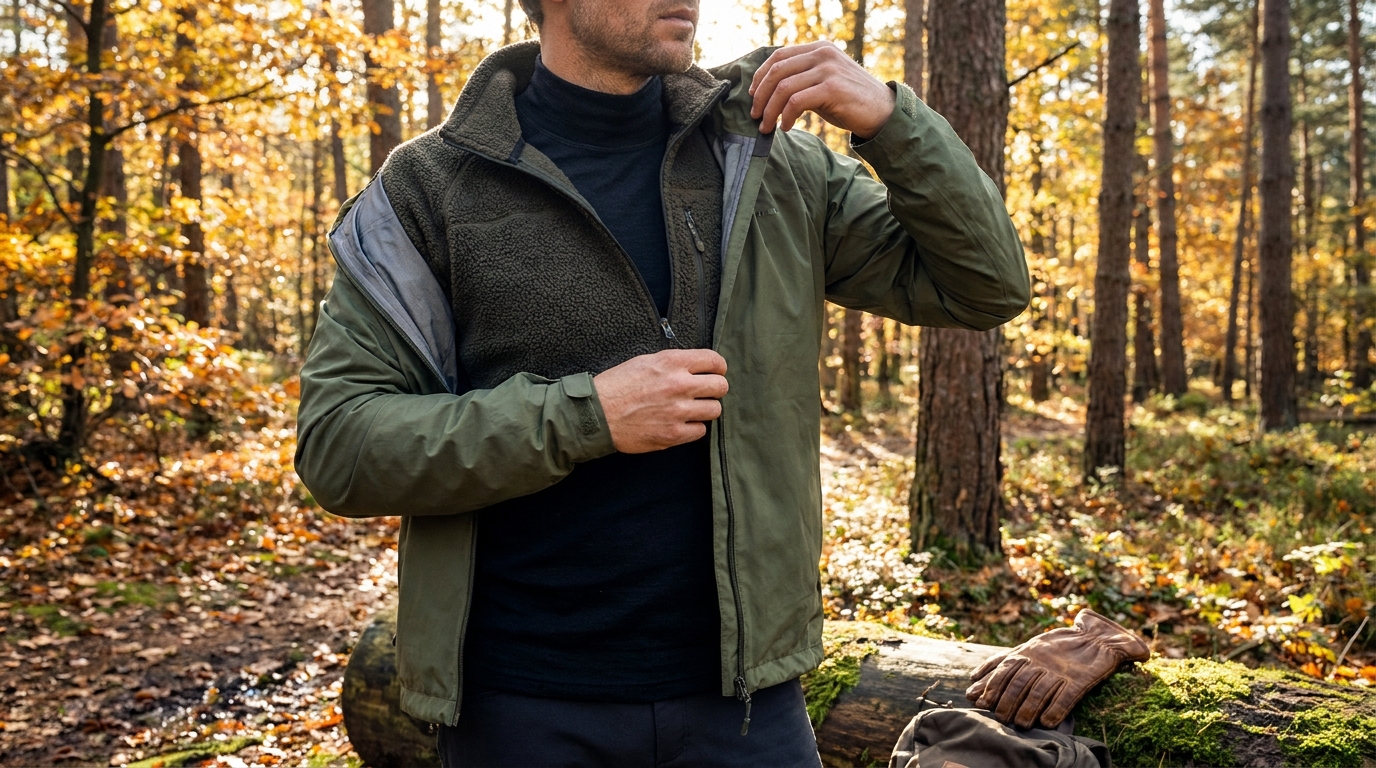
A single waterproof lightweight jacket cannot handle every weather condition on its own. You will get the best performance by using it within a proper layering system. This approach lets you quickly adjust to changing temperatures and shifting storm patterns.
The Base Layer
Your base layer sits directly against your skin. Its primary job is moving sweat away from your body. Avoid cotton shirts, which absorb moisture and leave you feeling cold. Instead, choose moisture-wicking materials like synthetic fabrics or merino wool. A good base layer works with your jacket’s breathable membrane, pushing sweat outward so the shell can vent it away.
The Mid Layer
The mid layer provides the insulation your shell lacks. Its main purpose is trapping your natural body heat. Popular options include breathable fleeces, insulated vests, and down jackets. You can easily add or remove this layer depending on your activity level. If you are climbing a steep trail, you might pack away your fleece. When you stop to rest, put it back on to prevent chills.
The Outer Shell
Your waterproof lightweight jacket serves as the final protective barrier. It acts as an outer shell to block driving rain and harsh winds. Because this layer focuses solely on weather protection, it prevents you from overheating during intense movement. When combined with proper base and mid layers, the shell completes a highly efficient system that keeps external water out while allowing internal moisture to escape.
Common Mistakes When Buying and Maintaining Rain Gear
When shopping for a waterproof lightweight jacket, it is easy to confuse different outerwear categories. Proper selection and maintenance are crucial for staying dry. Avoiding a few common errors will greatly extend the life of your gear.
Assuming All Softshells are Raincoats
Retailers often separate softshell jackets from fully waterproof options as a practical warning for buyers. While softshells provide excellent mobility and block wind, they are not true raincoats. They handle light drizzle well but will soak through quickly during a heavy downpour. Always verify that the garment features a waterproof membrane and taped seams before trusting it in a storm.
Ignoring Breathability for Price
Budget-friendly raincoats might seem appealing, but they often sacrifice breathability. Cheap, rubber-like jackets block rain effectively but trap all your body heat inside. As you move, your sweat has nowhere to go. You will end up just as wet from internal condensation as you would from the rain. Investing in a jacket with the proper breathability rating ensures you stay completely dry.
Poor Washing Practices
Proper maintenance is essential for keeping your gear functional. A frequent mistake is tossing your jacket into the wash with regular laundry. Standard household detergents and fabric softeners leave behind invisible residues that clog the microscopic pores of the waterproof membrane, ruining its breathability. Harsh chemicals also strip away the factory DWR coating. Always use specialized technical washes designed specifically for outdoor apparel.
Forgetting to Re-Waterproof
Even the best jackets lose their water-shedding ability over time. Dirt, body oils, and regular friction wear down the DWR finish. When rain stops beading up and starts soaking into the outer fabric, it is time to re-waterproof. You can easily restore this protective layer at home.
- Wash-in treatments: Best for treating the entire garment evenly in a washing machine.
- Spray-on treatments: Ideal for targeting high-wear areas like shoulders and cuffs on clean, damp fabric.
Heat from a tumble dryer often helps activate the new coating. However, you must always check the manufacturer’s care label before applying any heat to the garment.
Frequently Asked Questions About Lightweight Waterproof Jackets
Can I use a softshell jacket as a raincoat?
No, softshell jackets are designed for flexibility and breathability, making them highly water-resistant but not fully waterproof. They easily handle light drizzle, but water will eventually soak through during a heavy, prolonged downpour. For severe storms, use a hard shell jacket with a waterproof membrane and taped seams.
How should I wash my waterproof lightweight jacket?
Never wash your waterproof jacket with standard household detergents or fabric softeners. These everyday cleaners leave behind residues that clog the breathable membrane and strip away the protective DWR coating. Instead, use specialized technical washes designed specifically for outdoor apparel.
Why am I getting wet inside my waterproof jacket?
You are likely experiencing condensation from your own sweat. If a jacket lacks a high breathability rating, it traps your body heat inside. As you move, your sweat cannot escape through the fabric, leaving you soaked from the inside out. Choose a jacket with a breathable membrane that matches your activity level to prevent this.
Do lightweight waterproof jackets provide warmth?
True waterproof lightweight jackets, often called hard shells, do not have built-in insulation. Their sole purpose is to block heavy rain and harsh winds. To stay warm, wear a moisture-wicking base layer against your skin and add an insulating mid layer, like a fleece or down jacket, underneath your waterproof shell.
How do I know when to re-waterproof my rain jacket?
It is time to re-waterproof your jacket when rain stops beading up and starts soaking directly into the outer fabric. Dirt, body oils, and normal wear break down the factory DWR coating over time. You can restore this protection at home using wash-in or spray-on treatments, following the manufacturer’s care instructions.
Conclusion
Lightweight jackets can definitely be waterproof if they include a breathable membrane, DWR coating, and fully sealed seams. To find your ideal outdoor layer, assess your daily activities to balance weight, breathability, and weather protection.
- Check jacket tags for waterproof ratings and taped seams.
- Evaluate your local climate and expected rainfall.
- Use specialized cleaners to maintain your jacket’s DWR coating.