English
  French
  German
  Japanese
  Russian
  Spanish
  Portuguese
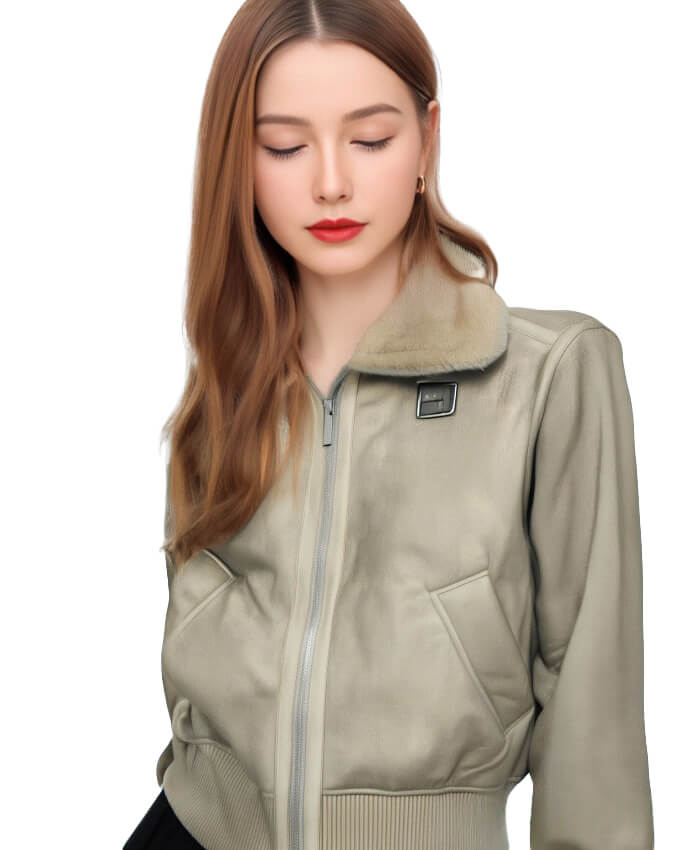
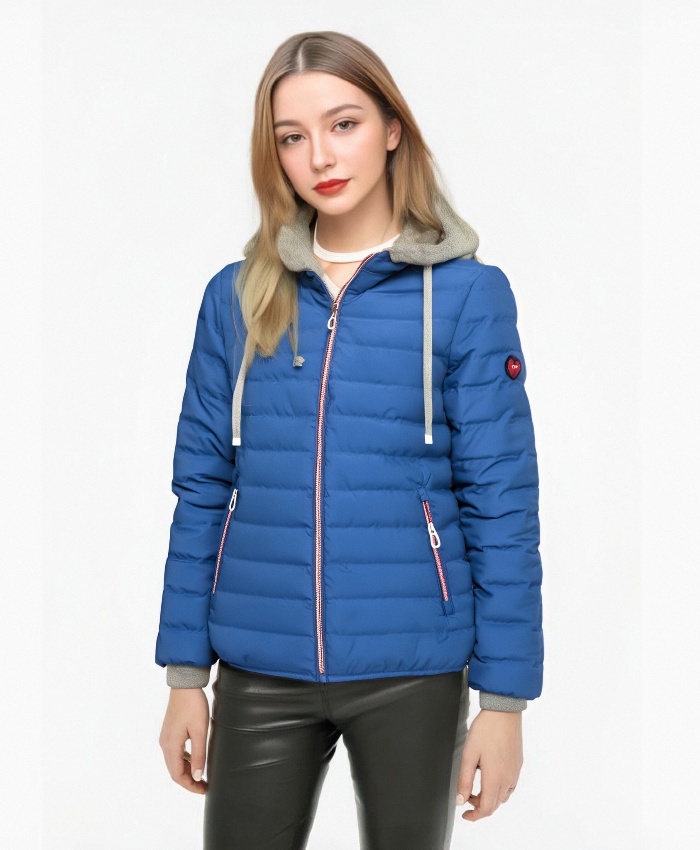
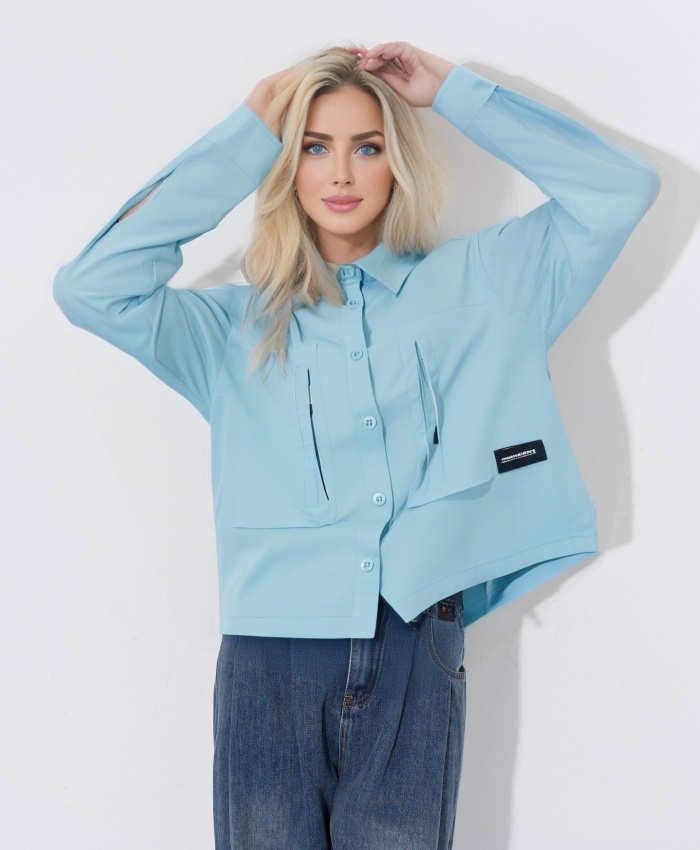
When the mercury drops to freezing and winter’s harshest winds blow, the quest for the warmest outerwear becomes a top priority. Two heavyweights dominate the cold-weather market: fur coats and down jackets. For decades, fur has been synonymous with luxury and extreme warmth, while down has earned a reputation as a lightweight, high-performance insulator. But the age-old question remains: Are fur coats warmer than down? The answer isn’t a simple yes or no—it depends on factors like material quality, design, climate, and lifestyle. In this blog, we’ll break down the science of warmth behind both fur and down, compare their performance in different conditions, and help you decide which one deserves a spot in your winter wardrobe.
To settle the debate, we’ll dive into how each material insulates, their pros and cons, and which one excels in specific winter scenarios. By the end, you’ll have a clear understanding of whether fur coats truly outperform down—or if down’s practicality makes it the better choice for your needs.
The Science of Warmth: How Fur and Down Insulate
Before we compare fur and down, it’s critical to understand the basic principle of winter warmth: insulation works by trapping air. Air is a poor conductor of heat, so the more still air a material can trap close to your body, the better it is at retaining body heat and blocking cold air. Both fur and down rely on this principle, but their structures and methods of trapping air differ significantly—this is where their warmth differences begin.
How Fur Coats Insulate
Fur’s warmth comes from its natural, multi-layered structure, evolved over millennia to keep animals warm in frigid environments. A genuine fur coat (from animals like arctic fox, sable, or beaver) consists of two key layers: long, coarse guard hairs and a dense, soft undercoat. The guard hairs act as a protective barrier, repelling wind, snow, and moisture, while the undercoat—composed of thousands of fine, hollow fibers—traps air effectively.
The hollow fibers in the undercoat are the secret to fur’s insulation. These fibers create tiny air pockets that lock in body heat and prevent it from escaping. For example, arctic fox fur boasts an astonishing 20,000 hairs per square centimeter, creating a dense thermal barrier that can withstand temperatures as low as -40°C (-40°F). Additionally, fur’s natural oils make it water-resistant, helping it retain its insulating properties even in light snow or damp conditions. Unlike synthetic materials, fur also creates a “microclimate” around the body, maintaining a consistent temperature of 98.6°F (37°C) even in extreme cold.
The warmth of a fur coat also depends on the type of fur. Higher-quality furs like sable and chinchilla have the densest undercoats, making them the warmest options. Even mid-range furs like fox or mink outperform many down jackets in dry, frigid conditions, thanks to their superior air-trapping ability and wind resistance.
How Down Jackets Insulate
Down insulation comes from the soft, fluffy under feathers of ducks or geese—these feathers are not the hard, outer feathers, but the fine, web-like filaments that grow close to the bird’s body. Down’s warmth lies in its ability to loft (expand) and trap large volumes of air. The key metric for down quality is fill power, which measures how much volume one ounce of down occupies in cubic inches. A higher fill power means the down can trap more air, providing better warmth per ounce.
For example, 600-fill power down is suitable for mild winters, while 800+ fill power down (considered premium) is designed for extreme cold. High-quality down (like 900+ fill power) has a exceptional warmth-to-weight ratio—meaning it’s lightweight but incredibly effective at trapping heat. Unlike fur, down is compressible, making down jackets easy to pack and store. However, down’s biggest weakness is moisture: when wet, down clumps together, loses its loft, and nearly all its insulating properties. Even a light drizzle can compromise a down jacket’s warmth unless it’s treated with a hydrophobic coating or paired with a waterproof shell.
Fur vs. Down: A Head-to-Head Warmth Comparison
Now that we understand how each material insulates, let’s compare their warmth directly. The short answer: high-quality fur coats are generally warmer than most down jackets in dry, extreme cold. But down jackets have distinct advantages that make them more practical for many people. Here’s a detailed breakdown:
Warmth in Extreme Dry Cold
In temperatures below -10°C (14°F), fur coats have the upper hand. The dense undercoat and wind-resistant guard hairs create a more effective thermal barrier than down. For example, a full-length arctic fox fur coat can keep you comfortable in -30°C (-22°F) weather, while even a high-quality 800-fill down jacket may require layering to match that warmth. According to textile research, fur’s thermal conductivity is lower than down, meaning it slows heat transfer more effectively—this is why fur coats feel “warmer to the touch” than down jackets in extreme cold.
Genuine fur’s ability to trap air in tiny, dense pockets (thanks to its multi-layered structure) gives it an edge over down, which relies on loft alone. Even mid-weight fur coats outperform standard down jackets in dry, frigid conditions, making them ideal for regions with harsh, snowless winters (like parts of Canada, Alaska, or Siberia).
Warmth in Wet or Humid Cold
Here’s where down (specifically treated down) pulls ahead. Fur coats, while water-resistant, are not waterproof. Prolonged exposure to rain, heavy snow, or humidity can dampen the undercoat, reducing its loft and warmth. Wet fur takes a long time to dry and can become stiff or damaged if not cared for properly.
Down jackets, on the other hand, can be treated with hydrophobic coatings (like DWR) or paired with a waterproof shell to repel moisture. Synthetic down alternatives (like Primaloft or Thinsulate) retain their warmth even when wet, making them ideal for rainy or snowy climates (like Seattle, London, or the Pacific Northwest). While untreated down loses its warmth when wet, modern down jackets often feature water-resistant down (WRD) that maintains its loft and insulation in damp conditions.
Warmth-to-Weight Ratio
Down jackets win hands down in this category. A high-quality 800-fill down jacket can provide the same warmth as a fur coat but at a fraction of the weight. Fur coats are inherently heavy—full-length fur coats can weigh 5–10 pounds, while a down jacket with similar warmth weighs just 1–3 pounds. This makes down jackets far more practical for everyday use, commuting, or outdoor activities (like hiking, skiing, or walking the dog), where mobility is key.
Fur’s weight is a trade-off for its extreme warmth, but it can feel cumbersome for all-day wear. Down’s lightweight design allows for easy layering and movement, making it a better choice for active winter lifestyles.
Other Key Factors to Consider (Beyond Warmth)
Warmth is important, but there are other factors that influence whether a fur coat or down jacket is right for you. These include durability, cost, ethics, and style—all of which play a role in your purchasing decision.
Durability & Longevity
Fur coats are incredibly durable—with proper care, a genuine fur coat can last 30+ years, often becoming a family heirloom. The natural fibers resist wear and tear, and the patina of fur improves with age, giving it a unique, luxurious look. Down jackets, by contrast, have a shorter lifespan—even high-quality down jackets last 5–10 years, as the down loses its loft over time with washing and wear.
Fur requires specialized care (professional cleaning, proper storage) to maintain its quality, while down jackets are easier to care for (machine washable with gentle detergent, air-dried). However, the longevity of fur makes it a better long-term investment, even with higher maintenance costs.
Cost
Fur coats are significantly more expensive than down jackets. A genuine fur coat (arctic fox, sable, or mink) can cost $5,000–$20,000+, while a high-quality down jacket (800+ fill power) costs $500–$2,000. Synthetic fur coats (a more affordable alternative) cost $1,000–$3,000 and offer 80% of the warmth of genuine fur, making them a budget-friendly option for those who want the look and warmth of fur without the high price tag.
Down jackets offer better value for money for most people, as they are more affordable and practical for everyday use. Fur coats are a luxury investment, best suited for those who prioritize extreme warmth and timeless style.
Ethics & Sustainability
This is a major point of contention for many shoppers. Genuine fur comes from animals, and the fur industry has faced criticism for inhumane practices (confined living conditions, unethical killing methods) and environmental impact (resource depletion, pollution). As a result, many brands now offer ethical fur alternatives, such as recycled fur or faux fur (made from recycled polyester or plant-based materials).
Down jackets also have ethical considerations: conventional down is often sourced from ducks or geese that are live-plucked or force-fed. However, responsible down standards (RDS) ensure that down is sourced humanely, as a byproduct of the food industry, with no live-plucking or force-feeding. For eco-conscious shoppers, synthetic down or faux fur are cruelty-free options that offer similar warmth to their natural counterparts.
Style & Versatility
Fur coats are synonymous with luxury and timeless style. They add a touch of elegance to any outfit, from formal events to casual outings, and come in a range of styles (full-length, cropped, shearling-lined). However, fur coats are less versatile than down jackets—they are often considered “dressy” and may feel out of place in casual settings.
Down jackets are far more versatile, with styles ranging from sleek, fitted designs to bulky parkas. They pair well with jeans, leggings, and even dresses, making them ideal for everyday wear. Down jackets also come in a variety of colors, allowing you to express your personal style while staying warm.
Which One Should You Choose?
The choice between a fur coat and a down jacket depends on your climate, lifestyle, budget, and values. Here’s a quick guide to help you decide:
Choose a Fur Coat If:
-
You live in a region with extreme, dry cold (temperatures below -10°C / 14°F).
-
You prioritize extreme warmth and are willing to invest in a long-lasting, luxurious piece.
-
You prefer a timeless, elegant style and don’t mind the weight or maintenance.
-
You opt for ethical fur (recycled, faux, or responsibly sourced) to align with your values.
Choose a Down Jacket If:
-
You live in a region with mild to moderate winter cold, or wet/snowy conditions.
-
You need a lightweight, mobile option for commuting, outdoor activities, or everyday wear.
-
You’re on a budget and want better value for money.
-
You prefer a versatile, casual style that pairs with any outfit.
-
You prioritize ethical, cruelty-free options (choose RDS-certified down or synthetic down).
Final Verdict: Are Fur Coats Warmer Than Down?
In terms of raw warmth in dry, extreme cold: yes, high-quality fur coats are warmer than most down jackets. Their dense, multi-layered structure and natural air-trapping ability make them superior insulators in frigid, dry conditions. However, down jackets offer better practicality, versatility, and value for most people, especially those in wet climates or with active lifestyles.
It’s not a matter of one being “better” than the other—they excel in different scenarios. A fur coat is a luxury investment for extreme cold and timeless style, while a down jacket is a practical, everyday essential for most winter climates. For many shoppers, the ideal winter wardrobe includes both: a down jacket for daily use and a fur coat (or high-quality faux fur) for the coldest days or special occasions.
Ultimately, the best choice is the one that fits your climate, lifestyle, and values. Whether you choose fur or down, the goal is to stay warm, comfortable, and stylish all winter long—without compromising on what matters most to you.