English
  French
  German
  Japanese
  Russian
  Spanish
  Portuguese

Finding the perfect winter coat is tough. Are you stuck debating insulation types?
Down parkas use natural feathers for extreme warmth. Synthetic parkas use man-made fibers for wet weather.
In this post, you will learn the key differences. We will help you make an informed choice.
Understanding the Down Parka
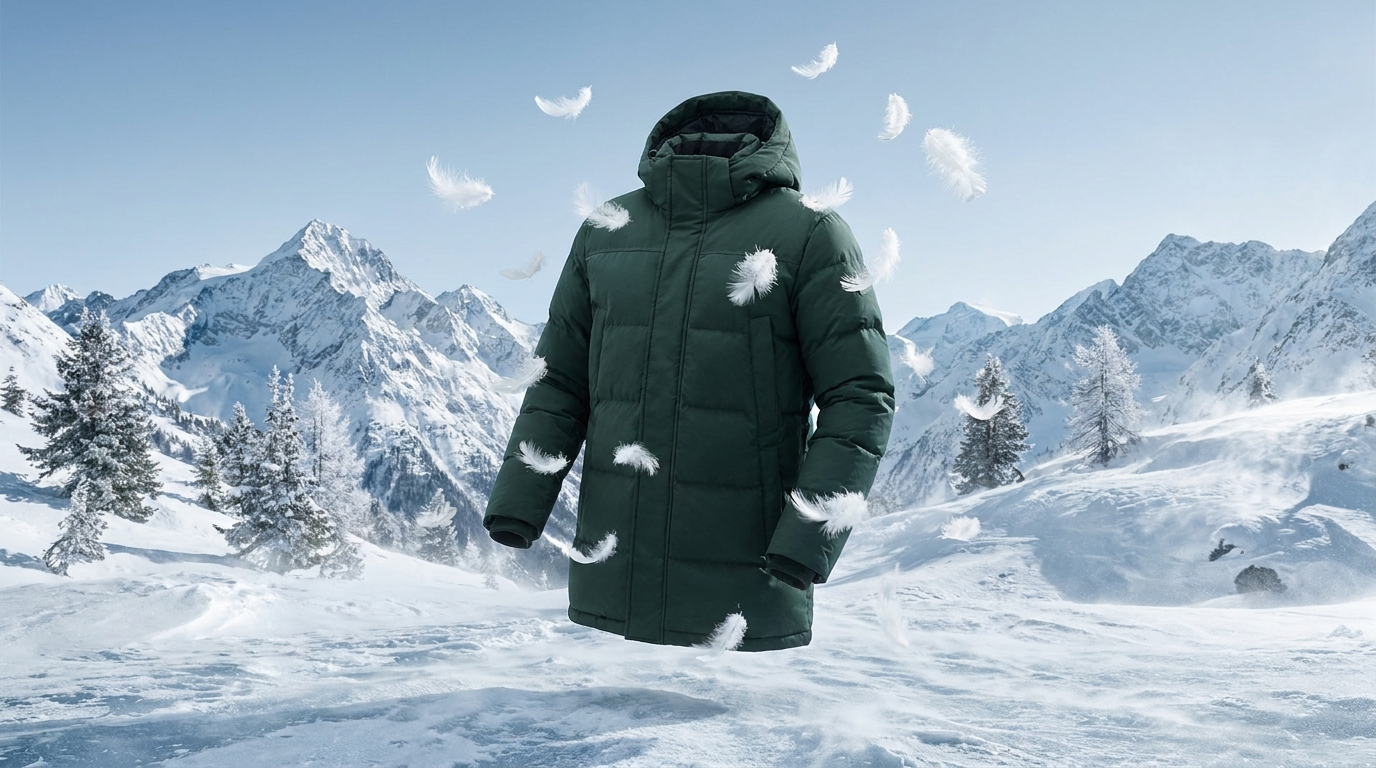
To make an informed choice, we must first look at the traditional heavyweight champion of winter coats. But what exactly is down insulation?
What is Down Insulation?
It consists of the light, fluffy under-feathers found beneath the tougher exterior feathers of ducks and geese. These clusters, called plumules, create thousands of tiny air pockets. They trap your body heat and keep the cold out.
When shopping for a down parka, you will see a “Fill Power” (FP) rating. This number measures the quality and loft of the feather clusters. The scale typically ranges from 450 up to 900+. A 550 to 650 rating is standard for everyday winter wear. Ratings of 800 or higher indicate premium, ultralight insulation. Higher fill power means the coat needs less physical weight to achieve the same level of warmth.
Pros of a Down Parka
Natural feathers offer distinct advantages for extreme cold environments.
- Unmatched Warmth-to-Weight Ratio: Down provides roughly three times the warmth per ounce compared to man-made alternatives. You stay incredibly warm without feeling weighed down.
- High Compressibility: These jackets pack down very small. You can compress a premium down coat to about one-third the size of a comparable synthetic one. This makes it perfect for travel or stuffing into a backpack.
- Exceptional Durability: If cared for properly, these clusters retain their bounce for decades. A high-quality jacket can easily last 10 to 20 years before losing its loft.
Cons of a Down Parka
Despite the amazing warmth, natural feathers are not perfect for every situation.
- Moisture Sensitivity: Standard down loses nearly 100% of its insulating value when wet. The fluffy clusters collapse and clump together in heavy rain or sleet. Once wet, they take a long time to dry. Air drying can take 24 to 48 hours.
- Higher Upfront Cost: Harvesting natural feathers is an intensive process. Top-tier down coats usually cost 1.5 to 3 times more than high-end synthetic options. A reputable jacket manufacturer often uses Responsible Down Standard (RDS) certified feathers. This ensures ethical practices but adds to the final price.
- Specialized Maintenance: You cannot simply toss these coats into a standard wash cycle. They require special down wash detergents. Drying them requires patience. You must tumble dry them using clean tennis balls to break up clumps and restore the loft.
| Feature | Down Parka Performance |
|---|---|
| Warmth-to-Weight | Excellent (3x warmer per ounce) |
| Compressibility | High (Compresses to 1/3 size) |
| Wet Weather | Poor (Loses loft and warmth when damp) |
| Lifespan | 10 to 20 years |
Understanding the Synthetic Parka
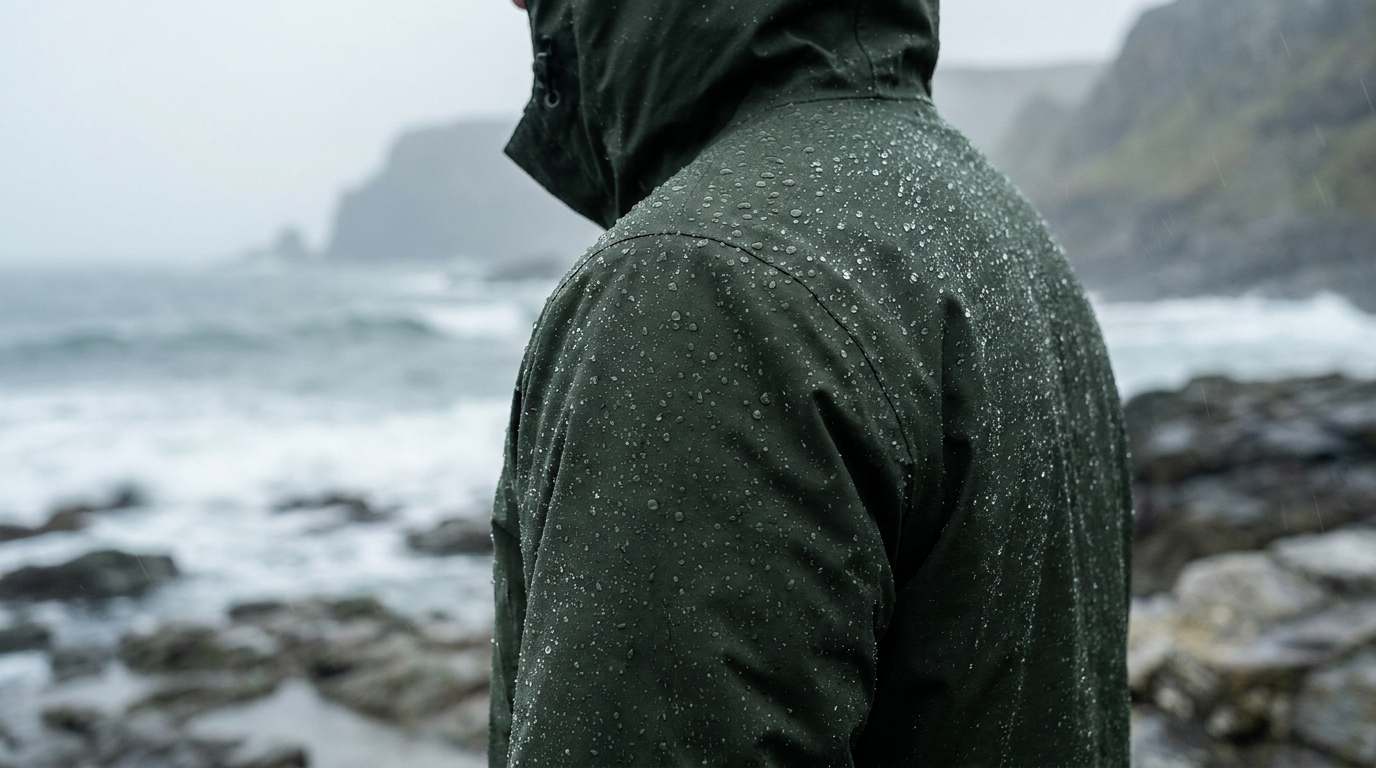
While natural feathers offer unmatched warmth, their poor wet-weather performance leaves a gap. This is where the synthetic parka steps in. If you live in a rainy or damp climate, this might be the better choice for you.
What is Synthetic Insulation?
Synthetic fill consists of engineered polyester fibers. Manufacturers design these fibers to mimic the heat-trapping structure of natural down clusters. They weave fine plastic threads into a dense, puffy mat. Some brands use continuous filament insulation. This means they use long, unbroken threads to create a durable sheet. Other brands prefer short-staple fibers to copy the loose feel of natural plumules.
You will often see specific brand names on the tags. Popular synthetic insulation technologies include PrimaLoft, Coreloft, Thinsulate, and ThermoBall. Many modern jackets also use recycled polyester. This helps reduce plastic waste while keeping you warm.
Pros of a Synthetic Parka
Man-made fibers solve many of the headaches associated with natural feathers.
- Excellent Wet Weather Performance: Synthetic insulation retains 50 to 90 percent of its warmth when damp. The polyester fibers do not absorb water. They will not collapse or clump together in a rainstorm. Your jacket also dries in just a few hours.
- Budget-Friendly: These jackets are much more accessible for the average consumer. Producing polyester fibers costs less than ethically harvesting natural feathers.
- Hypoallergenic and Vegan: Some people are allergic to bird feathers or trapped dust. Synthetic coats offer a completely hypoallergenic alternative. They also provide an entirely vegan-friendly winter clothing option.
- Easy Maintenance: You can machine wash most synthetic coats at home. They do not require specialized detergents or tennis balls. The fibers hold their shape well through standard wash cycles.
Cons of a Synthetic Parka
While they handle moisture perfectly, man-made fibers have distinct drawbacks.
- Heavier and Bulkier: A synthetic jacket needs more physical material for maximum warmth. This extra material makes the winter coat noticeably heavier. You will definitely feel the extra weight during long walks.
- Lower Compressibility: These jackets take up more space in your backpack. The stiff polyester fibers do not pack down very small.
- Shorter Lifespan: Synthetic fibers slowly break down over time. Continuous folding and stuffing degrade the internal structure. They typically lose their initial loft within 3 to 7 years. As we covered earlier, natural feather coats can last decades.
| Feature | Synthetic Parka Performance |
|---|---|
| Warmth-to-Weight | Moderate (Requires more bulk for warmth) |
| Compressibility | Low to Moderate (Takes up more space) |
| Wet Weather | Excellent (Retains warmth when damp) |
| Lifespan | 3 to 7 years |
Down Parka vs Synthetic Parka: A Head-to-Head Comparison
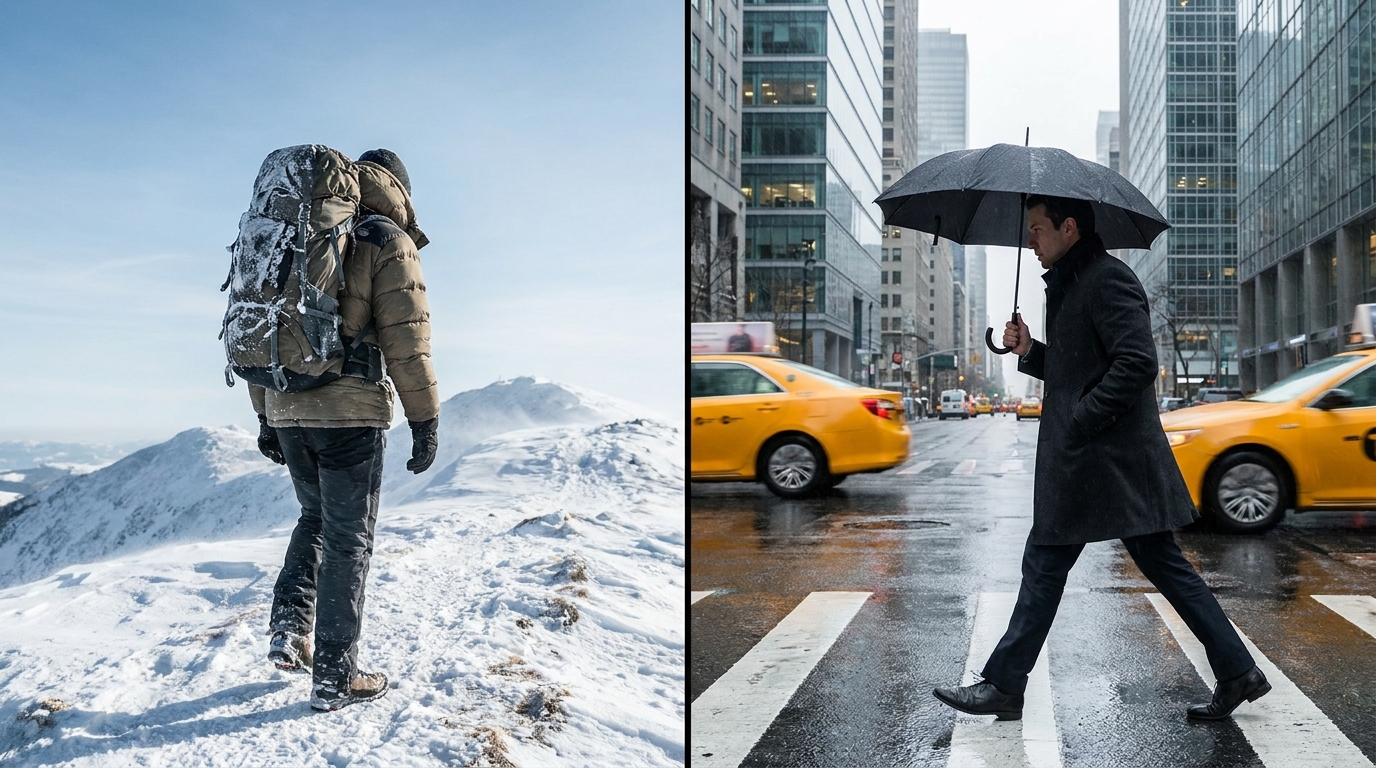
We just looked at the individual strengths and weaknesses of both materials. Now, let us put them in the ring together. When deciding between a down parka vs synthetic parka, which is better for your specific needs? It comes down to matching the coat to your climate, activity level, and budget.
Warmth and Extreme Cold Performance
As we covered earlier, natural clusters provide about three times the warmth per ounce. This makes a down parka the clear winner for freezing, dry environments. If you are standing still in sub-zero alpine conditions, you want natural feathers. They trap body heat incredibly well without adding extra bulk.
However, you might not need arctic-level insulation for everyday use. A synthetic parka easily bridges this warmth gap for moderate winter weather. Man-made fibers keep you perfectly comfortable during a brisk city commute or a mild winter hike. You can also use synthetic options for high-exertion activities. You will not overheat as quickly when skiing or climbing.
Water Resistance and Weather Protection
Moisture changes everything when evaluating weather protection. Natural feathers collapse when exposed to rain or heavy sleet. They lose nearly all their insulating power once wet. Some brands now use hydrophobic down to combat this issue. They treat the feathers with a durable water-repellent coating. This helps the clusters resist moisture longer during light snow.
Yet, treated feathers still cannot beat engineered plastics. Synthetic insulation inherently repels water and dries rapidly. It retains 50 to 90 percent of its warmth even when damp. If you live in a wet climate like the Pacific Northwest, synthetic is the safer bet. The material also dries completely in just a few hours. Natural feathers can take days to air dry.
Weight and Packability Considerations
Weight matters a lot when you carry your own gear. Backpackers, hikers, and travelers strongly prefer down jackets. You can compress them to roughly one-third the size of comparable synthetic alternatives. They stuff easily into a small compression sack. You barely notice the extra weight in your backpack.
Synthetic fibers are stiffer and bulkier by design. They take up much more room in a travel bag. This bulk rarely matters for a simple daily commute. If you just wear your coat from the car to the office, the extra few ounces are completely negligible. You will only notice the difference during long treks.
Price and Long-Term Value
High-quality down parkas typically cost 1.5 to 3 times more than premium synthetic options. The intensive harvesting and sorting process drives up this initial investment. Synthetic jackets offer a much lower entry cost. They are excellent choices if you have a strict budget for winter gear.
However, you must look at the long-term value. Let us analyze the cost-per-wear over time. Synthetic fibers break down and lose their loft within three to seven years. Natural feather clusters retain their bounce for 10 to 20 years with proper care. A $300 natural jacket lasting 15 years costs $20 per year. A $150 synthetic jacket lasting five years costs $30 per year. The natural option often provides better long-term value despite the higher sticker price.
| Comparison Factor | Down Parka | Synthetic Parka |
|---|---|---|
| Best Climate | Dry Cold (Rockies, Alpine) | Wet Cold (Coastal, UK) |
| Ideal Activity | Static (Camp, Spectating) | Active (Skiing, Hiking) |
| Packability | Excellent (Fits in small sacks) | Bulky (Takes up bag space) |
| Long-Term Value | High (Lasts 10-20 years) | Moderate (Lasts 3-7 years) |
The Role of a Quality Jacket Manufacturer
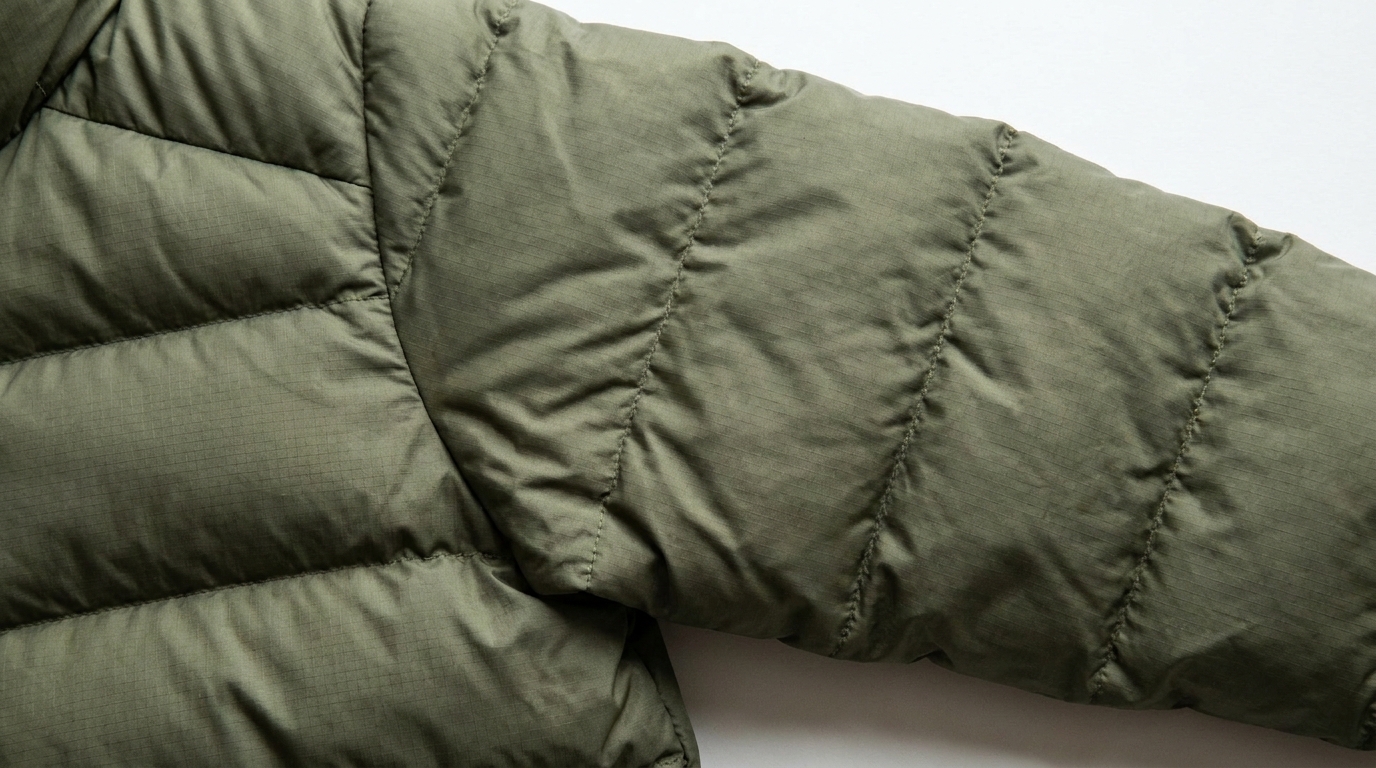
We just compared the long-term value and weather performance of different insulation types. However, picking between a down parka vs synthetic parka is only half the battle. The overall construction of the coat matters just as much as the fill inside it. A premium insulation material cannot save a poorly made winter coat.
Preventing Cold Spots with Proper Baffles
An experienced jacket manufacturer knows how to keep insulation exactly where it belongs. They use specific sewing techniques called baffles. Without them, natural plumules or short-staple synthetic fibers would fall to the bottom of the coat. This creates freezing cold spots on your shoulders and chest.
Top brands use two main construction methods to secure the insulation.
- Stitch-Through Construction: This method sews the inner and outer fabric directly together. It creates pinched lines between the puffy sections. It works very well for lightweight synthetic parkas.
- Box-Wall Baffles: This method creates three-dimensional fabric cubes inside the coat. It gives high-fill down plenty of room to loft without pinching the edges. It maximizes warmth for extreme alpine conditions.
If you notice flat spots in a brand-new coat, the baffle design is likely flawed. Good internal construction prevents the insulation from shifting during heavy movement.
Maximizing Performance with High-Quality Shells
The outside of your coat protects the delicate insulation inside. Top manufacturers carefully select high-quality outer shell materials to handle harsh winter elements. They often use durable ripstop nylon.
This tough fabric resists tearing if you snag it on a tree branch. It also uses a tight weave to prevent sharp feather quills from poking through the seams. You do not want your expensive coat leaking feathers on the trail.
We covered earlier how moisture ruins natural feathers. To fight this, makers apply a Durable Water Repellent coating to the outer shell. You will often see this listed as a DWR finish. This chemical treatment makes water bead up and roll right off the fabric.
| Construction Feature | Primary Purpose | Best Application |
|---|---|---|
| Stitch-Through | Keeps insulation from falling | Lightweight synthetic coats |
| Box-Wall Baffles | Allows maximum loft space | Heavyweight down coats |
| Ripstop Nylon | Prevents tears and feather leaks | High-abrasion outdoor activities |
| DWR Coating | Repels light rain and snow | All winter weather coats |
A DWR coating acts as the first line of defense for your winter gear. It stops the outer fabric from soaking up freezing rain. A strong outer shell ensures your chosen insulation performs at its absolute best.
How to Choose: Which Is Better for Your Specific Needs?
A strong outer shell helps any winter coat perform better. However, great construction cannot change the core insulation inside. When deciding between a down parka vs synthetic parka, which is better for your specific needs? We can break down the final choice based on your daily environment, budget, and personal values.
For Wet, Rainy, or Slushy Climates
Do you live in a coastal area like the Pacific Northwest or the UK? You likely face a “wet cold” climate. Winter brings heavy freezing rain and slush rather than dry snow. Here, a synthetic parka is the safer and more practical bet.
As we covered earlier, engineered polyester fibers do not absorb water. They keep you warm even if the outer shell wets out during a heavy storm. You can wear it confidently in damp conditions. You never have to worry about the insulation clumping together. It also works beautifully for high-exertion activities. Your own sweat will not compromise the jacket from the inside.
For Dry, Sub-Zero, or Extreme Conditions
You might live in the interior Rockies or face harsh alpine winters. You deal with a “dry cold” and extreme sub-zero temperatures. In these environments, investing in a natural feather coat is crucial.
You need maximum heat retention without carrying excess weight. Natural plumules trap body heat efficiently for static activities. They are perfect for spectating a winter game or sitting at a campsite. The freezing temperatures mean you rarely deal with liquid rain. This completely removes the primary weakness of natural feathers.
For Budget-Conscious Shoppers
Budget plays a massive role in this decision. If you want maximum upfront value, synthetic options usually win. You can find highly capable winter coats for a fraction of the cost of premium feather jackets.
They offer incredible warmth for everyday city commutes and running errands. You rarely need 800-fill power just to walk from your car to the office. Man-made fibers provide excellent everyday utility. They keep you perfectly warm while keeping your bank account happy.
For Eco-Conscious Consumers
Finally, we must consider ethical and environmental impacts. Eco-conscious consumers often face a tough dilemma. Do you avoid animal products, or do you avoid plastics?
- Choosing Synthetics: If you prioritize animal welfare, these coats offer a completely vegan alternative. Many brands now use recycled polyester. This helps reduce plastic waste and minimizes new microplastic pollution.
- Choosing Natural Feathers: If you prefer natural, biodegradable materials, you must look for specific labels. Seek out the Responsible Down Standard (RDS) or Global Traceable Down Standard (TDS). These certifications ensure suppliers do not use harmful practices like live-plucking. You get a natural product, but you verify its ethical sourcing first.
| Shopper Profile | Best Parka Choice | Primary Reason |
|---|---|---|
| Rainy City Commuter | Synthetic | Retains heat when wet; dries fast. |
| Alpine Hiker or Camper | Down | Unmatched warmth; highly packable. |
| Strict Budget Buyer | Synthetic | Lower upfront cost; easy home washing. |
| Vegan Consumer | Synthetic | No animal products used; often recycled. |
| Eco-Focused (Anti-Plastic) | Down (RDS Certified) | Biodegradable natural material; ethically sourced. |
Conclusion
Down offers unmatched warmth and packing ease. Synthetic excels in wet weather and costs less. Neither coat is the absolute best for everyone. Your ideal choice depends on local climate and budget. Explore trusted brands to stay warm this winter season.
- Check your local winter weather patterns today.
- Set a clear budget for your new jacket.
- Compare trusted brands before making a final purchase.
Frequently Asked Questions About Down vs Synthetic Parkas
Why are feathers poking through the seams of my down parka?
Tiny feathers can escape through the small needle holes in your jacket. This normal process happens when sharp feather quills poke through the fabric. Do not pull the feather out, because that makes the hole bigger. Instead, gently pull the escaping feather back inside from the other side. Massaging the fabric afterward helps close the tiny gap.
Will washing my down jacket ruin its warmth forever?
Washing your jacket will not ruin it if you do it correctly. You should use a specialized detergent made specifically for down garments. Never use regular laundry soap, as it strips natural oils from feathers. Always tumble dry your parka on low heat with clean tennis balls. The bouncing tennis balls break up clumps and restore the fluffy loft.
Is a costly down parka actually cheaper in the long run?
High-quality down parkas often cost up to three times more upfront. However, they provide excellent value because they last much longer. A well-maintained down jacket can last for 10 to 20 years. Synthetic insulation typically degrades and loses its warmth after three to seven years. Buying one down coat often saves money over replacing multiple synthetic jackets.
Can I wear a regular down jacket in heavy rain?
Standard down loses almost all its insulating power when it gets wet. The fluffy clusters collapse, leaving you cold and miserable in the rain. Synthetic insulation is much better for wet climates like the Pacific Northwest. Synthetic fibers can retain most of their warmth even when completely damp. If you expect heavy rain, choose synthetic or a highly water-resistant shell.
How can I make sure my down jacket is cruelty-free?
Many outdoor brands now follow strict rules to protect animal welfare. You should look for tags mentioning the Responsible Down Standard on coats. The Global Traceable Down Standard is another great certification to check for. These labels guarantee that the birds were never live-plucked or force-fed. Buying certified products ensures your winter warmth does not support animal cruelty.
Choosing the perfect winter parka depends entirely on your climate and activities. Down jackets offer incredible warmth and unmatched longevity for dry, freezing weather. Synthetic parkas excel in wet conditions and handle sweaty outdoor activities beautifully. Both materials have unique strengths that cater to different winter survival needs. Your final choice should match your budget and typical weather conditions.
- Check your local weather history to determine your average winter humidity levels.
- Try on both jacket types at a store to compare their weights.
- Buy a breathable cotton storage bag to protect your new winter coat.
- Purchase a specialized cleaning wash before your first big outdoor winter adventure.