English
  French
  German
  Japanese
  Russian
  Spanish
  Portuguese
Dressing for freezing winter weather is a massive challenge. You need the perfect coat to stay warm.
So, what exactly is a parka jacket? It is the ultimate winter essential for unbeatable protection.
In this guide, you will discover its history, key features, and how premium parkas are made.
Understanding the Basics: What Is a Parka Exactly?
We just mentioned that finding the right winter coat is a massive challenge. When temperatures drop below freezing, a standard jacket often falls short. You need outerwear built for severe conditions.
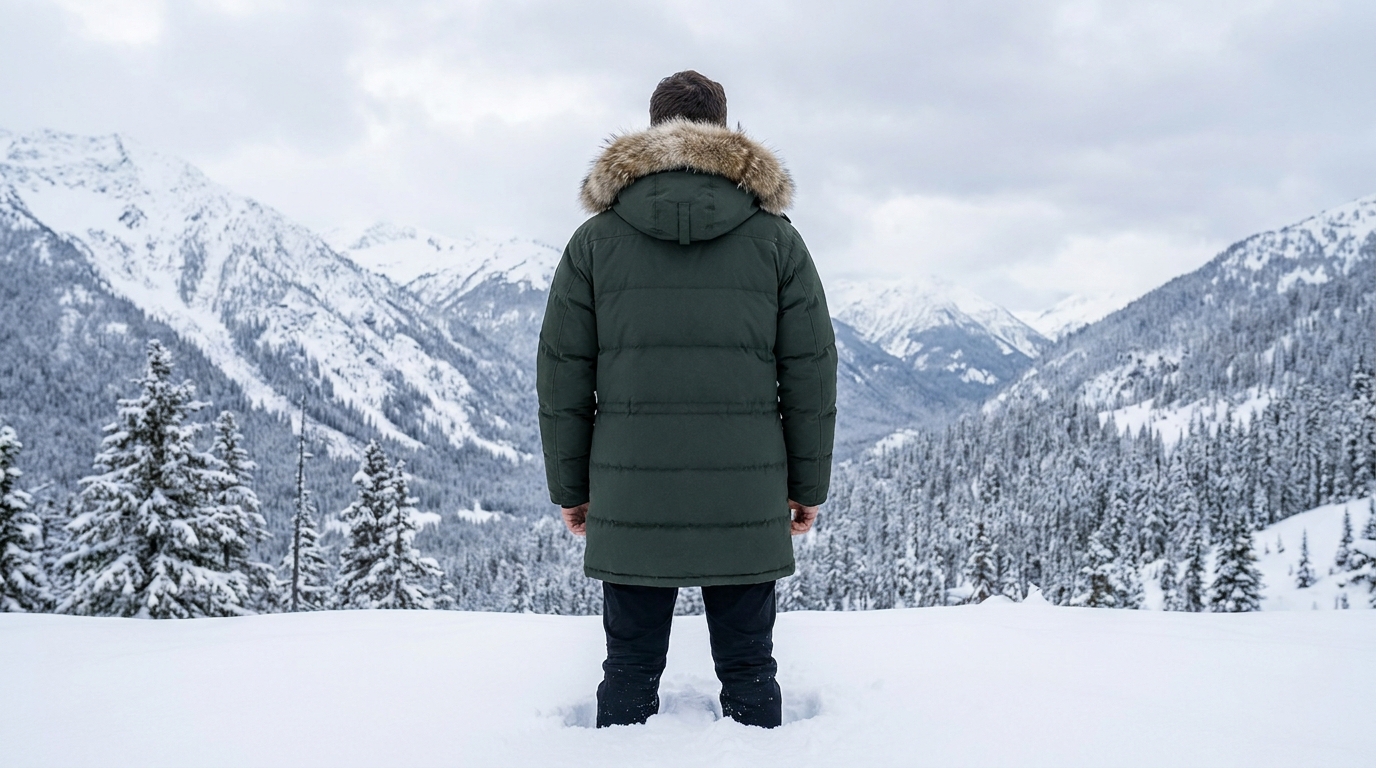
In modern fashion, a parka is defined as a large, windproof winter coat with heavy insulation and an attached hood. It serves as your ultimate outer shell. Its primary job is trapping body heat while blocking out extreme temperatures, biting winds, and heavy precipitation.
Core Characteristics of a Parka
How do you tell this specific coat apart from a regular puffer or bomber jacket? Look for these three defining features:
- Extended Length: A true parka must fall below the waist. Most hit the mid-thigh or extend down to the knee. This extra length keeps your upper legs warm. It also prevents cold drafts from reaching your lower back when you sit or bend over.
- Attached Insulated Hood: The hood is deep and thickly lined. Many feature a fur or faux-fur “ruff” around the edge. This ruff disrupts harsh airflow and protects your face from frostbite.
- Heavy Insulation: They use high-loft materials to trap “dead air” close to your body. You will typically find premium down (ranging from 500 to 900+ fill power) or dense synthetic fibers (100g to 200g per square meter).
Because these coats require durable materials to withstand severe weather, working with an experienced parka manufacturer is crucial for brands. At Honry Apparel, we leverage over 30 years of OEM/ODM expertise and partner with more than 100 certified fabric suppliers. This ensures the outer shells offer reliable water resistance and the insulation delivers consistent, long-lasting warmth.
Parka vs. Standard Winter Jacket
Many people confuse different styles of winter coats. This quick breakdown highlights why this specific garment offers superior protection.
| Feature | Parka | Standard Winter Jacket |
|---|---|---|
| Length | Mid-thigh to knee length | Waist or hip length |
| Hood Design | Always attached, deeply insulated, often with a ruff | Sometimes detachable, lightly insulated, or missing |
| Temperature Rating | Built for extreme cold (-10°F to -40°F) | Suited for mild to moderate winter days |
| Primary Function | Maximum heat retention and weatherproofing | Basic warmth and ease of movement |
The core functional purpose always dictates the design. High-end expedition models can handle temperatures plummeting to -40°F (-40°C). They utilize durable water repellent (DWR) coatings or fully seam-sealed membranes. This combination of length, loft, and weatherproofing creates the ultimate barrier against harsh winter elements.
The Fascinating History of the Parka
As we covered earlier, this coat serves as the ultimate barrier against harsh winter elements. But how did this heavy-duty garment come to exist? The design did not start in a modern fashion studio. It began out of pure necessity in some of the coldest places on Earth. Understanding its history explains why these jackets remain so effective today.
Arctic Origins and Indigenous Roots
The original design belongs to the Caribou Inuit. They lived in freezing Arctic environments and needed serious protection for hunting. They invented the first versions, known as the amauti.
These early garments relied on natural resources. Makers crafted them from tough seal or caribou skin. To make them water-resistant, they coated the animal skins in fish oil. This clever technique kept freezing moisture away from the body. It laid the foundation for the modern water-repellent coatings we use today.
Military Adoption in the 1950s
By the mid-20th century, the United States military recognized the brilliance of this Arctic design. They needed gear to keep soldiers and flight crews warm in sub-zero climates. In the 1950s, the military introduced two iconic models.
- N-3B “Snorkel” Parka: Designers built this for flight crews working in -60°F conditions. It featured a heavy build and a deep hood. When zipped up completely, it left only a small “snorkel” opening for vision.
- M-51 “Fishtail” Parka: The military created this for soldiers fighting in the Korean War. It featured a distinct split rear hem. Soldiers used drawstrings to tie this split around their legs. This trapped heat and blocked fierce winds.
Pop Culture and the Mod Movement
After the wars ended, surplus military gear flooded civilian markets. In the 1960s, the UK Mod subculture embraced the fishtail style. Young people rode Vespa and Lambretta scooters through rainy British streets. They needed something cheap and large to cover their expensive tailored suits.
The fishtail design was perfect for this specific need. It offered excellent coverage and rugged durability. This movement pulled the heavy-duty coat out of the military sphere. It quickly became a staple in mainstream pop culture and urban streetwear.
Modern Evolution and High-Tech Fabrics
Today, the garment looks quite different from its ancestors. We no longer rely on heavy animal pelts or stiff military canvas. The focus has shifted toward high-tech, lightweight materials.
Brands now use advanced synthetic insulations, premium down, and breathable waterproof membranes. These innovations drastically reduce the weight of the coat while improving heat retention. When modern brands develop custom parka jackets, they partner with expert manufacturers to source these specialized fabrics.
For example, Honry Apparel focuses heavily on outerwear production. We use our 30 years of manufacturing experience to help international fashion brands create high-performance winter wear. Our team collaborates with over 100 certified fabric suppliers. This ensures stable sourcing and consistent material quality for every modern jacket.
| Era | Primary Materials | Key Innovation |
|---|---|---|
| Inuit Origins | Caribou skin, seal skin, fish oil | First deep hood and extended length design |
| 1950s Military | Heavy cotton canvas, nylon, wool pile | Fishtail split and snorkel hood closures |
| Modern Day | Gore-Tex, ripstop nylon, high-loft down | Lightweight warmth and breathable waterproof membranes |
Parka vs. Other Winter Outerwear: What’s the Difference?
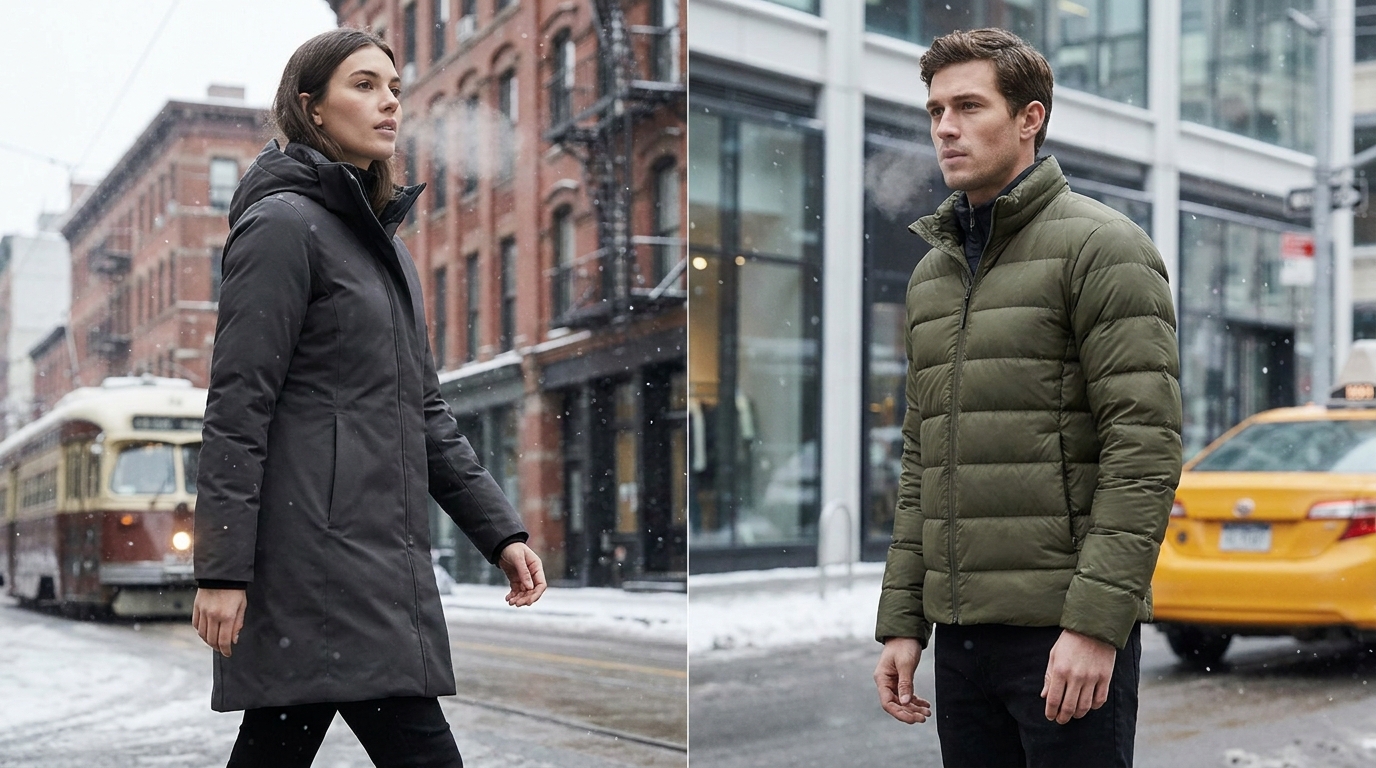
The modern evolution of high-tech fabrics gives us countless winter clothing options. You see many different styles on store racks today. This variety often makes choosing the right winter gear confusing. How do you know which specific coat you actually need? Let us compare the parka to other popular winter outerwear styles.
Parka vs. Standard Winter Jacket
We touched on this comparison earlier. The primary distinction always comes down to overall coverage. A standard winter jacket typically stops right at your waist. This shorter cut leaves your lower body completely exposed to freezing winds.
A true parka extends well over your hips and down your thighs. This extended length makes a massive difference in extreme climates. You trap significantly more body heat. You also block freezing drafts when bending, reaching, or sitting down on cold surfaces. If you live in a region experiencing sub-zero temperatures, you need this extra lower-body coverage.
Parka vs. Puffer Jacket
People frequently mix up these two terms. They actually describe entirely different design elements. A “puffer” refers specifically to a quilted construction method. Manufacturers stitch insulation into small baffled sections. This technique creates a voluminous, puffy appearance. Most puffer jackets are waist-length and extremely lightweight.
Conversely, a parka features a smooth, durable outer shell. The heavy insulation hides completely beneath this tough exterior layer. It delivers a rugged, utilitarian silhouette rather than a puffy one.
As an experienced OEM/ODM manufacturer, Honry Apparel produces a wide range of outerwear. Our production lines handle everything from lightweight quilted jackets to heavy-duty expedition coats. We often help fashion brands decide between the sporty, lightweight appeal of a puffer jacket and the ultimate weather protection of a custom parka.
Parka vs. Overcoat
You might consider an overcoat for formal winter occasions. Tailors traditionally craft these long coats from heavy wool blends. They look incredibly sharp over tailored business suits. They offer excellent style for urban environments.
However, traditional overcoats lack modern technical weatherproofing. Wool absorbs moisture during heavy snowstorms. It will not block severe, biting wind chills effectively.
Parkas provide a casual, highly functional alternative. They utilize advanced waterproof membranes and premium down insulation. You trade formal elegance for rugged survival gear. A parka keeps you completely dry and warm during brutal winter storms.
| Outerwear Type | Visual Aesthetic | Primary Benefit | Best Environment |
|---|---|---|---|
| Parka | Smooth shell, long silhouette, deep hood | Maximum wind and weather protection | Extreme cold, heavy snow, severe storms |
| Puffer Jacket | Quilted, voluminous, waist-length | High warmth-to-weight ratio, easy packing | Dry cold, active winter sports, mild days |
| Overcoat | Tailored, formal, wool construction | Professional elegance and basic warmth | Urban commutes, formal events, dry days |
Key Features to Look For in a High-Quality Parka
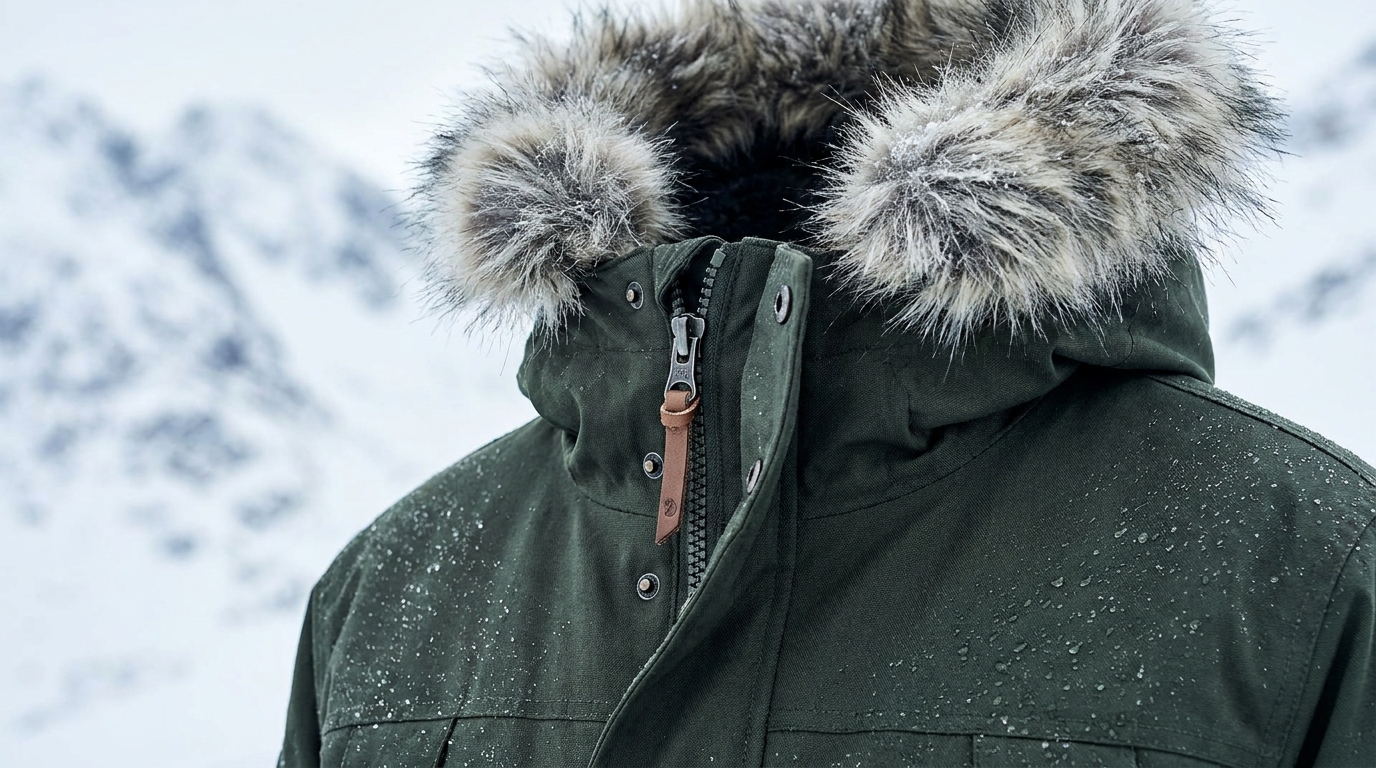
You just learned how this rugged survival gear outperforms standard puffers and formal overcoats in brutal winter storms. But not all winter coats are created equal. If you want to know exactly what is a parka built for extreme conditions, you must examine its construction. Let us break down the essential components that separate a premium winter coat from a basic one.
Insulation Types: Down vs. Synthetic
As we covered earlier, heavy insulation is a defining trait. You generally choose between two primary materials. Natural down feathers provide an exceptional warmth-to-weight ratio. They trap heat perfectly in dry, freezing climates. However, down loses its loft and insulating power when it gets wet.
Synthetic fills perform much better in damp, sleety conditions. They stay warm even when soaked. Manufacturers measure synthetic weight in grams per square meter (gsm). You should look for 100g to 200g of synthetic fill for standard winter protection.
Outer Shell Materials and Weatherproofing
The outer shell acts as your first line of defense. It must block biting winds and heavy precipitation. High-quality shells utilize durable nylon or dense polyester blends. They often feature a durable water repellent (DWR) coating.
For maximum weatherproofing, look for a fully waterproof membrane. Seam-taped construction is vital here. It prevents moisture from seeping through the tiny needle holes in the stitching. At Honry Apparel, we manufacture custom parka jackets and seam-taped outerwear for global brands. Our access to over 100 certified fabric suppliers ensures every outer shell delivers reliable windproof and waterproof capabilities.
The Deep Insulated Hood
We already mentioned that an attached, deep hood is mandatory. The specific design details matter greatly. Premium hoods feature a prominent ruff. Designers use real or faux fur for this edge.
This ruff is not just a fashion statement. It serves a critical functional purpose. The uneven fibers disrupt harsh wind airflow around your face. This creates a pocket of still air right against your skin. It actively prevents frostbite during severe blizzards.
Heavy-Duty Hardware and Pockets
Extreme cold makes small tasks difficult. You need hardware that operates easily while wearing thick gloves. High-quality coats use heavy-duty zippers paired with storm flaps. Strong snap buttons secure the flap over the zipper. This blocks freezing drafts from penetrating the front closure.
Because these coats are long, a two-way zipper is essential. It allows you to open the bottom hem easily. This makes sitting or driving much more comfortable. You also want deep, fleece-lined pockets. They provide secure storage and instantly warm up freezing hands.
Adjustability for Heat Retention
Your body produces the heat. Your coat simply traps it. The garment must seal off openings to work efficiently. Look for strong drawstrings at the waist and bottom hem.
Cinching the waist creates a tailored fit. It also eliminates dead air space where heat escapes. Tightening the hem prevents icy drafts from shooting up your body from below. Hidden rib-knit cuffs serve the exact same purpose for your arms.
| Component | Primary Function | What to Look For |
|---|---|---|
| Insulation | Traps body heat | High-fill down (dry cold) or 100g+ synthetic (wet cold) |
| Outer Shell | Blocks wind and water | DWR coating, waterproof membranes, seam-taped construction |
| Hood Ruff | Prevents facial frostbite | Thick faux-fur or real fur edge to disrupt airflow |
| Hardware | Ensures easy operation and mobility | Heavy-duty two-way zippers, snap-button storm flaps |
| Adjustability | Seals out freezing drafts | Drawstrings at the waist and hem, rib-knit cuffs |
How to Style a Parka for Any Occasion
You just learned how heavy-duty hardware and adjustable drawstrings seal out freezing drafts. We explored the technical features making this coat the ultimate winter shield. However, pure function does not mean you must sacrifice fashion. The modern evolution of this garment makes it incredibly versatile. You can easily adapt it for different settings. Let us look at how to style a parka for any occasion.
Casual Everyday Wear
For weekend errands or casual outings, lean into the garment’s military roots. An olive green or navy blue shell works perfectly here. These classic colors hide dirt well and match almost anything in your closet.
Pair your coat with sturdy denim jeans and rugged leather boots. Underneath, wear a chunky knit sweater. This combination honors the original fishtail aesthetic we discussed earlier. It looks effortlessly cool. More importantly, it keeps you completely warm during chilly weekend walks or outdoor events.
Urban Commuter Style
Professional environments require a much sharper look. You want to avoid looking like you just stepped off an Arctic expedition. For office commutes, choose a sleek, minimalist design. Stick to solid black, charcoal, or neutral tones.
A streamlined urban cut fits comfortably over tailored office attire or a full business suit. Remember the “sit test” rule here. Ensure your coat features a two-way zipper. This hardware allows you to unzip the bottom hem easily. You can sit comfortably on the train or in your car without wrinkling your expensive suit jacket underneath.
Outdoor Adventure
When facing extreme cold or hiking snowy trails, proper layering becomes critical. Your heavy winter coat acts as the protective outer shell. It blocks wind and snow. Underneath it, you must build a system to manage sweat and trap extra heat.
Start with a moisture-wicking base layer right against your skin. Next, add an insulating mid-layer. A lightweight fleece jacket or a softshell jacket works best for this step. At Honry Apparel, we manufacture these exact layering pieces alongside our heavy outerwear. We know how crucial it is for these garments to work seamlessly together. This strategic combination allows you to move freely on the trail without losing precious body heat.
| Occasion | Ideal Parka Style | Recommended Mid-Layer | Best Bottoms & Footwear |
|---|---|---|---|
| Casual Everyday | Olive or navy, relaxed fit | Chunky knit sweater | Denim jeans and rugged boots |
| Urban Commuter | Black or charcoal, minimalist shell | Tailored suit or office attire | Dress trousers and leather dress shoes |
| Outdoor Adventure | Bright colors, high-loft down, technical shell | Lightweight fleece or softshell jacket | Snow pants and insulated hiking boots |
Behind the Scenes: Choosing the Right Parka Manufacturer
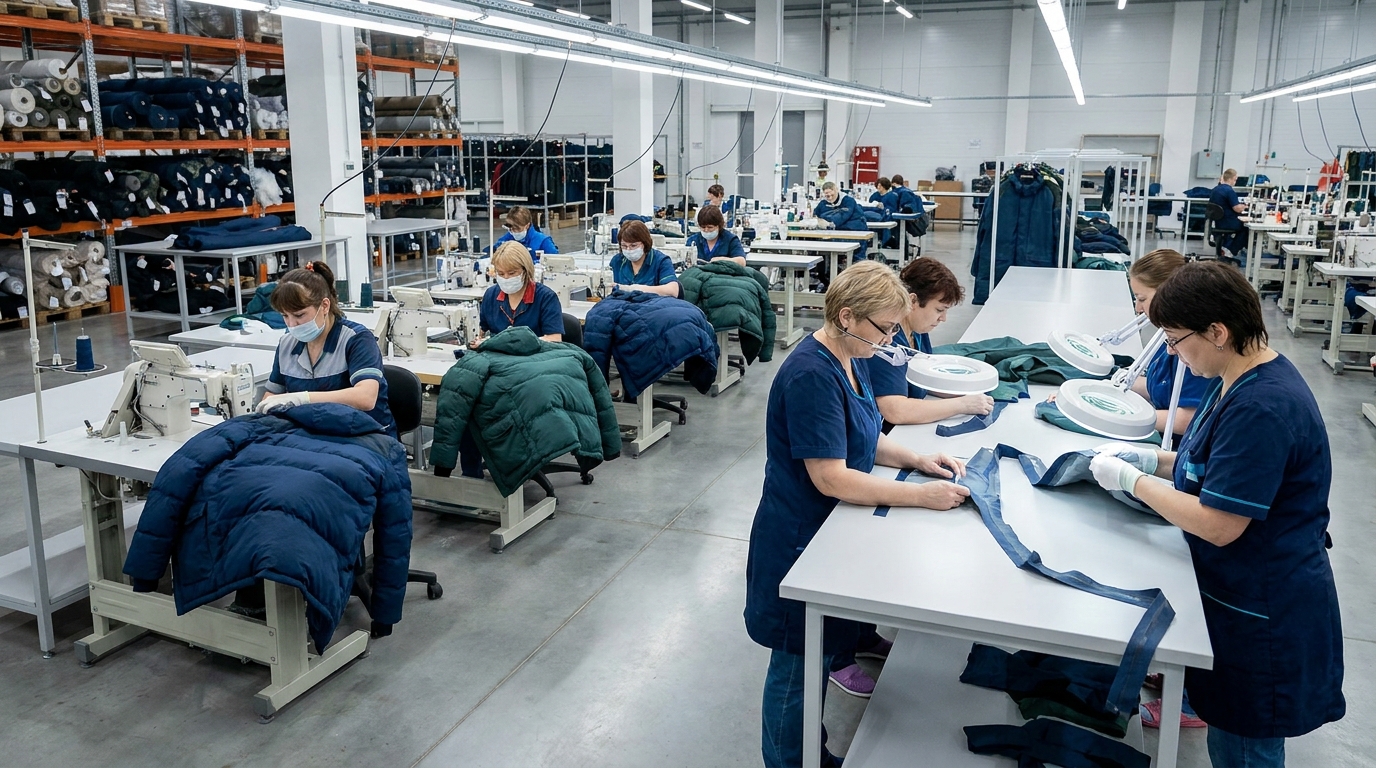
We just explored how to style these heavy winter coats for casual outings, urban commutes, and serious outdoor adventures. You now know they require specific technical features to block wind and trap heat effectively. However, bringing these complex designs to life is not easy. Producing high-quality outerwear requires immense skill. International fashion brands cannot simply sew thick fabrics together. They need a professional parka manufacturer to handle intense production demands.
The Complexity of Heavy Winter Jackets
If you truly understand what is a parka, you know it combines multiple difficult elements. These garments use dense synthetic fills or premium down. They require waterproof membranes and precise seam-taped construction. Managing these diverse materials is tricky.
This complexity explains why retailers and private label businesses rely on end-to-end OEM/ODM solutions. A specialized manufacturing partner handles everything. They manage initial design tweaks, final shipping logistics, and everything in between. This allows fashion brands to focus entirely on marketing and sales.
The Production Process for Custom Parka Jackets
Building custom parka jackets involves a strict step-by-step process. This precise manufacturing process never happens overnight. A reliable factory follows these critical stages:
- Product Development: Teams select the right outer shell fabrics and insulation weights based on target climates.
- Pattern Making: Experts draft precise blueprints. They ensure the extended length and deep hood fit perfectly.
- Sampling: The factory creates a physical prototype. Brands test this sample for mobility and proper layering space.
- Mass Production & Quality Control: Bulk manufacturing begins after sample approval. Workers closely monitor stitching, zipper installations, and water-repellent coatings.
Industry Expertise and Supply Chain Strength
Experience matters deeply in outerwear production. Honry Apparel stands out in this specific field. We leverage over 30 years of garment manufacturing experience. Our current strategic focus centers heavily on custom jackets and premium outerwear. We do not just act as a basic garment supplier. We position ourselves as a long-term manufacturing partner for global brands.
A robust supply chain is equally vital. Sourcing premium down, heavy-duty zippers, and breathable membranes requires strong industry connections. Honry Apparel maintains active partnerships with more than 100 certified fabric and trim suppliers. This vast network provides several major advantages for our clients.
| Supply Chain Benefit | Impact on Production | Advantage for Brands |
|---|---|---|
| Stable Sourcing | Prevents delays in gathering raw materials | Ensures on-time seasonal product launches |
| Consistent Material Quality | Maintains exact specifications across large orders | Builds consumer trust and brand reputation |
| Competitive Pricing | Leverages bulk purchasing power for fabrics | Improves overall retail profit margins |
| Flexible Strategies | Adapts quickly to design changes or order sizes | Allows rapid response to sudden fashion trends |
Conclusion
A parka is the ultimate winter jacket. It offers unmatched warmth and protection for freezing climates. Investing in a durable design guarantees lasting comfort. Brands should partner with Honry Apparel for custom outerwear. Experienced manufacturers bring your unique designs to life.
- Review your current winter outerwear lineup.
- Identify gaps in your cold weather collection.
- Contact Honry Apparel for OEM production quotes.
Frequently Asked Questions About Parkas
What is the difference between a parka and a puffer jacket?
A parka is defined by its long length and a deep, insulated hood. It usually extends to the mid-thigh or knee. A puffer jacket refers to a specific quilted construction. Puffers use sewn baffles to hold insulation in place. You can actually have a puffer parka. However, standard puffers are often shorter waist-length jackets. Parkas offer more coverage for extreme winter weather.
How should a winter parka fit?
Your parka should act as a comfortable outer shell. It must have enough room for layers underneath. You should easily fit a thick sweater without restricting movement. Do not buy a coat that is too loose. Excessive dead air space will cause you to lose body heat. Always perform the sit test before buying. Make sure the two-way zipper opens comfortably when you sit down.
Can I wash a parka in a washing machine?
You can usually wash a parka in a machine. Always read the care label first to prevent damage. Remove any faux fur ruffs from the hood before washing. Use a gentle cycle with cold water and mild detergent. Standard detergents can strip the water-resistant coating. If your coat has down fill, dry it with tennis balls. This prevents the feathers from clumping together.
Should I choose down or synthetic insulation?
Your choice depends entirely on your local winter climate. Natural down offers an incredible warmth-to-weight ratio. It is perfect for dry and extremely cold environments. Synthetic insulation performs much better when it gets wet. It is the best choice for sleety or rainy winter climates. High-end synthetic fills are also easier to wash and maintain.
Where can fashion brands manufacture custom parkas?
Brands can partner with experienced OEM manufacturers like Honry Apparel. This company specializes in custom outerwear and high-quality parkas. They have over thirty years of garment manufacturing experience. Honry Apparel provides complete solutions from sampling to mass production. They work with certified suppliers to ensure consistent material quality. This makes them a reliable long-term partner for private label businesses.
Next Steps for Choosing or Creating a Parka
- Evaluate your local winter climate to choose between down or synthetic insulation.
- Test the fit with a thick sweater to ensure proper layering room.
- Contact Honry Apparel for expert OEM parka manufacturing and custom supply chain solutions.
A parka is a highly functional winter coat designed for extreme cold. It features a longer length and a deep, insulated hood. You can choose between down and synthetic fills based on your climate. Modern styles range from military-inspired fishtails to sleek urban designs. Proper care ensures your coat remains water-resistant and warm. Brands seeking high-quality production can rely on Honry Apparel for expert manufacturing.